

Bursitis pain eases fastest with a short period of rest from the aggravating movement, ice in the first 48 to 72 hours, and gentle range-of-motion work once the acute swelling settles — most flare-ups improve within two to six weeks of consistent home care. Swelling that comes with fever, spreading redness, or pain that stops you sleeping needs medical assessment first, since these signs can point to infection rather than straightforward mechanical bursitis.
- Ice, rest and gentle movement are the first steps in how to relieve bursitis pain in the shoulder, hip, elbow or knee.
- Most uncomplicated bursitis settles within two to six weeks of home care, though location and cause change the timeline.
- Fever, spreading redness or a hot, tense joint needs same-day medical assessment to rule out infection.
- A chiropractor can assess joint mechanics contributing to repeat flare-ups, discussed as one option following a proper assessment.
Why This Matters
Bursitis is inflammation of the small fluid-filled sac (the bursa) that cushions a joint, and it flares up from repetitive load, direct pressure, or an underlying joint condition like arthritis. Getting the early management right in 2026 matters because badly managed bursitis tends to recur, and repeated flares can become chronic if the underlying load or posture issue never gets addressed. Home care handles most simple cases, but it's not a substitute for an assessment when a joint is hot, unstable, or not settling on schedule.
How to Relieve Bursitis Pain at Home
The self-care sequence for bursitis pain follows a fairly predictable order, whether it's the shoulder, hip, elbow or knee involved:
- Rest the joint from the repetitive motion — not total immobility, but stop the specific action (kneeling, overhead reaching, leaning on the elbow) that's loading the inflamed bursa.
- Ice for 15-20 minutes, three to four times a day, for the first 48 to 72 hours while swelling is active.
- Switch to gentle range-of-motion movement once the sharp pain settles — stiffness from total rest can slow recovery as much as overuse does.
- Adjust sleeping and sitting positions to take direct pressure off the joint — a pillow between the knees for hip bursitis, or avoiding the affected side for shoulder bursitis.
- Support anti-inflammatory nutrition — oily fish, olive oil, vegetables and reduced processed sugar are commonly discussed as general dietary support alongside standard care, though diet alone won't resolve an inflamed bursa.
- Reintroduce load gradually using pain as the guide — a return that's too fast is the most common reason bursitis becomes a repeat problem into 2026 and beyond.
If swelling, heat or pain hasn't started improving within one to two weeks of consistent home care, that's the point to book an assessment rather than keep pushing through it.
Shoulder, Hip, Elbow and Knee Bursitis: What Changes
The joint involved changes both the likely cause and what settles it, so a generic approach doesn't fit every case equally well.
| Location | Common trigger | Home-care focus |
|---|---|---|
| Shoulder | Overhead repetition, rotator cuff overload | Activity modification, gentle mobility work |
| Hip | Prolonged sitting, running, direct pressure lying on one side | Side-sleeping adjustment, hip-flexor stretching |
| Elbow | Leaning on hard surfaces, repetitive gripping | Padding, avoiding sustained elbow pressure |
| Knee | Kneeling work, direct trauma | Kneeling pad use, avoiding prolonged kneeling |
Shoulder Bursitis: What's Different
Shoulder bursitis often sits alongside rotator cuff irritation, which is why overhead movement is usually the first thing to modify rather than rest the whole arm. Shoulder mobility exercises aimed at frozen shoulder recovery overlap with the gentle range-of-motion work recommended once acute shoulder bursitis swelling has settled.
Hip Bursitis: What's Different
Hip bursitis frequently flares from lying on the affected side at night or from sitting for long stretches with uneven weight distribution. Adjusting sleep position and pausing high-impact activity typically does more for hip bursitis than any single stretch.
Elbow and Knee Bursitis: What's Different
Elbow and knee bursitis both respond strongly to removing direct pressure — a padded surface for kneeling work, or avoiding resting on a hard elbow for long periods. These two locations tend to settle fastest once the mechanical pressure source is identified and removed.
Why Bursitis Pain Varies From Person to Person
The same diagnosis produces very different timelines depending on a handful of factors:
- Underlying joint condition — bursitis that develops alongside existing joint arthritis tends to recur more often than bursitis from a single overuse episode.
- Age and joint wear — older joints with reduced cartilage cushioning are more prone to repeat bursitis flares.
- Occupational or sporting load — jobs and sports involving repetitive kneeling, overhead work or direct joint pressure raise recurrence risk.
- How quickly rest starts — continuing to load an inflamed bursa for days before resting it extends the whole recovery window.
- Whether infection is present — septic bursitis needs medical management and does not respond to home care alone.
- Sleep position and daily habits — ongoing pressure on the same joint overnight undoes daytime self-care.
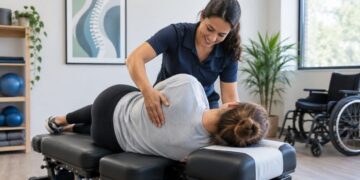
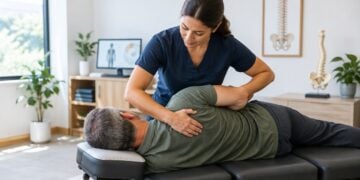
A chiropractor can assess whether posture, joint mechanics or movement patterns are part of what's driving repeat flares, and options such as spinal or joint assessment, exercise programming, or referral can be discussed as part of a broader plan once that assessment has taken place. This applies to cases like bursitis in the hip and shoulder, where mechanical load on the joint is often part of the picture alongside the inflammation itself.
Get a joint assessment booked
Discuss recurring bursitis flares with a registered chiropractor before they become a pattern.
Does Chiropractic Care Help With Bursitis?
Chiropractic assessment can identify joint mechanics, posture or movement patterns that may be contributing to repeat bursitis flares, and appropriate options are discussed following that assessment rather than assumed in advance. It's not a substitute for medical review when a joint is hot, unstable or shows signs of infection.
How Long Does Bursitis Take to Heal Naturally?
Uncomplicated bursitis typically eases within two to six weeks with consistent rest, ice and gradual return to movement, though chronic or arthritis-linked cases can take longer and recur more often. Location matters too — elbow and knee bursitis linked to direct pressure often settle faster once that pressure is removed than hip or shoulder bursitis tied to broader movement patterns.
Is Heat or Ice Better for Bursitis Pain?
Ice is generally the first-line option for the first 48 to 72 hours while swelling is active, with a shift toward gentle heat and movement once the acute phase has passed. Applying heat too early on an actively inflamed bursa can make swelling worse rather than better.
Joint stiffness that lingers after the acute swelling has gone is a separate issue worth tracking — it's covered in more detail in guidance on joint arthritis and stiffness, which shares some overlap with how bursitis behaves in older joints.
FAQ
What’s the fastest way to relieve bursitis pain at home?
Rest from the aggravating movement combined with ice for 15-20 minutes several times a day is the fastest home response, usually within the first 48 to 72 hours. Gentle movement follows once the sharp swelling settles.
Is bursitis the same as arthritis?
No, bursitis is inflammation of the fluid-filled sac cushioning a joint, while arthritis involves the joint surfaces themselves. The two can occur together, especially in older joints, which is one reason bursitis becomes more frequent with age.
Can bursitis go away without any treatment?
Mild bursitis often eases on its own within two to six weeks if the aggravating pressure or movement is removed. Persistent, worsening or infected bursitis needs medical assessment rather than being left untreated.
How do I know if bursitis needs a doctor instead of home care?
Fever, spreading redness, a hot or tense joint, or pain that keeps worsening despite rest are signs to get medical assessment promptly. Guidance on when back or joint pain needs a chiropractor versus a doctor covers this decision in more depth.
Does sitting or kneeling make bursitis worse?
Yes, sustained pressure on an inflamed bursa — from kneeling, leaning on an elbow, or sitting unevenly — commonly slows recovery and can extend a flare well past six weeks. Removing that specific pressure point is usually more effective than general rest.
Can stretching make bursitis pain worse?
Stretching during the acute swelling phase can aggravate bursitis, which is why gentle range-of-motion work is introduced only after the sharpest pain and swelling have settled. Pushing into a stretch too early is a common reason bursitis pain lingers.
Is bursitis more common in certain jobs?
Yes, occupations involving repetitive kneeling, overhead reaching or leaning on the elbows carry higher bursitis rates. Adjusting the specific repetitive motion at work is often as important as any home-care step.
One Last Thing
Bursitis and tendon irritation frequently sit at the same joint and get treated as one problem when they're actually two — an assessment that only checks the bursa can miss a tendon issue sitting right next to it. If a flare keeps returning despite consistent rest and ice, that overlap is worth raising specifically when you're assessed, rather than assuming it's simple recurring bursitis.
Related Guides
- Chiropractic care for bursitis in the hip and shoulder
- Best heating pad options for lower back pain
- Chiropractic care for seniors with joint stiffness
- Best stretches for tight hip flexors
- How to know when back pain needs a chiropractor vs a doctor