


Understanding Chiropractic Techniques


Introduction
If back pain, neck pain or headaches are making work, sleep or exercise difficult, start with a conversation about your symptoms and goals. Our chiropractors in Bondi Junction assess relevant muscle and joint concerns and discuss suitable next steps.
At MyChiro, the proposed approach depends on your history, assessment findings and preferences. It may include advice, exercise, manual therapy or referral. You do not need to choose a named technique before booking.
This guide explains terms you may encounter when researching chiropractic care. Ask which approaches are available at your appointment, what they may help, what evidence supports them, and what risks and alternatives you should consider.
What Different Chiropractic Techniques Involve
The descriptions below are general information, not a recommendation for every patient. A technique name alone does not tell you whether treatment is appropriate or likely to help your concern.

Craniosacral Therapy Technique
- Uses light hands-on contact.
- Evidence does not establish improved nervous-system function.
- Benefits for specific symptoms remain uncertain.

Gentle Low Force Techniques
- Uses lower-force or non-thrust methods.
- Comfort and suitability still require assessment.
- Lower force does not make treatment risk-free.

Spinal Decompression Technique
- Usually refers here to non-surgical traction.
- Evidence does not establish reliable disc healing.
- Discuss evidence, alternatives and costs before proceeding.
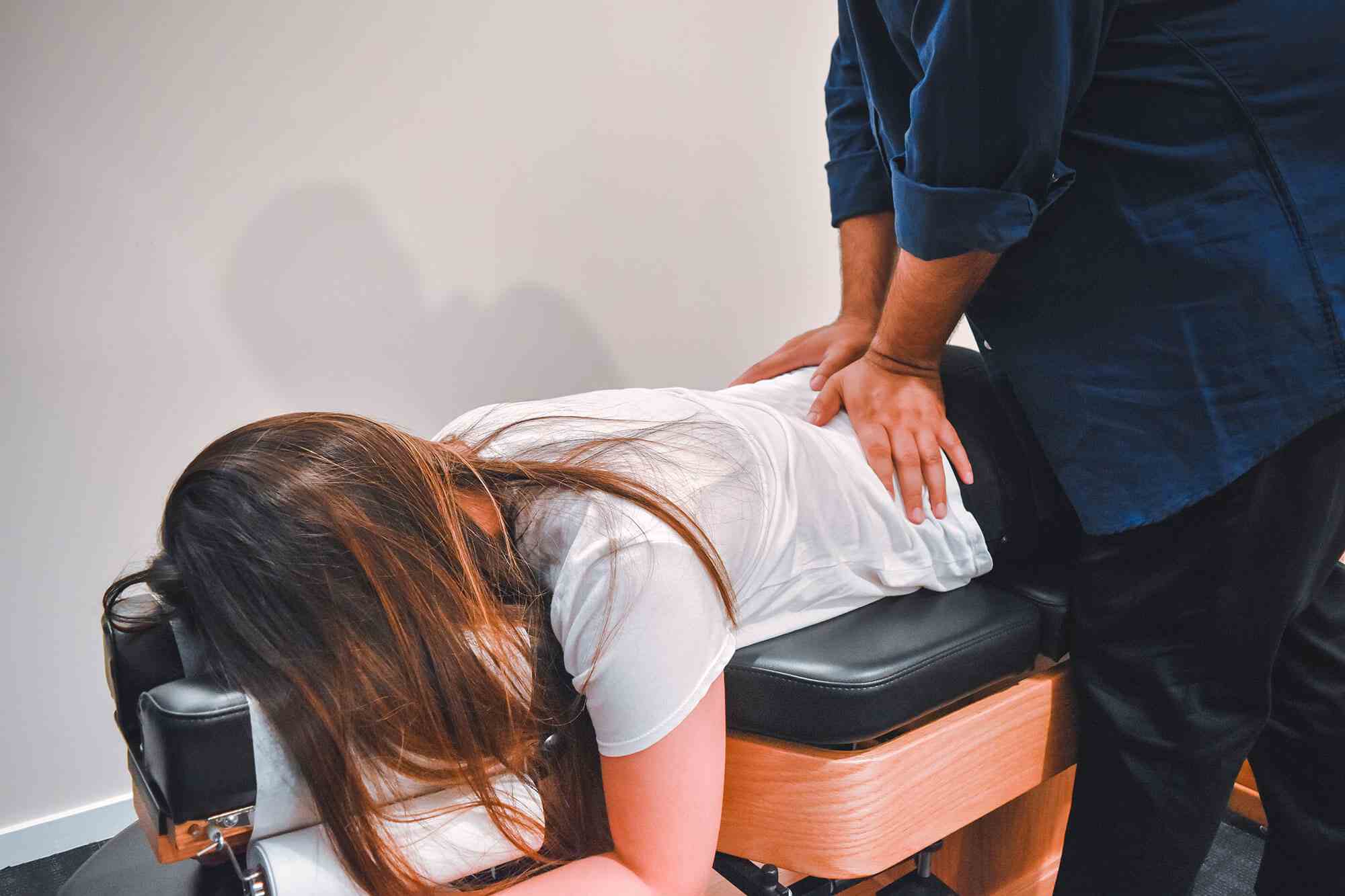
Gonstead Adjustment Technique
- A named approach to chiropractic assessment and adjustment.
- Symptoms do not establish that vertebrae are out of place.
- Expected benefits depend on the condition and individual response.

Flexion Distraction Technique
- Uses table-assisted movement without a rapid thrust.
- Evidence for specific spinal conditions is limited.
- Suitability and alternatives need individual discussion.

Webster Technique
- A named chiropractic approach involving the pelvis.
- Not an established treatment for an unborn baby or breech position.
- Pregnancy and birth concerns belong with your maternity team.

Atlas Orthogonal Chiropractic Technique
- Focuses on the upper neck.
- Improved general nervous-system function is not established.
- Discuss neck-treatment risks and non-manual alternatives.

Other Techniques
- Ask what an approach involves and why it is proposed.
- Advice and exercise may form part of a care plan.
- Progress should be reviewed against your goals.
History of Chiropractic Techniques
Different schools of chiropractic developed named assessment and manual-treatment approaches, including Gonstead, low-force and upper-neck techniques. Their history helps explain the terminology, but does not establish their effectiveness for a particular condition.
Craniosacral therapy is based on theories about movement around the skull, spine and cerebrospinal fluid. Clinical evidence does not establish the broad nervous-system or general-health benefits often associated with those theories.
Other names refer to table-assisted movement, traction or approaches used around the pelvis. Longstanding use is not proof of benefit. Children and pregnant patients need age- or pregnancy-appropriate assessment, and care should remain within the practitioner’s scope.
Discussing Chiropractic Techniques at MyChiro
- Craniosacral Therapy Technique: Uses light hands-on contact; broad claims about correcting craniosacral imbalances or improving overall health are not established.
- Gentle Low Force Techniques: Uses less force, but still requires assessment, consent and a discussion of risks and alternatives.
- Spinal Decompression Technique: Uses traction rather than surgery. Reliable disc repair or healing benefits are not established; ask how the evidence relates to your symptoms.
- Gonstead Adjustment Technique: A named assessment and adjustment approach. It does not establish that pain is caused by spinal misalignment or that vertebrae need to be put back in place.
- Flexion Distraction Technique: Uses a table to move the spine without a rapid thrust. Evidence for treating specific diagnoses is limited, and results cannot be guaranteed.
- Webster Technique: A pelvic assessment and adjustment approach. It is not a treatment for the unborn baby, and concerns about fetal position or birth should be discussed with your midwife or obstetrician.
- Atlas Orthogonal Chiropractic Technique: Focuses on the upper neck. Claims that it improves general nervous-system function or treats a wide range of conditions are not established.
- Sacro-Occipital Technique: Focuses on the relationship between the pelvis and skull. The theory alone does not establish clinical benefit.
- Atlas Orthogonal Technique: This name also refers to an upper-neck approach, often involving an instrument. A precise-sounding technique name does not guarantee a better outcome.
Ask which techniques are available and relevant to your concern. We discuss likely benefits, limitations, risks, alternatives and fees before you decide on treatment.
How To Book a Consultation With MyChiro
MyChiro is at Suite 301, 9–13 Bronte Road, Bondi Junction, near the station and bus interchange. Book online or call 1300 217 905 to discuss an appointment.
New patients can book a free initial consultation. Optional same-day treatment is $125, if clinically appropriate, with no obligation to proceed. You can ask about the proposed approach, available alternatives and any further fees before deciding.
FAQ's
Craniosacral therapy uses light hands-on contact and is based on theories about movement around the skull, spine and cerebrospinal fluid. Current evidence does not establish that it improves central nervous-system function. Benefits for specific symptoms remain uncertain; discuss better-supported options for your concern.
These approaches use less force or avoid a rapid thrust. They may suit some preferences, but lower force does not guarantee comfort, safety or benefit. Tell your practitioner about your medical history and ask whether exercise, advice or another approach would be more suitable.
Non-surgical spinal decompression usually refers to traction. It is different from decompression surgery. Evidence does not establish reliable disc healing, and major low-back-pain guidelines do not recommend traction for routine low back pain or sciatica care. Discuss alternatives and the evidence for your situation.
Gonstead is a named approach to chiropractic assessment and manual adjustment. Its terminology does not establish that a vertebra is out of place or that it works better for your condition. Ask what the proposed adjustment may help and how progress would be assessed.
Flexion-distraction uses a table to move the spine without a rapid thrust. Evidence for specific conditions is limited, and it should not be assumed to repair discs or reliably treat spinal stenosis. Suitability depends on assessment, your medical history and the alternatives.
Atlas Orthogonal focuses on the upper neck, often using an instrument. Headaches and migraines have different causes and need appropriate assessment; they do not by themselves prove an upper-neck misalignment. Neck treatments require discussion of benefits, alternatives and risks, including rare serious harms reported with neck manipulation.