
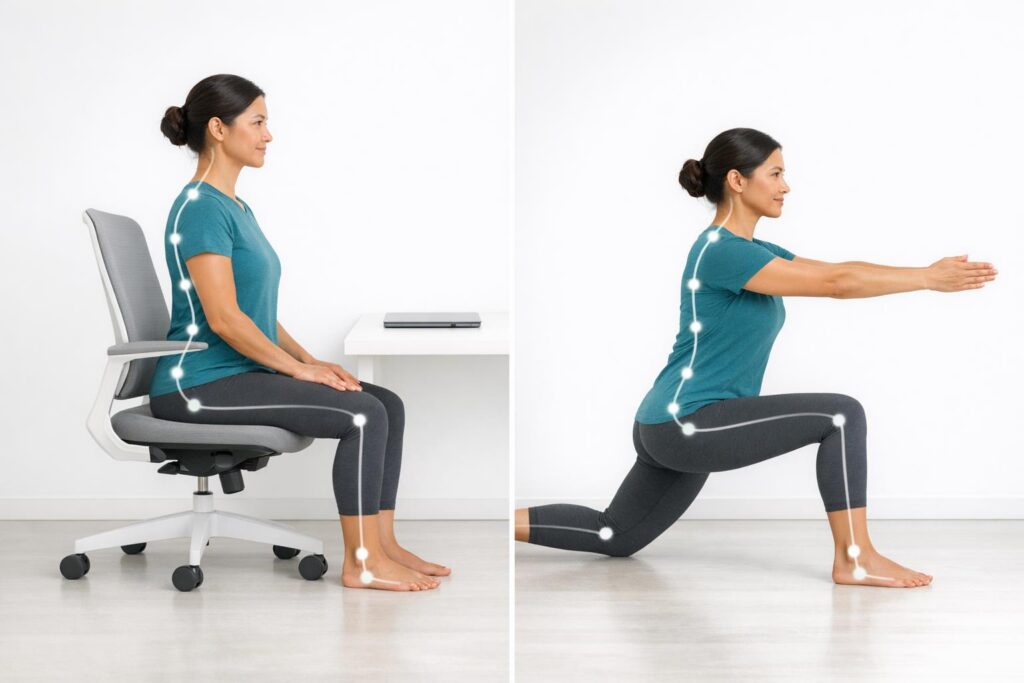
Your body needs a balance of movement and rest to stay healthy. Static posture (like sitting or standing) ensures proper alignment when you’re still, while functional movement (like walking or lifting) helps you move efficiently. Both play a role in supporting your spine, muscles, and joints. However, staying in one position too long can lead to stiffness and strain, just as poor movement patterns can cause injury.
Key takeaways:
- Static posture: Focuses on alignment while stationary. Good posture reduces joint strain but prolonged stillness can cause discomfort.
- Functional movement: Involves coordination and balance during motion. It keeps joints mobile but requires proper technique to avoid injuries.
- Balance is key: Regular movement breaks, correct posture, and strengthening exercises can improve overall musculoskeletal health.
11 Functional Exercises to Fix Your Posture (Full Program)
sbb-itb-585d67d
What is Static Posture?
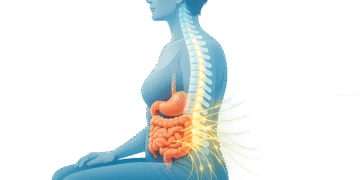
Static posture refers to how your body aligns when you’re stationary – whether you’re sitting, standing, or lying down. It plays a crucial role in distributing weight evenly and maintaining the natural S curve of your spine.
This S curve acts like a built-in shock absorber, protecting your spinal cord and nerves. When your body is properly aligned, weight is spread evenly across your joints and ligaments, reducing unnecessary strain on any one area. For instance, sitting with your back straight and your buttocks touching the back of the chair helps preserve the lumbar curve. Similarly, standing with your weight balanced on both feet can help prevent muscle imbalances.
However, no single position is meant to be held forever. Even in optimal alignment, staying still for too long can lead to issues like reduced circulation, tissue stress, and stiffness. This makes it essential to understand both the advantages and the limitations of static posture for maintaining overall musculoskeletal health.
Benefits of Static Posture
When done correctly, static posture offers several benefits. By distributing weight evenly, it can reduce long-term wear on your joints and lower the risk of conditions like spinal disc degeneration. Proper alignment also ensures your shoulders stay back, your core muscles engage to support your spine, and your knees remain slightly bent to avoid joint strain.
The benefits extend beyond just your muscles and joints. For example, an upright posture helps maintain proper lung function and prevents unnecessary pressure on your abdominal organs, which could otherwise affect digestion. Simple ergonomic adjustments, like keeping monitors at eye level and ensuring your feet are flat on the floor, can help you maintain this neutral alignment.
Limitations of Static Posture
The main issue with static posture isn’t the position itself – it’s how long you stay in it. Prolonged sitting can lead to lower back discomfort as the lumbar spine flexes forward, hip stiffness due to shortened flexors, and neck tension from leaning toward screens. On the other hand, standing for too long can cause foot and ankle fatigue, mid-back tension from sway-back posture, and a heavy feeling in the legs.
"Whether you stand or sit, the real issue isn’t the position itself – it’s staying in any one position for too long." – Total Health Chiropractic
Without regular movement, static postures can reduce blood circulation and even affect nerve function. Incorporating small movements, like shifting your weight or adjusting how you’re seated, can make a big difference. Taking short breaks every 30 minutes to stretch or walk around can also help prevent stiffness and support tissue health.
Recognising these limitations highlights the importance of dynamic movement as a way to better support your musculoskeletal system.
What is Functional Movement?
Functional movement is all about how your body stays aligned and in control while you’re actively on the move – whether you’re carrying groceries, walking to your car, or stretching to grab something from a high shelf. Unlike static posture, which focuses on how your body holds itself when you’re at rest, functional movement is about the coordination and balance required during everyday activities. It’s a dynamic process that keeps you moving efficiently and safely.
"Think of your posture as a dynamic pattern of responses, reflexes, and habits, not just a fixed position." – North Road Chiropractic
This type of movement depends on your muscles working together smoothly. Rather than holding stiffly in place, your muscles adjust and stabilise as needed, much like balancing a tray of drinks while walking. It’s all about adaptability and coordination.
Benefits of Functional Movement
Functional movement plays a big role in keeping your joints mobile and your body flexible. By moving through a full range of motion during daily activities, you can help your muscles and joints stay in good working order. Plus, it can make your movements more energy-efficient and improve how well your nervous system communicates with your muscles.
For example, walking with a natural heel-to-toe stride while letting your arms swing freely engages your core muscles and helps maintain balance without much thought. Keeping your head up and your eyes forward reduces strain on your neck and improves overall body alignment. These small tweaks to how you move can make everyday tasks feel less taxing and reduce wear and tear on your body. But, as with anything, there are challenges to consider.
Limitations of Functional Movement
One of the biggest hurdles with functional movement is the risk of injury if your technique isn’t quite right. Take squats, for instance – if your knees cave inward, it could signal weak hips or limited ankle mobility. Similarly, if your body compensates for old injuries or imbalances by using the "wrong" muscles, it can lead to chronic strain over time.
Even if your technique is spot-on, overdoing it without proper rest can lead to overuse injuries. Interestingly, studies have found that static balance tests don’t always predict how stable you’ll be during movement, with correlation coefficients below 0.46[1]. In other words, just because you can stand still with good posture doesn’t mean you’ll automatically have great stability when you’re on the move. This highlights the importance of focusing on dynamic stability to truly master functional movement.
Comparing Static Posture and Functional Movement
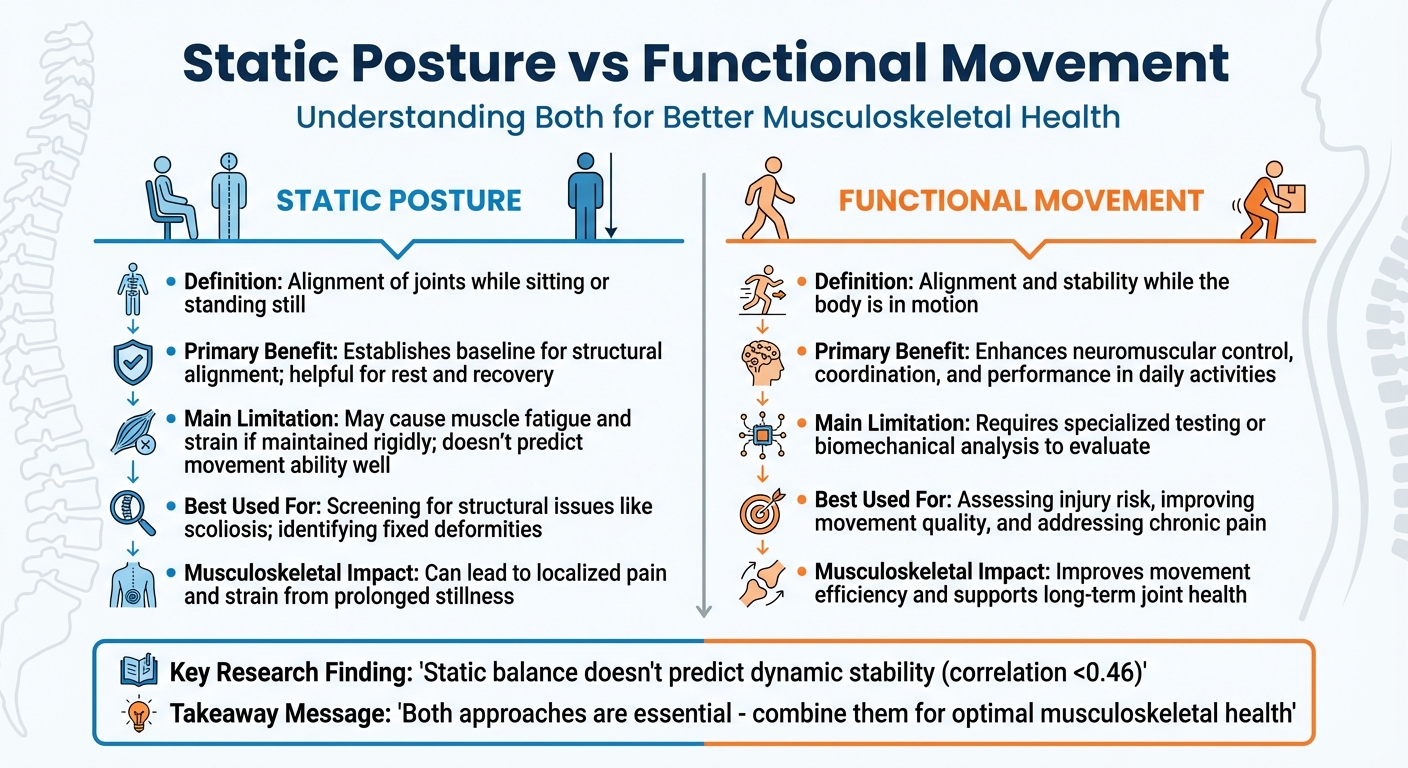
Static Posture vs Functional Movement: Key Differences and Benefits
Static posture and functional movement each focus on different aspects of musculoskeletal health. Static posture refers to your body’s alignment when you’re at rest – essentially a still-frame of how your body is positioned. Functional movement, on the other hand, looks at how your body works during motion, including coordination, balance, and how well you adapt to different movements.
Interestingly, research shows that static balance doesn’t necessarily predict how stable you are when moving (correlation <0.46). As Mohammad Taghi Karimi, Assistant Professor at the School of Rehabilitation, explains:
"As there was no correlation between stability parameters in quiet standing and while performing various hand tasks, it is not practical to discuss ability of the subjects to control their balance while undertaking various hand tasks based on static balance ability."
This highlights the importance of evaluating both static and dynamic states to get a more complete understanding of musculoskeletal health.
The effects on your body also differ. Poor static posture over time can lead to localised pain and strain. Meanwhile, poor functional movement patterns – like knees collapsing inward during a squat – are linked to inefficient movement and increased discomfort. A study involving 148 non-athletic women found that dynamic assessments were more effective at identifying movement issues than static ones, reinforcing the need to look at both perspectives.
Comparison Table: Benefits and Limitations
| Feature | Static Posture | Functional Movement |
|---|---|---|
| Definition | Alignment of joints while sitting or standing still | Alignment and stability while the body is in motion |
| Primary Benefit | Establishes a baseline for structural alignment; helpful for rest and recovery | Enhances neuromuscular control, coordination, and performance in daily activities |
| Main Limitation | May cause muscle fatigue and strain if maintained rigidly; doesn’t predict movement ability well | Requires specialised testing or biomechanical analysis to evaluate |
| Best Used For | Screening for structural issues like scoliosis; identifying fixed deformities | Assessing injury risk, improving movement quality, and addressing chronic pain |
| Musculoskeletal Impact | Can lead to localised pain and strain from prolonged stillness | Improves movement efficiency and supports long-term joint health |
In real-world applications, static posture assessments are often used for acute injuries, while functional movement analysis is more suited for chronic pain or injury prevention. The key isn’t choosing between the two but understanding when each is most useful. Whether you’re recovering from an injury, preventing future issues, or just aiming to move more comfortably, combining these approaches can help you develop a balanced and effective strategy.
Combining Static Posture and Functional Movement for Better Health
Static posture and functional movement work hand-in-hand to support your overall health. Your body depends on what’s often referred to as the "Essential Trio" – mobility (your joints’ ability to move freely), stability (the strength and control to support those movements), and proprioception (your sense of body position). When these elements are in sync, your movements become smoother and more efficient, minimising the risk of developing compensatory movement patterns, sometimes called a "compensation cascade."
Proper alignment during movement helps distribute force evenly across your joints, potentially reducing wear and tear. Studies indicate that poor movement patterns can increase the energy cost of daily activities like walking by 20–30%, making even simple tasks more taxing[1]. Additionally, for every 2.5 centimetres your head shifts forward into a "forward head posture", your neck and upper back endure an extra 4.5 kilograms of pressure[2]. These small misalignments can significantly strain your body over time.
Practical Strategies for Daily Life
Start by focusing on static holds to build strength and stability – key components of the Essential Trio. Exercises like planks (hold for 20–30 seconds) can strengthen your core, while bridges target your glutes and lower back. Once you’ve established this foundation, incorporate functional cues into your everyday activities. For example, imagining a "book on your head" while walking can help align your head over your spine and engage your core naturally, without forcing an unnatural posture.
When lifting objects, use a functional squat: bend your knees and hips, keep your back straight, and lift with your legs to evenly distribute the load. If you’re sitting for long periods, take movement breaks every 30 minutes. A quick walk or a few stretches can ease stiffness and improve blood flow. You might also try "Wall Angels" – stand with your back against a wall and slide your arms up and down, maintaining contact with the surface. This exercise can improve shoulder alignment and thoracic mobility.
Additionally, chiropractic care may help address spinal misalignments that impact both posture and movement, complementing these daily strategies.
How Chiropractic Care May Support Both Posture and Movement
Incorporating professional care can enhance the benefits of these strategies. Chiropractic care aims to balance static alignment and functional movement by addressing spinal misalignments that may disrupt them. Practitioners like Dr Steve in Bondi Junction focus on musculoskeletal health, conducting thorough assessments to evaluate how your body holds itself at rest and moves during daily activities. This often includes identifying areas of hypermobility (too much movement) or hypomobility (restricted movement) in specific spinal segments.
Treatment plans are often personalised and may include gentle adjustments, tailored therapeutic exercises, and ergonomic advice. For instance, positioning your computer monitor at eye level and keeping your keyboard within easy reach can help reduce forward leaning and neck strain. While results vary for each person, this approach may improve flexibility, strength, and coordination – key factors in maintaining the spine’s natural curves and promoting efficient movement throughout the day.
By combining static and dynamic approaches, you can support your musculoskeletal health, addressing both how your body holds itself when still and how it moves through daily life.
This information is general in nature and is not a substitute for professional medical advice.
Chiropractic care focuses on musculoskeletal health and results vary between individuals.
Please consult a qualified healthcare professional before making decisions about your health.
[1]
[2]
Conclusion
Your body thrives on a mix of posture and movement. Relying solely on either static posture or functional movement isn’t enough to maintain musculoskeletal health – both are necessary. Static posture provides the groundwork for spinal support, while functional movement keeps joints mobile and prevents the stiffness that comes from staying in one position too long.
The goal isn’t about achieving perfect posture or flawless movement. It’s about frequent position changes, incorporating small movements into your daily routine, and building strength to support both stillness and motion. A simple habit like following the 20-minute rule – changing positions or taking a short walk – can make a noticeable difference in how your body feels and functions.
If discomfort or imbalances persist, seeking advice from a qualified healthcare professional can be helpful. Experts such as Dr Steve in Bondi Junction specialise in musculoskeletal health. They use posture and movement assessments to pinpoint areas that might benefit from gentle adjustments, therapeutic exercises, or ergonomic tips. Combining everyday movement habits with professional guidance can help reduce discomfort and improve overall balance. This tailored approach supports your body’s alignment and efficiency in daily activities.
By being mindful of how you hold your body at rest and how you move, you can encourage a balanced, more comfortable musculoskeletal system.
This information is general in nature and does not replace professional medical advice. Chiropractic care focuses on musculoskeletal health, and outcomes may vary. Always consult a qualified healthcare professional before making decisions about your health.
FAQs
How often should I take movement breaks?
Taking movement breaks every 30 to 60 minutes is a smart way to counteract the effects of sitting or staying in one position for too long. These breaks can ease muscle strain, promote better stability, and support your overall musculoskeletal health. Simple actions like standing up, walking around, or doing a quick stretch can make a big difference. Pay attention to how your body feels and adjust the timing of your breaks to suit your comfort and activity levels. It’s all about staying balanced and avoiding discomfort.
Is good posture still important if I move a lot?
Maintaining good posture is crucial, even for those who are active. Both static posture (how you hold yourself when still) and dynamic posture (how you move) play a role in keeping your musculoskeletal system healthy. Good posture supports smoother movement and helps minimise strain. By giving attention to your posture, you can enhance your movement routines and enjoy greater comfort and balance over time.
What’s the quickest way to improve my movement patterns safely?
The best way to improve movement patterns effectively and safely is by incorporating functional movement exercises. These exercises focus on dynamic stability and proper muscle coordination, promoting natural and controlled motions rather than just static postures. This approach can help minimise strain and enhance the quality of your movements.
For additional support, consider consulting a healthcare professional, like a chiropractor. They can provide tailored guidance, including posture tips, movement education, and spinal adjustments, all aimed at supporting your musculoskeletal health.