

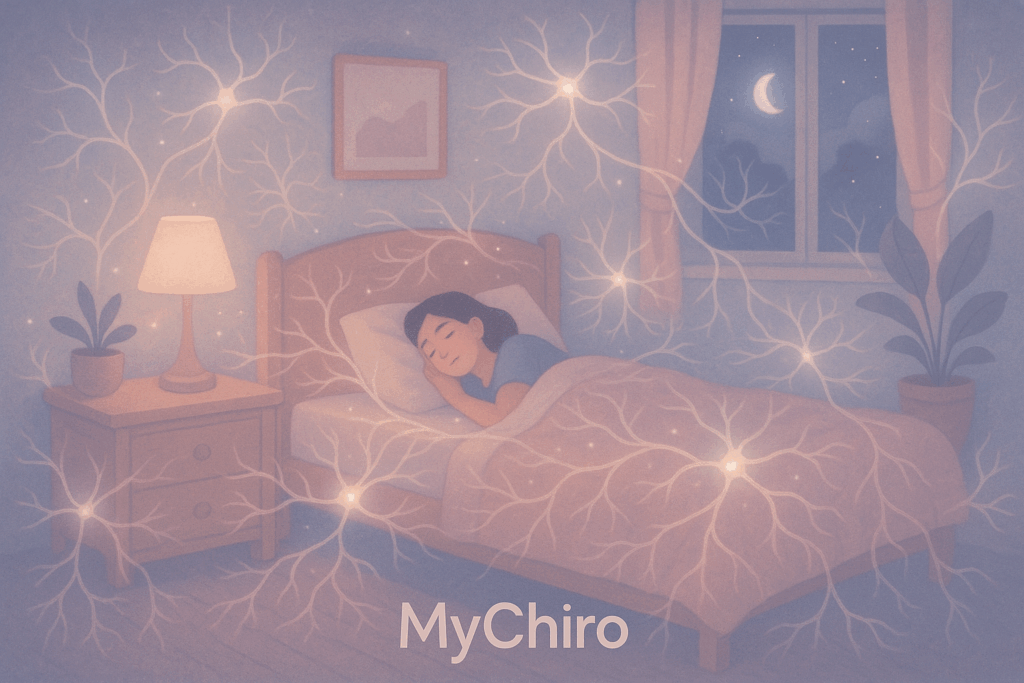
Sleep supports attention, memory, mood and physical health. Poor sleep can affect daily life, but tiredness or tension does not by itself show damage to the nervous system. Persistent sleep difficulty deserves assessment of its possible causes.
Here’s what you need to know:
- Sleep supports learning, memory and normal daily functioning.
- Non-REM and REM sleep involve different patterns of brain and body activity.
- Poor sleep can affect concentration, mood and how pain is experienced; symptoms do not diagnose a hormone disorder.
- A comfortable room and manageable routine may help, but persistent insomnia may need specific treatment.
Good sleep matters for health. Consider practical habits and seek appropriate advice if sleep problems persist or affect your safety.
Dr. Matt Walker: The Biology of Sleep & Your Unique Sleep Needs | Huberman Lab Guest Series
Sleep and Brain Function
The brain remains active during sleep. Sleep supports several aspects of health, but it should not be described as a guaranteed nightly repair of every neurological problem.
Research continues into how sleep relates to brain fluid movement and waste clearance. These mechanisms do not provide a way to diagnose a sleep problem from posture or establish a benefit from spinal adjustments.
Sleep Stages and Brain Recovery
Non-REM sleep includes three stages, with different patterns of brain activity. Deep sleep is one of these stages; sleep is not simply a period when the brain switches off for repair.
Sleep supports memory and learning. During REM sleep, the brain is active and vivid dreaming is common. No single stage acts as a complete reset of emotions or mental health.
Neuroplasticity describes the brain’s ability to change and adapt. Research about sleep and brain function should not be used to promise recovery from a neurological condition through a particular routine or treatment.
Sleep and Autonomic Activity
The autonomic nervous system includes the sympathetic nervous system and the parasympathetic nervous system. Their activity changes with many factors, including sleep stage. This is more complex than switching between two whole-body modes.
Autonomic activity during sleep is not a simple marker of whether someone needs treatment. A headache or muscle tension does not show that the body has failed to enter a recovery state.
Heart rate variability describes variation in the timing between heartbeats. It has several influences, and a wearable reading is not a stand-alone diagnosis of stress resilience or nervous-system health.
Body temperature is involved in the sleep-wake pattern, but stiffness on waking cannot be attributed to failed overnight cooling. Persistent symptoms need assessment in their own right.
Treat sleep concerns as symptoms to understand, not evidence that the nervous system is wearing out. Your GP can help assess the pattern and appropriate next steps.
This article is for general educational purposes only and is not a substitute for personalised healthcare advice. Please consult a registered health practitioner.
What Happens When You Don’t Sleep Well
Poor sleep can affect how you feel and function. If it is persistent or disruptive, an assessment can consider health conditions, medicines, stress and daily routines.
These effects go beyond just feeling tired – they directly impact how you think and feel.
Stress, Fatigue, and Mental Performance
Sleep and the stress response interact, but feeling tired or irritable does not establish an abnormal cortisol level. Hormone concerns need appropriate medical assessment.
Sleep deprivation also messes with your brain’s prefrontal cortex, which is key for decision-making, focus, and memory. Even a single night of poor sleep – or a few days of getting less sleep than you need – can noticeably affect how you think and move.
Your nervous system’s ability to process sensory input can also suffer. This might make you more sensitive to pain, increase muscle tension, and reduce coordination. You may find yourself feeling clumsy or more prone to minor accidents.
On top of that, lack of sleep disrupts emotional balance, making you more irritable and less able to manage stress. While these short-term effects are frustrating, long-term sleep deprivation can lead to even bigger health concerns.
Higher Risk of Health Problems
If poor sleep becomes a habit, it can seriously interfere with how your nervous system and immune system function. Over time, this makes you more vulnerable to illnesses and slows down your recovery from injuries.
Long-term sleep problems are associated with cardiovascular and other health risks. This is a reason to seek appropriate care, not evidence that a poor night of sleep has caused heart damage.
Your metabolism doesn’t escape unscathed either. Poor sleep can disrupt the hormones that control hunger and fullness, leading to cravings for high-calorie foods. It can also affect how your body manages blood sugar, raising the likelihood of developing type 2 diabetes.
Researchers continue to investigate sleep and long-term brain health. This research does not establish a need for chiropractic treatment to prevent neurological disease.
Chronic pain conditions often worsen with insufficient sleep. Whether it’s headaches, neck tension, or back pain, these issues can become harder to manage without restorative rest.
Finally, sleep is crucial for tissue repair, muscle recovery, and cell regeneration. Without it, your body becomes more prone to injuries and illnesses, leaving you feeling run down and less resilient.
This article is for general educational purposes only and is not a substitute for personalised healthcare advice. Please consult a registered health practitioner.
sbb-itb-585d67d
How to Sleep Better for Nervous System Health
Small changes to comfort and routine may be useful. They do not guarantee recovery of the nervous system or replace specific treatment for a sleep disorder.
Sleep Habits and Daily Adjustments
A comfortable sleep environment can help you settle. Aim for a temperature that feels comfortable, with light and noise managed where practical. There is no single bedroom temperature that guarantees normal hormones or deep sleep.
Screen use can interfere with winding down. Consider reducing stimulating content and bright screens before bed. A blue-light filter should not be treated as a solution to persistent insomnia.
A regular sleep routine may be useful, with a consistent waking time where practical. Shift work, caring responsibilities and health conditions may require individual advice.
Caffeine affects people differently and can interfere with sleep. Consider limiting it later in the day. Herbal products are not automatically safe or effective sleep treatments; check them with a pharmacist or doctor if needed.
A wind-down routine might include reading, quiet music or a relaxation activity you find helpful. It can be a practical habit without a promise of switching on particular hormones.
Exercise and Natural Sleep Techniques
Physical activity suited to your health can support wellbeing. If late exercise makes it harder to settle, try an earlier time. There is no universal three-to-four-hour rule that suits every person or activity.
Daylight exposure, especially in the morning, can support a regular sleep-wake pattern. Choose a practical routine and follow sun-safety advice; a fixed number of minutes is not a guaranteed treatment.
Comfortable, slow breathing may help you settle. Avoid forcing deep breaths or prolonged breath holds, and stop if you feel dizzy or unwell.
Progressive muscle relaxation may help some people unwind. Use gentle effort, avoid tensing painful areas and stop if symptoms worsen.
Magnesium is an essential nutrient found in foods including nuts, seeds, legumes and leafy greens. Evidence for supplements as an insomnia treatment is limited. Discuss supplements with a doctor or pharmacist, especially if you have a medical condition or take medicines.
Persistent insomnia may need care beyond general sleep habits. Cognitive behavioural therapy for insomnia is a recommended first-line treatment for chronic insomnia.
Care for a Separate Back or Neck Complaint
If pain makes it difficult to rest, an assessment may help identify options for that pain. Ordinary spinal posture does not establish nerve interference or explain a sleep disorder.
Musculoskeletal chiropractic care may involve advice, exercise, manual therapy or referral, depending on the findings. Discuss expected benefits, uncertainty, risks and alternatives for the specific complaint being assessed.
Neck discomfort and headaches can have several causes and may occur alongside poor sleep. Assessment should consider those symptoms without promising that an adjustment will restore normal sleep.
Work and activity habits may be discussed for comfort. A posture difference alone does not diagnose autonomic imbalance or a need for regular spinal correction.
Chiropractic adjustments are not an established treatment for insomnia, stress recovery or a presumed nervous-system imbalance. Sleep care and a separate musculoskeletal plan should each have a clear purpose.
At MyChiro in Bondi Junction, new patients can book a free initial consultation about back pain, neck pain or headaches. Same-day treatment is optional, costs $125 and is offered only if clinically appropriate, with no obligation to proceed.
This article is for general educational purposes only and is not a substitute for personalised healthcare advice. Please consult a registered health practitioner.
Making Sleep a Priority for Your Health
Sleep is important for daily function and wellbeing. Persistent sleep problems should be assessed without assuming that toxins, blocked nerve pathways or spinal alignment explain them.
Stress, pain and poor sleep can influence one another. Tell your clinician about each concern so that the plan can consider relevant causes and appropriate support.
Choose a comfortable room temperature and reduce disruptive light or noise where practical. A colder room is not automatically better for sleep.
Your daily habits also play a key role in how well you sleep. Instead of rehashing previously discussed routines, focus on sticking to consistent schedules and managing screen time as highlighted earlier.
Persistent physical discomfort can be assessed separately. If sleep remains poor even when you are comfortable, or you have breathing pauses or daytime sleepiness, discuss medical sleep assessment.
"We are creatures of habit and finding ways to internalize a routine is the path to success." – David Rosen, MD, Sleep Medicine Physician
A realistic routine and appropriate care can support your health. Do not drive when sleepy, and seek advice if sleep symptoms affect daily life or safety.
This article is for general educational purposes only and is not a substitute for personalised healthcare advice. Please consult a registered health practitioner.
FAQs
When should I seek advice about poor sleep?
Stress, poor concentration, forgetfulness or slower reactions may occur with poor sleep but can have other causes. Concerns about blood pressure or persistent distress should be discussed with a clinician rather than self-diagnosed as nervous-system imbalance.
Speak with your GP if symptoms persist, worsen or interfere with daily life. Mention medicines, pain, snoring, breathing pauses and daytime sleepiness so the assessment can consider the wider picture.
How can I make my sleep environment more comfortable?
Practical Sleep Habits
A comfortable temperature, suitable bedding and less disruptive light or noise may help you settle. These measures do not need to meet one exact temperature range or involve an expensive product.
Establishing a consistent sleep schedule is equally important. Try to go to bed and wake up at the same time every day, even on weekends. A calming pre-bed routine, like reading a book or practising meditation, can signal to your body that it’s time to wind down. On the flip side, avoid screens and stimulating activities during the hour before bedtime. This gives your mind the chance to relax naturally.
These habits may help, but persistent insomnia can need specific treatment. Ask about options such as CBT-I rather than repeatedly changing products or relying on adjustments.
Can better sleep really help reduce chronic pain and stress?
Pain, stress and sleep can affect one another. Addressing a sleep problem may be part of a broader care plan, but better sleep is not a guaranteed cure for persistent pain or a mental health condition.
Discuss the concerns that matter to you and agree on suitable treatment and review. A sleep clinician, GP, mental health professional or musculoskeletal clinician may have different roles depending on the findings.