

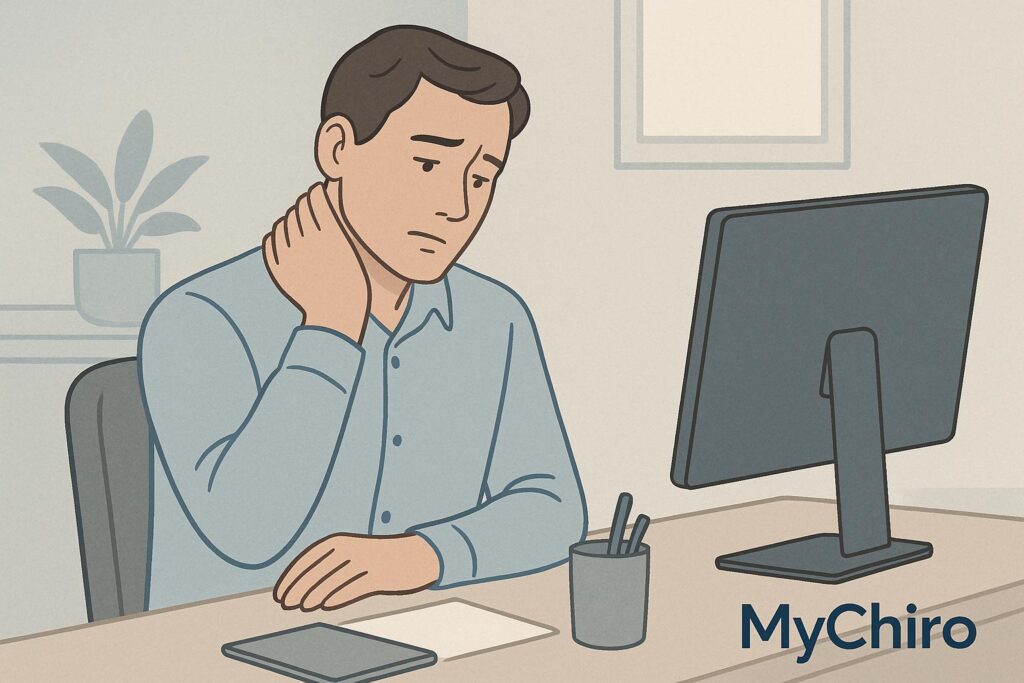
Understanding Neck Strain and How to Prevent It
Neck discomfort is something many of us deal with, especially if we’re glued to screens or hunched over desks all day. Poor posture, long hours on devices, and even the way we sleep can quietly build tension in our muscles. Over time, this stress adds up, leaving us with stiffness or nagging pain that’s hard to shake.
Why Assessing Your Risk Matters
Taking a moment to evaluate your habits can be a game-changer. A tool like a neck strain evaluation helps spotlight the little things—like an unadjusted chair or skipping breaks—that might be contributing to your discomfort. By identifying these factors, you’re better equipped to make tweaks that support your body.
Small Changes, Big Impact
Prevention doesn’t have to be complicated. Simple adjustments, such as raising your monitor to eye level or setting a timer to stand and stretch, can ease the burden on your neck. Pair that with mindfulness about how you sit or sleep, and you’re already on your way to feeling better. The key is consistency—small, daily habits can protect your neck health for the long haul. If you’re curious about your own risks, a quick check-in with a targeted assessment could point you in the right direction.
FAQs
How accurate is this neck strain assessment?
This tool isn’t a medical diagnosis, but it’s built on common risk factors for neck strain, like posture, device use, and workspace setup. It gives you a solid starting point to understand what might be causing discomfort. Think of it as a helpful guide—if you’re experiencing persistent pain, though, it’s always best to chat with a healthcare pro for a deeper look.
Can I trust the tips provided to help my neck pain?
Absolutely, the tips are based on widely accepted ergonomic and health practices, like adjusting monitor height or taking regular breaks. They’re practical and easy to implement, designed to target specific issues from your answers. That said, everyone’s body is different, so if something doesn’t feel right, listen to your instincts and consult a specialist.
How long does the assessment take to complete?
It’s super quick—usually just 2-3 minutes. You’ll answer a handful of straightforward questions about your habits, like how long you’re on devices or your sleeping position. Then, boom, you’ll get your results and tips right away. It’s a small time investment for insights that could make a big difference.


