

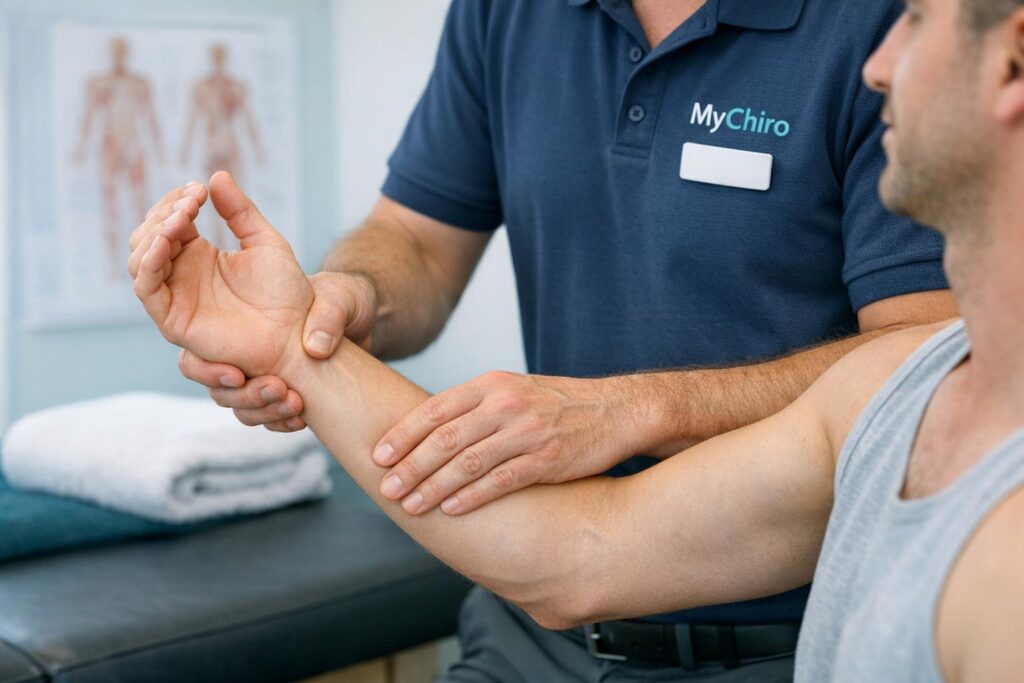
Active Release Technique (ART) is a hands-on therapy designed to address chronic pain caused by soft tissue restrictions. By combining targeted pressure with specific patient movements, ART aims to break down scar tissue (adhesions), improve mobility, and reduce pain. It’s particularly effective for musculoskeletal issues like lower back pain, carpal tunnel syndrome, and frozen shoulder.
Key Points:
- What It Does: Targets scar tissue in muscles, tendons, nerves, and fascia to restore natural movement and reduce discomfort.
- Who It Helps: Athletes, office workers, and individuals with repetitive strain injuries or nerve entrapment syndromes.
- How It Works: A certified practitioner applies pressure while guiding you through movements to release tissue restrictions.
- Session Insights: Each session lasts 15–45 minutes, depending on the condition, with most issues improving in 2–4 weeks.
Studies show ART can provide pain relief and improve mobility in just a few sessions, making it a practical option for managing chronic pain. Always consult a certified ART provider to ensure safe and effective treatment tailored to your needs.
How Active Release Technique Works & How It Can Releases Scar Tissue
sbb-itb-585d67d
What is Active Release Technique (ART)?
Active Release Technique (ART) is a hands-on therapy designed to treat soft tissue problems in muscles, tendons, ligaments, fascia, and nerves. Unlike passive treatments where you remain still, ART is interactive – you actively move the affected area while the practitioner applies specific tension to the problem tissue.
The focus of ART is on adhesions, which are bands of scar tissue that develop from injuries, repetitive strain, or reduced oxygen supply to tissues. These adhesions can trap nerves, limit movement, and cause ongoing pain. By breaking down this scar tissue, ART works to restore normal tissue movement, improve blood flow, and increase flexibility. Practitioners assess the texture, tightness, and movement of soft tissues to locate restrictions. Then, they apply tension as you perform guided movements to release the tissue.
How ART Works
The process behind ART is both simple and precise. The practitioner applies pressure to specific areas of dysfunction – whether it’s a muscle, tendon, ligament, fascia, or nerve. While maintaining this pressure, you move the affected body part through a defined range of motion. This coordinated action stretches the tissue, helping to break down adhesions and restore movement.
ART is designed to treat over 450 specific structures in the body, allowing for highly focused care that addresses the underlying cause of musculoskeletal problems rather than just managing symptoms. Recognised by OSHA since 2006 as a first-aid solution for workplace musculoskeletal issues, ART has also shown a 93% success rate in reducing pain, according to clinical data.
Who May Benefit from ART?
ART can help a wide variety of people dealing with musculoskeletal pain. Athletes often use it to recover from issues like hamstring strains, shin splints, or shoulder stiffness. Office workers suffering from repetitive strain injuries – such as carpal tunnel syndrome or neck pain caused by poor posture – might also find relief through ART.
It’s particularly effective for those with nerve entrapment syndromes like sciatica or numbness, as it can release nerves trapped by scar tissue. ART is also commonly used for conditions like chronic lower back pain, plantar fasciitis, tennis elbow, frozen shoulder, and tension headaches. Additionally, it can help prevent injuries for people in physically demanding jobs or those who perform repetitive tasks.
Here’s a quick summary of conditions ART may address:
| Condition Category | Specific Issues That May Respond to ART |
|---|---|
| Upper Body | Tension headaches, chronic neck pain, frozen shoulder, tennis elbow |
| Nerve Entrapment | Carpal tunnel syndrome, sciatica, numbness and tingling |
| Lower Body | Plantar fasciitis, shin splints, knee pain, hip pain, hamstring strains |
| General | Lower back pain, bursitis, joint inflammation, muscle weakness |
How ART May Help Manage Chronic Pain
Chronic pain often lingers when underlying soft tissue problems go untreated. Unlike treatments that only mask symptoms, Active Release Techniques (ART) aim to tackle the root causes. By focusing on restoring tissue glide, ART addresses three key factors: adhesions that limit movement, nerve dysfunction caused by trapped nerves, and poor movement patterns that worsen the issue. Let’s break down how ART works in each area.
Breaking Down Soft Tissue Adhesions
Adhesions are thick, scar-like tissues that stick layers of muscles, fascia, tendons, and ligaments together. This lack of independent movement causes friction with every motion, leading to pain, stiffness, and reduced flexibility. ART uses precise tension and guided movements to target these adhesions, helping to free up tissue layers.
By restoring normal tissue glide, ART reduces friction and mechanical irritation, allowing muscles and joints to move naturally. A 2013 clinical study showed that patients with chronic lower back pain who underwent ART sessions twice a week for three weeks reported a notable decrease in pain intensity.
Supporting Nervous System Function
Sometimes, nerves become trapped within scar tissue, causing pain, numbness, or muscle weakness – even after the original injury has healed. ART practitioners are trained to locate these restrictions and use specific techniques from a library of over 500 moves to release the trapped nerves.
This process not only restores proper nerve function but also improves blood flow, ensuring tissues receive the oxygen they need. Better oxygenation can help prevent the formation of more scar tissue. A 2006 pilot study on carpal tunnel syndrome found that patients treated with ART targeting the median nerve three times a week for two weeks experienced significant improvements in both symptoms and functionality.
Improving Posture and Movement Patterns
Restricted tissues often lead to poor posture and compensatory movements. For example, long hours at a desk can result in forward head posture and rounded shoulders, creating imbalances that contribute to ongoing neck and back pain. ART helps by releasing tight tissues and promoting balanced movement.
When tissues and joints regain their full range of motion, the body can naturally align itself better. This can break the cycle of compensation and re-injury that fuels chronic pain. A systematic review of nine studies found that six showed significant reductions in pain levels, while another six reported improved range of motion after ART treatments.
What Happens During an ART Session
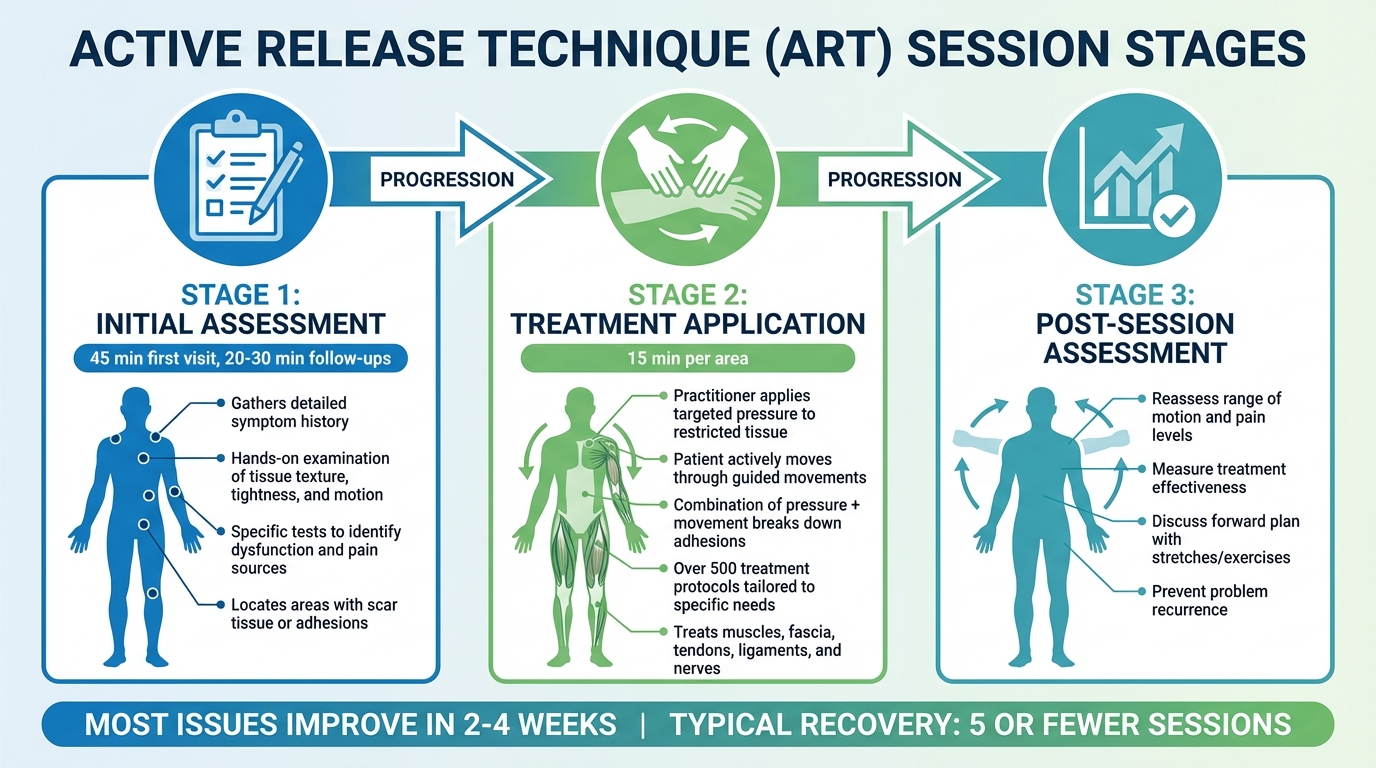
How Active Release Technique Works: 3-Step Treatment Process
Understanding what to expect during an ART session can help you feel more prepared. These sessions combine both assessment and treatment, typically lasting 20–30 minutes for follow-ups or around 45 minutes for your initial visit.
Initial Assessment
The session starts with your practitioner gathering a detailed history of your condition. They’ll ask about symptoms like numbness, tingling, or limited movement. Using their hands, they’ll then examine the texture, tightness, and motion of your muscles, fascia, tendons, ligaments, and nerves. This hands-on approach helps locate areas where scar tissue or adhesions might be disrupting normal tissue movement.
To narrow down the issue, your practitioner may also perform specific tests designed to recreate your pain and identify the source of dysfunction. This careful evaluation ensures that the treatment focuses on the exact problem areas. Once these areas are identified, the session moves into the treatment phase.
Applying Pressure and Movement
After pinpointing the restricted tissues, your practitioner applies targeted pressure to the affected area. Unlike a traditional massage, ART involves your active participation. While the practitioner maintains pressure, you’ll be guided through specific movements designed to stretch and lengthen the tissue being treated.
This combination of pressure and movement is what makes ART unique. It works to break down adhesions and restore normal tissue movement. With over 500 treatment protocols available, the session is tailored specifically to your needs. Treating a single area often takes just 15 minutes.
Post-Session Assessment
Once the treatment is complete, your practitioner will reassess your range of motion and pain levels to gauge the session’s effectiveness. They’ll also discuss a plan moving forward, which may include stretches or strengthening exercises to help prevent the problem from recurring.
Potential Benefits of ART for Chronic Pain
Pain Reduction
ART (Active Release Techniques) aims to address chronic pain by focusing on soft tissue adhesions rather than just covering up the symptoms. Breaking down scar tissue can help tissues glide more smoothly, which may ease pressure on nerves. For instance, a systematic review of nine studies found that six of them reported noticeable pain relief after ART treatments.
This improvement has also been observed in workplace settings. In 2023, the Prysmian Group implemented an ART On-Site Wellness program for its employees, leading to an 86% reduction in reported pain levels and saving an estimated $600,000 annually in injury prevention and workers’ compensation costs. Similarly, Serta Simmons Bedding partnered with ART Elite Providers to tackle musculoskeletal issues, achieving an 89% drop in workers’ compensation expenses by addressing soft-tissue problems before they escalated.
Reducing pain in this way can also open the door to better overall movement and functionality.
Improved Mobility and Function
ART works by releasing trapped soft tissues, allowing muscle layers, tendons, and fascia to move more freely. This can result in improved flexibility and joint function. Research shows that even a single ART session can significantly boost flexibility, especially in areas like the hamstrings. In the same systematic review mentioned earlier, all studies evaluating range of motion reported notable improvements after ART treatments.
With muscles and connective tissues moving more freely, everyday actions like bending, lifting, or reaching can become easier and less uncomfortable. Better movement can also reduce compensatory patterns – movements your body might adopt to avoid pain – that can lead to additional strain or injuries.
This improved mobility may play a role in supporting ongoing recovery and overall tissue health.
Supporting Long-Term Recovery
ART can aid long-term recovery by enhancing circulation and oxygen flow to damaged tissues, which helps the body heal naturally. By addressing adhesions early and maintaining tissue health, ART may prevent minor restrictions from turning into chronic issues. Many musculoskeletal conditions treated with ART reportedly show improvement in fewer than four sessions, making it a time-efficient option for recovery.
Things to Consider Before Starting ART
Before diving into Active Release Techniques (ART), make sure your practitioner is a certified "ART Certified Provider". This certification isn’t just handed out – it involves a rigorous process of online coursework, hands-on seminars, and mastering a wide range of treatment protocols. Only licensed healthcare professionals, like chiropractors, physical therapists, or medical doctors, can earn this credential. Plus, they have to renew it annually by passing tests to maintain their expertise.
During and after treatment, you might feel mild discomfort or soreness, similar to what you’d experience after a workout. This happens because the practitioner applies targeted pressure to adhesions while guiding you through specific movements to break up scar tissue. While this sensation is expected, it should never cross into severe pain. If it does, let your provider know right away.
The number of sessions you’ll need depends on your condition. Most soft-tissue issues resolve within five or fewer treatments, and many people notice improvements within two to four weeks. However, chronic or severe conditions might require more sessions or ongoing therapy to fully restore movement and address inflammation. Factors like the extent of scar tissue, the severity of your condition, and your overall health history all play a role in how quickly you recover.
Sessions are typically short – around 15 minutes – though your first visit may take up to an hour for a thorough assessment and personalised treatment plan. The good news? There’s usually no downtime after a session, and many people feel relief immediately or within a day.
If you’re dealing with persistent or severe chronic pain, consider seeking out an "ART Elite Provider". These practitioners represent the top 2% of ART-certified professionals and deliver the highest level of care. You can verify a provider’s certification through the official ART Provider Directory. It’s also smart to check if they’re certified in the specific area of your injury, as some practitioners specialise in particular body regions.
Taking these steps ensures your ART treatment is tailored to your needs, safe, and aligned with your recovery goals.
Conclusion
Active Release Technique (ART) focuses on addressing chronic musculoskeletal pain by targeting restricted soft tissues. By breaking down adhesions in muscles, tendons, ligaments, and fascia, ART can help improve mobility, ease stiffness, and support the body’s ability to heal itself. It may also reduce symptoms like numbness, tingling, and weakness that often accompany these conditions.
Studies suggest that ART can lead to noticeable reductions in pain and improvements in range of motion, sometimes within just a few sessions. For instance, a 2022 systematic review highlighted ART’s effectiveness in improving both pain and mobility across various musculoskeletal conditions, pointing to its role in a broader pain management plan. However, achieving these results depends on proper application by a skilled practitioner.
To determine if ART is suitable for your needs, consult a licensed healthcare professional. It’s essential to work with an ART Certified Provider, as they have undergone specialised training to safely apply these techniques.
For the best results, ART works well when combined with other methods. Strengthening exercises, stretching routines, and lifestyle adjustments, as discussed earlier, can complement ART and promote long-term recovery. Additionally, working with a qualified chiropractor may help integrate ART with other therapies, offering a more well-rounded approach to improving comfort and function.
This information is general in nature and does not replace professional medical advice.
Chiropractic care focuses on musculoskeletal health, and results may vary between individuals.
Always consult a qualified healthcare professional before making decisions about your health.
FAQs
Is ART painful?
Active Release Technique (ART) is widely regarded as safe when administered by a trained professional. While some individuals might feel slight discomfort during the process, it’s typically not considered painful. The intensity of the sensation often depends on the person and the specific area being treated.
How do I know if ART is right for my pain?
Active Release Technique (ART) is a therapy that may help ease pain linked to soft tissue restrictions, such as adhesions, scar tissue, or muscle tightness. By addressing these issues, ART could improve mobility and reduce discomfort, making it a potential option for managing chronic pain. That said, outcomes can differ from person to person. It’s important to consult a qualified healthcare professional who can evaluate your specific condition and goals. While ART is commonly regarded as safe when performed by a trained practitioner, personalised guidance is crucial for the best results.
Can ART be combined with exercise or chiropractic care?
Active Release Technique (ART) is designed to target soft tissue restrictions that result from overuse or injury. It often works well alongside exercise or chiropractic care to improve musculoskeletal health. For instance, combining ART with movement therapies or chiropractic adjustments can help improve flexibility and range of motion. To find the best approach for your needs, it’s important to consult a qualified practitioner.