
Uncover the Link Between Stress and Physical Tension
In today’s fast-paced world, stress is almost unavoidable. Whether it’s deadlines at work or personal challenges at home, mental strain often creeps into our bodies, showing up as tightness or discomfort. If you’ve ever wondered why your shoulders feel like rocks after a tough day, you’re not alone. Understanding how emotional pressure translates to physical aches can be a game-changer for managing your well-being.
Why Your Body Feels the Weight of Stress
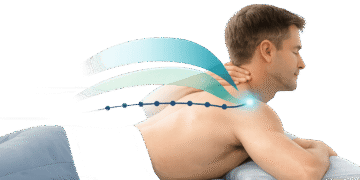
When stress hits, your muscles tense up as a natural defense mechanism. This can lead to persistent soreness in areas like your neck or lower back, especially if you’re dealing with frequent anxiety. Tools that help you map out these connections—like a stress-to-tension calculator—can shed light on what’s happening beneath the surface. By identifying specific triggers and affected areas, you’re better equipped to tackle the root cause.
Small Steps to Big Relief
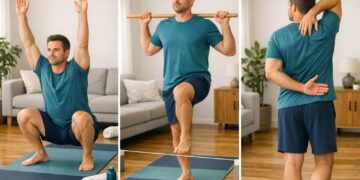
The good news? You don’t need hours or expensive treatments to start feeling better. Simple practices, tailored to where you hold tension, can work wonders. From guided breathing to targeted stretches, taking a moment to address bodily strain can reset your day. Explore ways to ease that burden and reclaim your comfort with practical, everyday solutions.
FAQs
How does stress cause physical tension in my body?
When you’re stressed, your body goes into a ‘fight or flight’ mode, releasing hormones like cortisol that can tighten your muscles as a protective response. Over time, if stress sticks around, those muscles don’t fully relax, leading to pain or stiffness in areas like your neck, shoulders, or back. Think of it as your body holding onto that tension until you give it a signal to let go, which is where relaxation techniques come in handy.
Can this tool really help me feel less tense?
Absolutely, though it’s not a magic fix. The Stress Tension Converter helps you pinpoint where stress might be hitting your body hardest by looking at your inputs—like stress frequency and tension spots. Then, it offers targeted suggestions, like specific stretches or breathing exercises, that match your needs. Many users find that just understanding the connection between stress and tension, plus trying a few tailored tips, makes a noticeable difference.
Do I need any special skills or equipment to use the relaxation tips?
Nope, not at all! The techniques we suggest are designed to be simple and doable for anyone, anywhere. Whether it’s a quick breathing exercise at your desk or a gentle shoulder roll while watching TV, you won’t need fancy gear or prior experience. We keep it practical so you can focus on feeling better without adding more stress to your plate.