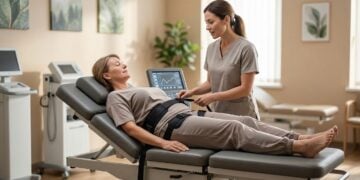


Chiropractic care for osteoporosis patients means adapting standard spinal assessment and manual therapy to account for reduced bone density, and it only belongs in a care plan once a GP or endocrinologist has reviewed the diagnosis and current DEXA scan results. This guide sets out what a modified, low-force approach can involve, where the caution lines sit, and what to ask before booking a first visit in 2026.
- Chiropractic care for osteoporosis patients relies on low-force techniques and requires GP clearance before any adjustment begins.
- Chiropractic does not manage osteoporosis itself; it may support posture and joint mobility alongside medical treatment.
- High-velocity spinal manipulation is generally avoided once bone density scores fall into osteopenia or osteoporosis ranges.
- Mychiro in Bondi Junction can discuss a modified assessment plan once your DEXA results and GP referral are on file.
- Nutrition, weight-bearing exercise and fall-prevention habits sit alongside any chiropractic-adjacent care for bone health in 2026.
Why chiropractic care matters for osteoporosis patients
Osteoporosis changes the risk calculation for any hands-on spinal work. A T-score in the osteoporosis range means bones fracture more easily under load, so the same manual thrust that's routine for a younger patient with no bone density issues carries a different risk profile here. That's why people searching for a chiropractor for osteoporosis usually aren't asking a generic back-pain question — they're asking whether manual therapy is appropriate at all, and what has to change if it is.
The honest answer: chiropractic care does not treat, manage or reverse osteoporosis itself. Bone density loss is a metabolic condition managed through medication, nutrition and GP or endocrinology follow-up. What a chiropractor can discuss, following assessment, is whether modified techniques might support posture, joint stiffness or general mobility alongside that medical plan. Patients dealing with related joint stiffness as they age often start from a similar assessment conversation — see chiropractic care for seniors with joint stiffness for how that intake process typically runs.
Building a chiropractic-adjacent plan for osteoporosis
The sequence below moves from the medical groundwork you need before any hands-on care, through to what a modified visit can look like.
1. Get medical clearance before your first adjustment
No chiropractor should proceed without knowing your bone density status in detail.
- Ask your GP for a copy of your most recent DEXA scan and T-score
- Request written clearance if you take bisphosphonates or another bone-density medication
- Flag any recent fracture, compression fracture or vertebral collapse
- Bring imaging reports to your first chiropractic assessment
- Confirm with your GP whether high-velocity manipulation is off the table for your case
2. Share your full diagnosis history at intake
A chiropractor can only plan around what you disclose.
- Note the year of diagnosis and current T-score range (osteopenia versus osteoporosis)
- List all bone-related medications, including calcium and vitamin D supplements
- Mention any falls or near-falls in the past 12 months
- Disclose family history of hip or vertebral fracture
- Raise any long-term steroid use, since it lowers bone density further
3. Ask about modified, low-force technique options
This is the conversation that determines whether manual therapy is appropriate at all.
- Instrument-assisted adjustment (activator-style tools) instead of manual thrust
- Soft-tissue and mobilisation work in place of high-velocity manipulation
- Gentle joint mobility work confined to lower-risk regions only
- A written plan showing which regions are excluded from manipulation
- Scheduled reassessment before any adjustments continue long-term
4. Build a home routine around balance and posture
Most of the day-to-day work happens outside the clinic.
- Weight-bearing exercise most days of the week, following your GP's advice
- Balance drills such as single-leg stands or tai chi-style movement to reduce fall risk
- Posture checks during desk work, since a forward head position loads the thoracic spine
- Gentle core activation rather than high-load spinal flexion movements
- A short daily walk, where mobility allows, to support joint movement
5. Review nutrition for bone-supporting nutrients
Diet doesn't replace medication, but it supports the same goal.
- Calcium-rich foods: dairy, tofu, leafy greens, almonds
- Vitamin D from safe sun exposure and fortified foods, checked against blood levels
- Magnesium sources such as pumpkin seeds and wholegrains
- Protein at each meal to support bone and muscle mass
- Limiting excess alcohol and smoking, both linked to lower bone density
6. Track red flags and know when to stop
Some symptoms need a same-day GP or emergency review, not a chiropractic appointment.
- Sudden new back pain after a minor bump or fall
- Height loss or a new curve appearing in the upper back
- Numbness, tingling or weakness in the arms or legs
- Pain that worsens overnight or doesn't ease with rest
- Any new fracture symptom, however minor it seems
If you're unsure whether a symptom needs a GP visit or a chiropractic assessment, how to know when back pain needs a chiropractor vs a doctor walks through that decision in more detail.
7. Book an initial assessment once clearance is confirmed
Once your GP has signed off, the first chiropractic visit is where the modified plan actually gets built.
- Bring your DEXA report, medication list and GP letter
- Ask which regions will be excluded from manipulation
- Confirm how progress will be reviewed over the following weeks
- Ask how the plan changes if a new fracture risk gets flagged
- Set a follow-up GP review date to reassess bone density trends through 2026
Comparing your options
| Option | Best for | Key limitation |
|---|---|---|
| Modified chiropractic assessment (low-force) | Patients with osteopenia or osteoporosis wanting posture and mobility support alongside medical care | Does not manage bone density loss itself; needs GP clearance first |
| GP or endocrinology management | Monitoring T-scores, medication and fracture risk over time | Doesn't address day-to-day joint stiffness or posture load |
| Physiotherapy-led exercise program | Building bone-loading exercise tolerance and balance | Progress depends on consistency and often needs coordination with a chiropractor for joint-specific concerns |
| Combined GP, physio and modified chiropractic plan | Patients wanting posture, mobility and bone-density management addressed together | Requires more appointments and coordination between providers |
A modified chiropractic assessment is one piece of a bone-health plan, not a replacement for GP-led monitoring of osteoporosis itself.
Common mistakes osteoporosis patients make
- Skipping the DEXA scan and booking manual therapy on the assumption it's "just a stiff back"
- Not disclosing bone-density medication, including bisphosphonates, at intake
- Assuming every technique is automatically ruled out without actually asking a chiropractor what's on the table
- Treating chiropractic visits as a substitute for ongoing GP monitoring of bone density
- Ignoring fall-risk factors at home, such as loose rugs or poor lighting, while focusing only on clinic visits
FAQ
Is chiropractic safe for osteoporosis patients?
Chiropractic care for osteoporosis patients typically means avoiding high-velocity spinal manipulation and using modified, low-force techniques instead, following GP clearance and DEXA review. Whether a specific technique is appropriate depends on your bone density, fracture history and current medications, so a chiropractor needs your full diagnostic picture before any hands-on work begins.
Can chiropractic care help with osteoporosis pain?
Chiropractic care does not treat or manage osteoporosis itself, since bone density loss is a medical condition handled through medication and GP follow-up. What can be discussed, after assessment, is whether modified techniques support posture and joint mobility alongside that medical plan.
What techniques do chiropractors use for osteoporosis?
Instrument-assisted adjustment, soft-tissue work and gentle joint mobilisation are the options typically discussed instead of manual high-velocity thrust once osteoporosis is on file. The exact plan depends on your T-score, fracture history and which regions your GP has flagged as lower-risk.
Do I need a GP referral before seeing a chiropractor for osteoporosis?
A formal referral isn’t always required, but bringing your most recent DEXA scan, T-score and medication list is standard practice before a chiropractor plans any hands-on assessment for osteoporosis. Written GP clearance is worth requesting if you’re on bisphosphonates or have had a recent fracture.
How is chiropractic care different for osteopenia versus osteoporosis?
Osteopenia is a milder reduction in bone density than osteoporosis, so the caution around technique tends to scale with the T-score rather than following a single fixed rule. Either way, disclosing your scan results at intake is what allows a chiropractor to judge which techniques might be discussed.
Can chiropractic adjustments cause fractures in osteoporosis patients?
High-velocity spinal manipulation carries more caution once bone density is reduced, which is exactly why modified, low-force techniques and GP clearance are the standard approach for osteoporosis patients in 2026. This is a conversation to have directly with your chiropractor and GP before any adjustment is performed.
How often should someone with osteoporosis see a chiropractor?
Frequency depends on the modified plan agreed after your first assessment, and it’s usually reviewed alongside your GP’s schedule for monitoring bone density. There’s no fixed interval that applies to every osteoporosis patient.
What should I bring to my first chiropractic appointment if I have osteoporosis?
Bring your most recent DEXA scan and T-score, a full medication list, any GP clearance letter, and a note of recent falls or fractures. This lets the chiropractor build a plan around your actual bone density status rather than guessing.
One last thing
A T-score alone doesn't tell a chiropractor which vertebrae are safer to work with — it's a whole-body or hip-and-spine average, not a region-by-region map. If you're booking a modified assessment in 2026, ask your GP or radiologist for a breakdown by spinal region where one is available, and bring it with your DEXA report. That single detail changes the conversation about which techniques get discussed and which are set aside.
Related guides