

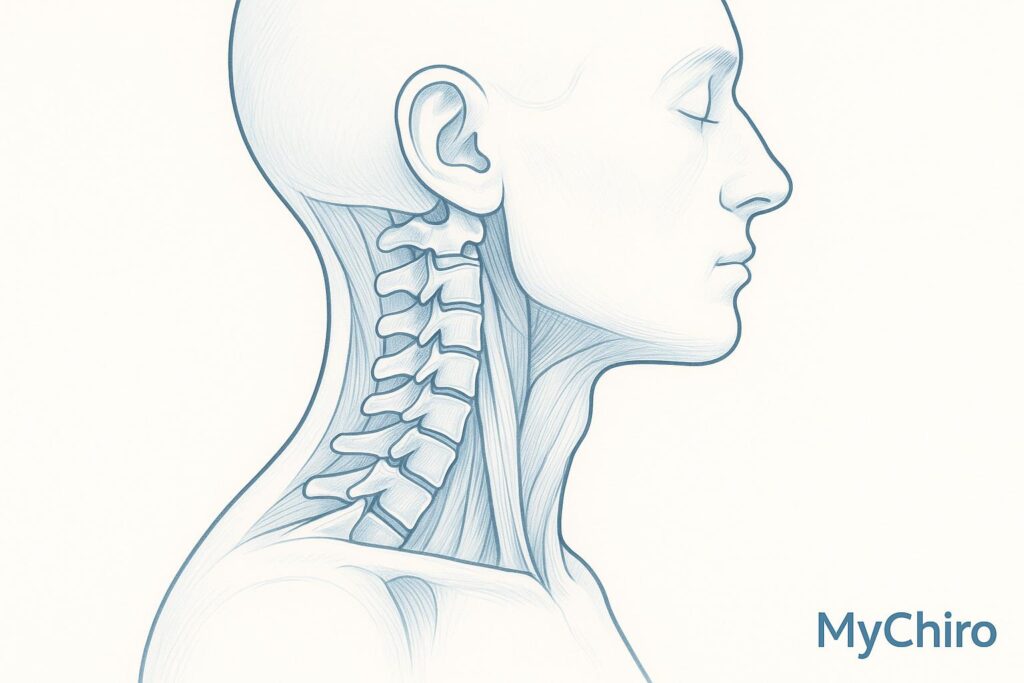
Neck pain is a common yet complex issue that affects millions of people, often interfering with daily life and functional well-being. Whether it stems from poor posture, injury, or underlying conditions, neck pain can manifest in varying forms, from mild discomfort to severe symptoms involving nerve compression. This article explores the intricate causes behind neck pain, highlights diagnostic tests, and outlines effective treatment strategies for those seeking relief and improved quality of life.
What Causes Neck Pain?
Neck pain can arise from a variety of sources, making it essential to pinpoint the underlying cause before determining the best course of action. The video provides a comprehensive breakdown of typical causes:
1. Cervical Disc Herniation
One of the leading causes of neck pain is cervical disc herniation. This occurs when the cushioning discs between the vertebrae in the neck rupture or bulge, placing pressure on nearby nerve roots. Symptoms often include:
- Sudden, shooting pain radiating from the neck to the arm (radiculopathy)
- Numbness or tingling in specific areas of the hand
- Weakness in corresponding muscle groups
The most common sites of herniation are between the C5-C6 and C6-C7 vertebrae, affecting the C6 and C7 nerve roots respectively.
2. Cervical Spondylosis (Arthritis of the Spine)
Cervical spondylosis is a natural degenerative process that occurs as we age, leading to arthritis in the neck. This condition can cause neck stiffness, mild pain, and, in some cases, neurological deficits if left untreated.
3. Cervical Myelopathy
Unlike radiculopathy, cervical myelopathy involves compression of the spinal cord rather than nerve roots. It is a serious condition that progresses gradually and may lead to symptoms such as:
- Gait disturbances or unsteady walking
- Hand clumsiness, difficulty with fine motor tasks (e.g., buttoning a shirt)
- Occipital headaches and general neck discomfort
Early recognition of cervical myelopathy is critical, as prompt surgical intervention can significantly improve outcomes.
4. Whiplash Injuries
Neck trauma from car accidents (whiplash) often results in soft tissue injuries, pain, and muscle spasms. While there are typically no neurological deficits, effective treatment relies on early mobilisation and physiotherapy.
5. Rare Causes
Though uncommon, neck pain may also result from tumours, infections, or systemic illnesses. Warning signs include:
- Persistent pain, especially at night
- Unexplained weight loss
- Fever or chills
Additionally, double crush syndrome can cause simultaneous nerve compression in both the neck and peripheral areas like the wrist (carpal tunnel syndrome) or elbow (cubital tunnel syndrome).
How to Diagnose Neck Pain: Key Tests and Examinations
Proper assessment of neck pain requires a combination of clinical examinations and imaging tests. Here are some of the diagnostic tools discussed in the video:
Clinical Tests
- Shoulder Abduction Test: Lifting the arm above the head can relieve symptoms if the pain originates from the cervical spine, as this movement reduces nerve tension.
- Spurling Test: By extending and rotating the neck toward the side of pain, healthcare professionals can determine whether nerve compression is present.
- Reflex Testing: Reflexes can reveal nerve root involvement, such as hyperreflexia (associated with cervical myelopathy) or diminished reflexes in radiculopathy.
- Hoffman’s Sign: A positive result can indicate upper motor neuron dysfunction, which might point to cervical myelopathy.
Imaging
- MRI Scans: Essential for visualising soft tissue structures like discs and nerves, MRIs can identify herniated discs or signs of arthritis. However, findings must be interpreted carefully, as disc degeneration is common even in asymptomatic individuals.
- X-Rays: Useful for detecting cervical spondylosis or alignment issues, such as loss of cervical lordosis due to muscle spasms.
Treatment Options for Neck Pain
Effective treatment begins with an accurate diagnosis and typically follows a stepwise approach. The video emphasises the importance of starting with conservative, non-surgical methods before considering more invasive interventions.
1. Non-Surgical Treatments
- Medications: Anti-inflammatory drugs and muscle relaxants can alleviate pain and reduce inflammation.
- Physiotherapy: Tailored exercises, including isometric strengthening, help improve mobility and address underlying muscular imbalances.
- Lifestyle Adjustments: Ergonomic corrections, such as using a supportive chair and maintaining proper screen height, can prevent pain from recurring.
2. When to Consider Surgery
Surgical intervention may be necessary for patients with:
- Persistent, disabling pain lasting 6–12 weeks despite conservative treatments
- Significant neurological deficits (e.g., weakness or difficulty walking)
- Conditions like cervical myelopathy, where early surgery improves functionality
Common surgical procedures include decompression and fusion of the affected disc space.
3. Special Considerations for Whiplash
Prompt physiotherapy and early mobilisation are vital for recovery. Passive therapies, such as prolonged immobilisation, should be avoided as they can delay healing.
Key Takeaways
- Identify the Source: Differentiating between neck pain caused by the cervical spine and pain originating from the shoulder is crucial for effective treatment.
- Common Culprits: Cervical disc herniation, spondylosis, and myelopathy are leading causes of neck pain, each requiring unique diagnostic and treatment approaches.
- Conservative First: Non-surgical treatments, including physiotherapy and anti-inflammatories, are successful in most cases of cervical radiculopathy.
- Be Cautious with MRIs: Not all abnormalities detected on scans indicate the source of pain, as many findings are age-related and asymptomatic.
- Surgical Indications: Surgery should be considered for severe cases involving nerve or spinal cord compression, especially when motor function is impaired.
- Early Recognition Matters: For conditions like cervical myelopathy, timely intervention can prevent further deterioration.
Conclusion
Neck pain is a multifaceted issue that often requires a tailored, evidence-based approach to achieve lasting relief. By understanding the underlying causes, performing thorough assessments, and starting with conservative treatment, most patients can experience significant improvement. Whether you’re dealing with discomfort from long hours at a desk or more severe nerve-related symptoms, seeking professional evaluation is the first step toward reclaiming your well-being.
Remember, early recognition and addressing small symptoms before they escalate can make a transformative difference in your quality of life. Prioritising proactive care and taking the time to understand your body’s signals may save you from chronic complications down the road. If you’re struggling with neck pain, don’t ignore it – the path to relief is closer than you might think.
Source: "Neck Pain Causes, symptoms, diagnosis, and Treatment" – nabil ebraheim, YouTube, Apr 14, 2025 – https://www.youtube.com/watch?v=VIwAmfWgNzI
Use: Embedded for reference. Brief quotes used for commentary/review.


