

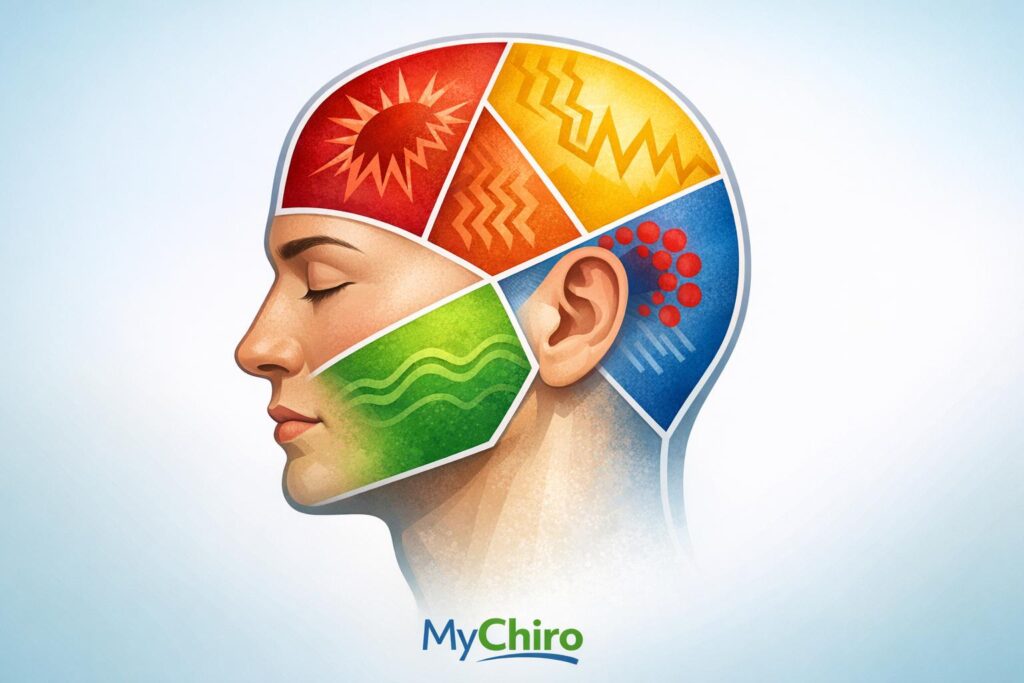
Headaches are a pervasive health issue, affecting millions of lives globally. Yet, they are far from simple. From migraines to tension-type headaches, the nuances in their classification can profoundly influence diagnosis, treatment, and ultimately, patient outcomes. In a recent insightful discussion, leading neurologists shed light on the advancements and challenges in headache science and classification systems. This article unpacks their expert perspectives to help patients, clinicians, and health-conscious individuals better understand this complex but critical topic.
The Importance of Headache Classification
Headaches are not a one-size-fits-all condition. The International Classification of Headache Disorders (ICHD) is the foundation for diagnosing and managing headache disorders. It divides headaches into three main categories:
- Primary Headache Disorders – These include migraines, tension-type headaches, and cluster headaches. They arise without an underlying medical condition.
- Secondary Headache Disorders – Caused by specific underlying conditions, such as head injuries, infections, or vascular issues.
- Neuropathies and Facial Pain – These include trigeminal neuralgia and other nerve-related headaches.
This structured approach allows neurologists to diagnose headaches based on clinical features, history, and sometimes imaging, despite the lack of definitive biomarkers for many conditions.
Why Classification Matters
Headache classification is more than just taxonomy. As Professor Peter Goadsby, a leading expert in neurology, explains, this system underpins all clinical research, trials, and treatment approaches. It also ensures consistency in diagnosis and facilitates global collaboration in improving patient care. However, while the existing framework has been robust for decades, there remain areas ripe for refinement, particularly in reflecting advances in biology and addressing patient-centric concerns.
sbb-itb-585d67d
Key Advances and Challenges in Headache Science
The Role of History-Taking in Diagnosis
A standout point from the discussion was the emphasis on the neurologist’s skill in history-taking. Dr Goadsby highlighted that a thorough history often reveals the nature of a headache, especially in primary headache disorders like migraines. He noted how subtle cues in a patient’s answers – such as hesitation or vague terms like "not really" – can mask critical diagnostic details. This underscores the irreplaceable value of a skilled clinician over reliance on tests or apps alone.
Biomarkers and Biological Insights
One of the criticisms of the current classification system is its limited incorporation of biological markers. While progress in imaging and genetics has offered glimpses into headache biology, these advancements have yet to be fully integrated into diagnostic criteria. For example, functional imaging has provided new insights into the prodromal (early warning) phase of migraines. However, as Dr Goadsby pointed out, this remains an area for future research and refinement.
Debates Over Chronic vs Episodic Migraine
The distinction between chronic and episodic migraines has sparked significant debate. Currently, headaches are classified as chronic if they occur 15 or more days per month. However, this threshold is arbitrary, and many experts argue for a more patient-centred approach that considers factors like attack severity, disability, and treatment response. As Dr Goadsby aptly noted, "Isn’t all migraine chronic?" – a question that challenges the traditional episodic-chronic dichotomy.
Underrecognised Headache Features
Several underappreciated features of migraines, such as fatigue, cognitive impairment, and neck pain, are often overlooked in diagnostic criteria. For instance, neck pain affects approximately 70% of migraine sufferers – significantly more than nausea, a commonly highlighted symptom. This discrepancy underscores the need to evolve classification criteria to capture the full spectrum of migraine experiences.
Collaborative Efforts: Bridging Disciplines
Collaboration across medical disciplines is yielding promising developments. For example:
- Oral-Facial Pain: Strides have been made in aligning headache classifications with oral-facial pain systems, promoting consistency in diagnosis and treatment.
- Vestibular Migraine: While controversial, recognising vestibular symptoms (e.g., vertigo) in migraines is improving communication between neurology and ENT specialists, leading to better patient outcomes.
These efforts reflect the shared goal of refining classifications to improve diagnosis and care for patients across various medical fields.
Medication Overuse Headache: A Stigmatising Term?
A particularly contentious topic is the term "medication overuse headache." Often perceived as blaming patients, the term fails to account for the underlying issue: poorly managed migraines prompting over-reliance on acute treatments. Emerging treatments, such as CGRP inhibitors, are challenging traditional notions of medication overuse by demonstrating effectiveness even in patients previously labelled with this condition. The debate highlights the need for terminology that respects patient experiences while reflecting modern treatment realities.
The Future of Headache Classification
The next iteration of the ICHD is already under discussion, with potential changes on the horizon:
- Reassessing chronic and episodic migraine definitions.
- Refining tension-type headache criteria.
- Addressing overlaps between primary and secondary headaches, such as post-traumatic migraines.
- Exploring how artificial intelligence (AI) can aid diagnosis and classification, particularly in emergency settings.
Patient-Centric Terminology
As the field evolves, there is a growing recognition of the need for patient-friendly language. Clear, relatable terms not only improve communication but also foster trust and understanding between clinicians and patients.
Insights from AI
AI’s potential to assist in headache diagnosis is exciting. By analysing patient language, symptoms, and test results, AI could support clinicians in distinguishing primary from secondary headaches and identifying subtle diagnostic patterns. However, as Dr Goadsby emphasised, AI should complement – not replace – the nuanced judgement of a skilled neurologist.
Key Takeaways
- Headache classification is the cornerstone of diagnosis and treatment, providing a universal framework for clinicians and researchers.
- History-taking remains a vital skill, with the ability to elicit nuanced details often outperforming reliance on tests.
- Biomarker integration is a key area for future refinement, reflecting advances in imaging and genetics.
- The chronic vs episodic distinction in migraines is increasingly questioned, with calls for a more patient-centred approach.
- Collaboration across disciplines is improving understanding and treatment of complex conditions like vestibular migraine.
- Terminology matters: Stigmatising terms like "medication overuse headache" require reconsideration to reflect patient experiences and modern treatments.
- AI holds promise for supporting headache diagnosis but should complement clinical expertise.
Conclusion
The science of headache classification is an ongoing journey, balancing the need for simplicity with the complexity of individual patient experiences. As research evolves, so too must the frameworks we use to diagnose and treat these disorders. By embracing innovation, collaboration, and patient-centred care, the future of headache management promises to bring relief and clarity to millions worldwide.
Source: "Understanding the Classification of Headaches and the Science Behind Them" – Neurology Journal, YouTube, Apr 24, 2025 – https://www.youtube.com/watch?v=6r3gosWMMt8