

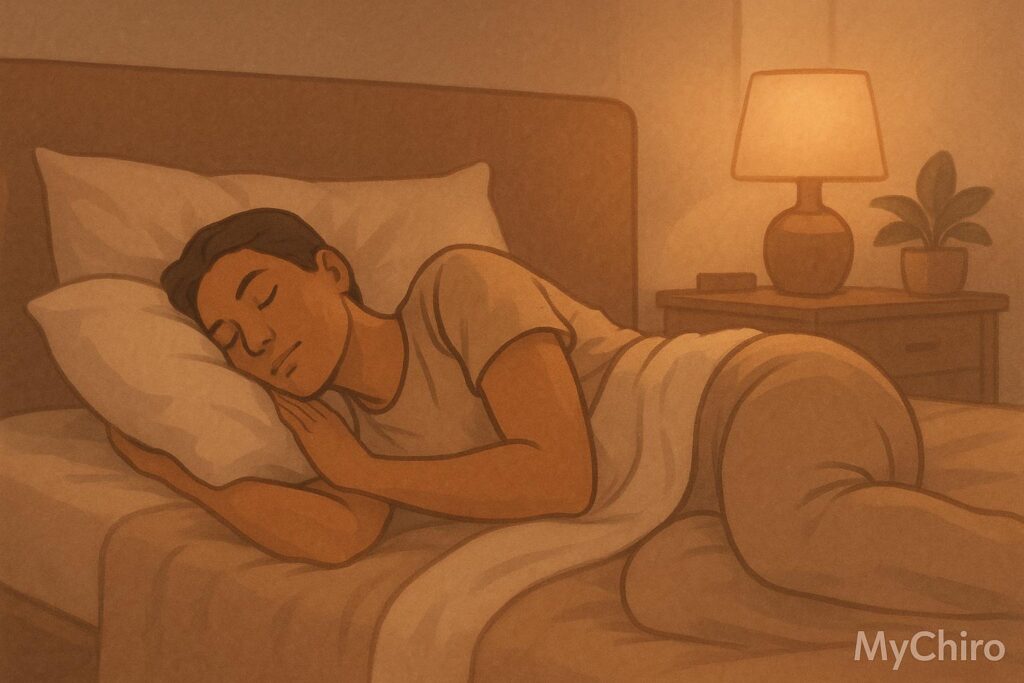
Waking up sore or stiff? Your sleep position might be the reason. Here’s the key takeaway: the way you sleep directly affects muscle tension, spinal alignment, and how refreshed you feel in the morning. Poor sleep posture can lead to pain, fatigue, and even long-term issues like herniated discs. But with a few adjustments, you can wake up feeling better.
Key Points:
- Back sleeping: Best for spinal alignment; reduces pressure points. Use a medium-firm mattress and a pillow under your knees.
- Side sleeping: Popular and supportive but can strain shoulders. Use a thick pillow for neck alignment and one between your knees.
- Stomach sleeping: Worst for your spine; it twists the neck and flattens spinal curves. If unavoidable, skip the pillow under your head.
Quick Fixes:
- Choose a medium-firm mattress for balanced support.
- Replace pillows annually to maintain proper neck alignment.
- Add pillows strategically to improve posture (e.g., under knees or between legs).
For ongoing issues, chiropractic care can help address deeper spinal and muscle tension problems. Small changes to your sleep habits can make a big difference in comfort and recovery.
The best sleeping position for back pain, neck pain, and sciatica – Tips from a physical therapist
How Different Sleep Positions Affect Muscle Tension
Your sleeping position isn’t just about comfort – it plays a big role in how your muscles and spine feel and function. Each position has its own way of distributing stress and support, which can either ease or increase muscle tension. Let’s take a closer look at how different sleep positions impact your body.
Back Sleeping Position
Sleeping on your back is often considered the healthiest option for your spine. The reason? Your body weight is evenly spread across the mattress, which helps reduce pressure points that can lead to discomfort or tension.
This position supports the spine’s natural curves, giving your muscles a chance to fully relax. In fact, the American Chiropractic Association notes that back sleeping places about 23 kg of pressure on your spine – a manageable amount compared to other positions.
To get the most out of back sleeping, proper support is key. Use a pillow that keeps your head and spine aligned, and try placing another pillow under your knees. This small adjustment can ease strain on your lower back and help maintain your spine’s natural curve.
Pair this with a medium or firm mattress for the best support. Together, the right pillow and mattress combination can help relieve tension in your neck, shoulders, and back, making it easier to wake up feeling refreshed. While back sleeping works wonders for even pressure distribution, side sleeping has its own unique effects.
Side Sleeping Position
Side sleeping is a favourite for many Australians as it helps lengthen the spine and can reduce its natural curvature. But this position isn’t without its challenges.
One common issue is compression on the shoulder you’re lying on. This can restrict blood flow and compress nerves, leading to that familiar “dead arm” feeling or tingling in your hands. Meanwhile, the upper shoulder can become overstretched, creating tension in different muscle groups.
Your neck and shoulders also do extra work to stay aligned, especially if your pillow isn’t the right thickness. A pillow between your knees can help here, keeping your hips and spine in line and reducing strain on your lower back.
For those with shoulder or hip pain, choosing the right side to sleep on is important. Sleeping on the unaffected side is usually more comfortable, though some people find hugging a pillow while lying on the affected side adds stability and reduces overstretching.
Alignment matters too. Asymmetrical side sleeping – where your body isn’t properly aligned – can increase morning aches. Keeping your bottom leg straight and your top leg slightly bent can help minimise nerve compression and muscle strain.
Stomach Sleeping Position
If you’re a stomach sleeper, you’re not giving your muscles and spine the best support. Dr. Richardson puts it bluntly:
"The worst place to sleep is on your stomach, just because it hyper accentuates a not so optimal position to sleep in." – Dr. Richardson
Sleeping on your stomach forces your neck into a rotated position for hours, flattening the spine’s natural curves. This can lead to significant muscle strain and even nerve compression, causing stiffness and discomfort that lingers throughout the day.
It’s not just your neck that suffers. Prolonged spinal stress from stomach sleeping can cause pain, tingling, or numbness in other parts of your body. Over time, this position can even contribute to more severe conditions like degenerative disc disease.
If you can’t break the habit of stomach sleeping, there are small adjustments to reduce the strain. Skipping a pillow under your head can ease neck tension, and placing a pillow under your pelvis can relieve some spinal pressure. Still, transitioning to back or side sleeping is a better long-term solution for your spinal health.
The way you sleep has a direct impact on how your muscles feel when you wake up. Understanding these effects can help you make informed changes to improve both your sleep quality and your overall comfort.
Research Findings on Sleep Position and Muscle Tension
Recent research sheds light on how different sleep positions can impact muscle activity and tension patterns. This helps explain why some people wake up feeling energised, while others deal with stiffness or discomfort.
Studies on Muscle Activity During Sleep
Using electromyography (EMG) technology, researchers have measured muscle activity during sleep to uncover how sleep positions and bedding choices affect the body. For instance, studies show that firmer mattresses tend to increase pressure and reduce the contact area. Interestingly, for individuals with higher BMI and larger waist sizes, firm mattresses were linked to lower muscle activity, suggesting better muscle relaxation. On the other hand, medium-firm mattresses provided a balance between support and comfort, with more stable muscle activity throughout the night.
Pillow shape also plays a big role in neck muscle activation, depending on sleeping position. Research revealed that rectangular pillows reduced muscle activity in the right upper trapezius during back sleeping, while cylindrical pillows were better for side sleepers, helping to relax the left upper trapezius and right sternocleidomastoid muscles. According to Samaneh Daryushi, Teimour Allahyari, and Zanyar Karimi:
"The results suggested that pillow shape plays a crucial role in the management of neck muscle activation and perceived comfort according to the sleeping position."
EMG technology has also been used to detect tension in facial muscles, such as the temporalis, further highlighting how sleep positions can influence muscle activity.
These findings align with other research showing that optimising sleep positions can lead to reduced pain and improved comfort.
Pain Levels Across Different Sleep Positions
Studies comparing self-reported pain levels across various sleep positions provide valuable insights. A scoping review that analysed over 4,000 articles found that side sleeping generally helps protect against spinal discomfort. In contrast, sleeping on the back, upright, prone, or in a three-quarter side position was more often linked to discomfort.
| Mattress Type | Shoulder Discomfort | Upper Back Discomfort | Lower Back Discomfort | Buttock Discomfort |
|---|---|---|---|---|
| Soft | 1.72 ± 0.60 | 1.46 ± 0.67 | 3.00 ± 0.81 | 2.46 ± 0.81 |
| Medium | 0.91 ± 0.25 | 1.27 ± 0.20 | 0.91 ± 0.25 | 0.91 ± 0.29 |
| Firm | 1.54 ± 0.43 | 1.91 ± 0.71 | 3.36 ± 0.62 | 2.82 ± 0.67 |
The table above highlights that medium-firm mattresses consistently resulted in the lowest discomfort scores across multiple body areas, supporting earlier findings about muscle activity.
Additional research has revealed that 33% of young air force personnel reported their worst spinal pain in the evening or upon waking. Another study noted that sleeping on the back increased the likelihood of developing low back pain by 1.9 times compared to other positions. Comparisons between individuals with cervical pain and healthy controls showed that those with pain spent more time in positions that provoked discomfort, such as certain side-lying postures, and changed positions more frequently during the night.
Interestingly, over 60% of European adults predominantly sleep on their side. Among side sleepers, maintaining a more symmetrical alignment appears to reduce morning discomfort.
These findings offer practical insights into how adjusting sleep posture can lead to better rest and fewer aches.
sbb-itb-585d67d
How to Improve Your Sleep Position
Making adjustments to your sleep position can ease muscle tension and support better spinal alignment. Here’s how you can tweak your sleeping habits and environment to set yourself up for restful nights.
Selecting the Right Pillow and Mattress
The mattress and pillow you use are key players in keeping your spine aligned and reducing muscle tension. A medium-firm mattress is often a great choice, as it provides balanced support and helps prevent awkward spinal positions that can lead to discomfort.
If you sleep on your back, go for a medium-firm to firm mattress paired with a thinner or medium-thick pillow. This combination supports the natural curve of your neck. Side sleepers, on the other hand, usually need a slightly softer mattress and a firmer, thicker pillow to keep their head and neck aligned with their shoulders. For side sleepers, memory foam or latex mattresses are excellent options because they adapt to your body’s shape.
Stomach sleepers face the most challenges, as this position can strain the neck and spine. Dr Raymond J. Hah, a spine surgeon with the USC Spine Center, warns that stomach sleeping "puts the most pressure on your spine’s muscles and joints because it flattens the natural curve of your spine." If you sleep on your stomach, stick to the thinnest pillow possible – or skip the pillow altogether.
Don’t forget to replace your mattress every 7–10 years and your pillows annually. Over time, these items lose their ability to provide proper support, which can lead to discomfort and increased muscle strain.
Changing to Better Sleep Positions
Switching to a healthier sleep position isn’t always easy – it takes time and persistence. Aleksandar Videnovic, MD, director of the Division of Sleep Medicine at Massachusetts General Hospital, acknowledges that changing sleep habits is tough, saying, "It’s a habit we’ve developed since infancy." But with the right approach, it’s definitely doable.
For back sleepers, try placing a pillow under your knees to help maintain your spine’s natural curves. To stop yourself from rolling onto your side during the night, use pillows around your midsection and hips as gentle barriers.
Side sleeping, when done correctly, can be very beneficial. Add a pillow between your knees to ease tension in your lower back – this simple trick can reduce spinal pressure significantly. If you’re trying to move away from stomach sleeping, hugging a body pillow can help. It offers the comfort of having something close to your body while encouraging better alignment.
Start small by spending just the first hour of sleep in your new position. Don’t stress if you can’t stay in it all night – most people shift positions 10 to 40 times while sleeping. Keeping a sleep diary can also be a practical way to monitor your comfort, restfulness, and any aches as you adapt.
Simple Self-Care Tips for Better Sleep
Beyond adjusting your sleep position, some simple self-care practices can make a big difference. Gentle stretching before bed can help release tension in areas like your neck, shoulders, and lower back, preparing your body for relaxation.
If you’re a stomach sleeper and can’t break the habit, try placing a pillow under your pelvis to preserve your spine’s natural curve and reduce strain on your lower back. However, transitioning to back or side sleeping is generally better for long-term comfort and muscle relief.
Finally, stick to a consistent sleep routine. Many people notice improvements in morning stiffness and overall comfort within just a few weeks of making these changes.
Chiropractic Care for Sleep-Related Muscle Tension
Getting a good night’s rest starts with proper sleep posture, which plays a big role in maintaining spinal health. Chiropractic care takes this connection a step further by addressing persistent muscle tension that self-care alone can’t resolve. By focusing on balancing the nervous system and correcting spinal and postural issues, chiropractic treatment offers a natural alternative to medication for sleep-related discomfort. When adjusting your sleep habits and practising self-care don’t fully solve the problem, seeking professional chiropractic help can make a real difference.
How Chiropractic Care Helps
Chiropractors are trained to identify musculoskeletal issues that may interfere with comfortable, restful sleep, with a particular focus on spinal alignment and its effect on muscle tension.
The cornerstone of chiropractic care is spinal adjustments, which help improve alignment and reduce pain. In fact, research suggests that chiropractic treatment can have immediate benefits – a pilot study found that 33% of participants experienced better sleep right after their session[1].
In addition to adjustments, chiropractors use soft tissue therapies like massage, trigger point therapy, and myofascial release to ease muscle tension. These techniques are especially helpful for releasing tightness in areas commonly affected by poor sleep posture, such as the neck, shoulders, and lower back.
Chiropractic care also helps shift the body from a stress-driven state to a recovery mode by stimulating the parasympathetic nervous system, which promotes deeper, more restorative sleep. Special attention to upper cervical alignment, near the brainstem, enhances blood flow and oxygen delivery – key factors in improving sleep quality.
Dr Steve’s Approach to Spinal and Nervous System Health
Dr Steve, based in Bondi Junction, takes these chiropractic principles and tailors them to each patient’s needs, combining personalised treatment with practical sleep strategies. His evidence-based approach highlights the strong link between spinal health and overall wellbeing, especially when it comes to sleep.
Every treatment starts with a detailed assessment, including a review of your medical history and a physical examination. If needed, Dr Steve may recommend imaging tests like X-rays or MRIs to get a full picture of your musculoskeletal health. From there, he creates a customised treatment plan designed specifically for you.
Dr Steve uses a mix of techniques to tackle chronic muscle tension caused by poor sleep posture. Spinal manipulation corrects misalignments, while postural training focuses on teaching proper alignment to reduce strain on the spine and muscles. Stretching and mobilisation exercises are also incorporated to improve flexibility and ease stiffness, helping you find more comfortable sleeping positions.
Beyond hands-on care, Dr Steve advises on creating an optimal sleep environment to support your recovery. His ergonomic assessments ensure that your mattress, pillow, and overall sleep setup work in harmony with the progress made during treatment.
Dr Steve’s approach is both practical and results-driven. His treatment plans go beyond immediate relief, aiming to improve long-term spinal health, posture, and nervous system balance. Whether you’re dealing with years of discomfort from poor sleep posture or hoping to prevent future issues, his comprehensive care helps address the root causes while improving your overall sleep quality and comfort.
This article is for general educational purposes only and is not a substitute for personalised healthcare advice. Please consult a registered health practitioner.
[1] RAG Source
Key Points and Final Thoughts
The way you sleep has a direct impact on muscle tension and overall wellbeing. Keeping your spine properly aligned during sleep can reduce pain and improve your quality of life. On the other hand, poor sleep posture can lead to chronic discomfort, making daily activities more challenging.
Research highlights some clear patterns in sleep habits. For instance, over 60% of adults prefer sleeping on their side. Among those with chronic lower back pain, an even higher percentage – 87% – favour the lateral position. This suggests that side sleeping, especially with proper support, helps maintain the spine’s natural curves and eases pressure on muscles and joints.
Sleeping on your back is another position that supports a neutral spine with minimal tension. However, stomach sleeping can be problematic, as it forces the neck into an unnatural twist and flattens the spine’s natural curves.
Stress also plays a role in sleep posture. When the nervous system is under strain, people often adopt tense, curled-up positions that increase muscle tension overnight. Creating a supportive sleep environment can help counteract this. Using a medium-firm mattress, placing pillows strategically, and practising relaxation techniques are all effective ways to break this cycle. It’s also worth noting that your sleep position may shift naturally during the night, allowing your body to adjust and find comfort.
Making small changes – like adjusting pillow placement – can significantly improve spinal alignment and ease strain. When combined with good sleep hygiene, these adjustments can enhance both the quality of your sleep and how you feel in the morning.
For issues that persist despite self-care efforts, professional help may be necessary. Chiropractic care, for example, focuses on correcting musculoskeletal imbalances that contribute to sleep-related tension. By addressing spinal health and nervous system function, it provides targeted relief for ongoing discomfort.
Poor sleep posture is a major contributor to back pain. By prioritising proper positioning and seeking professional care when needed, you’re taking meaningful steps towards better health and comfort. These recommendations, backed by recent research, underscore the importance of evidence-based adjustments and professional guidance.
This article is for general educational purposes only and is not a substitute for personalised healthcare advice. Please consult a registered health practitioner.
FAQs
What is the best sleep position to reduce back or neck pain?
To help reduce back or neck pain, sleeping on your back or side is often the best bet. A supportive pillow that keeps the natural curves of your spine in check can make a big difference. If you sleep on your back, try placing a pillow under your knees to maintain proper alignment. For side sleepers, slipping a pillow between your knees can help keep your hips and spine aligned. On the other hand, sleeping on your stomach is best avoided, as it can put unnecessary strain on your neck and back.
If the discomfort doesn’t ease up, it might be time to see a healthcare professional, like a chiropractor. They can offer advice tailored to your specific situation. Getting your spine aligned properly while you sleep not only helps reduce muscle tension but also makes for a more comfortable night’s rest.
How can I switch from sleeping on my stomach to a healthier position?
Transitioning away from sleeping on your stomach can be a gradual process, but a few simple changes can make it easier. Using a body pillow can provide support and make side sleeping more comfortable. Alternatively, placing a pillow under your knees can help promote back sleeping. Another trick is the tennis ball technique – sew a tennis ball into the front of your pyjama top to discourage rolling onto your stomach during the night. Remember, it takes time for your body to adjust, so stay patient and consistent with these efforts.
How can chiropractic care and sleep position adjustments help with muscle tension?
Chiropractic care works to ease muscle tension and improve spinal alignment, which can alleviate discomfort and encourage relaxation. Pairing this with adjustments to your sleep position can help reduce strain on your muscles and joints, paving the way for deeper, more restorative sleep.
For instance, sleeping on your back with adequate support for your neck and lower back can help minimise unnecessary pressure. Meanwhile, chiropractic treatments can target underlying tension or alignment issues. Together, these approaches can contribute to improved muscle health and overall comfort.