

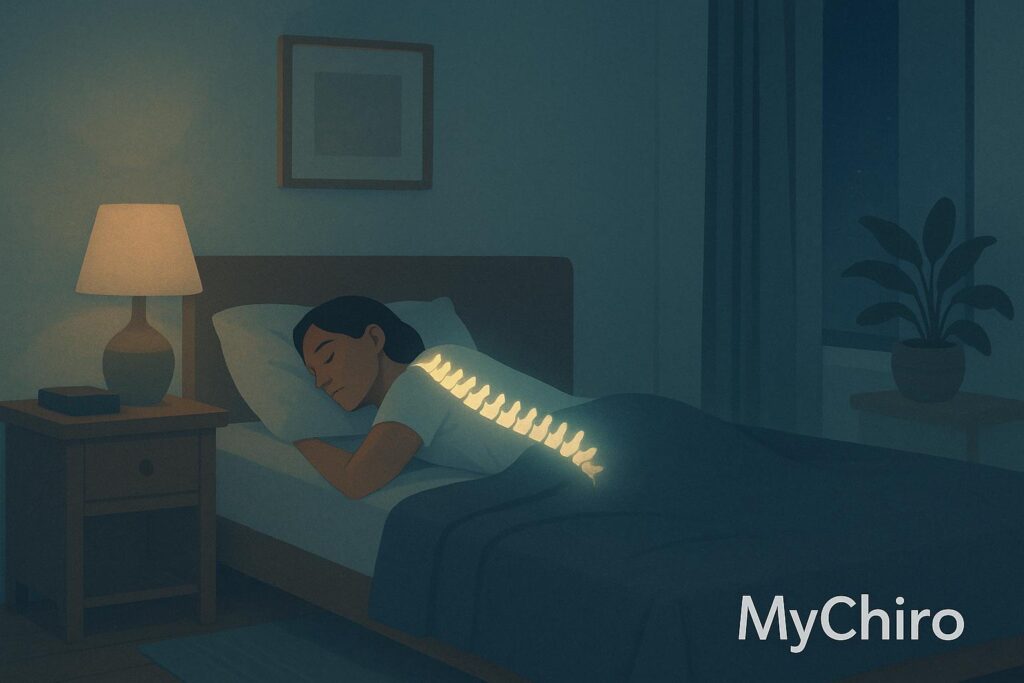
Chiropractic care may improve sleep and stress recovery by addressing spinal misalignments, which can disrupt nerve communication and the body’s ability to relax. Poor sleep and chronic stress are often linked to issues in the nervous system, particularly the balance between the “fight-or-flight” (sympathetic) and “rest-and-digest” (parasympathetic) systems. Spinal adjustments aim to restore this balance, potentially reducing cortisol levels, easing muscle tension, and promoting relaxation, however results vary and more research is needed.
Key Points:
- Stress and Sleep Problems: Over 40% of adults experience sleep issues due to stress, and nearly half of chronic pain sufferers report disrupted sleep.
- Spinal Misalignments: These can irritate nerves, tighten muscles, and worsen stress, making restful sleep harder.
- Chiropractic Benefits: Adjustments may reduce stress hormones like cortisol, improve nerve communication, and activate the parasympathetic system for better relaxation and recovery.
- Research Evidence: Studies show chiropractic care can lower cortisol, improve heart rate variability, and enhance sleep quality, especially for those with pain or stress-related sleep issues.
- Pain Relief: By addressing neck and back pain, chiropractic care may help people fall asleep faster and enjoy deeper, restorative sleep.
Chiropractic care, combined with good sleep habits and stress management techniques, offers a natural approach to improving sleep and managing stress. If you’re struggling with sleep or stress, consulting a chiropractor may help address the root causes.
How Chiropractic Care Helps Manage Stress | Dr. Ingham Explains the Mind-Body Connection
The Nervous System’s Role in Stress and Sleep
The autonomic nervous system oversees essential bodily functions like heart rate, breathing, and digestion. It consists of two main branches: the sympathetic nervous system, responsible for the “fight-or-flight” response during stress, and the parasympathetic nervous system, which encourages “rest-and-digest” activities to help the body relax and recover.
Maintaining a balance between these two systems is crucial for healthy sleep and effective stress recovery. When they work in harmony, they support regular sleep cycles and help the body bounce back from daily stress. Let’s dive into how the parasympathetic nervous system plays a direct role in relaxation.
The Parasympathetic Nervous System and Relaxation
The parasympathetic nervous system acts as the body’s natural relaxation tool. When activated, it slows the heart rate, reduces blood pressure, and boosts digestion. It also triggers the release of hormones that promote drowsiness – essential for falling and staying asleep.
This system plays a role in memory consolidation and physical recovery during sleep. It helps the body repair tissues, process daily experiences, and regulate stress hormones. A key player here is the vagus nerve, which connects the brain to major organs, coordinating these restorative processes.
However, modern lifestyles often push the body into a state of sympathetic dominance. Constant work stress, digital overload, and physical tension can overstimulate the “fight-or-flight” mode, leaving little room for relaxation. In such cases, spinal health becomes particularly important. Misalignments in the spine can interfere with nerve signals, potentially disrupting the body’s ability to switch to parasympathetic control. Research suggests that proper spinal alignment may improve nerve communication, making it easier for the body to relax and achieve better sleep. This link between spinal health and nervous system balance is a key factor in how chiropractic care might support sleep quality.
When stress takes over, however, this recovery system struggles to function properly.
Chronic Stress and Sleep Problems
Chronic stress triggers a chain reaction of physiological changes that wreak havoc on sleep quality. Persistent stress keeps the hypothalamic-pituitary-adrenal (HPA) axis in overdrive, leading to more than just fatigue. Over time, this constant activation can cause widespread dysfunction across various bodily systems.
For example, a staggering 78% of people with insomnia report that psychological, social, or medical stress is directly tied to their sleep troubles. Chronic stress elevates cortisol levels, making it harder to fall and stay asleep. Additionally, heightened autonomic activity and increased ACTH levels further disrupt the restorative phases of sleep.
The physical toll of chronic stress compounds the problem. Prolonged surges of epinephrine can damage blood vessels, raise blood pressure, and increase the risk of heart attacks or strokes. Elevated cortisol levels can also stimulate appetite and fat storage, further disturbing sleep patterns.
This creates a vicious cycle: poor sleep increases sensitivity to stress, which in turn raises cortisol levels and further disrupts sleep. Breaking this cycle often requires a comprehensive approach. Many people find that spinal care can help regulate the nervous system, potentially improving both stress management and sleep quality. These disruptions highlight the importance of interventions, such as chiropractic adjustments, that aim to restore nervous system balance and promote better sleep.
How Chiropractic Adjustments Support Stress Recovery
Chiropractic adjustments help realign the spine, promoting better nerve communication and aiding the body’s shift from stress to recovery. When the spine is misaligned, it can disrupt parasympathetic signals, making it harder for the body to recover effectively.
Reducing Nerve Interference for Better Function
Spinal adjustments are designed to correct misalignments and reduce nerve interference, ensuring smoother communication between the brain and body. When vertebrae are out of place, they can compress nearby nerves, disrupting the nervous system’s signals. This is especially important in the upper cervical region, which plays a key role in parasympathetic signalling. Research has shown that adjustments in this area can activate parasympathetic responses, leading to lower heart rates and reduced blood pressure.
Chiropractic care often extends beyond the spine, addressing surrounding joints as well. This broader approach can improve the overall function of the nervous system and may even support the immune and endocrine systems in managing stress and recovery. These physical adjustments lay the groundwork for noticeable physiological benefits.
Research on Chiropractic Care and Stress Recovery
Studies have highlighted the connection between chiropractic care and stress reduction. For example, research tracking electrical activity in muscles found a 25% decrease in muscle tension after chiropractic adjustments. This reduction can be particularly helpful in easing the chronic muscle tightness often linked to long-term stress.
Additionally, chiropractic adjustments appear to influence stress-related hormones. Here’s a quick breakdown of how some key hormones respond:
| Hormone | Effect |
|---|---|
| Neurotensin | Helps counteract stress-induced pain |
| Oxytocin | Improves nerve communication and bonding |
| Cortisol | Reduces inflammation-related pain |
These hormonal shifts suggest that chiropractic care can support stress recovery in multiple ways. For instance, oxytocin not only aids in pain relief but also fosters calmness and strengthens social connections – both of which are essential for stress management.
A 2020 study by the American Chiropractic Association also linked stress to musculoskeletal issues, emphasising the close relationship between physical tension and emotional stress. This reinforces the idea that maintaining spinal health can play a role in managing stress more effectively. Regular chiropractic adjustments may enhance nervous system performance, helping the body’s natural recovery processes function more smoothly.
sbb-itb-585d67d
Chiropractic Care’s Effects on Sleep Quality
Chiropractic care can improve sleep quality by easing pain and encouraging natural relaxation. By focusing on the nervous system’s role in managing stress and recovery, these adjustments may help pave the way for better, more restful sleep.
Pain Relief and Better Sleep
Pain is a major obstacle to good sleep. Nearly half of people with chronic pain report sleep problems, creating a vicious cycle: poor sleep heightens pain sensitivity, which then further disrupts sleep. Research published in the Journal of Sleep Medicine found that patients receiving chiropractic care for back and neck pain saw improvements in both how long they slept and the quality of their sleep. They also reported falling asleep faster and experiencing deeper, more restorative rest. In some cases, people notice immediate sleep benefits after adjustments. By improving alignment, chiropractic care can ease neck and back pain, reduce muscle tension, and make it easier to relax into sleep.
Nervous System Support and Relaxation
The nervous system plays a key role in sleep regulation. Chiropractic adjustments can activate the parasympathetic nervous system, which helps the body rest and recover. Spinal misalignments can interfere with nerve communication, disrupting the sleep–wake cycle. By addressing these misalignments, chiropractic care may promote better communication between the brain and hormone systems, supporting the release of sleep-related hormones like melatonin. This can make it easier to fall asleep and enjoy deeper, more consistent rest.
Over time, regular chiropractic care may also help the body become more efficient at transitioning into a state of rest and repair, making sleep feel more natural and restorative.
Spinal Health’s Role in Sleep
Spinal alignment directly impacts sleep quality beyond just pain relief and hormone regulation. A well-aligned spine supports restorative sleep by reducing tension patterns that can cause discomfort. Maintaining the spine’s natural curves allows for more comfortable sleep positions and helps muscles fully relax during rest. Paying close attention to the cervical spine (neck area) can further enhance nerve function and reduce disruptions that interfere with sleep. Improved spinal health also promotes better posture and reduces physical tension, both of which contribute to better sleep.
The evidence suggests that chiropractic care works best when paired with a holistic wellness approach. Combining spinal adjustments with good sleep habits and stress management techniques can enhance the body’s ability to achieve deep, restorative sleep naturally.
Clinical Approaches in Chiropractic for Sleep and Stress
Chiropractors use a range of proven techniques to improve spinal health and help the nervous system regulate stress and sleep cycles more effectively.
Techniques That Support Sleep and Stress Recovery
One of the key methods used in chiropractic care is spinal manipulation. These adjustments address spinal misalignments that can disrupt how the nervous system functions. A study published in the Journal of Manipulative and Physiological Therapeutics revealed that 33% of participants experienced immediate improvements in sleep after chiropractic treatment. The same research also showed reductions in cortisol levels and increased relaxation in patients dealing with high stress[1].
Another approach, upper cervical techniques, targets the atlas (C1) and axis (C2) vertebrae. These adjustments aim to restore proper communication between the brain and the systems that regulate sleep.
Chiropractors often incorporate soft tissue therapies such as trigger point therapy, myofascial release, and therapeutic massage. These methods help relieve muscle tension and promote better sleep. A 2020 systematic review in Complementary Therapies in Clinical Practice confirmed that these therapies enhance sleep quality[2].
“Proper spinal alignment can alleviate tension and improve nerve function, which may positively impact sleep quality.” – American Chiropractic Association
To further support patients, chiropractors provide ergonomic guidance for improving sleep posture. This includes advice on mattress firmness, pillow selection, and sleeping positions. Many practitioners recommend side or back sleeping with the right pillow support to maintain the spine’s natural curves.
Stress-relief exercises are another integral part of chiropractic care. These can include specific stretches and breathing techniques designed to release physical tension, enhance spinal mobility, and help the body manage stress more effectively. Combining these exercises with manual therapies often leads to better outcomes.
By integrating these techniques into a cohesive treatment plan, chiropractors aim to deliver both immediate and long-term benefits.
Personalised Care Plans for Better Results
The most effective chiropractic care is tailored to each individual. Personalised treatment plans take into account a patient’s unique health history, lifestyle, and specific challenges. This approach is especially important given that over 40% of adults report stress as a major factor keeping them awake at night, and nearly 50% of people with chronic pain experience disrupted sleep[3].
Care plans typically start with a detailed assessment of the musculoskeletal system to identify any mechanical issues that may interfere with restful sleep. Chiropractors consider factors such as work posture, activity levels, stress patterns, and existing pain conditions. Based on this evaluation, they create targeted strategies that may include specific spinal adjustments, soft tissue therapies, and lifestyle changes.
Collaborative care plays a key role in more complex cases. Chiropractors often work with other healthcare providers, such as general practitioners, sleep specialists, or mental health professionals, to ensure patients receive comprehensive support. This is particularly beneficial for those with chronic stress or serious sleep disorders.
Treatment schedules are flexible, depending on the patient’s needs and progress. Some people notice improvements after just a few sessions, while others may benefit from ongoing care to maintain spinal health and manage stress over time. Regular check-ins allow chiropractors to adjust treatment plans as needed.
In addition to manual therapies, chiropractors often provide sleep hygiene education. This includes tips on maintaining consistent sleep routines, creating a restful sleep environment, and avoiding stimulants before bed. When paired with hands-on care, these lifestyle changes can significantly enhance sleep quality and stress resilience.
Conclusion: Chiropractic Care’s Role in Sleep and Stress Recovery
Research indicates that chiropractic adjustments may play a key role in improving sleep by helping to restore balance within the autonomic nervous system. By addressing spinal misalignments, these adjustments can potentially reduce chronic sympathetic overdrive – a state often linked to disrupted sleep patterns.
Clinical evidence supports these claims. A 2011 study highlighted that spinal adjustments increased heart rate variability, suggesting a shift towards relaxation and reduced stress responses. Similarly, a 2016 study observed lower cortisol levels and improved relaxation in patients experiencing significant stress after receiving chiropractic care.
Pain relief is another factor connecting chiropractic care to better sleep. A 2020 systematic review published in Complementary Therapies in Clinical Practice concluded that spinal manipulation may reduce muscle tension and improve sleep quality in individuals dealing with musculoskeletal pain.
Beyond pain relief, chiropractic adjustments may help regulate the nervous system. By activating mechanoreceptors in the spine, these adjustments send signals to the brain that can suppress stress responses and encourage a parasympathetic “rest and digest” state – essential for restful sleep. This process may also promote better communication between the brain and endocrine system, supporting healthier sleep–wake cycles.
For adults whose sleep is disrupted by stress, chiropractic care offers a natural, non-invasive option that targets potential root causes rather than just managing symptoms. By improving spinal alignment and reducing nerve interference, the body may find it easier to transition out of chronic stress states and achieve balanced functioning.
To maximise results, chiropractic care works best as part of a comprehensive wellness plan. Combining it with stress management techniques and good sleep hygiene practices can lead to more effective outcomes. If you’re curious about whether chiropractic care is right for you, consider consulting a registered chiropractor for assessments like posture analysis or heart rate variability testing.
This article is intended for educational purposes only and should not replace personalised healthcare advice. Always consult a registered health professional for tailored recommendations.
FAQs
How can chiropractic adjustments improve nervous system balance and support better sleep?
Chiropractic adjustments may play a role in calming the nervous system by activating the parasympathetic nervous system – the part of the body that helps you relax and recover. This activation can ease muscle tension, lower stress, and even slow down your heart rate, creating an environment that’s more conducive to restful sleep.
When spinal misalignments are corrected, it can enhance nervous system function, potentially reducing stress-related discomfort. This improved balance may not only help you fall asleep but also stay asleep longer. For tailored guidance, it’s best to consult with a qualified chiropractor.
Can chiropractic care help with stress and sleep issues even if I don’t have chronic pain?
Chiropractic care might be helpful for those dealing with stress and sleep issues, even if chronic pain isn’t a concern. Studies indicate that adjustments may help regulate the nervous system, particularly by aiding the parasympathetic system, which plays a key role in relaxation and recovery.
By easing muscle tension and enhancing spinal alignment, chiropractic care could improve how your body handles stress, which may lead to improved sleep quality. Many people who receive care often mention feeling more at ease and well-rested, as their body’s natural recovery mechanisms are better supported.
What lifestyle changes can help improve sleep and manage stress alongside chiropractic care?
Incorporating healthy lifestyle habits can do wonders for improving sleep quality and managing stress, especially when paired with chiropractic care. Simple changes like sticking to a regular sleep schedule, staying active with some form of physical exercise, practising relaxation techniques such as mindfulness or deep breathing, and setting up a peaceful, cosy sleep environment can make a big difference.
These tweaks not only help your body recover more effectively but also boost your overall well-being, working hand-in-hand with the benefits of chiropractic adjustments.


