

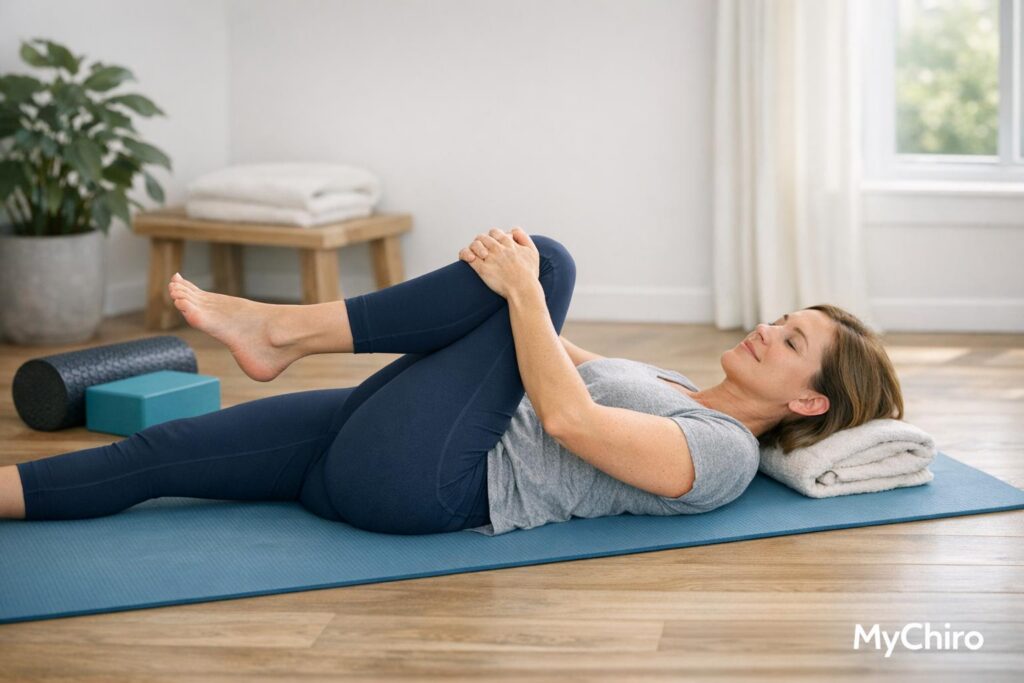
Lower back pain is an all-too-common issue, affecting people from all walks of life – whether you’re desk-bound, physically active, or dealing with the wear and tear of daily stress. If you’ve struggled with persistent lower back pain, you know how debilitating it can be. Fortunately, you don’t need to rely on endless massages or painkillers to find relief. This comprehensive guide outlines a series of evidence-based exercises designed to reduce discomfort, enhance mobility, and strengthen the muscles that support your lower back.
Developed in a structured three-step approach, these exercises include warm-ups, strengthening movements, and stretches. Follow along to discover how you can incorporate these techniques into your daily routine for sustainable relief.
Why These Exercises Work for Lower Back Pain
Your lower back is a complex network of muscles, bones, and connective tissues that require proper alignment, movement, and support to function optimally. When these elements are compromised by poor posture, muscle weakness, or injury, pain and stiffness arise. The exercises in this guide work together to address these underlying factors by:
- Promoting blood flow to facilitate healing
- Strengthening core and supporting muscles for stability
- Improving flexibility for better range of motion
- Alleviating tension that contributes to discomfort
Who Will Benefit from These Exercises?
Whether you’re an office professional suffering from "desk posture", a busy parent dealing with tech-neck, or an active individual dealing with recurring strain, these exercises are tailored to provide natural relief and promote long-term health.
sbb-itb-585d67d
Step 1: Warm-Up Exercises
Before diving into more intense movements, it’s essential to warm up the muscles in your lower back. This promotes blood flow, improves circulation, and prepares your body for strengthening exercises.
Pelvic Rocker
This simple movement can be performed on a floor or even in bed. It gently loosens the muscles around your pelvis and lower back.
- Start Position: Lie flat on your back with your knees bent and feet flat on the surface, hip-width apart. Place your hands on your hips.
- Movement: Tilt your tailbone upward, curling it slightly toward your belly button (posterior tilt). You will feel a gentle stretch in the lower back.
- Reverse the movement by scooping your tailbone downward and pressing it into the floor (anterior tilt).
- Repetitions: Perform this rocking motion for 10–15 repetitions or until the lower back feels warm and loose. Add additional repetitions as needed.
Windshield Wiper
This exercise provides a deeper stretch, targeting the hips and lower back.
- Start Position: Remain in the same position as the Pelvic Rocker.
- Movement: Slowly drop both knees to one side, keeping your feet flat and your shoulders on the surface. Hold briefly before returning to the centre.
- Repeat on the other side, feeling the stretch move through your hips and into your lower back.
- Repetitions: Perform 10–15 repetitions on each side.
Step 2: Strengthening Exercises
Once your muscles are warmed up, it’s time to build strength in your core, glutes, and supporting muscles. These exercises help stabilise the lower back, reduce strain, and protect against future injuries.
Bridge Lift
This foundational exercise activates the core, glutes, and lower back muscles.
- Start Position: Lie on your back with your knees bent, feet flat on the floor, and hands resting on your hips.
- Activate Core: Engage your core by imagining pulling your belly button toward your spine. Lightly clench your glutes.
- Movement: Press your heels into the floor and lift your hips toward the ceiling, creating a straight line from your shoulders to your knees. Hold for 3–5 seconds before lowering.
- Repetitions: Perform this movement 5–10 times. For a challenge, lift one leg at a time while in the raised position.
Hip Hiker
This standing exercise strengthens the hips and lower back while also offering a stretch.
- Start Position: Stand on a step, letting the foot of your painful side hang off the edge. Place the other foot firmly on the step.
- Movement: Drive the hanging hip upward toward the ceiling by engaging the muscles in your pelvis and lower back.
- Slowly lower the hanging foot down (without touching the ground) to feel a stretch on the supporting side.
- Repetitions: Perform 5–10 repetitions on each side.
Step 3: Stretching Exercises
Stretching is essential for reducing soreness and improving flexibility. These stretches can be done after strengthening exercises or any time you need quick pain relief.
The Ballerina Stretch
This standing stretch targets the lower back, hips, and side of the body.
- Start Position: Cross the foot of your painful side over the other. Place your hand on the same side on your hip while raising the opposite hand overhead.
- Movement: Press your hips gently toward the painful side while tilting your upper body away.
- Hold the stretch for 20–30 seconds, breathing deeply to release tension.
- Repetitions: Perform 3–5 repetitions on each side, deepening the stretch with each round.
Twist and Lean
This seated stretch works the lower back and glutes.
- Start Position: Sit upright with your back straight.
- Movement: Rotate your upper body away from the painful side. Once rotated, lean slightly forward to deepen the stretch.
- To target the glutes, place your ankle on the opposite knee (figure-four position) and press the bent knee downward while performing the rotation.
- Repetitions: Hold each stretch for 5 seconds and repeat 5–10 times.
Key Takeaways
- Warm-up First: Gentle exercises like the Pelvic Rocker and Windshield Wiper improve blood flow and prepare your lower back for activity.
- Build Strength: Activate core and glute muscles with exercises like Bridge Lifts and Hip Hikers to stabilise and protect your lower back.
- Stretch Strategically: Stretches such as the Ballerina Stretch and Twist and Lean relieve tension and improve flexibility.
- Balance Is Key: Always perform exercises and stretches on both sides to prevent imbalances.
- Listen to Your Body: If any movement causes significant discomfort, stop and modify the exercise to suit your needs.
By integrating these exercises into your routine, you can take a proactive approach to managing lower back pain. Not only will they help alleviate your current discomfort, but they’ll also strengthen your body and prevent future issues.
Conclusion
Lower back pain doesn’t have to control your life. With a structured approach combining warm-ups, strengthening, and stretching, you can address the root causes of discomfort and support your overall wellbeing. These exercises are easy to follow and highly adaptable, making them suitable for individuals with varying levels of fitness and mobility.
Start slowly, stay consistent, and remember to focus on balance and form. Over time, you’ll notice increased strength, flexibility, and a significant reduction in pain. Take control of your lower back health and enjoy a more active, pain-free lifestyle.
Source: "How to Heal a Lower Back Injury (for QUICK RELIEF)" – SpineCare Decompression and Chiropractic Center, YouTube, Oct 13, 2025 – https://www.youtube.com/watch?v=JwCPfXMXX9c


