

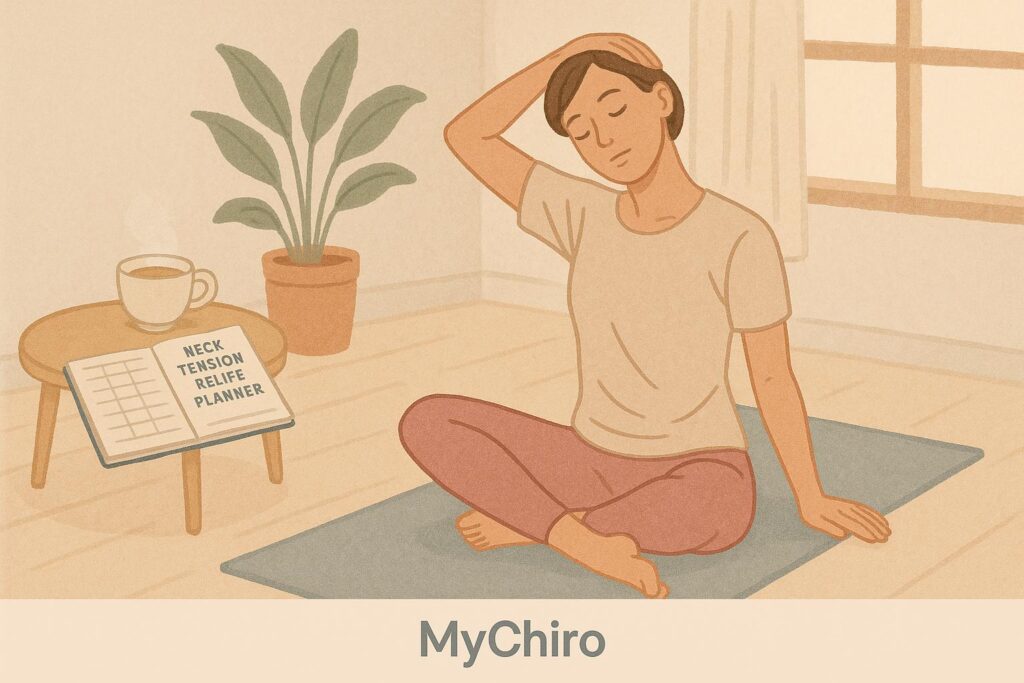
Ease Neck Tension with a Custom Daily Plan
If you’ve ever felt that nagging ache in your neck after a long day, you’re not alone. Poor posture, stress, and hours hunched over a screen can leave your muscles tight and sore. That’s where a tailored approach to relief comes in. Creating a routine that fits your lifestyle can help loosen up those knots and prevent discomfort from creeping back.
Why Personalised Routines Matter
Everyone’s needs are different. Some of us only have 10 minutes to spare, while others can commit to a longer session. Maybe your focus is on stretching out tight muscles, or perhaps you’re keen to build strength to support better alignment. A custom plan takes these factors into account, offering targeted exercises—think gentle side tilts or chin tucks—that align with physiotherapy best practices. These small, consistent efforts can make a noticeable difference over time.
Build Better Habits
Beyond exercises, reminders to check your posture or take breaks if you’re desk-bound are just as vital. Incorporating these habits into your day helps tackle the root causes of stiffness. With a bit of dedication, you can work towards a more comfortable, pain-free routine without drastic changes to your schedule.
FAQs
How does the Neck Tension Relief Planner help with pain?
Great question! This tool takes your specific situation into account—how bad your neck tension is, how much time you’ve got, and what you want to focus on. Based on that, it creates a daily plan with exercises like chin tucks or side tilts, which are grounded in physiotherapy principles. These activities target the root causes, whether it’s tight muscles or poor posture, and over time, they can help reduce discomfort. Plus, reminders for breaks or posture checks keep you on track if you’re sitting for long stretches.
Is this tool suitable for severe neck pain?
It depends on your condition. Our planner is designed for general neck tension and mild to moderate discomfort, using safe, physio-recommended exercises. But if you’ve got severe pain or an underlying injury, I’d strongly suggest chatting with a healthcare professional or physiotherapist first. They can guide you on what’s safe, and you can still use our tool as a complementary resource with their advice.
How long before I see results from the plan?
That’s a common concern, and honestly, it varies from person to person. If you stick to the daily routine, many users notice a difference in a couple of weeks—less stiffness or easier movement. Consistency is key, though, and combining the exercises with posture reminders can speed things up. Remember, this isn’t a quick fix; it’s about building better habits for long-term relief. If you’re not seeing progress after a month, it might be worth checking in with a physio.


