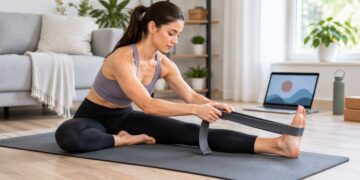
For mixed standing and floor-based yoga, start by comparing firm, cushioned mats; for mostly lying-down sessions, compare softer exercise mats; for travel, prioritise portability. This 2026 guide compares mat types by practical features—not by promises of lower back pain relief.
- Compare yoga mats by cushioning, grip and firmness—not promises about back pain relief.
- Firm, cushioned mats suit comparison shopping for mixed standing and floor-based practice.
- Softer exercise mats deserve consideration for mostly lying-down sessions, but compression is a trade-off.
- MyChiro is a chiropractic clinic in Bondi Junction; this guide compares equipment, not clinical outcomes.
Why this matters
A yoga mat is a surface for practice, not a diagnosis or a personalised exercise plan. Separate the shopping question—what feels comfortable under you—from the health question of which movements are appropriate for your circumstances.
MyChiro provides chiropractic care and spinal adjustments in Bondi Junction, Sydney. This guide focuses on equipment selection without attributing clinical benefits to a particular mat or chiropractic service.
For your 2026 shortlist, describe what you actually do on the floor. Standing sequences, seated practice and lying-down exercises place different demands on the same surface; a useful comparison starts there rather than with a product labelled for back support.
What to compare in a yoga mat
Use these criteria before choosing a material or thickness:
- Cushioning: Notice how contact with the floor feels through the mat. Do not assume extra thickness automatically means greater comfort.
- Firmness: Check how much the surface compresses under your hands and feet. Thickness and firmness describe different properties.
- Grip: Assess both interfaces: your contact with the mat and the mat’s contact with the floor. A textured appearance alone does not establish either.
- Usable space: Check that your usual movements fit within the mat without repeatedly repositioning it.
- Handling: Consider rolling, carrying, storage and cleaning. These are part of using the mat, not secondary details.
- Product information: Look for stated materials, dimensions and care instructions. Treat health-related marketing separately from those verifiable specifications.
Choose for your practice and preferences, not for an advertised promise to correct your back. A comfortable surface does not establish that a movement is appropriate for you.
Yoga mat types at a glance
This is a comparison of mat categories, not a ranking of tested products. Individual models differ within every category, so check the actual specifications and feel before deciding.
| Order | Mat type | Use case | Feature to examine | Main limitation |
|---|---|---|---|---|
| 1 | Firm, cushioned yoga mat | Mixed standing and floor-based practice | Cushioning without excessive compression | Less plush than a soft exercise mat |
| 2 | Soft exercise mat | Mostly lying-down floor sessions | Padding at contact points | Compression can feel less steady during standing work |
| 3 | Thin travel mat | Frequent carrying and compact storage | Packed size and handling | Limited padding over a hard floor |
| 4 | Existing mat with a separate pad | Occasional cushioning at specific contact points | Ability to add padding selectively | More pieces to position and store |
Material names do not settle this comparison. Rubber, foam and other constructions come in different designs; evaluate the finished mat rather than treating one material label as a clinical recommendation.
1. Firm, cushioned yoga mat: mixed standing and floor practice
A firm, cushioned yoga mat is the starting category for someone who alternates between standing, seated and lying-down positions. The aim is a surface that offers some padding without feeling excessively soft under your feet.
Firm does not have to mean uncomfortable. Compare how the mat feels at contact points with how it behaves when you shift your weight; those are separate checks.
Use case: A single surface for a varied home practice.
Firm, cushioned yoga mat pros:
- Combines padding with a comparatively firm feel.
- Avoids needing a separate surface for every position.
- Allows you to assess standing and floor comfort together.
Firm, cushioned yoga mat cons:
- The feel will not suit everyone who prefers plush padding.
- A firm surface does not establish adequate grip.
- Descriptions such as supportive do not explain how much the mat compresses.
When comparing models in 2026, look beyond the main product photograph. Read the thickness, material and care information, then check whether the seller explains how the mat is intended to be used.
If you can examine a sample, feel the surface with your hands first. Any movement trial should remain within activities already appropriate for you; shopping does not require testing a painful position.
Verdict: Buy only if the balance of padding, firmness and grip suits your usual practice.
2. Soft exercise mat: mostly lying-down sessions
A soft exercise mat prioritises a padded feel. It belongs on your shortlist when your intended session consists mainly of seated or lying-down activities rather than standing yoga sequences.
Do not confuse softness with structural support for your spine. The relevant shopping question is whether you prefer the surface and can use it as intended—not whether the packaging suggests a medical benefit.
Use case: Floor-based sessions where padding matters more to you than a firm standing surface.
Soft exercise mat pros:
- Offers a softer alternative to a conventional firm yoga mat.
- Lets you prioritise the feel of floor contact.
- Provides a distinct option for a dedicated floor-exercise space.
Soft exercise mat cons:
- Greater compression can feel less steady underfoot.
- Bulky construction can complicate carrying and storage.
- A soft surface can still feel uncomfortable to an individual user.
Check whether your hands or feet sink into the material more than you prefer. Also examine how the edges behave when the mat is laid flat; a mat that remains curled needs attention before use.
Do not buy extra padding simply because a product associates thickness with back pain. Padding is an equipment feature, not evidence of a clinical outcome.
Verdict: Consider buying for mostly floor-based use; skip if you need a firmer standing surface.
3. Thin travel mat: carrying and compact storage
A thin travel mat places portability ahead of substantial cushioning. Compare this category when carrying a mat between locations is a central part of your routine.
The floor underneath remains part of the experience. A travel mat used on a hard surface will not provide the same padded feel as a substantially cushioned mat.
Use case: Frequent transport or limited storage space.
Thin travel mat pros:
- Prioritises compact handling.
- Keeps attention on packed dimensions and carrying needs.
- Offers an alternative to storing a bulky floor mat.
Thin travel mat cons:
- Provides limited padding over hard flooring.
- Portability does not establish surface grip.
- Folding or rolling instructions vary by model.
Check the actual packed dimensions and weight rather than relying on the word travel. Confirm whether the manufacturer specifies rolling, folding or another storage method.
For a 2026 purchase, also consider where you will use it most often. A mat chosen for occasional travel deserves reconsideration if nearly all your sessions happen on the same hard floor at home.
Verdict: Buy for a genuine carrying requirement; skip if floor cushioning is your main priority.
4. Existing mat with a separate pad: selective cushioning
Keeping your current mat and adding a separate pad is another option. This arrangement lets you compare additional cushioning at a specific contact point without replacing the entire practice surface.
A separate pad is not a lumbar brace or a corrective device. Its role here is simply to change the feel of contact with the floor.
Use case: Occasional padding needs when your existing mat otherwise suits you.
Existing mat with a separate pad pros:
- Lets you retain a mat you already find usable.
- Adds padding only where you choose to place it.
- Separates the cushioning decision from a full mat purchase.
Existing mat with a separate pad cons:
- Introduces an additional item that can move.
- Creates a change in surface height.
- Requires placement and storage between activities.
Before using this arrangement, inspect whether the pad stays where you put it. Do not stack loose layers simply to make a surface thicker, and do not assume a folded towel behaves like a purpose-made pad.
If your current mat slips, tears or will not lie flat, an extra pad does not address those problems. Assess the base mat first.
Verdict: Hold off on replacing a usable mat; compare selective padding if that matches your actual need.
How to compare a shortlist without testing painful movements
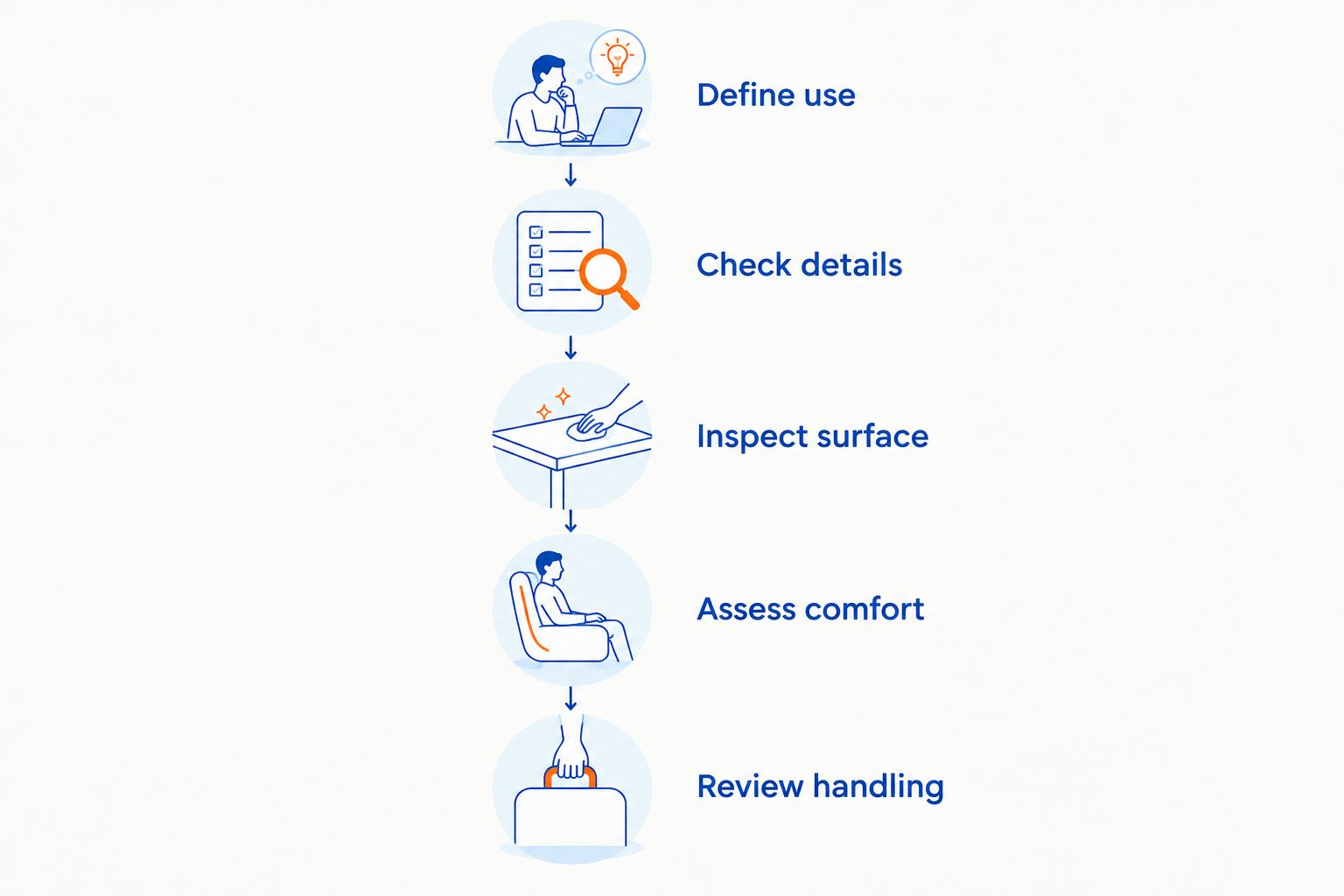
Use a simple sequence to keep the purchase decision practical:
- Define use: Write down whether your sessions are mainly standing, floor-based or mixed.
- Check details: Read the materials, dimensions and care instructions for each model.
- Inspect surface: Look for curling, damage and movement against the intended floor.
- Assess comfort: If a suitable trial is possible, compare familiar positions that are already appropriate for you.
- Review handling: Check whether you can carry, store and clean the mat as instructed.
You do not need to push into a stretch to judge a mat. If a position is uncomfortable, stop the comparison rather than using more padding to continue it.
How the categories are ordered
The order starts with a mixed-use option, then moves to more specific priorities: floor padding, portability and selective cushioning. It does not represent laboratory testing, a clinical comparison or evidence that one category changes back pain outcomes.
MyChiro’s yoga mat guide distinguishes equipment features from healthcare claims. In 2026, terms such as therapeutic or spinal support still need scrutiny; a product description is not a personalised assessment.
Which yoga mat type should you choose?
For an undecided reader with a mixed practice, compare firm, cushioned mats first. Move to a soft exercise mat if most of your intended activities are floor-based, or a travel mat if carrying it is the deciding requirement.
Keep your existing mat if it already meets your practical needs. Replacing equipment is not automatically the next step when a movement feels uncomfortable.
If back symptoms are persistent, worsening or interfering with activity, discuss them with a qualified health professional rather than relying on a mat recommendation. MyChiro’s guide to when back pain needs medical assessment provides further reading on that separate decision.
FAQ
Which yoga mat should I choose if I have lower back pain?
Choose equipment by its cushioning, grip and suitability for your intended practice, not a promise of pain relief. A qualified health professional can discuss which activities may be appropriate for your circumstances.
Is a thicker yoga mat always more comfortable?
No, thickness alone does not determine comfort. Firmness, compression, the floor underneath and your preferences also affect how the surface feels.
Should I choose a yoga mat or a soft exercise mat?
Compare a firm, cushioned yoga mat for mixed standing and floor practice, and a soft exercise mat for mostly floor-based sessions. Examine individual models because category names do not establish their exact properties.
Can a yoga mat correct my posture or spinal alignment?
Do not rely on a yoga mat to correct posture or spinal alignment. This guide evaluates equipment features and makes no corrective or clinical claims.
Can I put a separate pad on my existing yoga mat?
A separate pad is an option for changing the feel at a particular contact point. Check that both pieces remain in position and account for the change in surface height.
How should I clean a yoga mat?
Follow the manufacturer’s instructions for the specific mat. Check permitted cleaning products, drying methods and storage guidance rather than assuming every material needs the same care.
Should I keep practising if a pose hurts on a new mat?
Stop a movement that causes pain rather than using the new mat as a reason to continue. Discuss persistent or worsening symptoms with a qualified health professional.
One last thing
Compare a new mat with the one you already own—not just with other new products. Write down the specific limitation you want to change: slipping, insufficient space, an uncomfortable surface or awkward carrying.
If you cannot identify that limitation, pause the purchase. A clearer equipment requirement is more useful than a stronger-sounding product claim, and no mat label replaces individual advice about back symptoms.
Related guides
- Core exercise considerations for your lower back
- Lower back pain when sitting: practical steps
- Preparing for your first chiropractor appointment