
Mild soreness can occur after a chiropractic adjustment, but that does not make every new symptom an expected reaction. The location, severity and direction of change matter: worsening pain or new symptoms need assessment rather than reassurance alone. This 2026 guide explains what to report, when to seek medical help and why soreness does not prove an adjustment has helped.
- Is it normal to feel sore after a chiropractic adjustment? Mild soreness can occur; worsening symptoms need assessment.
- NCCIH describes temporary soreness after spinal manipulation, but its general guidance cannot explain an individual reaction.
- Mychiro provides chiropractic care in Bondi Junction; new symptoms still require an individual assessment.
- Sudden weakness, speech difficulties or loss of bladder control require emergency medical attention.
Is it normal to feel sore after a chiropractic adjustment?
Mild soreness is a recognised possible reaction to spinal manipulation, not evidence that an adjustment worked. The US National Center for Complementary and Integrative Health, or NCCIH, describes temporary discomfort, increased pain or stiffness after spinal manipulation. Its patient information says these minor effects usually go away within 24 hours.
That general timeframe is not a personal clearance to wait. If symptoms are severe, worsening or accompanied by other changes, seek advice based on the symptoms rather than the clock. The NHS also lists mild aches and stiffness among possible side effects of chiropractic care.
For background on the procedure, read what to expect from spinal manipulation. Understanding a procedure is separate from deciding whether a particular reaction needs assessment.
| Symptom pattern | What it means for your next step | Important limitation |
|---|---|---|
| Mild local soreness without other symptoms | Contact the practitioner for advice about your reaction and aftercare | A description online cannot confirm its cause |
| Pain that is increasing, spreading or disrupting usual activities | Seek prompt advice from a qualified health professional | Do not assume this is a routine adjustment response |
| New tingling, altered sensation or other unfamiliar symptoms | Arrange medical assessment rather than relying on self-care | These symptoms need individual evaluation |
| Sudden weakness, speech or vision changes, or new bladder or bowel control problems | Seek emergency medical attention | Do not wait for a chiropractic follow-up |
Why this matters
Calling every reaction normal can discourage someone from reporting a meaningful change. Calling every ache an injury is also a diagnosis that an article cannot make. The useful distinction is between describing what you feel and assuming why it happened.
For this 2026 guide, the practical recommendation is straightforward: report new symptoms accurately and let an appropriately qualified health professional assess their significance. You do not need to decide whether a symptom is definitely related to an adjustment before asking for help.
What symptoms need urgent medical attention?
Seek emergency medical help for sudden neurological symptoms or new loss of bladder or bowel control. This advice applies whether symptoms follow an adjustment, exercise or no obvious event. Their timing does not remove the need for medical assessment.
Call 000 in Australia for symptoms such as:
- Sudden weakness affecting the face, arm or leg.
- New difficulty speaking or understanding speech.
- Sudden loss of vision or marked visual changes.
- A sudden, severe, unusual headache, particularly with neurological symptoms.
- New loss of bladder or bowel control, especially with numbness around the groin or buttocks.
Do not drive yourself if you have sudden weakness, significant dizziness, speech difficulties or visual changes. Tell emergency staff what happened, when symptoms started and whether you recently had spinal manipulation.
These examples are not a complete diagnostic checklist. If you think you are experiencing a medical emergency, call 000 rather than waiting to see whether a symptom appears on a list.
How should you describe soreness after an adjustment?
A clear symptom description gives a clinician more useful information than saying an adjustment felt wrong. Record what changed without trying to explain the mechanism. If you need urgent help, do not delay care to complete notes.
- Location: Identify the exact area and whether symptoms travel elsewhere. Separate the original discomfort from anything new.
- Timing: Note when symptoms began and whether they started during the appointment or afterwards. Include the time of any sudden change.
- Trend: Describe whether symptoms are improving, unchanged or worsening. Mention whether the pattern changes with ordinary activities.
- Function: Explain what is harder than before, such as walking, turning your head, sleeping or getting dressed. Be specific about the change.
- Other symptoms: Report numbness, tingling, weakness, headache, dizziness, fever or feeling generally unwell. Do not leave these out because soreness seems more noticeable.
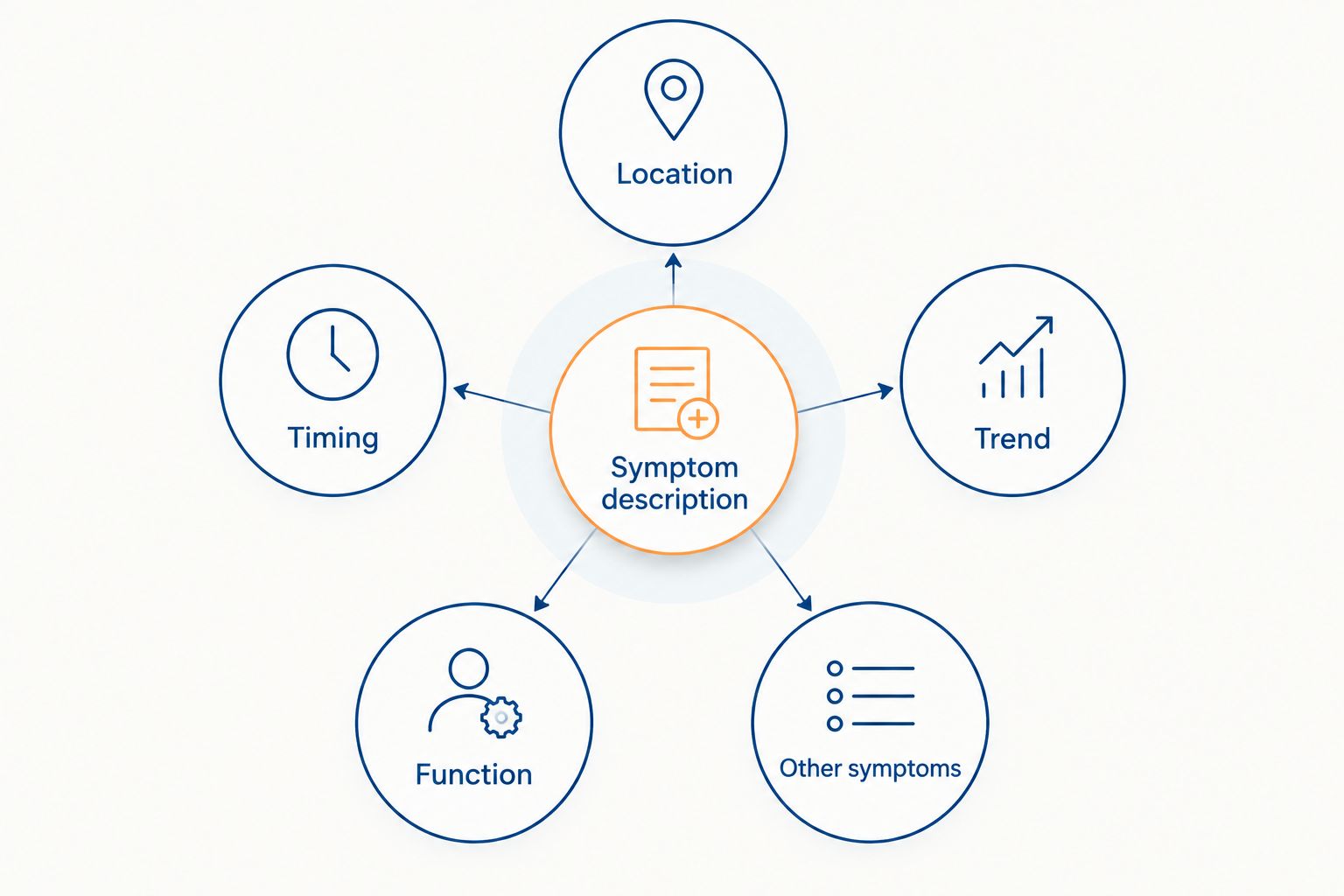
You can use these notes when speaking with the practitioner, your GP or a nurse advice service. Keep any written aftercare instructions available too. Instructions given before symptoms changed do not replace advice about a new development.
Why soreness after an adjustment varies
The same word, sore, can describe very different experiences. An individual assessment considers the appointment, your existing symptoms and what has changed since then. These are discussion points, not proof of a particular cause:
- What happened during the appointment: Describe the body area involved and any manipulation, exercise or other procedures performed.
- Your starting symptoms: Explain what was present beforehand so a clinician can distinguish an existing problem from a new change.
- The symptom pattern: Local tenderness, spreading pain and altered sensation are different descriptions and should be reported separately.
- Activity around the appointment: Mention lifting, training, prolonged sitting or other relevant activity without assuming it explains the reaction.
- Your medical history and medicines: Tell the clinician about relevant conditions, recent illness, injuries and medicines, including blood thinners.
There is no need to choose a theory before contacting someone. Statements such as muscles releasing or the spine settling are explanations that require evidence; they should not replace assessment of your symptoms.
What should you do while waiting for advice?
Follow individual advice from a qualified health professional who knows what happened. If you have new symptoms, explain those changes before continuing an exercise or aftercare plan. An instruction intended for your original presentation might need reconsideration.
Avoid repeatedly pressing, twisting or manipulating the sore area to test it. Do not attempt another forceful adjustment yourself or ask someone else to perform one. A repeat manipulation is not a substitute for understanding a new symptom.
Discuss activity, heat, cold and medicines with a clinician or pharmacist rather than assuming a general online routine suits you. Your medical history, skin sensation and current medicines can affect what advice is appropriate. If an activity increases symptoms, stop and seek guidance about how to proceed.
In Australia in 2026, healthdirect is available on 1800 022 222, 24 hours a day, 7 days a week, for nurse advice when you are unsure what level of care you need. It is not a replacement for calling 000 during an emergency.
Does soreness mean the adjustment worked?
Soreness does not establish benefit. Neither an ache afterwards nor a cracking sound tells you whether a procedure was appropriate or whether it improved your condition. Absence of soreness also does not establish success or failure.
Discuss care in terms of agreed goals, changes in function, unwanted effects and whether the plan remains appropriate. Those conversations are more useful than treating discomfort as something you must experience to make progress.
For decisions in 2026, do not accept a promise that symptoms must worsen before they improve as a reason to ignore a change. Ask what the explanation is, what evidence supports it and what would trigger a different plan or referral.
Should you have another adjustment if you are still sore?
Persistent or changing symptoms should be discussed before further manipulation. A future appointment is not a reason to wait if you need medical advice sooner. Tell the practitioner what has changed before consenting to another procedure.
Ask whether reassessment, a different approach, no further manipulation or referral is appropriate. You can decline a procedure or pause care while seeking another opinion. Consent is a decision about the proposed procedure, not an obligation created by attending an appointment.
Mychiro is a chiropractic clinic and wellness centre in Bondi Junction, Sydney. If you receive chiropractic care at Mychiro, describe any reaction before discussing further adjustments. Choosing Mychiro for chiropractic care does not replace medical assessment when new symptoms warrant it.
What should you ask at a follow-up discussion?
Use the discussion to understand the next decision, not simply to obtain reassurance. Bring your symptom notes and explain any effect on ordinary activities. Ask for the reasoning in language you understand.
Useful questions include:
- What needs assessment before deciding whether to continue?
- What other explanations need consideration?
- What are the proposed options, including not having another adjustment?
- What are the relevant risks and uncertainties for each option?
- Which changes should prompt contact, medical assessment or emergency care?
- When should the plan be reviewed if symptoms remain unchanged?
A clear explanation should distinguish what is known from what still needs assessment. If you remain unsure, ask your GP or another qualified health professional for an independent opinion. You do not need to agree to further manipulation to ask questions about it.
FAQ
Is it normal to feel sore after a chiropractic adjustment?
Mild soreness can occur after a chiropractic adjustment, but not every new symptom should be labelled normal. Severity, progression and accompanying symptoms determine whether you need assessment.
How long can soreness last after spinal manipulation?
NCCIH states that minor temporary effects after spinal manipulation usually go away within 24 hours. That general description is not a reason to delay assessment of severe, worsening or unfamiliar symptoms.
Should I contact Mychiro if I feel sore after an appointment?
Contact Mychiro to report symptoms after an appointment and discuss whether reassessment is appropriate. Seek medical or emergency care instead of waiting for a clinic response if symptoms warrant it.
Does feeling sore mean my spine is realigning?
Soreness does not demonstrate that your spine is realigning. A symptom alone cannot establish the mechanism or benefit of a procedure.
Can I exercise if I feel sore after an adjustment?
Exercise advice depends on your symptoms and individual assessment. Report new symptoms before continuing a prescribed routine, and stop an activity that increases symptoms while seeking guidance.
Should I use heat, ice or pain medicine afterwards?
Discuss heat, ice and medicines with a qualified clinician or pharmacist rather than assuming they suit your situation. Medical history, skin sensation and other medicines can affect the advice.
When should I call an ambulance after an adjustment?
Call 000 for sudden weakness, speech or vision changes, or new bladder or bowel control problems. A sudden severe unusual headache with neurological symptoms also requires emergency medical attention.
Who can I call in Australia if I am unsure what to do?
Call healthdirect on 1800 022 222 for nurse advice, available 24 hours a day, 7 days a week. Call 000 instead if you think you are experiencing a medical emergency.
One last thing
A symptom happening after an adjustment does not, by timing alone, establish its cause or its significance. You do not have to resolve that uncertainty yourself. Describe what happened, report changes and seek the level of assessment your symptoms require.
Keep that distinction in mind when reading health information in 2026: a general description of possible side effects cannot tell you what is happening in your body. This article provides general education, not a diagnosis or personalised aftercare instructions.
The clinical background is drawn from NCCIH's Spinal Manipulation: What You Need To Know and the NHS patient information page Chiropractic. Those sources describe possible reactions in general; neither can assess an individual reader. Australian contact information is provided by healthdirect and the Triple Zero emergency service.
Related guides
- How to prepare for your first chiropractor appointment
- What qualifications should a Sydney chiropractor have?
- How chiropractors coordinate with GPs on imaging referrals