


Tiredness is listed by the NHS as a possible short-term side effect of chiropractic care, but feeling tired after an adjustment does not establish what caused it. Do not assume that pronounced, persistent or worsening fatigue is a normal response. What matters is how you feel overall, whether your symptoms are changing and whether you need medical assessment.
- Is it normal to feel tired after a chiropractic adjustment? NHS guidance lists tiredness as a possible short-term side effect.
- Tiredness alone does not prove an adjustment worked, released toxins or caused your symptoms.
- Mychiro provides chiropractic care in Bondi Junction; persistent or unexplained fatigue warrants medical assessment.
- Do not drive while drowsy. Call 000 for signs of a medical emergency.
Is it normal to feel tired after a chiropractic adjustment?
Feeling tired can occur after chiropractic care. The NHS patient guidance on chiropractic includes tiredness among possible short-term side effects, alongside aches, stiffness and headaches. That general information does not determine whether your particular symptoms are expected or whether the appointment caused them.
For context on the care offered locally, Mychiro chiropractic services include chiropractic care and spinal adjustments. A discussion about a reaction to care should remain separate from an assumption that further adjustments are needed.
Use this distinction when deciding what to do:
| What you notice | What it tells you | Appropriate next step |
|---|---|---|
| Mild tiredness without other symptoms | You feel tired; the cause is not established | Avoid driving while drowsy and monitor how you feel |
| Fatigue that persists, worsens or disrupts daily activities | The symptom needs assessment rather than automatic reassurance | Contact a GP or another appropriate health professional |
| Tiredness with new or unusual symptoms | There is more to assess than fatigue alone | Seek medical advice based on the accompanying symptoms |
| Facial drooping, arm weakness or speech difficulty | These are recognised stroke warning signs | Call 000 immediately |
Tiredness is a symptom to describe, not proof that an adjustment is working. This distinction applies whether it was your first appointment or you have received chiropractic care before.
Why this matters
Calling every reaction “normal” can discourage you from reporting something important. Calling every episode of tiredness a complication also goes beyond what the symptom alone can establish. Neither interpretation replaces an assessment.
This 2026 guide separates general information about reported side effects from advice about your circumstances. It does not diagnose the cause of fatigue or recommend chiropractic care for fatigue.
You do not need to decide whether the adjustment caused the symptom before asking for advice. Tell the clinician what happened, when it started and how it differs from your usual energy level. That is more informative than trying to explain the mechanism yourself.
What do you mean when you say you feel tired?
“Tired” can describe sleepiness, low energy, difficulty concentrating or a sense of physical exhaustion. Describe the actual experience rather than relying on the word alone. A clinician needs to know what you are experiencing and how it affects you.
For example, feeling ready for bed is different from struggling to stay awake during a conversation. Feeling generally low in energy is also different from a new loss of strength in an arm or leg. Do not describe new weakness as ordinary tiredness and leave it unreported.
Useful details include whether you can stay alert, walk as usual, complete normal tasks and think clearly. Mention any dizziness, headache, pain or other change at the same time, rather than presenting fatigue as an isolated symptom when it is not.
Avoid testing yourself with strenuous exercise to prove that nothing is wrong. If a symptom feels unusual or concerning, seek advice rather than turning the situation into a physical challenge.
Why your energy level can vary
The timing of tiredness is relevant, but timing alone does not establish its cause. Healthdirect’s general information on fatigue describes several possible contributors that are not specific to chiropractic care.
Factors to discuss with a qualified health professional include:
- Sleep: How much sleep you had and whether it was interrupted or unrefreshing.
- Daily demands: Shift work, physical exertion or an unusually demanding day.
- Stress: Recent emotional strain and changes to your normal routine.
- Medicines: New medicines, dose changes or products that cause drowsiness.
- General health: Recent illness, ongoing symptoms or fatigue that began before the appointment.
These are assessment questions, not explanations for your individual symptoms. Do not stop prescribed medicine or change a dose because you suspect it contributed to tiredness; discuss the concern with the prescriber or a pharmacist.
It also helps to distinguish what you know from what you suspect. “I felt sleepy after the appointment” reports a sequence. “The adjustment made my nervous system reset” adds a mechanism that the sequence does not establish.
What should you do if you feel tired afterwards?
Base your next step on your symptoms and ability to function, not on a standard aftercare timetable. There is no reason to push through drowsiness to complete a drive, workout or demanding task.
For this 2026 guide, the practical priorities are observation, appropriate advice and avoiding activities that require alertness while you are drowsy.
Stop tasks that need full alertness
Do not drive or operate machinery while sleepy. If you are still at the clinic and feel unwell, tell the clinician before leaving rather than assuming you should simply get home and rest.
If you have already left, arrange another way to travel when necessary. Do not use the absence of pain as a reason to ignore impaired alertness.
Describe the symptom accurately
Write down when the tiredness began, what it feels like and whether it is improving, unchanged or worsening. Record associated symptoms and any medicines you have taken, including non-prescription products.
Keep the description factual. You do not need a detailed diary or a theory about what happened; a clear account of the change is enough to start a conversation.
Ask for advice when the pattern concerns you
Contact the clinician who provided care to report the reaction. A GP is an appropriate point of contact for persistent, unexplained or disruptive fatigue, particularly when it extends beyond the immediate appointment context.
Reporting the symptom does not commit you to another appointment or another adjustment. You can ask whether medical assessment is indicated and whether planned care should be reconsidered.
What information should you record?
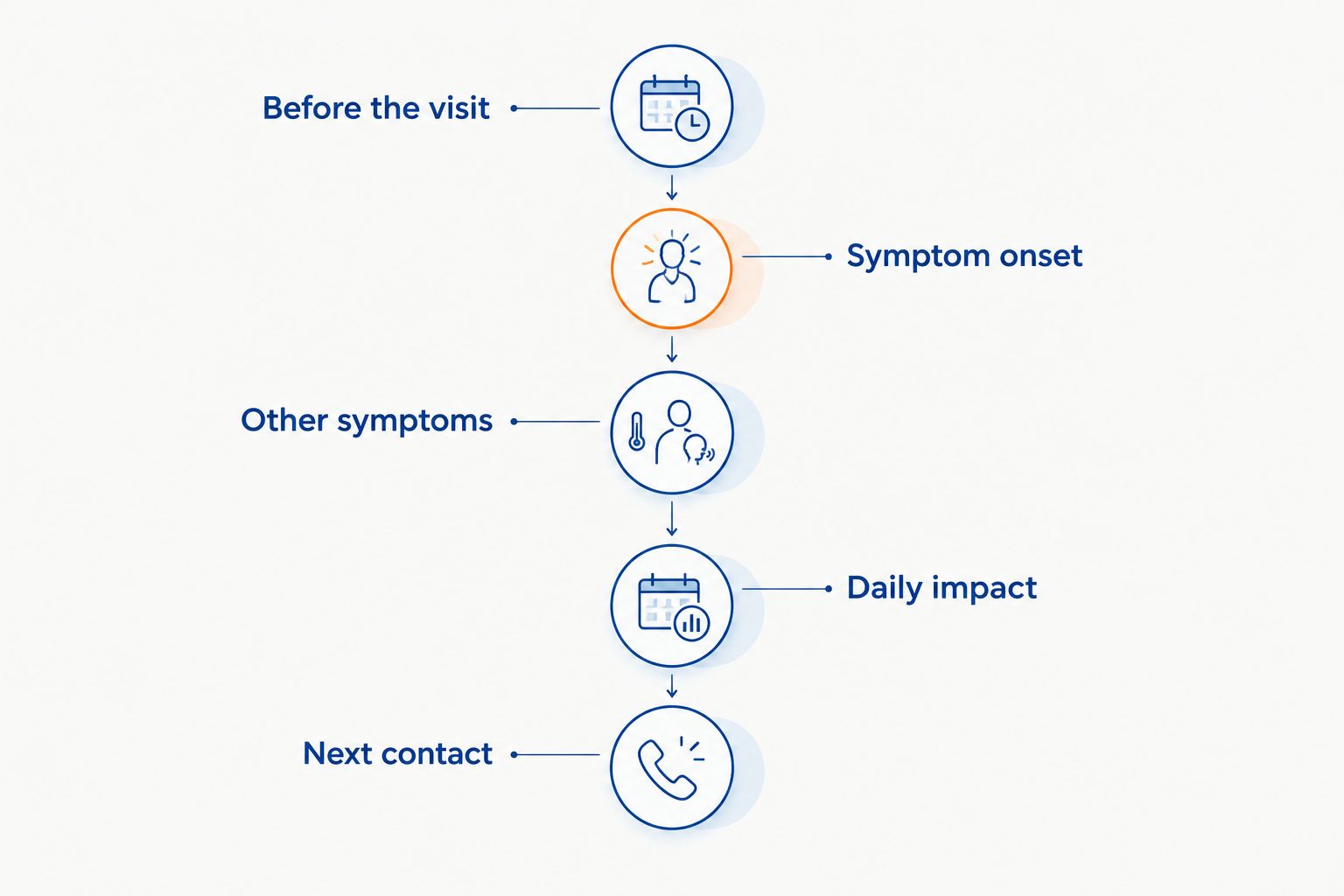
A short note helps you explain the sequence without relying on memory. Use the same descriptions when speaking to the chiropractor and your GP so that each receives a consistent account.
- Before the visit: Note whether you already felt tired or unwell.
- Symptom onset: Record when you first noticed the change.
- Other symptoms: Include pain, dizziness, headache or any other new concern.
- Daily impact: Explain whether you could work, travel and complete usual activities.
- Next contact: Record who you contacted and the advice you received.
If you cannot remember an exact time, say so. An honest description such as “I noticed it after I got home” is more useful than an invented timestamp.
When should you seek urgent medical help?
Call 000 for facial drooping, arm weakness or speech difficulty. These are recognised warning signs in the Stroke Foundation’s public guidance. Do not wait to see whether sleep, water or another adjustment changes them, even if the symptoms seem to improve.
Chest pain, severe breathing difficulty, collapse or difficulty waking someone also require emergency attention. These are not symptoms to explain away as routine post-appointment tiredness.
For non-emergency uncertainty in Australia, Healthdirect’s nurse advice line is available on 1800 022 222. Tell the nurse about the recent appointment, the symptoms and any change in your condition. Telephone advice does not replace an ambulance when emergency signs are present.
This emergency advice is included in the 2026 guide to distinguish a general fatigue question from a situation requiring medical care. It does not mean that feeling tired by itself establishes an emergency or a complication.
Should you sleep, exercise or change your routine?
If you feel sleepy, make room for rest rather than forcing yourself through tasks that require concentration. Rest is not a diagnostic test: feeling different after sleep does not establish why the tiredness occurred.
If back discomfort is also affecting your rest, comfort and support matter when considering sleeping positions for back pain. Positioning advice addresses how you lie down; it does not explain new fatigue or replace assessment of symptoms that concern you.
Do not adopt a rigid sleep position simply because it is described as suitable after an adjustment. Discuss persistent discomfort or disrupted sleep with a qualified health professional, including any advice you have already received.
The same individual approach applies to exercise. Do not treat an online aftercare routine as clearance for strenuous activity when you feel unwell. Ask the clinician about activity in relation to your symptoms, health history and the care provided.
There is also no need to buy a supplement or “detox” product because you feel tired. Continue any existing medical advice about food, fluids and medicines rather than replacing it with a generic post-adjustment regimen.
What should you ask the chiropractor?
A conversation about a reaction should cover what occurred, what needs assessment and whether the care plan needs to change. It should not start with the assumption that another adjustment is the answer.
Questions you can ask include:
- “Was tiredness discussed as a possible side effect before the procedure?”
- “Does what I am describing need assessment by my GP?”
- “What symptoms would change the advice you are giving me?”
- “Should we reconsider the planned care before another procedure?”
- “What alternatives can I discuss, including not having another adjustment?”
Mychiro is a chiropractic clinic for local patients seeking chiropractic care in Bondi Junction, not a substitute for medical assessment of unexplained fatigue. That distinction matters when a symptom falls outside the reason you originally attended.
If you attended Mychiro and want to report how you felt afterwards, use the clinic’s contact details. For urgent symptoms, seek the appropriate medical service rather than waiting for a clinic response.
Does tiredness mean the adjustment worked?
Tiredness does not establish that a chiropractic adjustment worked. An energy change alone cannot show that a particular clinical outcome occurred or that further adjustments are indicated.
Discuss the original reason for care separately from any reaction afterwards. Ask how progress will be assessed using the symptoms, activities and goals relevant to your circumstances.
Does feeling tired mean toxins were released?
Tiredness does not establish that toxins were released. A claim about “detoxing” requires evidence for the particular substance and process being claimed; the timing of fatigue is not that evidence.
You do not need a detox explanation to report a symptom. Describe what you experienced and seek assessment when appropriate.
Should you book another adjustment because you feel tired?
Feeling tired alone is not a reason to book another adjustment. Whether further chiropractic care may be appropriate should follow assessment, discussion of the reaction and informed consideration of the available options.
You can pause a decision about further care while seeking medical advice. Do not interpret a recurring reaction as something you must repeatedly experience to make progress.
Sources and scope
This 2026 educational overview draws on the NHS patient information page Chiropractic for its description of possible short-term side effects, Healthdirect Australia’s Fatigue information for general assessment context, and the Stroke Foundation’s public stroke-warning guidance for emergency signs.
These sources address different questions. General side-effect information cannot determine the cause of an individual person’s fatigue, and emergency-warning guidance is not a diagnosis. A qualified health professional can assess your symptoms in context.
FAQ
Is it normal to feel tired after my first chiropractic adjustment?
Tiredness is listed by the NHS as a possible short-term side effect of chiropractic care. A first appointment does not establish the cause of your fatigue or mean that pronounced, persistent or worsening symptoms should be ignored.
How long should tiredness after an adjustment last?
There is no individual recovery deadline that can be determined from tiredness alone. Seek medical advice if fatigue persists, worsens, feels unusual or interferes with your normal activities.
Can I drive home if I feel sleepy after an adjustment?
Do not drive while sleepy. Tell the clinician if you feel unwell before leaving, and arrange another way to travel if needed.
Should I drink extra water to flush out toxins after an adjustment?
Feeling tired does not establish that toxins need to be flushed out. Follow any existing medical advice about fluids rather than adopting a detox regimen.
Should I tell my chiropractor that I felt exhausted afterwards?
Tell the chiropractor about exhaustion or any other unexpected reaction. Include when it started, associated symptoms and how it affected your activities; persistent or unexplained fatigue also warrants medical assessment.
What symptoms mean I should call an ambulance?
Call 000 for facial drooping, arm weakness or speech difficulty. Chest pain, severe breathing difficulty, collapse or difficulty waking someone also require emergency attention.
Does being tired mean I need more chiropractic adjustments?
Tiredness alone does not establish a need for more adjustments. Further care may be appropriate only after assessment and discussion of your circumstances, the reaction and the available options.
One last thing
You can report a symptom without proving what caused it. “I felt unusually tired after the appointment, and it affected my ability to work” is a useful account. It neither dismisses the experience nor claims a cause that has not been established.
Before any further procedure, make sure the clinician knows about the reaction and that you understand the proposed next step. Reassurance should include a clear explanation of when to seek further help, not simply an instruction to ignore how you feel.
Related guides
- Is it normal to feel sore after an adjustment?
- How to care for your body after an adjustment
- What to expect from spinal manipulation