

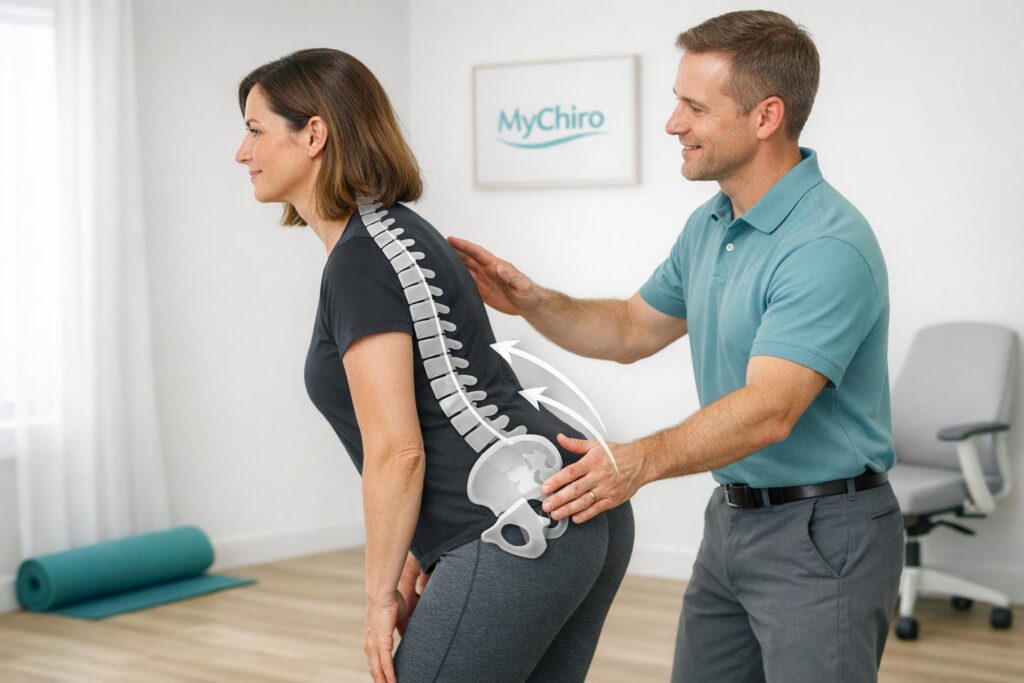
Sciatica pain often returns if underlying causes like poor posture, weak core muscles, or lifestyle habits aren’t addressed. Chiropractic care aims to prevent this by improving spinal alignment, reducing nerve pressure, and enhancing movement patterns. When combined with exercises, ergonomic adjustments, and better daily habits, it can help reduce strain on the sciatic nerve and lower the risk of future flare-ups.
Key Takeaways:
- Spinal Adjustments: Relieve nerve pressure and improve mobility.
- Posture Correction: Helps reduce stress on the lower back and hips.
- Exercise & Stretching: Builds core strength and flexibility.
- Ergonomics: Adjusting workspaces and daily habits supports spinal health.
- Regular Check-ups: Early detection of minor misalignments can prevent bigger issues.
By integrating these strategies, you can work towards long-term relief and a healthier spine. Always consult a professional for personalised advice.
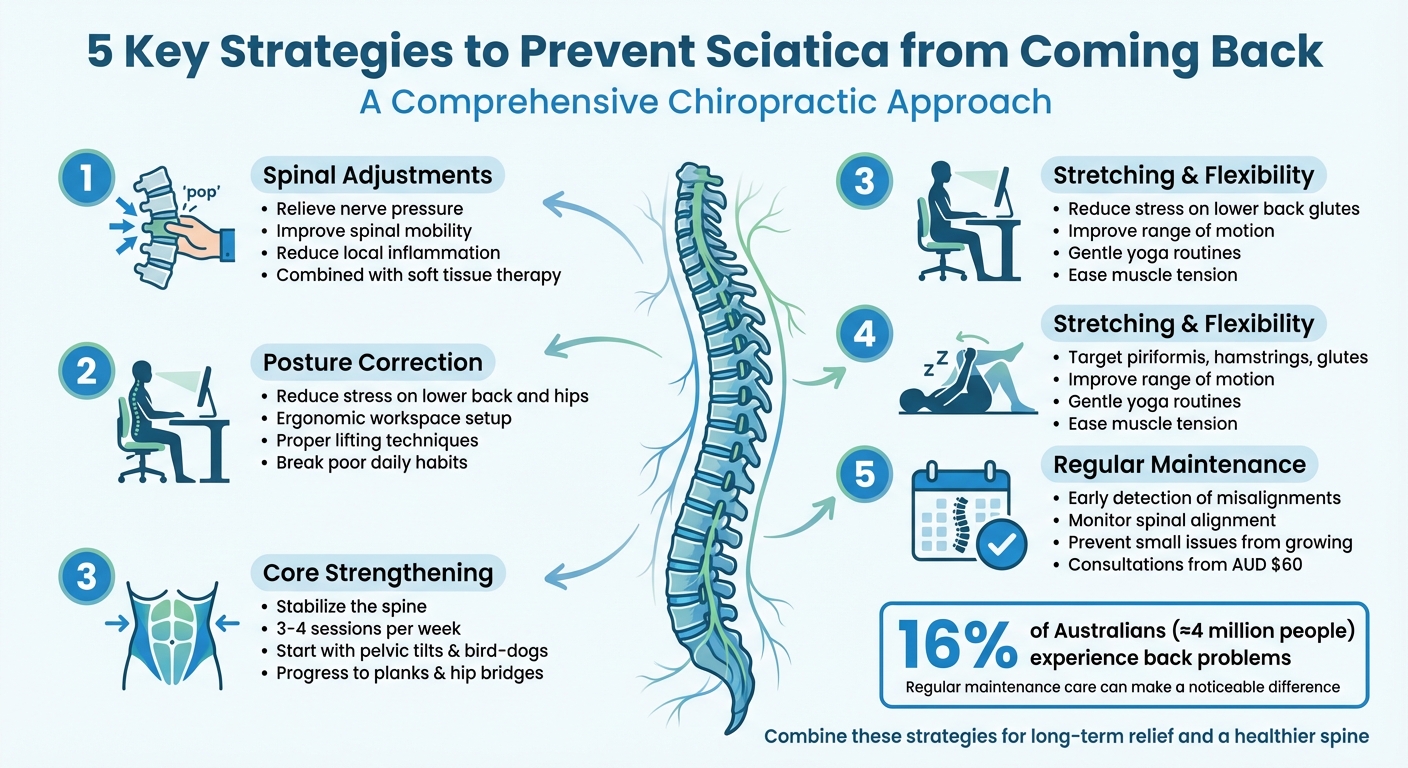
5 Chiropractic Strategies to Prevent Sciatica Recurrence
How Exactly Does Chiropractic Help Sciatica? – CORE Chiropractic
How Chiropractic Care Can Support Sciatica Prevention
Chiropractic care offers a hands-on approach aimed at improving spinal alignment, supporting nervous system function, and addressing movement patterns that strain the lower back and hips. By focusing on these areas, it may help reduce mechanical stress on the sciatic nerve and lower the chances of recurrence.
Spinal Adjustments to Ease Nerve Pressure
Spinal adjustments involve controlled, quick thrusts to restore proper alignment and mobility in the spine. These adjustments can help ease restrictive movements and may also reduce local inflammation, potentially relieving nerve compression that contributes to sciatica pain.
But it doesn’t stop there. Many chiropractors combine spinal adjustments with soft tissue therapy and targeted exercises. This combination works to address muscle imbalances and promote long-term relief, helping prevent future flare-ups.
Supporting Nervous System Function
Chiropractic care also focuses on how spinal alignment impacts the nervous system. By reducing physical strain and addressing factors like hydration, nutrition, and ergonomics, regular chiropractic care may support smoother nervous system function and reduce the likelihood of sudden nerve-related symptoms.
Additionally, chiropractors often provide guidance on improving posture, which plays a key role in maintaining spinal health and reducing stress on the sciatic nerve.
Correcting Posture and Movement Patterns
Poor posture and incorrect movement habits can place ongoing stress on the lower back and hips, increasing the risk of sciatica reappearing. Chiropractors assess how you sit, stand, and move throughout your day, offering tailored advice to make practical changes.
This might include tips for setting up your desk ergonomically, proper lifting techniques, or breaking daily habits that lead to misalignment. By encouraging regular, proper movement, chiropractic care helps protect the spine and improve overall function, especially during acute sciatica episodes.
Exercise and Lifestyle Changes for Prevention
Chiropractic care tends to work best when combined with simple, at-home practices. Strengthening your body, improving flexibility, and being mindful of your daily movements can help ease strain on your lower back and sciatic nerve. These efforts, alongside chiropractic adjustments, may help reduce strain and lower the chances of sciatica returning.
Core Strengthening Exercises
Your core muscles – those in your abdomen, back, pelvis, and hips – play a key role in stabilising your spine. Think of them as your body’s internal brace, helping to absorb impacts and distribute stress evenly. This support can protect your discs and joints, potentially easing pressure on the sciatic nerve.
Before diving into any new exercises, it’s wise to check in with your GP or physiotherapist, especially if you’re recovering from sciatica. Start with a brief 5- to 10-minute warm-up, like walking or hopping on a stationary bike. Focus on keeping a neutral spine during exercises to avoid unnecessary strain. Aim for 3 to 4 sessions a week, beginning with beginner-friendly moves like pelvic tilts and bird-dogs. Once you’re comfortable, you can progress to exercises such as planks or hip bridges. If you feel sharp pain at any point, stop immediately and seek professional advice.
Stretching for Flexibility and Muscle Relief
Flexibility is just as important as strength when it comes to preventing sciatica. Regular stretching can help improve your range of motion and ease muscle tension, which might be pressing on the sciatic nerve. Pay special attention to areas like the piriformis, hamstrings, and glutes – tightness here is often a culprit in nerve discomfort.
Gentle yoga routines are a great way to combine stretching with controlled breathing, targeting the muscles around the sciatic nerve. Making stretching a regular part of your routine can help improve both flexibility and overall comfort.
Ergonomic Adjustments for Daily Activities
Posture matters, especially when aiming to maintain the spinal health benefits of chiropractic care. Following the 90-90-90 rule can make a big difference: keep 90-degree angles at your elbows, hips, knees, and ankles when sitting. Position your computer monitor so the top of the screen is at eye level and about 50 to 100 centimetres away. Use a chair with lumbar support, or place a rolled-up towel at the small of your back. Keep both feet flat on the floor and avoid crossing your legs.
Switching up your posture throughout the day is also key. Try the 20-8-2 rule: spend 20 minutes sitting, 8 minutes standing, and 2 minutes moving. Studies suggest that these short, frequent breaks can improve circulation and reduce lower back pain by as much as 66%.
sbb-itb-585d67d
The Benefits of Regular Maintenance Care
After finding relief from sciatica, the next step is reducing the chances of it coming back. Regular chiropractic check-ups can help by keeping your spine aligned and addressing small issues before they grow into bigger problems. These visits are designed to catch minor misalignments early on.
During maintenance visits, chiropractors monitor your spinal alignment and look for subtle shifts in the vertebrae that could lead to nerve or joint pressure. Everyday activities like sitting at a desk, lifting heavy items, or even sleeping awkwardly can cause these minor misalignments, also known as subluxations. Addressing these early can help prevent discomfort later.
In addition to alignment checks, chiropractors often assess your posture and identify habits or imbalances that may affect your spine. Regular adjustments, combined with ergonomic advice, can help your body maintain better posture and alignment over time. Considering that around 16% of Australians – approximately 4 million people – experience back problems, staying proactive about spinal health can make a noticeable difference.
Another benefit of consistent chiropractic care is its potential to support your nervous system. By easing physical stress and reducing muscle tension, it can contribute to overall comfort and balance. Some clinics offer consultations starting from AUD $60, making maintenance care an option for many.
"Unless you treat the underlying cause of your discomfort, the pain will just keep returning." – MyChiro
By combining regular check-ups with lifestyle adjustments, you can work towards ongoing spinal health and reduce the risk of future sciatica episodes.
If you’re considering a personalised maintenance care plan, reaching out to a qualified Chiropractor can be a great first step.
This information is general in nature and does not replace professional medical advice.
Chiropractic care focuses on musculoskeletal health, and results can vary between individuals.
Always consult a qualified healthcare professional before making decisions about your health.
Conclusion
Preventing sciatica from coming back involves more than just addressing the immediate pain. A well-rounded approach that blends chiropractic care with consistent exercise, posture improvements, and lifestyle changes can help promote long-term spinal health and reduce the chances of future flare-ups. Instead of merely masking symptoms, this strategy works to target root causes like spinal misalignment, weak core muscles, poor ergonomics, and a sedentary lifestyle.
Think about how these elements work together in daily life. Chiropractic adjustments may help improve spinal alignment, while regular exercise strengthens your core and supports your back. Adding stretching routines, making ergonomic tweaks at your workstation, and staying active with low-impact activities like walking or swimming can provide extra protection for your lower back. Research even suggests that staying active often leads to better outcomes than extended periods of bed rest.
The benefits of this approach go beyond just easing pain. Studies indicate that chiropractic care might be linked to lower overall healthcare costs and shorter treatment durations for chronic back pain compared to traditional medical treatments.
By combining clinical care with practical lifestyle changes – like staying hydrated, following an anti-inflammatory diet, and managing stress – you can create a healthier environment for your spine and nervous system. This comprehensive approach may reduce the need for invasive treatments or reliance on pain medications, helping you maintain the mobility and quality of life required to manage work, family, and everyday activities.
For a tailored maintenance plan, reach out to a qualified Chiropractor in Bondi Junction.
This information is general and not a substitute for professional medical advice.
Chiropractic care focuses on musculoskeletal health, and results may vary between individuals.
Always consult a qualified healthcare professional before making decisions about your health.
FAQs
How can regular chiropractic care help reduce the chances of sciatica coming back?
The number of chiropractic visits needed to help manage and reduce the recurrence of sciatica varies based on your individual condition and needs. In the beginning, you might need to visit 2–3 times a week to address acute symptoms and aid recovery. As your spinal health improves, these visits can often be spaced out to weekly, fortnightly, or even monthly sessions for maintenance.
Regular chiropractic care can help keep your spine aligned, ease pressure on your nervous system, and promote better posture. These factors may play a role in preventing sciatica from returning. Your chiropractor can create a personalised plan that aligns with your health goals and fits comfortably into your lifestyle.
What exercises can help support chiropractic care for managing sciatica?
Exercises that complement chiropractic care for sciatica often aim to enhance flexibility, build muscle strength, and maintain spinal mobility. Stretching the lower back, hamstrings, and gluteal muscles can ease tension around the sciatic nerve. Commonly suggested stretches include hamstring and piriformis stretches, both of which may help reduce discomfort and improve movement.
Engaging in low-impact activities like walking or swimming can also support spinal health and assist in managing sciatica symptoms. However, it’s essential to approach these exercises gradually. Always check with a qualified chiropractor or healthcare professional to ensure the exercises are appropriate for your specific situation. Personalised guidance can help you get the most out of these activities while minimising the risk of injury.
What ergonomic adjustments can help prevent sciatica?
To help lower the chances of sciatica, setting up your workspace with proper ergonomics can make a big difference. Start by choosing a chair that offers solid lumbar support, helping to keep your back in a healthy, aligned position. Adjust your desk and chair so your knees are bent at a 90-degree angle, your feet rest flat on the floor, and your monitor is positioned at eye level to minimise strain on your neck and back.
Equally important is staying active during the day. Make it a habit to shift positions, stand up, stretch, or walk around regularly. Avoid sitting with your legs crossed, as this can put extra pressure on the sciatic nerve. These simple adjustments can encourage better spinal health and may help lower the chances of sciatica symptoms coming back.


