

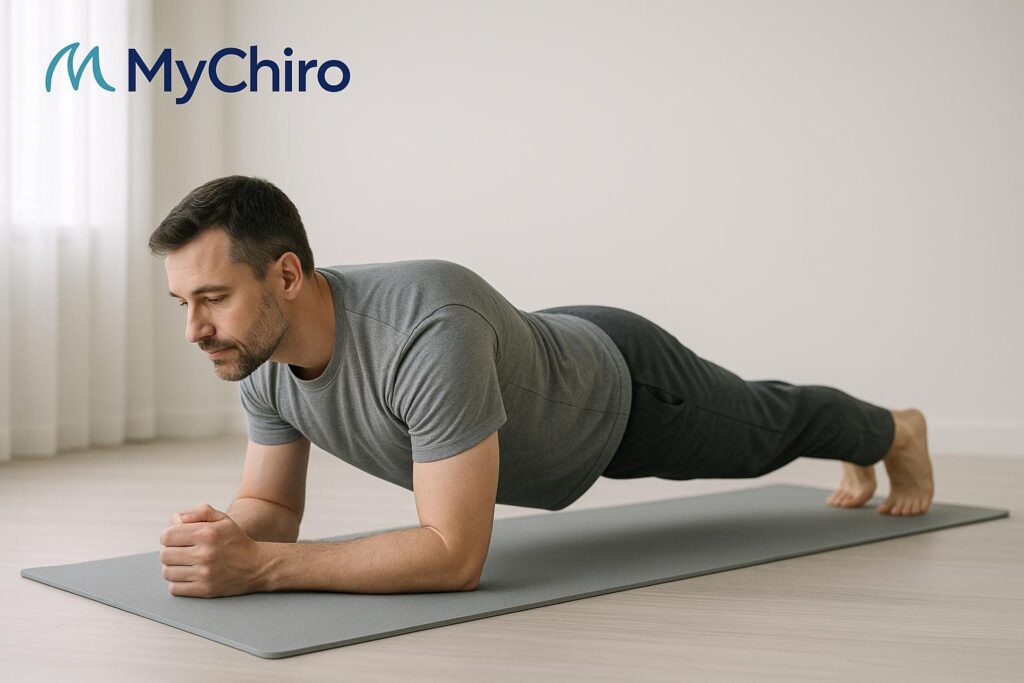
Back pain is one of the most pervasive issues of modern life, exacerbated by desk jobs, prolonged screen time, and poor posture. The quest for relief often leads people to countless treatments, but what if a simple, science-backed exercise regimen could provide lasting results? Enter the "Big Three" exercises, pioneered by Dr Stuart McGill, a renowned expert in spine biomechanics. These exercises aren’t just for those in the throes of back pain – they’re preventive tools for building core stability, enhancing performance, and fostering a pain-free life.
This article will explore the rationale behind the Big Three, how they work, and why they’ve become a cornerstone for health professionals and athletes alike. Whether you’re a busy professional, an active parent, or someone looking to optimise your movement, this guide provides actionable insights to help you strengthen your core while protecting your spine.
Understanding Core Stability: The Foundation of Movement
To understand the importance of the Big Three exercises, we first need to grasp the role of core stability. Think of your body as a mechanical system, similar to a backhoe. Its arm can only generate force effectively if the machine’s stabilisers are locked firmly into the ground. Similarly, in humans, the core is the stabilising foundation essential for efficient, pain-free movement. Without proper stiffness in the torso, movements like lifting, pushing or twisting will create "energy leaks", making actions less effective and potentially causing strain or injury.
Dr McGill’s research has shown that core stability isn’t just about strength – it’s about coordination and resilience. By training the core to remain rigid and stable during movement, these exercises teach the body to transfer energy efficiently while sparing the spine from excessive loading.
The Big Three: Exercises That Build Resilient Backs
The Big Three exercises – modified curl-up, side plank, and bird dog – were developed after extensive testing of various movements for their ability to improve core stability while minimising spinal stress. These exercises are simple yet highly effective, and they cater to individuals across a broad spectrum of fitness levels. Here’s a breakdown of each exercise:
1. Modified Curl-Up: Building Controlled Abdominal Strength
Unlike traditional crunches, which can aggravate the spine, the modified curl-up is designed to engage the abdominal muscles without excessive spinal flexion. This exercise focuses on controlled, safe activation of the core, making it ideal for those with sensitive lower backs.
- How to Perform: Lie on your back with one leg bent and the other straight. Place your hands under the curve of your lower back to maintain a neutral spine. Gently lift your head, neck, and shoulders off the ground while bracing your core. Hold for 10 seconds, then lower back down.
- Why It Works: This movement fosters abdominal activation while protecting the spine, helping to build proximal stiffness essential for pain-free movement.
2. Side Plank: Targeting Lateral Stability
The side plank effectively activates the obliques and deep stabilising muscles on one side of the body while reducing spinal load. It’s particularly beneficial for those seeking better posture or relief from lower back pain.
- How to Perform: Lie on your side with your legs straight and feet stacked. Prop yourself up on your forearm, ensuring your body forms a straight line from head to toe. Hold for 10 seconds, then switch sides. For beginners, start with knees bent.
- Why It Works: The side plank challenges only half the musculature at a time, reducing strain on the spine while building strength and endurance in core stabilisers.
3. Bird Dog: Enhancing Coordination and Core Control
This exercise teaches the brain to coordinate limb movements while keeping the spine stable. By engaging the back and abdominal muscles simultaneously, the bird dog builds a strong foundation for everyday activities and athletic performance.
- How to Perform: Start in a tabletop position with knees under hips and hands under shoulders. Extend one arm forward and the opposite leg backward, maintaining a neutral spine. Hold for 10 seconds, then return to the starting position and switch sides.
- Why It Works: The bird dog reduces spinal loading while promoting cross-body coordination and core stiffness – ideal for improving overall functional movement.
Why the Big Three Are Different
While many exercise regimens focus purely on strengthening muscles, the Big Three emphasise building the right kind of stability. Dr McGill notes that these exercises are particularly effective because they are "spine-sparing", making them suitable for individuals with existing pain or injury. Unlike generic fitness routines, the Big Three are rooted in biomechanical research and tailored to address the specific demands of the human body.
Additionally, these exercises create a "residual stiffness" effect. Studies have shown that completing the Big Three prior to physical activity improves core stability for hours afterward, enhancing performance in activities like running, cutting, and lifting. This benefit is particularly valuable for athletes or anyone engaged in dynamic, high-demand movements.
Who Can Benefit from the Big Three?
The beauty of the Big Three lies in their versatility. These exercises are suitable for a wide range of individuals, including:
- Office Professionals: Combat poor posture and tech-neck with improved core support.
- Active Parents: Manage the physical demands of parenting while staying pain-free.
- Athletes: Enhance performance and reduce the risk of injury.
- Wellness Seekers: Incorporate these movements into a holistic routine for better mobility and strength.
- Anyone with Back Pain: Find relief through targeted, spine-safe core exercises.
It’s important to note that these exercises aren’t universally applicable. Individuals with extreme stiffness or certain biomechanical conditions may require alternative approaches. Always consult a professional for a personalised assessment if unsure.
Practical Tips for Implementing the Big Three
- Start Small: Begin with short 10-second holds for each exercise, repeating 6–8 times. Gradually increase duration and repetitions as your endurance improves.
- Focus on Form: Proper technique is critical to prevent injury and maximise benefits. Avoid compensatory movements like arching the back or twisting the hips.
- Integrate Into Your Routine: Complete the Big Three as part of a daily or weekly regimen, particularly before high-demand activities. For example, try a 12-minute session mid-morning and mid-afternoon.
- Listen to Your Body: If an exercise triggers pain, modify it or seek guidance from a professional.
Key Takeaways
- Core stability is essential for pain-free movement, efficient energy transfer, and injury prevention.
- The Big Three exercises – modified curl-up, side plank, and bird dog – are scientifically validated for their ability to build core stiffness while sparing the spine.
- These exercises are ideal for individuals with back pain, as they strengthen stabilising muscles without overloading the spine.
- Performing the Big Three regularly can enhance athletic performance, improve posture, and reduce the risk of future injuries.
- Consistency is key – short but frequent sessions yield the best results.
- Proper assessment is vital; not all back pain originates from the same cause, and exercise should be tailored accordingly.
Conclusion
The Big Three exercises offer a research-backed, practical approach to addressing back pain and improving core stability. Whether you’re looking to alleviate discomfort or optimise your movement, these exercises provide a sustainable, evidence-based solution. By incorporating them into your routine, you can move through life with greater confidence, strength, and resilience.
For those seeking clarity amidst the overwhelming sea of fitness advice, the Big Three stand out as simple, accessible, and profoundly effective tools to support whole-body health. Take the first step today and discover the transformative power of core stability.
Source: "The 3 Best Exercises for Back Pain Relief | Stuart McGill, Ph.D." – Peter Attia MD, YouTube, Sep 4, 2025 – https://www.youtube.com/watch?v=j2qppqLKEi0
Use: Embedded for reference. Brief quotes used for commentary/review.