

Back pain is a pervasive issue that impacts millions of people globally, often leading to discomfort, reduced mobility, and diminished quality of life. For many Australians, busy lifestyles, desk-bound professions, and poor posture can exacerbate the problem. To shed light on prevention strategies, Dr. Justin Tortolani, Director of the Spine Institute at the University of Maryland St. Joseph Medical Centre, shares expert insights on maintaining a strong and healthy spine. This article condenses key learnings from his discussion, offering actionable advice tailored for proactive individuals seeking natural, evidence-based solutions.
The Leading Causes of Back Pain and How to Avoid Them
The most common culprits of back pain include disc injuries and muscular strains. Disc injuries often occur during activities that involve awkward lifting or sudden movements, while muscle strains are prevalent among "weekend warriors" engaging in sporadic physical tasks like gardening or sports.
Key Prevention Strategies:
- Maintain a Healthy Weight: Excess weight places undue stress on the spine, particularly the lower back. Addressing obesity is crucial for reducing this strain.
- Strengthen Core Muscles: A strong core supports proper posture and reduces the likelihood of injury. Core exercises such as planks and bridges are excellent starting points for building abdominal and back strength.
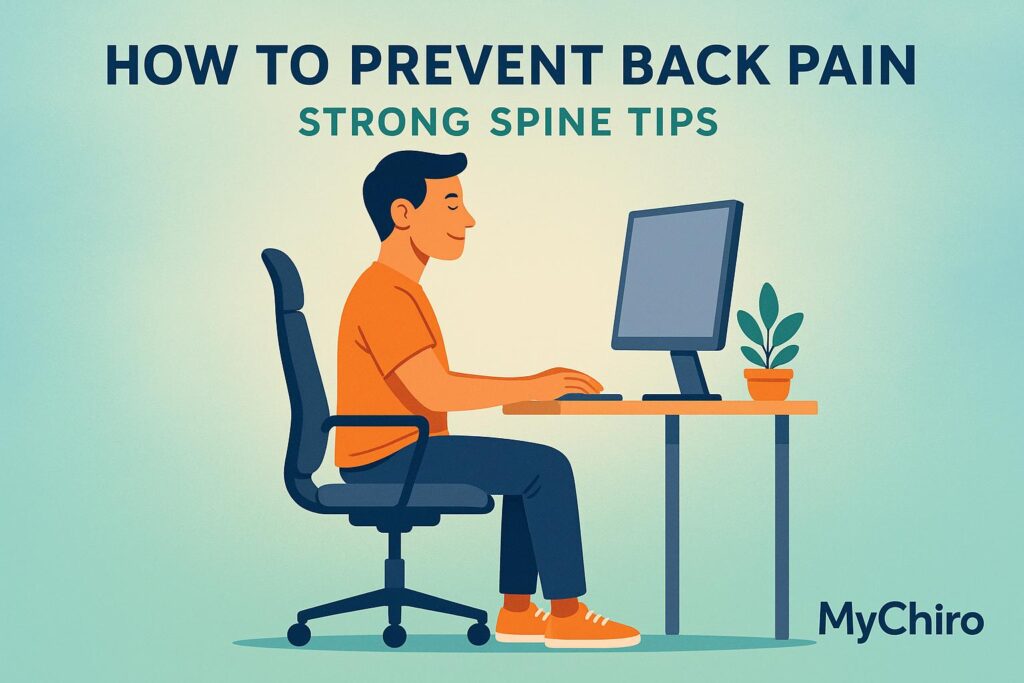
- Adopt Ergonomic Practices: For those who spend long hours sitting, proper workplace ergonomics are essential. Using lumbar support, aligning screens to eye level, and avoiding slouching can make a significant difference.
Exercises to Build a Resilient Spine
Dr. Tortolani highlights the importance of starting with simple exercises, especially for beginners. He recommends isometric exercises that strengthen muscles without overloading the spine. These exercises include:
- Planks: Hold your body parallel to the ground, supported by your forearms and toes, to engage your core.
- Bridges: Lie on your back and lift your pelvis off the ground to strengthen the lower back and glutes.
- Partial Stomach Curls: Perform a modified sit-up to activate abdominal muscles.
For beginners unable to maintain a flat plank position, bending the knees can help reduce strain while still building strength. Aim to progressively work towards a parallel posture.
Cardiovascular Fitness and Spine Health
Dr. Tortolani underscores the role of cardiovascular conditioning in promoting blood flow to the back muscles and discs. Activities like walking, cycling, or swimming not only enhance heart health but also reduce the risk of back pain. Studies have even linked high blood pressure to back discomfort, emphasising the interconnectedness of overall fitness and spinal health.
Why Posture Matters in the Fight Against Back Pain
Modern work habits, especially during the pandemic, have led to a surge in back problems due to poor posture. Slouching while working on laptops, sitting on couches, or using improper chairs strains the spine and neck, contributing to conditions like tech-neck.
Posture Tips for Desk Workers:
- Lumbar Support: Use a lumbar pillow or a chair with built-in support to keep your shoulders and chin aligned.
- Screen Height: Position the monitor so the centre aligns with your eye level to minimise neck strain.
- Frequent Movement: Regularly stand, stretch, or walk to avoid prolonged periods of sitting.
Recognising When to Seek Medical Attention
While many back pain cases can be managed with lifestyle adjustments, there are critical warning signs that require medical evaluation. Dr. Tortolani advises seeking help if you experience:
- Leg Pain or Weakness: Radiating pain, tingling, or numbness in the legs often signals nerve involvement.
- Bladder or Bowel Dysfunction: Changes in these functions can indicate severe spinal conditions, such as nerve compression.
- Night Pain: Pain that disrupts sleep could signify issues like a spinal infection.
Early intervention can prevent problems from escalating and reduce the likelihood of requiring surgery.
Lifestyle Changes for Long-Term Spinal Health
Beyond exercise and posture, adopting a holistic approach to health can significantly reduce back pain risks. Dr. Tortolani recommends integrating the following habits into your daily routine:
- Weight Management: Gradual weight loss through a combination of healthy eating and physical activity reduces spinal load.
- Regular Activity: Engage in low-impact activities, such as walking or yoga, to keep muscles strong and flexible.
- Safe Lifting Practices: Always bend at the knees and hips, rather than the waist, when lifting heavy objects to avoid straining the back.
Dr. Tortolani also acknowledges the role of newly available weight-loss medications, such as GLP-1 drugs, in aiding patients unable to exercise due to pain. While these drugs are not a substitute for a healthy lifestyle, they can be a useful tool for those seeking to reduce strain on their spine.
Key Takeaways
- Disc and Muscle Strains: The most common causes of back pain often stem from improper lifting and poor posture.
- Core Strength: Exercises like planks and bridges help stabilise the spine and prevent injuries.
- Ergonomics: Invest in proper lumbar support and maintain good desk posture to protect your back during long hours of sitting.
- Cardiovascular Fitness: Regular cardio improves blood flow to the spine, reducing the risk of pain.
- Recognise Red Flags: Symptoms like leg numbness, bladder dysfunction, and night pain warrant immediate medical attention.
- Lift Safely: Always hinge at your knees and hips, not your waist, when lifting heavy objects.
- Holistic Health: Maintain a balanced diet, manage your weight, and stay physically active to support spinal well-being.
Conclusion
Preventing back pain requires a multifaceted approach that combines core strengthening, ergonomic practices, and overall lifestyle changes. By adopting these strategies, you can protect your spine, improve your posture, and enhance your quality of life. Whether you’re an office professional, a tradesperson, or a busy parent, prioritising spinal health is an investment in your long-term well-being. Take proactive steps today to prevent pain tomorrow.
Source: "Preventing Back Pain: Expert Tips for a Strong, Healthy Spine" – University of Maryland Medical System, YouTube, Dec 16, 2024 – https://www.youtube.com/watch?v=Nadu9SriYTU
Use: Embedded for reference. Brief quotes used for commentary/review.


