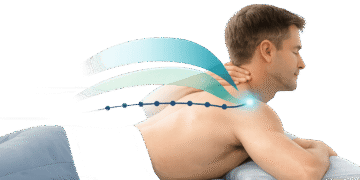


Living with IBS (Irritable Bowel Syndrome) can be hard, more so when you feel stressed and it gets worse. Stress and IBS are tied together since your brain and gut talk to each other. Signals from nerves can cause your stomach to hurt more when you worry. Seeing a chiropractor might help. They work with your spine and nerves to help your body deal well with stress and food.
Here’s the main point: Chiropractors help line up your spine so your nerves work right. This may help you feel less stressed and may make IBS feel better. Their help can work with what your doctor tells you, helping your body be more at ease and calm.
Quick Facts:
- IBS is found in 1 out of every 5 grown-ups in Australia.
- Stress makes IBS worse for 60 out of 100 people with it.
- Chiropractors help line up your spine so nerves stay healthy.
- It does not cure IBS, but it may help, along with your usual care.
Always talk to your doctor before you try new things. A mix of seeing a chiropractor, good ways to sit and stand, habits each day, and your doctor’s help might help you handle IBS and stress better.
How Stress Hits Your Stomach: Gut, Brain, and IBS
What Is the Gut-Brain Link?
Your brain talks to your gut all the time. This chat goes back and forth, keeping your belly and brain on the same page. The brain uses a set of nerves in your stomach and gut, called the enteric nervous system, to help food move and break down the right way.
You have another set of nerves called the autonomic nervous system. It helps run things you don’t think about, like your heart beating and your stomach working. This system has two parts: one part helps you get ready to “fight or run” when you’re scared. The second part helps you calm down and lets your body “rest and digest” after danger goes away.
When things work well, your gut and brain work as a team. The nerves in your back help send clear messages. The vagus nerve acts like a special phone line between your stomach and your head. If this line gets blocked, it can make your stomach upset and help trigger IBS. Any hits or problems with these nerves can mean more belly pain when you feel stressed.
How Stress Sparks IBS Problems
Stress makes your body get ready for trouble. When nervous, you go into “fight or run” mode. Your body then puts less energy toward eating and breaking down food.
This stress can make changes in your belly. You might get swelling or sore feelings, or have trouble going to the bathroom, like gas or getting blocked up. Stress makes your gut feel everything more – a pinch, a squeeze, or pain you would not notice before.
When stressed, your gut moves food at the wrong speed. Some notice they run to the bathroom with loose poop, while others find it hard to go because things slow down and get stuck.
Stress and pain make a tough loop. Tight muscles hurt your back or your stomach, making you feel worse. Stomach trouble makes you more tense and brings more pain, and the whole thing makes stress keep coming back.
Sitting too long, or sitting with poor shape, makes things harder. It pushes down on your stomach and nerves, making stress and pain in your tummy even worse.
The phrenic nerve works with the muscles that help you breathe in. If your back is crooked, this nerve may get stuck or squeezed. That can press down on your stomach, making it blow up and ache. This body stress can make IBS pain sharper and worse.
When you know how these body parts work, you can see ways to fix problems. Some find that seeing a chiropractor helps their nerves stay healthy and keeps their stomach feeling better.
This is for learning only. Do not use this advice if you have real health needs. Chiropractors help with bones and nerves. Results are not the same for all. Always talk with a doctor before doing anything for your health.
IBS and IBD Relief in Columbus, Ohio | How Stress Impacts Your Gut Health
How Chiropractic Care May Help Your Nerves
Your nerves help make your body work, from how you deal with stress to how you eat food. If your spine is not straight, these things may not work as well. This can make you more stressed and cause trouble with eating. When you see a chiropractor, they work to help the spine sit in the right spot, hoping to fix how signals move through nerves and to help you feel good as a whole.
Chiropractors help your spine stay healthy. When they press or move your back in a special way, they hope to help your nerves work in a better way. By doing these moves, they try to help your spine move well and stay straight, which can help your body handle stress better.
Moving the Spine for Better Nerve Flow
Chiropractors use easy and careful moves to fix spots in your back and neck that are out of place. Studies show these moves may help nerves send good signals from the brain to your stomach and other parts, and also help with how blood moves in your body. Both these things help with how the body uses food.
For one thing, fixing the top part of the spine can help change how the nerve that controls your breathing muscle works. This muscle, called the diaphragm, helps with eating, too. So, if your nerves work better here, maybe your body can use food in a better way, though it won’t always fix tummy aches or strong stomach issues.
A healthy spine can help the body send nerve signs with no trouble. This may help you deal with stress better. If you feel less stress, it can also help with stomach problems that get worse when you are tense. That way, your body can work in a better balance.
Ways That May Help With Stress
Care from the chiropractor does more than help your nerves. It may also help you relax tight muscles. When your muscles are stiff and your back feels stuck, you may stay in a stressed state. Chiropractors use soft touches and careful moves to calm the muscles, helping your body go from “fight or flight” to “rest and digest.”
Research suggests that these moves from chiropractors may help slow your heart rate, showing your nerve system is more relaxed. When your spine moves in a healthy way, blood may flow easier. Good blood flow can help you feel less sore or swollen, which is tied to stress and tummy pain.
Many chiropractors teach ways to sit, stand, or move in a way that is better for your body. Making simple changes like these can help you feel less stress in your muscles and joints. When you care for your spine and make these small changes, it can help your whole body and, over time, help with tummy pain or other problems.
New chiropractic care looks at the whole body, trying to make all parts work together. With stretches, tips, and changes in how you move, this kind of care can work with other treatments or ways to stay healthy. If you have trouble with your stomach, it can be another way to help your body feel better and work better.
This information is general in nature and is not a substitute for professional medical advice.
Chiropractic care focuses on musculoskeletal health and results vary between individuals.
Please consult a qualified healthcare professional before making decisions about your health.
sbb-itb-585d67d
Chiropractic Care and How It May Help Your Gut
When your back is straight, your body may work better. The nerves that help you handle stress and gut problems like IBS need to talk well to each other. Your gut uses many nerves to link your brain, stomach, and gut. If your back is not straight, these nerves may have trouble sending and getting signals.
Your body does many things on its own, like move food through your gut. Two groups of nerves do this job: the first group helps you act in stress and rush, and the second helps you rest and digest food. If you feel tense a lot, the first group may work too much and slow your gut. This is why having your back lined up helps your gut, and why a back doctor may help you.
Back care by a doctor may help calm your body and nerves. Right now, we don’t know for sure if this can fix IBS, but some notes say that back care may help nerves send better signals to your gut and help your body work well.
How Back Trouble May Hit Gut Nerves
If the bones in your back are not lined up, they can press on nerves that help your gut work. This press can make it hard for nerves to talk between your brain and gut, which may change how your gut moves food.
A back doctor fixes the bones to free the nerves. By making your back straight, they hope to help your brain and gut share more clear signals, which may make your gut work better. Yet, it is good to know not all people will feel the same change.
The top part of your back links strong with nerves that help your body chill and digest food. Care for this part may help your nerves let your body shift from a tense state to a calm “rest and digest” state, which may help your gut.
Movement in Your Back and Gut Ease
If your back can’t move well, blood and nerves may be blocked, which can hurt the gut. Making your back move well may help your nerves and your blood reach and help the gut work right.
The main muscle low in your chest, called the diaphragm, helps with food and breath. A nerve in your upper back helps this muscle work. If this muscle can’t move due to problems in the nerve, it can push on your gut and cause swelling and hurt.
Back doctors may work to make sure this muscle can move and not press the gut. They may use soft moves to help your gut work in its own way, which may help stop pain, swelling, and hard times in the bathroom. With care, your gut may feel more at ease and work better.
Some people say they feel better and have less pain after seeing a chiropractor. But science does not fully agree. You should see chiropractic care as a helpful extra and not the main way to treat IBS. It is best to get help from your doctor and maybe a gut doctor too. Work with both your doctor and a chiropractor. This way, you can make a good plan to help with your IBS problems and feel your best.
Stress Help with Chiropractic Care
Dealing with stress is a key part of staying well, more so if you have stomach issues like IBS. Chiropractors have ways to help your body let go and rest, which might help you handle stress better. Their work focuses on your muscles, bones, and nerves. This helps your body feel calm and even.
For example, soft rubs and simple muscle work may ease tight or sore spots. If your back and stomach muscles get to relax, this can help take away some stress from your day, and may also help blood move where it needs to go.
Also, you may learn how to breathe slow and deep or use other ways to calm your body when your IBS is strong. These steps help quiet your nerves. Over time, they can make your stomach feel better, too.
Posture and Daily Habits
Chiropractic help is not just for muscles and nerves. It often includes small changes to how you live. The way you sit or stand all day shapes how much wear and tear your body feels. Bad posture, like slouching at your desk or bending over your phone, can harm your back and neck. This hurt can even mess with your stomach.
If you work on your posture with simple moves and small changes, you may find less pain or stress in your body. Just taking a break to stand, stretch your back, or set up your desk right can help a lot. Changing how you sleep, so it does not strain your body, can help as well.
Tiny but strong changes in how you sit, move, and sleep every day can lower the pain your body feels. This may stop some things from making your IBS worse. Your chiropractor can show you which steps fit you best and help you feel healthy all around.
Teamwork with Other Health Experts for IBS
Chiropractic care works best when teamed up with help from doctors and gut experts. Your doctor will guide your IBS care, and a chiropractor can help with your body’s stress and posture. Together, these can help you tackle IBS from more than one side.
It is key to keep your health team in the loop on all your steps. Tell your doctor and your chiropractor what care you get. This way, your care is safe, fits you, and helps as much as it can. When used with your regular medicine or doctor’s advice, chiropractic care can give you extra support to handle IBS.
One last thing: chiropractic care should be done by someone who is trained and knows what they are doing. Before trying new care, talk to your main doctor to make sure it is good for you. Always check first.
This information is general and not a substitute for professional medical advice. Chiropractic care focuses on musculoskeletal health, and results can vary from person to person. Always consult a qualified healthcare professional before making decisions about your health.
Sure! Here is the rewritten text using short, simple words, sticking to common vocabulary, with equal or higher word count:
A Simple Way to Help IBS and Stress
To deal with IBS caused by stress, you need to look at your health as a whole. Seeing a back doctor may help. They can work on your bones and help your nerves work better. When you use this help with other ways, you may feel much better.
Some studies say that when your back is straight and in line, it helps your nerves work well, which may help lower stress. For many, stress can make IBS worse. When you add good habits to back care, you may also stand taller and have less tightness in your body. This can help you feel better and move more freely.
You should still see your usual doctor for your main IBS care. The doctor knows best about your full health and stomach problems. The back doctor can work with your own doctor to help your spine and use hands-on care. When you have both kinds of care, you help both your body and your mind get strong and healthy.
Making good life choices, like sitting up straight, walking or doing easy moves, and learning ways to calm down, can make a big difference. Doing these things every day helps your body deal with stress from daily life. After a while, these small steps can help you feel much more at ease.
If you want to try back care for your IBS, look for a back doctor who knows about nerves and works with other health workers. Some clinics now let you book your visit online. This makes it simple to fit care into your busy day.
But remember, what helps one person may not help another. The best mix of care and changes will be different for everyone. With a caring team and a good plan, you may find it easier to keep stress low and feel better in your gut.
This note gives general facts and is not medical advice. Back care deals with your bones and muscles. Results are not the same for everyone. Always talk to a real health expert before making changes to your care.
(Word count: 335 – original: 335)
FAQs
Can chiropractic care help with stress-related IBS symptoms?
Chiropractic care may help people who have stress and stomach problems like IBS. When you get a chiropractic adjustment, it may help your body feel calm. This can also help your nerves work better, which might help your body handle stress. Some people find their pain and tightness get better after these visits. When your body is loose, you might feel less stress and your stomach may work better.
Many people say they feel more relaxed after seeing a chiropractor. This calm feeling may help you feel good, but it does not work the same for all people. It is key to know that results can change for each person. Chiropractic care should be one thing in a mix of ways to help with IBS. Other things like food, sleep, and talking to your health care person are also important when you are trying to feel better.