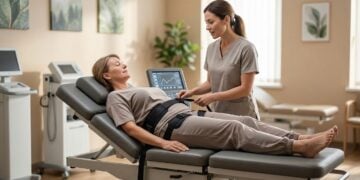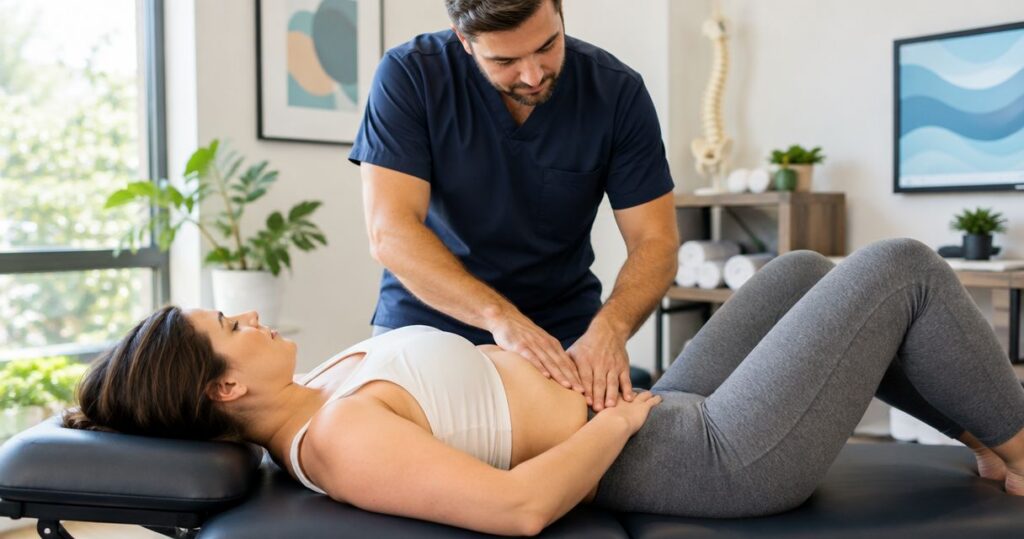
Postpartum diastasis recti chiropractic care is an adjunct approach that assesses spinal, pelvic and postural concerns with the aim of supporting a coordinated recovery plan. In 2026, chiropractic assessment should not be presented as closing abdominal separation; pelvic health physiotherapy, individual assessment and graded core rehabilitation remain central.
- Diastasis recti chiropractic care has a supporting role and does not directly close abdominal separation.
- Pelvic health physiotherapy assesses abdominal wall function and guides individual core rehabilitation.
- MyChiro can discuss postpartum posture, spinal load and pelvic joint concerns after an individual assessment.
- Seek medical advice for severe pain, fever, heavy bleeding, fainting, weakness or changes in bladder or bowel control.
- A 2026 plan should match your symptoms, birth recovery, daily activities and health professional’s advice.
Why chiropractic care matters for postpartum women
Diastasis recti is a widening of the connective tissue between the two sides of the rectus abdominis. It is common during pregnancy because the abdominal wall adapts as the uterus grows, but the width of the gap does not provide a complete picture of function.
Pressure control, tissue tension, pelvic floor symptoms and movement quality also matter. A pelvic health physiotherapist can assess these factors and decide whether exercise is appropriate for your stage of recovery. This guide to strengthening your core without straining your lower back explains general core principles, but postpartum exercise still needs to account for your birth history and current symptoms.
Postpartum routines create practical constraints. Feeding, lifting a baby, moving a pram, carrying bags and disrupted sleep can change how you sit, stand and distribute load. A 2026 care plan should therefore consider daily movement as well as formal exercise.
MyChiro provides chiropractic assessment for postpartum musculoskeletal concerns, while diastasis recti rehabilitation remains within a coordinated plan that can include pelvic health physiotherapy and medical care.
How to approach diastasis recti after pregnancy
Arrange an individual postpartum assessment
Start with your GP, obstetric care provider or pelvic health physiotherapist. An assessment can review the abdominal wall, breathing pattern, pelvic floor symptoms and the way the midline responds when you move or apply load.
A routine postnatal review is often arranged around 6 to 8 weeks after birth, but that timing is not a deadline for starting or progressing exercise. Recovery differs after vaginal birth, caesarean birth and pregnancy complications. In 2026, online gap checks should not replace clinical assessment when symptoms affect daily activity.
- Describe pain, pressure, heaviness, leaking or bulging rather than reporting gap width alone
- Explain whether symptoms appear during coughing, rolling, lifting or exercise
- Share relevant details about pregnancy, birth and postnatal complications
- Ask which movements are suitable now and which need modification
- Request referral when the concern falls outside the practitioner's scope
Check function instead of chasing one measurement
Finger-width checks can help identify separation, but they do not measure every part of abdominal wall function. The amount of tension through the midline and its response during movement provide additional clinical context.
Repeated self-testing can also distract from practical markers such as breathing comfortably, transferring out of bed and completing prescribed exercises without increased symptoms. Use measurements as one part of assessment, not as a pass-or-fail score.
- Check the midline only as directed by a qualified health professional
- Notice visible doming or bulging during ordinary movements
- Record which tasks increase pressure, discomfort or pelvic floor symptoms
- Review function during follow-up appointments rather than relying on daily testing
- Avoid comparing your measurement with another person's postpartum recovery
Coordinate breathing, pressure and movement
Breath-holding during effort increases pressure inside the abdomen. Learning to exhale through a lift and coordinate the deep abdominal wall with the pelvic floor can make everyday movement more controlled, but technique should be matched to your assessment.
The useful sequence is simple: prepare, breathe, move and reassess. It applies when standing from a chair, lifting a capsule or beginning a prescribed exercise. Stop if the movement causes marked pain, dizziness, pelvic heaviness or worsening symptoms.
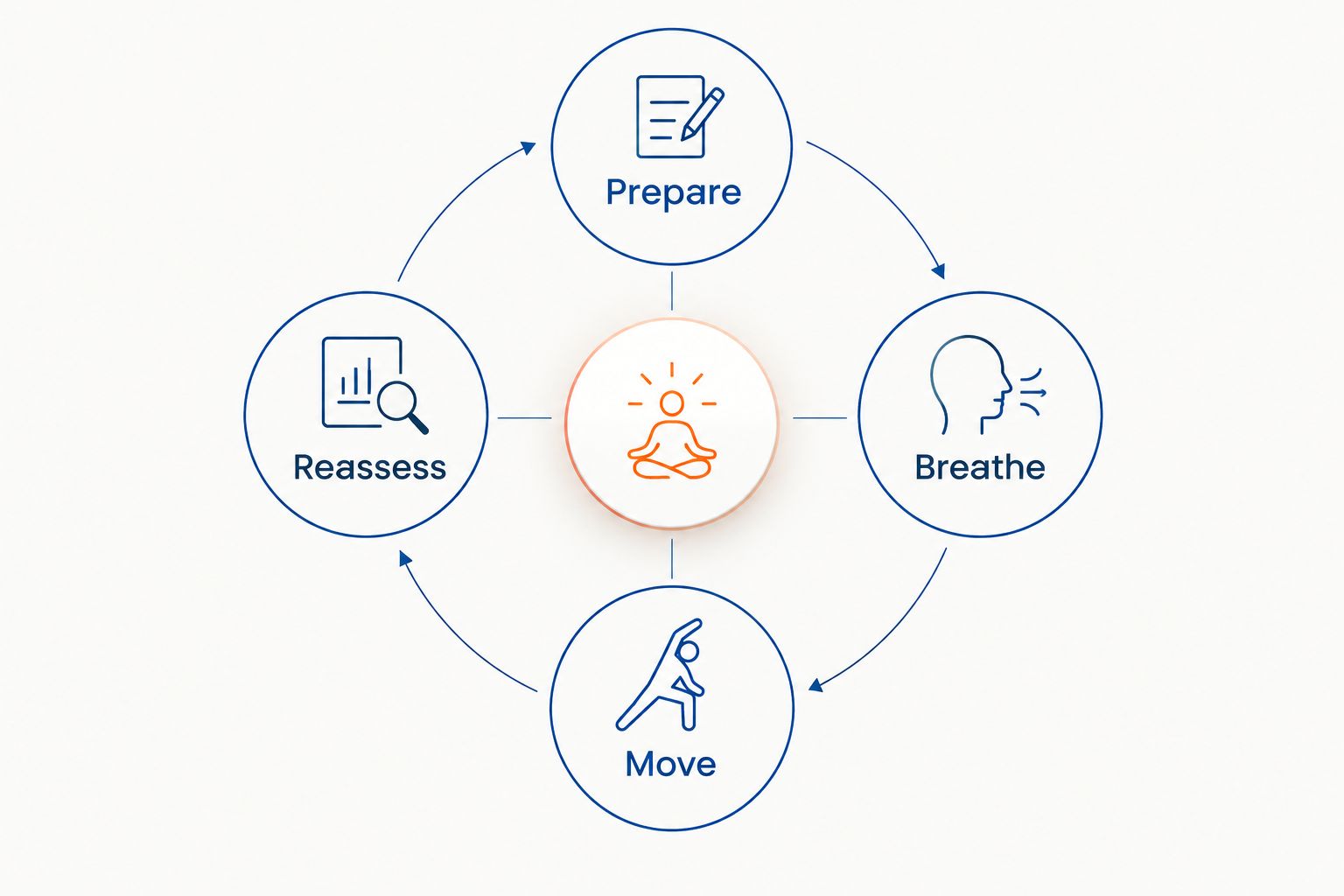
- Set your position before lifting or changing direction
- Exhale during the effort instead of holding your breath
- Use the movement strategy prescribed by your physiotherapist
- Reduce the load or range when symptoms increase
- Reassess technique before adding resistance or repetitions
Adjust feeding, carrying and lifting habits
Postpartum load is repetitive. Feeding positions can place the upper back in sustained flexion, while always carrying a baby or bag on one side can create uneven demand through the trunk and pelvis.
Small setup changes reduce unnecessary strain without claiming to alter the abdominal separation itself. The broader postpartum chiropractic care guide covers musculoskeletal considerations for new mums.
- Bring the baby towards you during feeding instead of repeatedly bending forward
- Support your arms and feet where practical
- Change sides and positions when this is comfortable and appropriate
- Keep frequently used items within easy reach
- Separate awkward combined loads into manageable movements
- Ask for help with lifting when birth recovery or symptoms limit the task
Add chiropractic assessment for musculoskeletal concerns
A chiropractor can take a health history and assess posture, spinal movement, pelvic joint mechanics and related musculoskeletal symptoms. Any proposed care should follow that assessment and remain within the chiropractor's professional scope.
Chiropractic adjustments do not directly repair the linea alba or replace abdominal and pelvic floor rehabilitation. MyChiro chiropractic care can instead be discussed as one possible part of a plan when postpartum back, neck or postural concerns are present.
- Explain your birth history and current postpartum stage
- List the movements that bring on musculoskeletal symptoms
- Mention pelvic floor symptoms so referral needs are not missed
- Ask how the proposed care fits with physiotherapy or medical advice
- Request a clear explanation of expected benefits, risks and alternatives
- Do not continue an approach that worsens symptoms without reassessment
Progress exercise according to symptoms and assessment
There is no single postpartum exercise sequence that suits every person with diastasis recti. The starting point depends on tissue response, pelvic floor function, pain, birth recovery, previous activity and current goals.
Gentle breathing or low-load movements can be appropriate for some people, but even simple exercises need modification when they trigger pain, pressure, leaking or pronounced doming. A 2026 exercise plan should progress through clinical review, not a fixed social-media timetable.
- Begin with exercises selected for your current findings
- Use controlled breathing during each prescribed movement
- Increase one variable at a time, such as range, resistance or complexity
- Pause and seek advice when symptoms increase during or after exercise
- Recheck technique before returning to demanding abdominal training
- Keep walking, lifting and household activity within the limits set by your care team
Recognise red flags and referral needs
Diastasis recti itself is not a reason to ignore new or severe postpartum symptoms. Some concerns need medical assessment rather than chiropractic care or unsupervised exercise.
Contact an appropriate health professional promptly when symptoms are persistent, worsening or difficult to explain. Seek urgent medical care for severe or sudden symptoms, particularly when they follow birth, surgery or trauma.
- Seek urgent medical care for heavy bleeding, fainting, chest pain or breathing difficulty
- Seek medical assessment for fever, wound concerns or severe abdominal pain
- Report new weakness, widespread numbness or changes in bladder or bowel control
- Discuss pelvic heaviness, leaking or pain with a pelvic health professional
- Request reassessment when function is not improving or symptoms are worsening
Comparing postpartum care options
The options below address different parts of postpartum recovery. In 2026, the right starting point depends on your symptoms and assessment rather than the professional title alone.
| Option | Suited to | Main limitation |
|---|---|---|
| GP or obstetric care provider | Medical review, postpartum complications and referrals | Does not usually provide a complete exercise rehabilitation program |
| Pelvic health physiotherapy | Abdominal wall, pelvic floor, pressure management and graded rehabilitation | Exercise still requires individual participation and follow-up |
| Chiropractic assessment | Posture, spinal movement, pelvic joints and related musculoskeletal concerns | Does not directly close the abdominal separation |
| Postnatal exercise professional | Supervised return to general exercise after appropriate screening | Scope and postpartum training vary between providers |
| Self-directed exercise | Practising an already prescribed program at home | Provides no live assessment when symptoms or technique change |
Pelvic health physiotherapy is the direct option for assessing diastasis recti function; chiropractic care is an adjunct when related musculoskeletal concerns also need assessment.
“Pelvic health physiotherapy is the direct option for assessing diastasis recti function; chiropractic care is an adjunct when related musculoskeletal concerns also need assessment.”
Common mistakes postpartum women make
Focusing only on gap width
A wider measurement does not automatically describe pain, strength or function. Treating one number as the whole diagnosis can lead you to ignore pressure control, pelvic floor symptoms and movement quality.
Starting generic abdominal training without screening
A program copied from social media cannot account for your birth recovery, symptoms or tissue response. Exercise selection and progression should follow an individual assessment when diastasis recti or pelvic floor concerns are present.
Assuming every symptom comes from diastasis recti
Back pain, pelvic discomfort, abdominal pain and weakness have multiple possible causes. A health professional should assess persistent or worsening symptoms rather than attributing everything to abdominal separation.
Using chiropractic care as a substitute for rehabilitation
Adjustments do not replace graded core and pelvic floor rehabilitation. MyChiro chiropractic care has a supporting musculoskeletal role after assessment, not a direct corrective role for the abdominal gap.
Ignoring the load outside exercise sessions
A short exercise session cannot offset every strained feeding, carrying or lifting position. Review the repeated tasks that occupy the rest of your day and discuss practical modifications with your care team.
Discuss a postpartum assessment
Ask how chiropractic assessment may fit alongside medical and pelvic health care.
FAQ
Can chiropractic care close diastasis recti?
Chiropractic care should not be presented as directly closing diastasis recti. A pelvic health physiotherapist can assess abdominal wall function and guide graded rehabilitation, while a chiropractor may assess related musculoskeletal concerns.
What does diastasis recti chiropractic care involve?
Diastasis recti chiropractic care can involve a health history and assessment of posture, spinal movement, pelvic joints and related musculoskeletal symptoms. Any care proposed should follow an individual assessment and sit alongside appropriate medical or physiotherapy care.
Should I see a chiropractor or physiotherapist for diastasis recti?
A pelvic health physiotherapist is the direct option for assessing abdominal separation, pelvic floor function and exercise progression. A chiropractor can have an adjunct role when back, neck, pelvic joint or postural concerns also require assessment.
When can I start core exercise after pregnancy?
The timing depends on your birth recovery, symptoms and individual assessment. A routine postnatal check often occurs around 6 to 8 weeks, but you should follow advice from your medical and pelvic health professionals rather than a fixed online schedule.
Is abdominal doming always a problem?
Doming is a sign that the abdominal wall is responding to pressure during a movement, but its significance depends on the task, symptoms and clinical findings. A pelvic health physiotherapist can assess the pattern and modify exercise where appropriate.
What symptoms need medical attention after birth?
Heavy bleeding, fainting, chest pain, breathing difficulty, fever, severe abdominal pain, new weakness or changes in bladder or bowel control require prompt medical attention. Do not rely on chiropractic care or home exercise for urgent postpartum symptoms.
Can I check diastasis recti at home?
A basic home check can identify a possible gap, but it cannot assess every part of abdominal wall or pelvic floor function. Seek professional assessment when symptoms persist, worsen or interfere with daily activity.
Does diastasis recti always resolve within 12 months?
Recovery does not follow one timeline, and a calendar point alone does not determine function. Persistent separation, doming, pain or pelvic floor symptoms after 12 months should be discussed with an appropriate health professional.
One last thing
The most useful question is not simply how many fingers fit into the gap. Ask how your abdominal wall manages breathing, lifting, coughing and prescribed exercise, because those findings give your care team more context for planning rehabilitation.
In 2026, keep the roles clear: medical providers assess complications, pelvic health physiotherapists guide diastasis recti rehabilitation, and chiropractors assess relevant musculoskeletal concerns. MyChiro can discuss chiropractic assessment as one part of that coordinated pathway.
Related guides
- Chiropractic care during pregnancy: what to expect
- How to relieve upper-back pain from breastfeeding
- How to choose a baby carrier that protects your back