
Lower back pain sends more Australians searching for a brace than almost any other home remedy, and the market is crowded with elastic wraps, rigid supports, and posture correctors that all promise support. This guide breaks down the main back brace types for lower back pain, what each one actually does, and when a brace on its own is not enough.
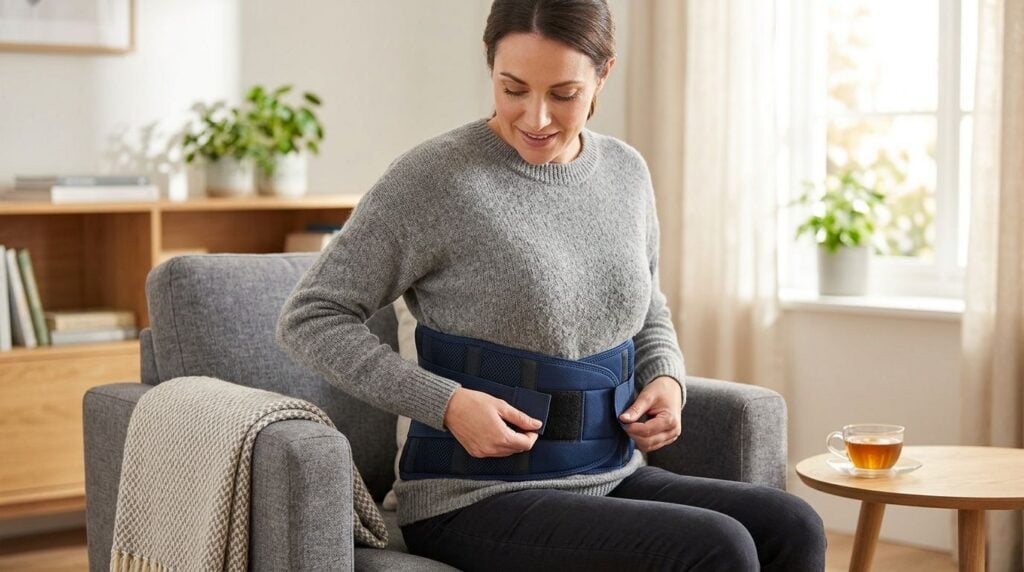
- An elastic lumbar support belt is the most versatile best back brace for lower back pain during daily activity or light exercise.
- A rigid lumbosacral brace offers more restriction and is generally used after injury, under professional guidance.
- Posture corrector braces target the upper back and shoulders, not the lower spine, so match the brace to the problem area.
- A decompression-style back brace adds extra spinal unloading for people who need more support during activity.
- No back brace replaces an assessment — persistent or worsening lower back pain in 2026 still warrants a chiropractor or GP check.
Why this matters
Lower back pain is one of the most common reasons Australians look for extra support before they look for a diagnosis. A brace feels like an easy first step because it is available without an appointment, but the different types are built for genuinely different jobs. Wearing the wrong one for weeks can mask a problem that needed a proper look.
The question of when back pain needs a chiropractor vs a doctor matters more than the brand printed on the brace. Braces manage load and remind the body of position; they do not diagnose disc issues, nerve irritation, or joint dysfunction. Treat this guide as a way to narrow down the right type for your situation, then check in with a health professional if pain sticks around past a couple of weeks.
Most people trying a back brace for lower back pain in 2026 are dealing with one of three situations: general strain from sitting or lifting, a recent flare-up, or ongoing discomfort from a diagnosed condition like a disc bulge. Each situation points toward a different brace type, which is why a single "best" pick rarely fits everyone.
“A back brace supports movement — it does not replace an assessment of what is actually causing the pain.”
What makes the best back brace for lower back pain
- Support level matched to the problem — mild strain needs less rigidity than a recent injury.
- Breathable, adjustable material — a brace worn all day needs airflow and a fit that can be tightened as swelling changes.
- Correct sizing — measured against waist or hip circumference, not just "small/medium/large" guesswork.
- Ease of wear under clothing — low-profile designs get used consistently; bulky ones end up in a drawer.
- Compatible with movement, not just sitting — a brace that only works lying down is not useful for a working day.
- Guidance on wear time — extended, all-day use of rigid braces is generally discussed with a health professional first.
Back braces at a glance
| Type | Best for | Standout feature | Key limitation |
|---|---|---|---|
| Elastic lumbar support belt | Everyday lower back strain | Low-profile, wearable under clothing | Limited support for acute injury |
| Rigid lumbosacral brace | Post-injury stabilisation | High restriction of movement | Can feel restrictive for daily wear |
| Posture corrector brace | Upper back and shoulder fatigue | Pulls shoulders back, not lower spine focused | Does little for lower back pain itself |
| Decompression back brace | Extra spinal unloading during activity | Inflatable or pulley-based tensioning | Bulkier, less discreet |
| Maternity support belt | Pregnancy-related lower back and pelvic strain | Adjustable belly and lower back panels | Needs check-in with your care provider on fit |
1. Elastic lumbar support belt: best back brace for everyday lower back strain
An elastic lumbar belt wraps around the lower back and abdomen with adjustable straps, giving light compression and a reminder to avoid awkward bending. It is the type most people reach for first because it sits under a shirt and moves with the body during a normal day. Most versions use breathable neoprene or mesh panels with velcro or dual-pull straps for adjustment.
Elastic lumbar belt pros:
- Discreet enough to wear at a desk or during light work
- Adjustable compression for changing comfort through the day
- Generally more affordable to try than rigid options
- Suited to intermittent flare-ups from sitting or lifting
Elastic lumbar belt cons:
- Limited structural support if the issue is more than mild strain
- Can shift position during more vigorous movement
- Not a substitute for assessment if pain radiates down the leg
Best for: people managing mild, intermittent lower back discomfort tied to posture or light lifting.
Verdict: Buy if your lower back pain is mild and comes and goes with activity; discuss ongoing symptoms with a chiropractor before relying on it long-term.
2. Rigid lumbosacral brace: best back brace for post-injury stabilisation
A rigid lumbosacral brace uses stiff panels or metal stays to sharply limit how far the lower spine can flex, extend, or twist. It is typically recommended for a defined period after an acute strain or as advised following a specific injury, rather than for everyday wear. The restriction that makes it useful for stabilisation is the same thing that makes it unsuitable as a daily accessory.
Rigid brace pros:
- Higher level of restriction than elastic options
- Can help limit aggravating movement during a defined recovery window
- Often adjustable across a wider range of body sizes
Rigid brace cons:
- Bulkier and harder to wear under regular clothing
- Extended daily use is generally discussed with a health professional first, since over-reliance can reduce core engagement
- Not designed for long-term everyday wear
Best for: short-term use following a specific injury, guided by a chiropractor, physiotherapist or GP.
Verdict: Hold — a reasonable option when a health professional has recommended it for a defined period; not a first pick for general day-to-day support.
3. Posture corrector brace: best back brace for desk-related upper back fatigue
A posture corrector loops over the shoulders and upper back to pull the shoulders back and reduce the forward-rounded position common after long stretches at a screen. It is worth naming here because people searching for "back brace" often mean upper back and shoulder fatigue rather than lower back pain specifically. If your discomfort sits between the shoulder blades rather than the lower spine, this is the more relevant category.
Posture corrector pros:
- Targets the specific pattern of rounded shoulders from desk work
- Works well alongside other adjustments, like a better lumbar support cushion for office chairs
- Simple to put on and take off during the workday
Posture corrector cons:
- Does little for lower back pain itself — it is an upper back and shoulder tool
- Some designs feel restrictive across the chest during long wear
- Overuse without strengthening exercises can reduce postural muscle engagement over time
Best for: upper back and shoulder fatigue from prolonged sitting, not lower back pain specifically.
Verdict: Buy for upper back posture fatigue; skip if your main complaint is lower back pain, since it is not built for that region.
4. Decompression back brace: best back brace for extra spinal unloading during activity
A decompression-style brace uses inflatable air chambers or a pulley-tensioning system to add a degree of spinal unloading beyond what a standard elastic belt provides. These are usually bulkier and more visible under clothing, which makes them better suited to specific activities like lifting shifts or gym sessions than all-day office wear. They are generally used as one part of a broader plan rather than a stand-alone fix.
Decompression brace pros:
- Adds a level of spinal unloading beyond simple compression
- Can suit people doing physical work or repetitive lifting
- Adjustable tension for different activity levels
Decompression brace cons:
- Bulkier and less discreet than elastic belts
- Higher learning curve to fit and adjust correctly
- Best used alongside core strengthening rather than instead of it — see how to strengthen your core without straining your lower back
Best for: people doing repetitive lifting or physical work who want extra support during specific tasks.
Verdict: Buy for task-specific use during physical work; wait on daily wear until you have discussed frequency of use with a health professional.
5. Maternity support belt: best back brace for pregnancy-related lower back pain
A maternity support belt sits lower than a standard lumbar belt, with a panel that supports the belly and lower back together as posture shifts through pregnancy. It is designed to redistribute some of the load that builds through the lower back and pelvis as pregnancy progresses, rather than to restrict movement. Sizing and fit typically need re-checking as the pregnancy continues.
Maternity belt pros:
- Supports both the belly and lower back area together
- Adjustable across changing measurements through pregnancy
- Can be worn under loose clothing for daily use
Maternity belt cons:
- Fit needs regular re-checking as the pregnancy progresses
- Not a substitute for pregnancy-specific care guidance
- Some designs run warm for all-day wear in summer
Best for: pregnancy-related lower back and pelvic girdle discomfort, checked in with your maternity care provider.
Verdict: Buy if your care provider has confirmed it is appropriate for your stage of pregnancy; check in again if the fit or symptoms change.
How we ranked these back brace types
Each type was matched against the criteria above: support level for the actual problem area, breathability for daily wear, correct sizing potential, compatibility with movement, and clear guidance on wear time. Types that only work lying still or that target the wrong region of the back score lower for general lower back pain, even if they suit a different complaint well.
Not sure which brace fits your pain?
A chiropractor can assess your lower back and guide the right next step.
Which back brace should you choose?
For most people managing everyday lower back strain in 2026, an elastic lumbar support belt is the most practical starting point — it is discreet, adjustable, and suited to intermittent discomfort. If a health professional has recommended a rigid brace after a specific injury, follow that guidance over general advice. If your pain sits higher, between the shoulder blades, a posture corrector is the better match — not a lumbar belt.
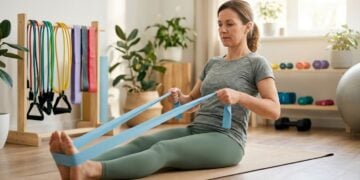
Whichever type you choose, a brace works alongside movement and strengthening, not instead of it. MyChiro sees this pattern often: people who combine a well-fitted brace with core work and posture changes tend to manage flare-ups more consistently than people relying on the brace alone.
FAQ
What is the best back brace for lower back pain?
For everyday, mild lower back strain, an elastic lumbar support belt is generally the most practical option in 2026 because it is adjustable and wearable under clothing. More rigid or decompression-style braces suit specific situations like post-injury stabilisation or repetitive lifting.
Can a back brace fix lower back pain?
A back brace supports movement and can reduce awkward bending, but it does not address the underlying cause of lower back pain. Persistent or worsening pain is worth discussing with a chiropractor or GP.
How long should you wear a back brace each day?
Wear time depends on the brace type and the reason you are using it, and extended daily use of rigid braces is generally discussed with a health professional first. Elastic lumbar belts are typically worn during activities that aggravate symptoms rather than all day, every day.
Is a rigid or elastic back brace better for lower back pain?
Elastic braces suit mild, everyday strain and daily wearability, while rigid braces are generally reserved for short-term use following a specific injury under professional guidance. The right choice depends on the cause and severity of the pain, not personal preference alone.
Can a back brace help with sciatica?
Some people use a lumbar support belt during flare-ups of sciatica-type symptoms, but a brace does not address nerve-related pain directly. Leg pain, numbness or tingling alongside lower back pain is worth having assessed rather than managed with a brace alone.
Do back braces weaken your core muscles over time?
Relying on a rigid or supportive brace for extended periods without strengthening work can reduce how much the core muscles engage day to day. Pairing brace use with targeted core exercises is generally recommended over brace use alone.
Are maternity support belts suitable during pregnancy?
Maternity support belts are designed to redistribute load through the lower back and pelvis as pregnancy progresses, and fit typically needs rechecking as measurements change. Whether one is appropriate for your stage of pregnancy is worth confirming with your maternity care provider.
When should I see a chiropractor instead of just using a back brace?
If lower back pain persists beyond two weeks, worsens, or comes with leg symptoms, a brace alone is not enough and an assessment is the next step. A chiropractor can check for the underlying cause rather than just managing the symptom.
One last thing
The detail most people miss: brace type matters less than matching it to the right region of the back. A posture corrector will not touch lower back pain, and a lumbar belt will not fix rounded shoulders — mismatched braces are one of the more common reasons people say the brace did not work in 2026.
Related guides