
Spinal stenosis treatment in 2026 spans everything from posture coaching and physiotherapy through to surgical decompression, and the right starting point depends on how narrow the canal is, which nerves are affected, and what your imaging and GP assessment show.
- Conservative care — physiotherapy, activity pacing, and exercise — is the usual starting point for the best treatment for spinal stenosis before anything more invasive is considered.
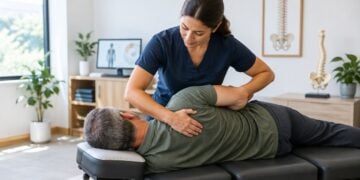
- Chiropractic adjustments and mobility work may be appropriate following assessment for some patients as an adjunct to a broader plan, not a stand-alone fix.
- Epidural injections and decompression surgery are escalation options generally reserved for progressive nerve symptoms or cases that haven’t responded to conservative care.
- Any new leg weakness, numbness, or loss of bladder or bowel control needs same-day medical review, not a wait-and-see approach.
- A GP or specialist assessment, not a search engine, should decide which combination of options fits your case in 2026.
Why this matters
Spinal stenosis is a narrowing of the spinal canal, most often in the lower back, that can put pressure on nerves and cause leg pain, numbness, or a heavy, tired feeling when walking. It's more common from the mid-50s onward as discs and joints change shape over time.
The confusion most people run into is treating it like a single problem with one fix. It isn't. Clinical guidelines generally favour a staged approach: conservative measures first, imaging and specialist input if symptoms persist, and surgery reserved for a smaller group of cases. Chiropractic care for spinal stenosis symptoms fits into that staged picture as one possible piece, not a replacement for medical assessment.
How this guide was put together
This list groups treatment options in the order they're typically tried, based on how conservative or invasive each approach is and where it sits in standard clinical pathways for lumbar and cervical spinal stenosis. It's a starting point for a conversation with your GP or specialist, not a substitute for one. Options here can be discussed with a qualified health professional before you commit to any of them, and nothing on this page should be read as a guarantee of a particular outcome.
The treatment options, in order they're usually tried
1. Physiotherapy and structured exercise
The default starting point for most people newly diagnosed with spinal stenosis. A physiotherapist typically builds a program around flexion-based exercises, core stability, and walking tolerance over a 6 to 12 week trial period before reassessing.
It addresses the mechanical load on the spine without adding risk, which is why most conservative pathways start here. Verdict: start here, in consultation with your GP.
2. Chiropractic care and mobility-focused adjustments
Some patients use spinal adjustments and mobility work as an adjunct to physiotherapy and exercise, following a full assessment. Chiropractic care for spinal stenosis symptoms covers how this can fit alongside other conservative measures, including posture and movement strategies for daily activity.
This is not a stand-alone approach and it isn't appropriate for every presentation of stenosis, particularly where there are progressive neurological signs. Verdict: may be appropriate following assessment, as one part of a broader plan.
3. Medication for symptom management
GP-prescribed options such as anti-inflammatories or short-term analgesics are commonly used to manage flare-ups while other measures take effect. Medication addresses symptoms, not the underlying canal narrowing, so it's usually paired with an exercise or physiotherapy program rather than used alone.
Verdict: discuss dosage and duration with your GP, not as a long-term stand-alone plan.
4. Epidural steroid injections
When conservative measures haven't reduced leg pain enough after several weeks, a specialist may discuss image-guided epidural injections. These are typically delivered by a pain specialist or radiologist and can provide temporary symptom relief in some patients, giving a window to progress rehab.
They come with their own risk-benefit discussion that only a treating specialist can walk you through. Verdict: specialist referral required before considering this step.
5. Degenerative disc changes and combined management
Spinal stenosis frequently overlaps with degenerative disc changes at the same level, which is why management plans often address both together. Chiropractic care for degenerative disc disease explains how disc-related changes are typically factored into a broader assessment alongside canal narrowing.
Treating the two in isolation tends to miss part of the picture, since the mechanical drivers usually connect. Verdict: worth raising with whoever is coordinating your care plan.
6. Activity pacing and posture strategies for older adults
Stenosis symptoms often worsen with prolonged standing or walking and ease with sitting or leaning forward, which is why pacing strategies matter as much as any single treatment. Chiropractic care for seniors with joint stiffness looks at how mobility and stiffness in older adults are commonly approached alongside other joint concerns.
This is a daily-management layer that sits underneath whatever active treatment you're pursuing. Verdict: build this in regardless of which other options you choose.
7. Supportive tools: cushions, seating, and heat
A supportive lumbar cushion or a heat pack won't change the width of the spinal canal, but they can make a long day at a desk or in the car more manageable while you work through an active treatment plan. Options are covered in the best lumbar support cushion for office chairs roundup.
Verdict: comfort support, not a treatment on its own.
8. Surgical decompression
Procedures such as laminectomy are generally reserved for cases with progressive neurological symptoms — significant leg weakness, balance problems, or symptoms that haven't responded to an adequate trial of conservative care. This decision sits entirely with a spinal surgeon after imaging review.
Verdict: specialist surgical assessment, not a first-line option.
Ask about your options
A full assessment helps map out which conservative options may suit your case.
“Progressive leg weakness or loss of bladder control after activity is a red flag that needs same-day medical review, not stretching.”
Comparison at a glance
| Option | Typical entry point | Who coordinates it | Best fit |
|---|---|---|---|
| Physiotherapy and exercise | First-line | Physiotherapist/GP | Most new diagnoses |
| Chiropractic care | Adjunct | Chiropractor, following assessment | Mild-to-moderate cases alongside other care |
| Medication | Alongside other options | GP | Flare-up management |
| Epidural injections | Second-line | Pain specialist | Persistent leg pain after weeks of conservative care |
| Supportive tools (cushions, heat) | Any stage | Self-managed | Daily comfort |
| Surgical decompression | Last-line | Spinal surgeon | Progressive neurological symptoms |
How to decide where to start
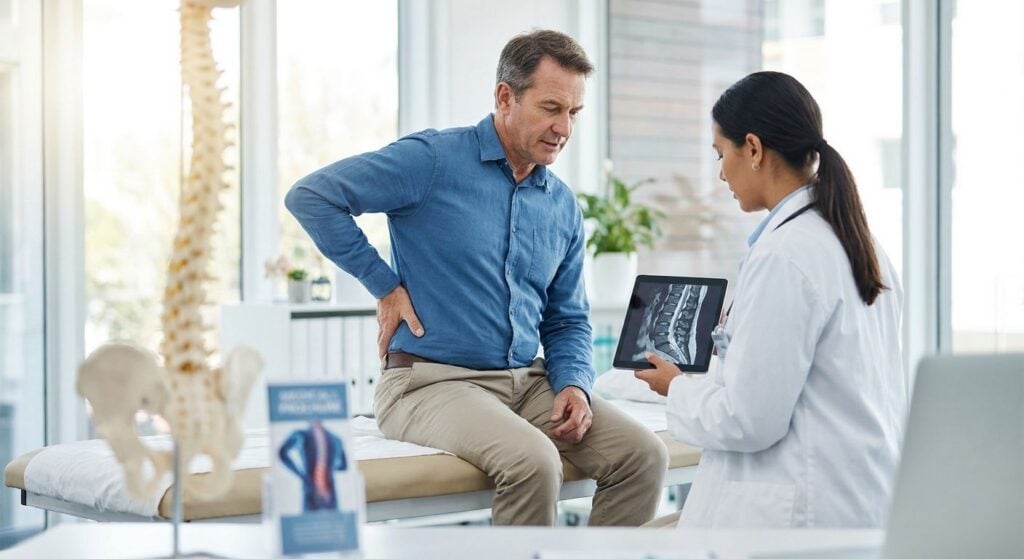
- Get imaging and a clinical assessment before choosing between options — self-diagnosing stenosis severity from symptoms alone isn't reliable.
- Ask your GP how long a conservative trial should run before reassessing; a 2026 care plan with no review date isn't a plan.
- Flag any new weakness, numbness spreading beyond one leg, or bladder/bowel changes immediately rather than waiting for a scheduled appointment.
FAQ
What is the best treatment for spinal stenosis?
There isn’t a single best treatment for spinal stenosis — most care pathways start with physiotherapy and exercise, then add options like medication, injections, or chiropractic care as an adjunct depending on how symptoms respond. Surgery is reserved for cases with progressive neurological signs.
Can chiropractic care help spinal stenosis?
Chiropractic adjustments and mobility work may be appropriate following assessment for some patients as part of a broader management plan. It isn’t a stand-alone fix and isn’t suitable for every presentation, particularly where there are progressive nerve symptoms.
Is walking good or bad for spinal stenosis?
Walking is generally encouraged as part of a graded exercise program, though some people find symptoms ease when leaning forward or sitting during a walk. A physiotherapist can help pace activity so it builds tolerance rather than triggering flare-ups.
When is surgery needed for spinal stenosis?
Surgery is typically considered when conservative care hasn’t reduced symptoms after an adequate trial, or when there’s progressive weakness, balance issues, or nerve compression confirmed on imaging. This decision is made by a spinal surgeon, not through self-assessment.
How long does conservative treatment take to work?
Many conservative programs run for 6 to 12 weeks before a formal reassessment, though timelines vary by individual and severity. Your GP or physiotherapist will typically set a review point when the plan starts.
Does spinal stenosis get worse over time?
Spinal stenosis can progress gradually for some people as degenerative changes continue, though the rate varies widely. Regular reassessment with a GP or specialist is the way to track whether symptoms are stable or changing.
What are the red-flag symptoms of spinal stenosis?
Sudden leg weakness, numbness spreading into the groin or both legs, or loss of bladder or bowel control are red-flag symptoms that need same-day medical assessment. These are not managed through routine conservative care.
Can lumbar support cushions help with spinal stenosis symptoms?
Supportive cushions and seating can make prolonged sitting more comfortable while you work through an active treatment plan, but they don’t change the underlying canal narrowing. They’re a comfort tool, not a treatment.
One last thing
The detail most people miss is that stenosis symptoms often ease with forward-leaning positions and worsen with standing upright for long periods — which is why a review of daily posture and seating habits, not just formal treatment, often shows up as one of the more practical adjustments in a 2026 care plan.
Related guides
- Chiropractic care for seniors with joint stiffness
- Best lumbar support cushion for office chairs
- Best heating pad options for lower back pain