


A torn rotator cuff can be a significant source of pain and limitation. While some cases may require surgical intervention, many individuals can manage the injury and support the body's natural healing processes through a structured, non-surgical approach. This involves a combination of rest, guided movement, and supportive lifestyle choices. The first step is to understand the nature of the injury to manage discomfort and begin the process of rebuilding function without causing further damage.
Understanding Your Shoulder and the Injury
To effectively address the problem, it's helpful to understand the shoulder's anatomy. The shoulder is the body's most mobile joint, allowing for a wide range of motion. However, this mobility comes at the cost of inherent instability.
The rotator cuff plays a crucial role in stabilizing this joint. It is a group of four muscles and their associated tendons that envelop the top of the upper arm bone (humerus), securing it within the shoulder socket. These structures provide the strength and control needed for actions like lifting, throwing, and reaching.
A rotator cuff tear signifies that one or more of these tendons has become frayed or has detached from the bone. This typically occurs in one of two ways.
Acute Tears vs. Degenerative Tears
An acute tear happens suddenly. It can result from a fall on an outstretched arm, an attempt to lift a heavy object with a sudden jerking motion, or a direct impact during a contact sport. The onset of pain is usually immediate and distinct.
More frequently, individuals experience degenerative tears. These develop gradually over time due to wear and tear from repetitive movements. Occupations or activities involving frequent overhead reaching, like painting or swimming, or even postural habits such as prolonged slouching, can contribute to the slow weakening and fraying of tendon fibers.
In Australia, rotator cuff issues are common, affecting approximately 13.3 people per 1,000 annually. Acute tears are more prevalent in younger individuals, whereas degenerative tears are more often observed in those over 50. You can find more details in these shoulder injury statistics in Australia.
Knowing the type of tear can be informative. A degenerative tear often implies pre-existing weakening of the tendon tissue, which may influence the recovery approach compared to a healthy tendon torn by an acute incident.
Why Does It Hurt?
The pain associated with a rotator cuff injury stems from multiple factors. The damaged tendon itself causes a specific ache. Additionally, the body's inflammatory response can lead to a persistent, dull throb and visible swelling.
Furthermore, the body often attempts to protect the injured joint by tightening the surrounding muscles. This protective mechanism can lead to frustrating stiffness and a reduced range of motion.
Consequently, everyday activities like brushing your hair, reaching into a back pocket, or sleeping on the affected side can become difficult. Recognizing these pain signals is the first step toward managing the condition, as it helps identify which movements to avoid or modify during the initial healing phase.
Initial Steps When Shoulder Pain Occurs
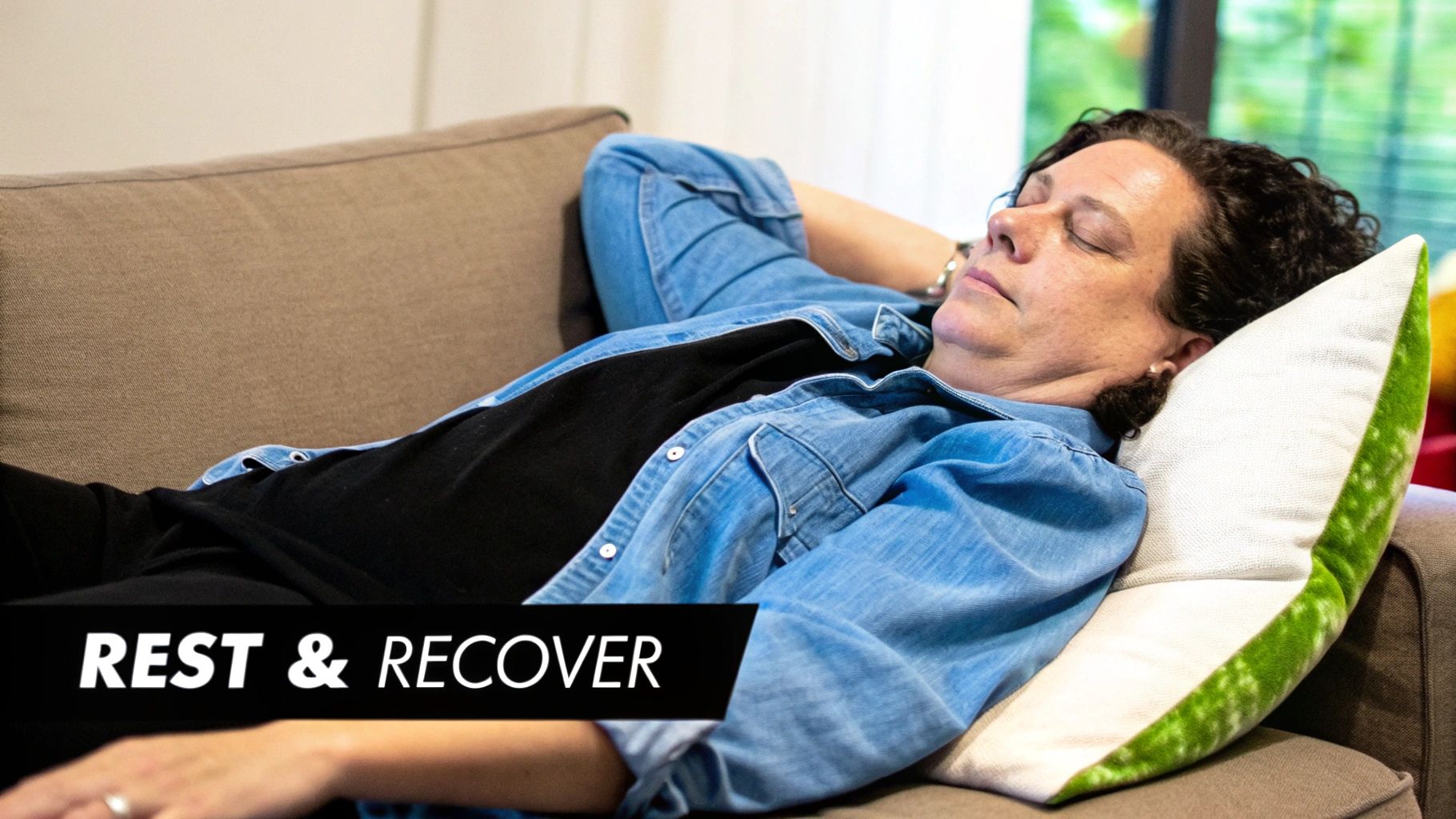
Immediately following a rotator cuff injury, the primary goal is not to begin an intensive rehabilitation program but to manage pain and prevent further aggravation. This early stage focuses on creating a suitable environment for the body's natural healing mechanisms to begin. The guiding principle here is relative rest.
Relative rest does not mean complete immobilization for extended periods, which can lead to stiffness and muscle atrophy. Instead, it involves being mindful of daily movements. Identify activities that cause sharp pain—such as reaching for a high shelf or lifting a heavy object—and find temporary alternatives. This allows the inflamed tissues to settle without the shoulder becoming completely immobile.
Applying Cold and Heat
For the first 48 to 72 hours after an acute injury, applying cold can be beneficial for managing swelling and discomfort. Place a cold pack, wrapped in a thin towel, on the affected area for 15-20 minutes at a time, several times a day.
Caution: Never apply a frozen pack directly to the skin, as this can cause an ice burn. A thin towel provides a sufficient barrier.
After the initial inflammatory phase has subsided (typically after a few days), gentle warmth may provide comfort. A warm pack or a warm shower can help soothe and relax tense muscles around the shoulder, potentially easing stiffness and promoting blood flow. It is important to listen to your body; if heat seems to increase discomfort, it may be too soon to make the switch from cold.
The Importance of Posture in Recovery
Your posture during daily activities and sleep can significantly impact your shoulder. Slouching, for instance, causes the shoulders to round forward, which can narrow the space available for the rotator cuff tendons, leading to impingement and irritation. Making conscious adjustments to posture can make a noticeable difference.
Day-to-Day Postural Adjustments:
- At a Desk: Sit with your feet flat on the floor and your back supported. Gently draw your shoulders back and down, away from your ears. Imagine a string gently pulling the crown of your head upward.
- When Standing: Be mindful of hunching. Keep your chest open and your shoulders relaxed. This habit can help prevent ongoing strain.
Sleeping Positions:
- Avoid the Affected Side: Sleeping on the injured shoulder can compress the joint and increase discomfort.
- Use Props: If you sleep on your back, place a thin pillow under your sore arm to support it in a neutral position. If you sleep on your uninjured side, hugging a pillow can help prevent the injured shoulder from slumping forward and stretching the tendons.
Addressing these initial steps is foundational for a structured recovery and begins the process of learning how to heal a torn rotator cuff naturally.
Gentle Movement For Mobility And Strength
Returning to movement after a rotator cuff injury requires a careful balance. The goal is to encourage healing and restore function, but progressing too quickly can cause a setback. Conversely, excessive caution can lead to a stiff, weak shoulder that becomes more challenging to rehabilitate later.
The key is to begin gently and pay close attention to your body's feedback.
Starting With Foundational Mobility
The initial focus is on restoring the shoulder's normal range of motion. Following an injury, muscles and tendons are often inflamed and guarded. The first exercises should be low-impact and controlled to gently reintroduce movement.
A common starting point is the pendulum swing. Stand next to a table or sturdy chair, placing your uninjured hand on it for support. Lean forward slightly, allowing your injured arm to hang down. Use your body to create a gentle momentum, swinging the arm forward and back, side-to-side, and in small circles. The shoulder muscles should remain relaxed; the movement is generated by your body's sway.
Another useful exercise is the tabletop glide. Sit at a table and place the hand of your injured arm on a folded towel. Gently slide your hand forward across the table, leaning into the movement until you feel a light stretch in your shoulder. Do not force the movement. Hold for a few seconds before returning to the starting position.
A mild stretching sensation is generally acceptable, but sharp pain is a signal to stop. Responding to these cues is a critical part of a non-surgical approach to a torn rotator cuff.
Once mobility improves and pain subsides, you can progress to basic strengthening exercises that do not place significant strain on the healing tendons.
Progressing To Gentle Strengthening
When you can move your arm through its range of motion with minimal discomfort, it is time to begin activating the rotator cuff muscles. Isometric contractions are a safe starting point, as they involve tensing the muscle without moving the joint.
For example, stand in a doorway and press the back of your hand against the frame, as if attempting to rotate your arm outward. Hold this gentle push for 5-10 seconds, then relax. This activates the muscle without risky movement. You can perform the opposite movement by pressing your palm against the other side of the frame to engage the internal rotators.
From there, you can introduce very light resistance using a therapy band.
- External Rotations: Keep your elbow bent at 90 degrees and tucked into your side. Hold a light resistance band in both hands. Keeping your elbow pinned to your side, gently rotate your injured arm outward.
- Internal Rotations: Secure the band to a doorknob. Stand with your side to the door, elbow bent at 90 degrees, and gently pull the band across your abdomen.
Slow, controlled movements are essential. For a more detailed routine, you can explore resources on easy home exercises to strengthen your rotator cuff.
Phased Exercise Approach for Rotator Cuff Recovery
A structured, phased approach to exercise can help ensure that you are always performing movements appropriate for your stage of healing, minimizing the risk of setbacks.
| Recovery Phase | Objective | Example Exercises |
|---|---|---|
| Phase 1: Acute / Early | Reduce pain, restore passive range of motion. | Pendulum Swings, Tabletop Glides, Passive Flexion |
| Phase 2: Sub-Acute | Activate muscles without strain, improve active range. | Isometric Contractions (in all directions), Scapular Squeezes |
| Phase 3: Strengthening | Build foundational strength through the full range. | Banded External/Internal Rotations, Wall Push-ups |
| Phase 4: Advanced | Develop functional strength and stability. | Light Dumbbell Presses (with proper form), Scapular Plane Raises |
This phased progression helps ensure you are challenging the shoulder appropriately at each stage of healing.
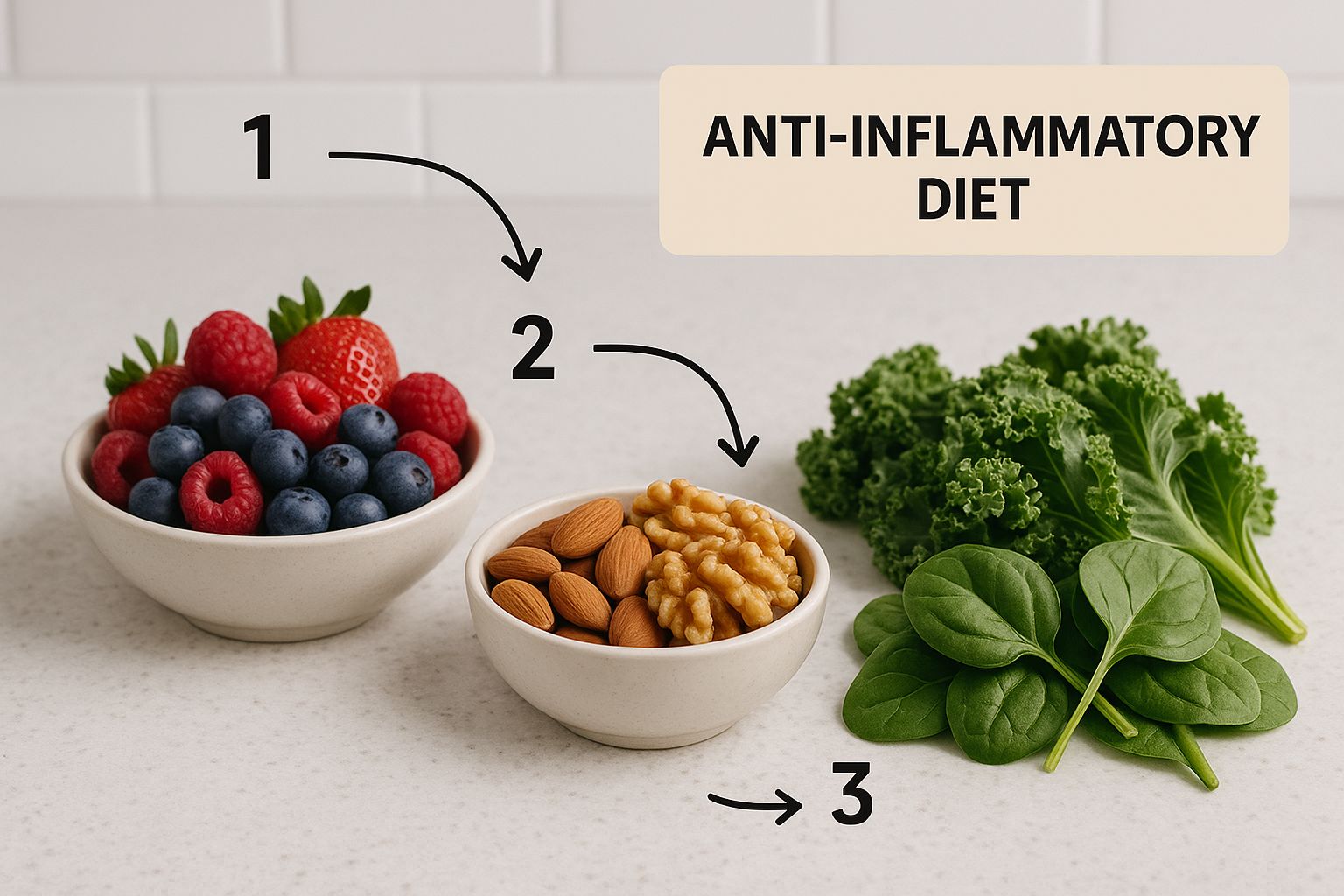
Combining these gentle, progressive exercises with a diet rich in anti-inflammatory foods like berries, leafy greens, and nuts can help create a supportive environment for your body's healing processes.
How Lifestyle and Nutrition Support Tissue Repair
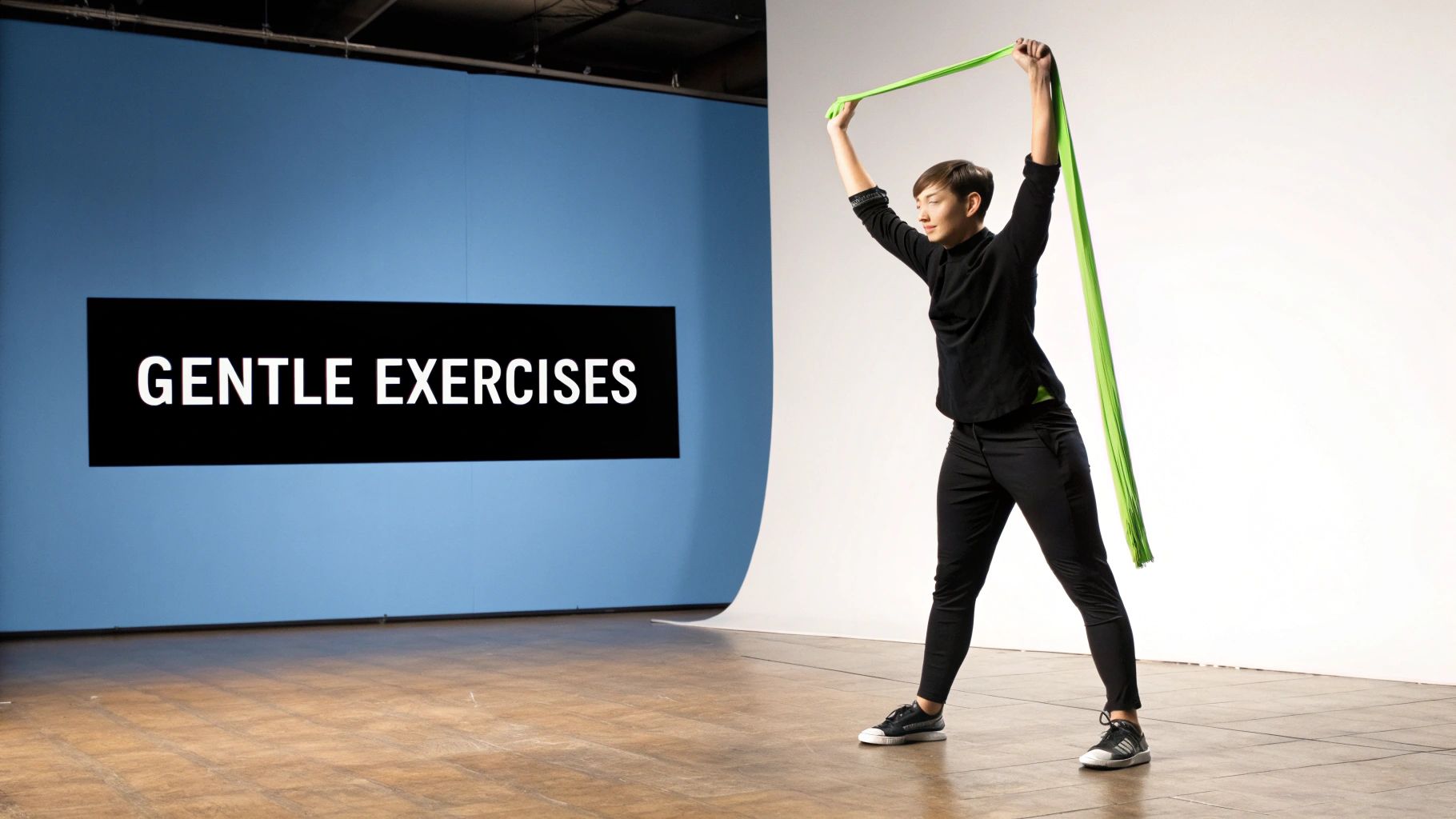
While specific exercises are essential for rebuilding shoulder function, your body's ability to repair itself is also heavily influenced by daily habits. Creating a supportive internal environment is a crucial component of recovering from a torn rotator cuff naturally. This includes considering your diet, sleep quality, and other lifestyle factors that can either aid or hinder your progress.
An anti-inflammatory diet is a good place to start. While inflammation is a natural and necessary response immediately after an injury, chronic inflammation can impede tissue repair. Certain food choices can help manage this inflammatory response.
Fuelling Your Body For Recovery
To rebuild damaged tendons and muscles, your body requires adequate raw materials. This means focusing on foods rich in nutrients known to support tissue health.
Consider including the following:
- Omega-3 Fatty Acids: Sources like fatty fish (salmon, mackerel), flaxseeds, and walnuts contain omega-3s, which can help modulate inflammatory processes.
- Antioxidant-Rich Foods: Berries, leafy greens like spinach, and other colorful vegetables are high in antioxidants and vitamins that help protect cells from stress during the healing process.
- Lean Protein: Tendons and muscles are primarily composed of protein. Including lean protein sources like chicken, beans, and lentils provides the necessary building blocks for tissue repair.
Good nutrition is a foundation of recovery. For a more detailed guide, you can review our article on essential nutrients for optimal chiropractic health.
Focusing on overall physical recovery is vital. Some individuals may choose to use specific supplements to address potential nutritional gaps. You can find resources that discuss the best supplements for recovery for additional information. However, it is always advisable to consult with a healthcare professional before starting any new supplement regimen.
The Importance of Sleep and Hydration
Adequate sleep is critical for recovery. During deep sleep, the body releases growth hormones that are essential for tissue regeneration. Aiming for 7-9 hours of quality, uninterrupted sleep per night can support your shoulder's healing process.
Hydration is equally important. Water transports nutrients to cells and helps flush out metabolic waste. Dehydration can make this process less efficient, potentially hindering healing. Ensure you are drinking water consistently throughout the day.
Conversely, certain habits can work against recovery. Smoking, for example, constricts blood vessels, which can reduce the oxygen supply to healing tissues. Making positive lifestyle changes is as important as performing your prescribed exercises.
Getting Professional Guidance on Your Recovery Journey
While the self-care strategies discussed are important, managing a rotator cuff injury can be complex. Seeking guidance from a qualified healthcare professional, such as a physiotherapist or your GP, is advisable to ensure your recovery is safe, structured, and effective.
A healthcare professional can perform a thorough assessment to determine the specifics of your shoulder condition. This is a vital first step, as not all shoulder pain is the same, and an accurate diagnosis helps shape an appropriate management plan tailored to your needs.
How a Physiotherapist Can Help
A physiotherapist can act as a guide for your recovery. They provide more than just a list of exercises; they develop a program tailored to your stage of healing and your functional goals.
A physiotherapist can assist with:
- Correcting Form: Ensuring you perform exercises with proper technique is key to targeting the right muscles without causing further harm.
- Tracking Progress: As you gain strength and mobility, they can modify your exercises to prevent plateaus and ensure continued progress.
- Manual Therapy: They may use hands-on techniques to help improve joint mobility and ease muscle tension in the surrounding area.
This type of professional oversight can provide confidence that your efforts are contributing positively to your recovery.
It is worth noting that surgery for a rotator cuff tear does not come with a guaranteed outcome. In Australia, approximately 10,000 such surgeries are performed each year, but reported failure or re-tear rates can range between 40% and 60% in some studies. You can read more about these findings on rotator cuff repair challenges, which underscores the importance of a well-managed non-surgical approach.
Other Therapies to Support Your Healing
In addition to physiotherapy, other therapies may complement your recovery. These are not standalone cures but can be beneficial as part of a comprehensive plan. For instance, massage therapy can help loosen tight muscles and improve circulation to the injured area.
Some people find acupuncture, which involves the insertion of fine needles into specific points, helpful for pain management.
It is always a good idea to discuss these options with your primary healthcare provider to determine if they are appropriate for you. Chiropractic care, which focuses on overall musculoskeletal alignment and function, can also be a component of a recovery plan. We have a guide that explains why chiropractic rehabilitation exercises are important.
Combining your personal efforts with professional guidance creates a partnership that can empower you to take an active role in your healing journey with clarity and confidence.
Common Questions About Rotator Cuff Healing
It's natural to have questions when dealing with a rotator cuff injury. Understanding what to expect can help you stay committed to the recovery process. Here are some answers to common queries.
How Long Does It Take to Heal a Rotator Cuff Naturally?
There is no single timeline for recovery. The duration depends on several factors, including the severity of the tear, your age, your overall health, and your adherence to the rehabilitation plan.
A minor strain might show significant improvement in a few weeks. However, a more substantial tear could require several months of consistent effort. Progress is typically slow and steady. Pushing too hard, too soon is a common cause of setbacks.
Rather than focusing on a specific date, it can be more helpful to track progress in terms of functional improvements, such as reduced pain, increased range of motion, or improved strength. Celebrating these small achievements can help maintain motivation.
Can I Continue Working with a Torn Rotator Cuff?
This depends largely on your occupation. If you have a desk job where you can maintain good posture and avoid heavy lifting or repetitive reaching, you may be able to continue working with some modifications.
However, if your job involves any of the following, you will need to be more cautious:
- Lifting or carrying heavy objects
- Repetitive overhead arm movements
- Intense physical labour
In such cases, it may be necessary to discuss modified duties with your employer, switch to lighter tasks, or take time off to allow for proper healing. It is wise to discuss this with a healthcare professional, who can provide advice specific to your job requirements and supply documentation for work modifications if needed.
When Is It Time to See a Doctor for Shoulder Pain?
While minor issues can often be managed at home, certain signs indicate that it's time to seek a professional opinion from a doctor or physiotherapist. You should book an appointment if the pain is severe, especially if it resulted from a sudden injury.
It is also advisable to seek help if the pain does not improve after one to two weeks of rest and ice, or if you are unable to lift your arm. A professional can provide a proper diagnosis and outline a clear management plan, ensuring you understand how to approach healing a torn rotator cuff safely and effectively.
Ice or Heat: What’s Better for a Rotator Cuff Injury?
Both ice and heat can be useful at different stages. As a general guideline, use ice during the first 48-72 hours after the initial injury. Cold helps constrict blood vessels, which can reduce swelling and numb the initial sharp pain.
Once the acute phase has passed, heat can be beneficial for soothing tight, achy muscles. A warm pack applied before gentle stretching can help increase blood flow and make tissues more pliable. Ultimately, listen to your body; if one modality feels better than the other, it is likely what your body needs at that time.
Navigating a rotator cuff injury can be challenging, but you do not have to do it alone. The team at MyChiro can provide a thorough assessment and help create a personalised care plan to support your recovery. Visit us at https://www.mychiro.com.au to book a consultation and begin your journey toward improved shoulder health.