

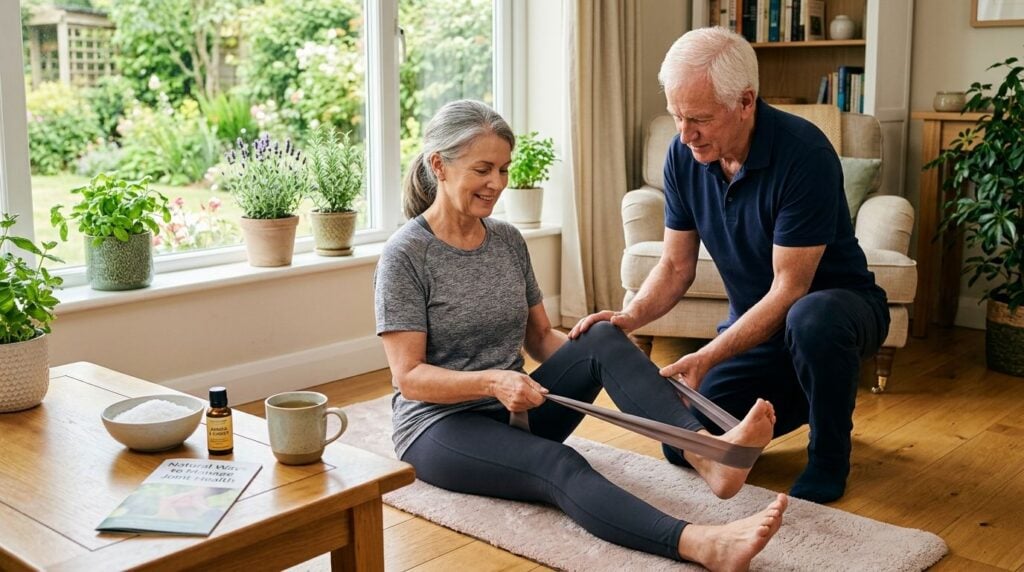
Managing arthritis pain without medication usually means combining several non-drug approaches at once: anti-inflammatory nutrition, regular low-impact movement, weight management, sleep quality, stress reduction and manual therapies such as chiropractic assessment. No single approach removes joint pain on its own. Any new, worsening or rapidly changing joint symptoms should be checked by a GP or another qualified health professional before you adjust your routine, since arthritis has several underlying types that need different management.
- Managing arthritis pain naturally usually means combining diet, movement, sleep and manual therapy, not one single fix.
- The World Health Organization recommends 150 to 300 minutes of moderate activity weekly for adults in 2026.
- MyChiro in Bondi Junction offers chiropractic assessment that can be discussed alongside a broader joint-care plan.
- Sudden swelling, fever or rapid joint changes need prompt GP assessment, not home management alone.
Why this matters
Arthritis covers a group of joint conditions, including osteoarthritis and inflammatory types, and many people managing it want to reduce reliance on medication because of side effects or personal preference. Non-drug strategies are widely discussed in health guidelines because joint pain is influenced by load, inflammation, sleep and stress, not just cartilage wear. None of these strategies are a substitute for diagnosis, and a GP or registered chiropractor can help identify arthritis in the spine and joints versus other causes of joint pain before you settle on an approach for 2026.
How to manage arthritis pain naturally
The table below breaks down the main non-medication approaches discussed in general health guidance, what each one involves, and who it may suit. This is general information, not individual clinical advice — a health professional can help match an approach to your specific joints and history.
| Approach | What it involves | May suit | Caution |
|---|---|---|---|
| Anti-inflammatory diet | Oily fish, vegetables, olive oil, reduced processed sugar | People wanting a dietary starting point | Not a replacement for diagnosis or medication decisions |
| Low-impact movement | Walking, swimming, cycling, gentle strength work | Most adults with stable joint symptoms | Flare-ups may need modified load, discuss with a professional |
| Manual therapy (including chiropractic assessment) | Joint and soft-tissue assessment, guided mobility work | People with mechanical stiffness alongside joint pain | Appropriateness depends on individual assessment |
| Heat and cold therapy | Heat for stiffness, cold for acute swelling | Day-to-day symptom management | Short-term comfort measure only |
| Sleep and stress management | Consistent sleep routine, stress-reduction habits | Anyone with disrupted sleep from joint pain | Underlying sleep disorders need separate assessment |
Anti-inflammatory diet and nutrition
Dietary guidance commonly cited for joint health includes oily fish (a source of omega-3 fatty acids), colourful vegetables, nuts and olive oil, with reduced intake of refined sugar and highly processed foods. A general guideline is around 2 servings of oily fish per week, alongside a varied wholefood diet.
- Pros: Supports general health, low cost to adopt, no side-effect profile like medication
- Cons: Effects on individual joint pain vary and are not guaranteed; dietary change alone rarely addresses mechanical joint issues
Movement and low-impact exercise
The World Health Organization's 2026 activity guidance still recommends 150 to 300 minutes of moderate-intensity movement per week for adults, spread across most days rather than done in one session. Walking, swimming and stationary cycling are commonly suggested because they load joints without high impact.
- Pros: Supports joint mobility and general fitness, adjustable to ability level
- Cons: Some joint flares need modified or reduced load temporarily; a health professional can help pace this
Seniors managing stiffness alongside arthritis often ask how much movement is reasonable day to day — joint stiffness as you age covers pacing considerations in more detail.
Manual therapy and posture support
Manual therapy, including chiropractic assessment, focuses on joint mobility, posture and movement patterns rather than medication. At MyChiro's Bondi Junction clinic, an initial assessment looks at how a patient's joints, spine and posture are functioning before any care plan is discussed — appropriateness depends on individual presentation and is decided following assessment, not before it.
- Pros: Assessment-based, can be combined with diet and exercise changes, no medication interaction
- Cons: Not appropriate for every joint condition or presentation; a chiropractor will refer back to a GP when findings suggest that's needed
Ask about a joint assessment
Discuss your joint symptoms with a MyChiro chiropractor before changing your routine.
Heat, cold and daily comfort measures
Heat is commonly used for stiffness and cold for acute swelling, as a short-term comfort measure rather than a long-term management strategy on its own. These measures are widely used alongside movement and diet changes rather than instead of them.
- Pros: Low cost, immediate, easy to combine with other approaches
- Cons: Temporary effect only, doesn't address underlying joint changes
Sleep and stress management
Disrupted sleep and higher stress levels are both commonly linked to how joint pain is experienced day to day. A general adult sleep guideline sits around 7 to 9 hours per night, and a consistent sleep routine is often suggested as a starting point alongside stress-reduction habits like structured breaks and gentle movement.
- Pros: Addresses a factor that influences pain perception broadly, not just the joint itself
- Cons: Underlying sleep disorders or significant stress conditions need their own assessment, separate from joint management
Why arthritis pain varies from person to person
- Which joints are affected and how much load they carry day to day
- Body weight and the mechanical load placed on hips, knees and spine
- Sleep quality and how rested the nervous system is
- Stress levels, which influence how pain is perceived
- Previous injury or existing degenerative changes in the joint
- Overall activity level and consistency of movement habits
Related questions
Can diet alone manage arthritis pain naturally?
Diet is one part of a broader approach and is not typically discussed as a standalone strategy for managing arthritis pain naturally. It's commonly combined with movement, sleep and manual therapy rather than relied on in isolation.
How much exercise is appropriate with arthritic joints?
General guidance points to 150 to 300 minutes of moderate movement weekly, adjusted for individual joint symptoms and flare-ups. A health professional can help pace this around specific joints.
Is chiropractic assessment relevant for arthritis in the spine?
Chiropractic assessment looks at how the spine and joints are moving and can be discussed as part of a broader plan following individual assessment. Read more on arthritis in the spine and joints for how this is typically approached.
FAQ
What is the first step in managing arthritis pain naturally?
The first step is usually a health professional assessment to confirm the type and location of joint involvement before choosing diet, movement or manual therapy approaches. Self-managing without this step risks missing an underlying cause that needs separate attention.
Is chiropractic care appropriate for arthritis?
Appropriateness depends on individual assessment of the joints and spine involved, and a chiropractor will discuss this after examination. It’s one option among several non-medication approaches, not a standalone solution.
How much movement is recommended for joint pain in 2026?
General 2026 guidance still points to 150 to 300 minutes of moderate-intensity activity weekly for adults. This is spread across most days rather than done in a single long session.
Can heat or cold therapy manage arthritis pain naturally?
Heat and cold are short-term comfort measures commonly used alongside movement and diet changes, not instead of them. They don’t address the underlying joint changes on their own.
Does poor sleep make arthritis pain worse?
Sleep quality is commonly linked to how joint pain is experienced, with 7 to 9 hours per night being a general adult guideline. Underlying sleep disorders need their own separate assessment.
When should arthritis joint pain be checked by a GP instead of managed at home?
Sudden swelling, fever, rapid joint changes or pain that limits daily function should be checked by a GP promptly rather than managed at home. These signs can indicate something beyond typical joint wear.
Can weight management help with arthritis pain naturally?
Body weight affects the mechanical load carried by weight-bearing joints like knees, hips and the spine. It’s commonly discussed as one contributing factor among several, not a guaranteed fix.
One last thing
The detail most people skip: stress and sleep are discussed in general joint-health guidance almost as often as diet and exercise, yet they get the least attention in most self-management routines. A 2026 approach to managing arthritis pain naturally works best as several small, consistent habits running together, not one dramatic change.
Related guides
- Chiropractic care for seniors with joint stiffness
- Best yoga poses for lower back pain relief
- How to choose the right chiropractor for your condition