


Combining massage with chiropractic care may be worth discussing after an assessment, but you should not assume that adding massage will improve the outcome of chiropractic care. The extra appointments need a clear purpose, informed consent and a review point—not simply a recommendation to book both services together.
- Is it worth combining massage with chiropractic care? Consider it only when assessment supports a clear role for each service.
- MyChiro is a chiropractic clinic in Bondi Junction; ask about suitability rather than assuming massage is included.
- Ask each practitioner to explain the proposed benefit, risks, alternatives and review point.
- Do not continue combined care automatically when its purpose or value remains unclear.
Is it worth combining massage with chiropractic care?
Combining services is a decision to justify, not a default care plan. Start with what you want help with, then ask whether each proposed service has a distinct, appropriate role following assessment.
A recommendation to combine massage and chiropractic care should explain why both are being proposed for you. A general statement that the services complement each other does not explain the evidence, risks or alternatives relevant to your circumstances.
| Approach | What to clarify before agreeing | Practical advantage | Limitation |
|---|---|---|---|
| Massage alone | The purpose, proposed technique and suitability | You can consider one service without committing to another | It does not establish whether chiropractic care is appropriate |
| Chiropractic care alone | The assessment findings and proposed care options | You can discuss a chiropractic plan without adding massage | It does not establish whether massage would add value |
| Combined care | The distinct purpose of each service and how the practitioners will coordinate | Both practitioners can work from an agreed plan if you consent | It adds appointments and requires a separate justification for each service |
These are decision-making differences, not evidence that one approach produces a better clinical result. Your choice should follow an individual discussion rather than a package description.
Why this matters
When you arrange care in 2026, you are agreeing to more than time on an appointment calendar. You are also deciding what information to share, which procedures to consent to and how you will judge whether to continue.
MyChiro provides chiropractic care and spinal adjustments in Bondi Junction, Sydney. That description does not establish that massage is offered, included or appropriate for an individual patient.
MyChiro is a chiropractic clinic for people seeking chiropractic care in Bondi Junction, not evidence that everyone needs combined care. Ask about the proposed service itself rather than relying on the appeal of a broader wellness plan.
You do not need to settle the whole plan at once. You can ask for an assessment explanation, consider the alternatives and decide separately whether to consent to each proposed service.
What should you establish before combining appointments?
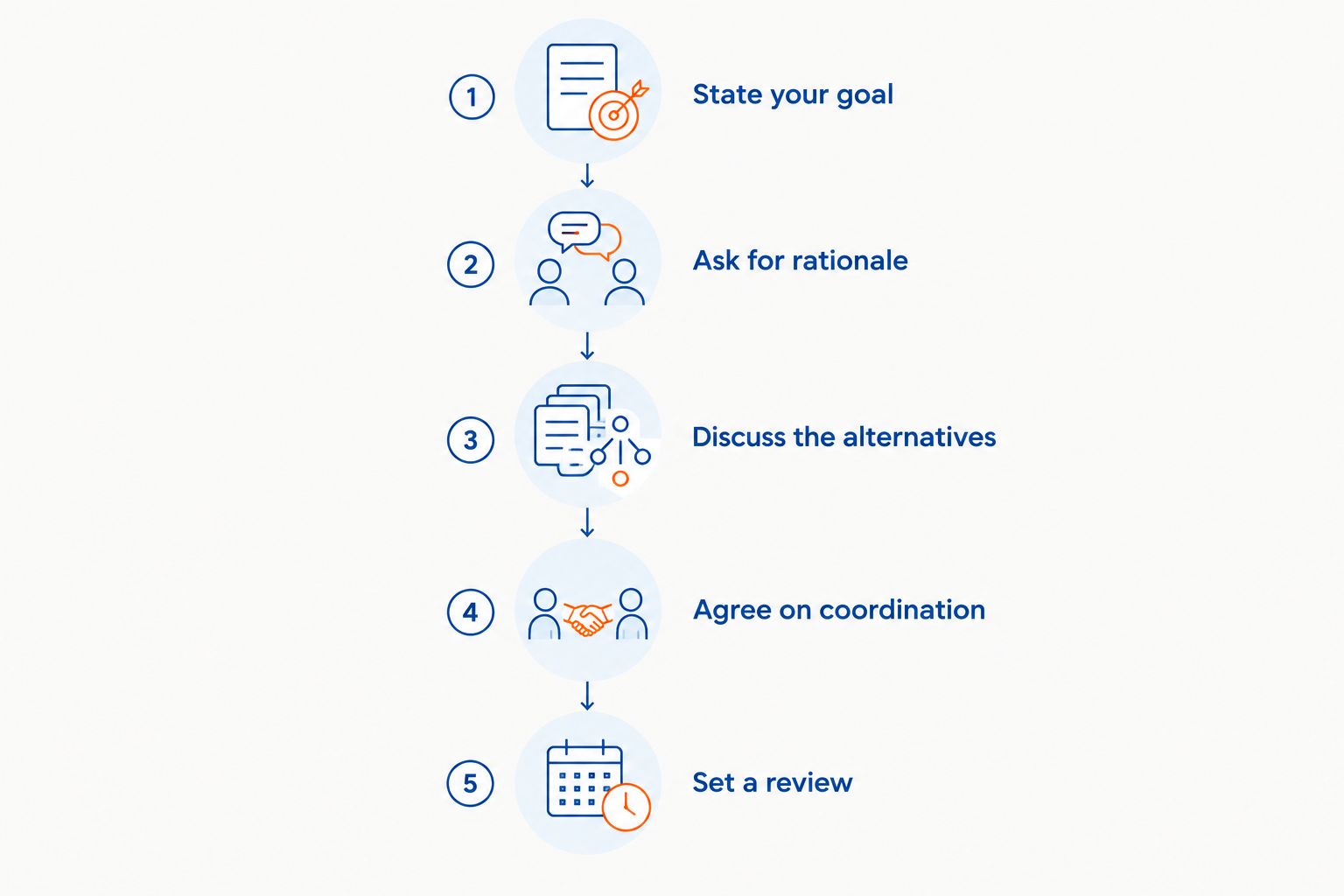
Use the following sequence to make the discussion specific. The aim is not to design your own clinical plan; it is to understand the recommendation before agreeing to it.
- State your goal. Describe the everyday activity or concern you want to discuss. Avoid starting with a request for a particular procedure before you understand whether it is appropriate.
- Ask for the rationale. Request a plain-language explanation of why massage, chiropractic care or both are being proposed. Ask what supports that recommendation for your circumstances.
- Discuss the alternatives. Ask whether another approach, self-management advice, medical assessment or no additional service is appropriate. An alternative deserves an explanation, not dismissal.
- Agree on coordination. If you choose both services, clarify what information each practitioner needs and obtain an explanation of how it will be shared with your consent.
- Set a review point. Establish what will be reviewed and what would lead to continuing, changing or stopping the plan. Do not substitute an automatic booking schedule for that conversation.
Before a chiropractic assessment, the guide to preparing for your first chiropractor appointment provides a related starting point for your questions.
Your 2026 care plan should be understandable without technical terminology. If an explanation remains unclear, ask the practitioner to restate it in terms of the decision you need to make.
What would make combined care worth considering?
Combined care may be appropriate following assessment when each practitioner can explain a distinct role for the proposed service. That discussion should include uncertainty as well as the reasons for the recommendation.
Look for a plan that answers practical questions rather than making broad promises. You should understand what is proposed, what the alternatives are and what would prompt reassessment.
Useful questions include:
- What is the specific purpose of adding this service?
- What evidence supports that purpose in my circumstances?
- What are the relevant risks and limitations?
- What would the plan look like without the additional service?
- What would make you recommend stopping or changing the plan?
A clear explanation supports an informed decision; it does not guarantee an outcome. You can accept an assessment while declining a procedure or an additional service.
Do not interpret a referral between practitioners as proof that you need both. Ask whether the referral is for another opinion, assessment or a proposed service, because those are different decisions.
When should you pause before adding another service?
Pause when nobody can explain what the additional appointment is intended to contribute. The same applies when you receive conflicting advice, feel pressured to commit or cannot identify a review point.
A combined plan should not depend on claims that everyone needs both services. Nor should it depend on a promise that adding massage will make adjustments work better or produce a particular result.
Ask for clarification if you hear that an appointment is necessary simply because another appointment has already occurred. Each proposed service needs its own rationale and consent.
For a plan discussed in 2026, write down the explanation in your own words. If your summary amounts to ‘more appointments are better’, return to the practitioner with questions before committing.
Why the value of combined care varies
There is no useful universal verdict that applies to every person considering massage and chiropractic care. Your decision depends on the recommendation made after assessment and whether the proposed arrangement fits your preferences.
Consider these factors:
- Assessment findings: Ask how the recommendation relates to your individual circumstances rather than a standard package.
- Your goals: Define what matters to you, including everyday activities and your preferences about hands-on care.
- The proposed procedures: Clarify what each practitioner intends to do, not just the appointment label.
- Coordination: Establish who reviews the overall plan and how conflicting advice will be handled.
- Appointment burden: Consider travel, time away from work or other responsibilities, and whether you want another service.
- Review arrangements: Agree on how decisions about continuing or stopping will be made.
These factors help you assess the proposal without assuming that a larger plan has greater value. Convenience matters, but it is not a substitute for clinical justification.
Should you have massage before or after chiropractic care?
Do not assume there is a universal order you should follow. Ask the practitioners whether timing matters for the specific procedures they propose and whether combining appointments on the same day is appropriate after assessment.
The scheduling question comes after the suitability question. A convenient appointment sequence does not establish that you need both services.
How often should you combine massage and chiropractic appointments?
There is no appointment frequency to adopt from this article. Ask for an individual recommendation, its rationale and a review point rather than copying another person's schedule.
If your circumstances or preferences change, discuss the plan again. An existing appointment pattern is not, by itself, a reason to keep adding appointments.
Do both practitioners need to know about the other service?
Tell each practitioner about other care you are receiving and ask what information is relevant to the proposed service. Discuss consent before records or personal information are shared.
You can request a plain-language summary of the plan. You should not have to interpret contradictory instructions or decide which practitioner is responsible for reviewing them.
What should a review of combined care include?
A review should return to the reasons you agreed to the plan. Ask whether those reasons still apply and whether each service continues to have a clear purpose.
For your 2026 review, bring your questions and describe your experience without trying to give the answer you think the practitioner expects. Include concerns, changes and anything you did not understand about the previous appointment.
Useful discussion points include:
- Whether the original goal remains relevant.
- Whether you understand the purpose of each service.
- Any unwanted effects or concerns you want assessed.
- Whether the appointment burden fits your circumstances.
- Whether an alternative or another opinion should be considered.
Review the decision, not just the diary. Ask what would justify fewer appointments, a different approach or stopping an additional service.
When should medical assessment come first?
If symptoms are new, severe, worsening or otherwise concerning, seek medical advice rather than assuming another hands-on appointment is the next step. Tell the health professional about the symptoms and any recent procedures or injuries.
Call 000 for a medical emergency in Australia. Do not delay emergency assessment while trying to decide between massage and chiropractic care.
This article provides general decision-making information. It does not assess your symptoms or establish whether either service is appropriate for you.
FAQ
Is it worth combining massage with chiropractic care?
Combining massage with chiropractic care may be worth discussing after assessment when each service has a clear, distinct purpose. Do not assume that adding a service improves the outcome; ask about evidence, risks, alternatives and review arrangements.
Do I need massage every time I see a chiropractor?
Do not assume massage is necessary at every chiropractic appointment. Ask why it is being proposed for you and whether the recommendation remains appropriate at review.
Should I book massage before or after an adjustment?
Ask the practitioners about timing before arranging the appointments. The answer should relate to your assessment and the specific procedures proposed, not a universal booking rule.
Can I agree to an assessment but decline an adjustment?
You can agree to an assessment while declining a proposed adjustment or additional service. Ask for an explanation of the options before deciding what to consent to.
What if my massage therapist and chiropractor give different advice?
Ask the practitioners to clarify the difference and discuss coordination with your consent. Request an understandable plan rather than trying to reconcile conflicting instructions yourself.
Does MyChiro offer combined massage and chiropractic appointments?
MyChiro is identified as a chiropractic clinic and wellness centre in Bondi Junction. Ask the clinic directly about its current services; this article does not establish that massage or combined appointments are offered.
What should make me reconsider a combined care plan?
Reconsider the plan if its purpose is unclear, you feel pressured or there is no agreed review point. Raise concerns with the practitioners and ask whether another approach or medical assessment is appropriate.
One last thing
Before agreeing to combined care in 2026, ask: What would make you recommend not adding the second service? The answer helps you understand the boundaries of the recommendation, not just the reasons offered in favour of it.
Keep that question for your review, too. You are deciding whether each part of the plan remains justified—not whether you can keep attending everything originally proposed.
Related guides
- How often should you see a chiropractor?
- How to combine chiropractic care with physiotherapy in one plan
- What qualifications should a Sydney chiropractor have?