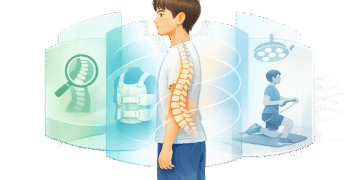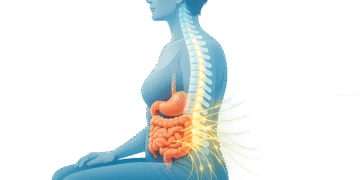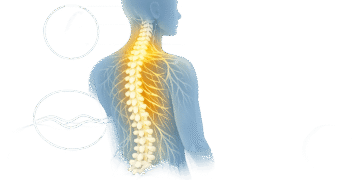

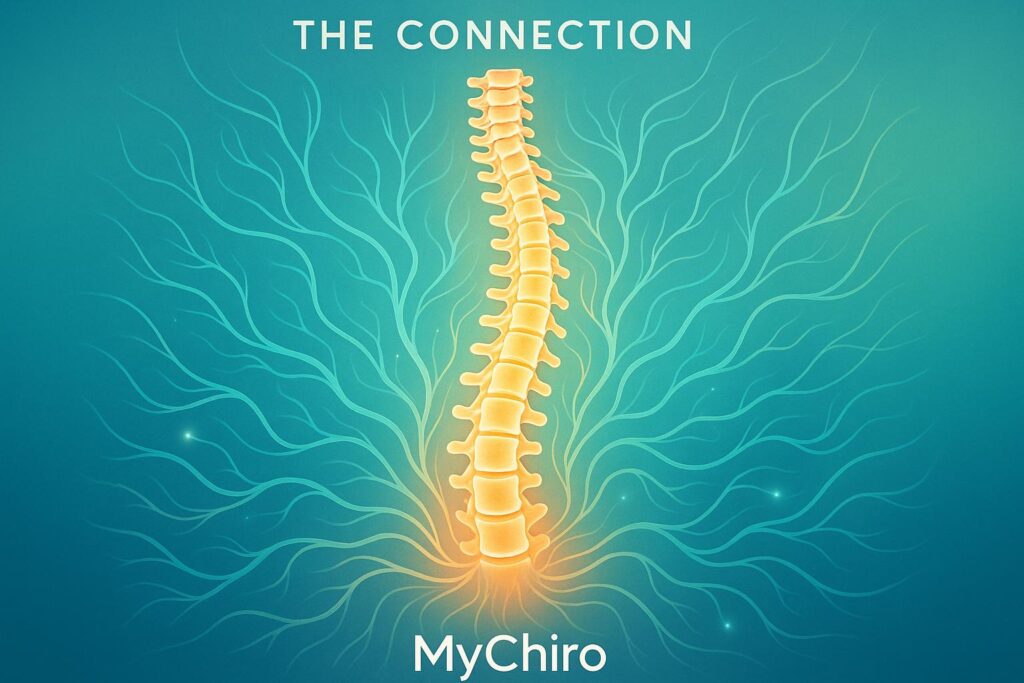
Your spine and nervous system are deeply linked, working together to support your overall health. The spine protects the spinal cord while enabling nerve signals to flow between your brain and body. Misalignments in the spine can disrupt this communication, leading to pain, stress, and other health issues.
Key takeaways:
- The spine shields the spinal cord and facilitates nerve communication through 31 pairs of nerves.
- Misalignment (subluxation) can block nerve pathways, causing pain, numbness, or organ issues.
- Research shows spinal adjustments can improve brain activity, stress response, and even blood pressure.
- Chiropractic care focuses on spinal alignment to enhance nervous system function, reduce stress, and improve overall well-being.
Practical tips for spinal health:
- Maintain good posture, especially at work.
- Include core-strengthening exercises like planks or swimming.
- Stay hydrated to support spinal discs.
- Manage stress with mindfulness or yoga.
- Use proper lifting techniques to avoid strain.
If persistent pain, numbness, or posture changes occur, seek professional advice. Chiropractic care, particularly nervous-system-focused approaches, offers a non-invasive way to address these issues. However, it’s important to weigh the benefits, costs, and potential risks based on your specific needs.
Spine & Nervous System Connection | Nerve Chart | Dr. Walter Salubro Chiropractor In Vaughan
How Spinal Health Changes Nervous System Function
The spine does more than just support your body – it plays a key role in how your nervous system functions. Its alignment directly affects how efficiently nerve signals travel between your brain and the rest of your body. When the spine is out of alignment, these signals can be disrupted, impacting everything from muscle coordination to stress management.
Spinal Alignment and Nerve Communication
When the vertebrae in your spine are properly aligned, nerve signals can flow freely, ensuring smooth communication between your brain and body. This alignment keeps nerve pathways clear, allowing messages to travel without interference.
However, when the spine is misaligned – commonly referred to as subluxation – pressure can build on nerve pathways. This can lead to a variety of issues, including pain, numbness, and even problems with organ function.
"When the spine is aligned, nerve signals flow freely, supporting all aspects of bodily function – from movement and digestion to mental clarity and immune response. However, when misalignment, or subluxation, occurs, this communication is disrupted, leading to a variety of potential health issues."
Statistics show that spinal pain is a widespread issue, affecting 54–80% of people at some point in their lives. Cervical spinal pain, in particular, is closely linked to headaches, with a prevalence rate of 15.1%.
The Role of the Autonomic Nervous System
The spine also has a significant role in regulating the autonomic nervous system (ANS), which manages involuntary functions like heart rate, digestion, and blood pressure. Specific spinal segments, such as the second to fourth sacral (S2–S4) and the tenth thoracic to first lumbar (T10–L1), are closely connected to sympathetic and parasympathetic nerve pathways.
When spinal alignment is off, it can disrupt the ANS, leading to imbalances in these vital functions. Restoring proper alignment through spinal manipulation has been shown to improve ANS activity. This is because spinal adjustments influence neural signals from muscle mechanoreceptors, which in turn affect motor control and autonomic functions via brain regions like the cerebellar vermis, anterior cingulate cortex, and insular cortex.
For example, research on women with primary dysmenorrhoea revealed that manipulating the sacroiliac joint not only reduced lower back pain but also improved ANS balance. This demonstrates how targeted spinal care can address both localised discomfort and broader nervous system issues.
The cervical spine, in particular, plays a critical role in nervous system regulation. Misalignment in this area can potentially compress or impair brainstem neural pathways, which are vital for cardiovascular control. This explains why neck problems are sometimes linked to changes in blood pressure and other autonomic symptoms.
These findings highlight the intricate connection between spinal alignment and nervous system health, emphasising the value of interventions that restore proper alignment to support overall well-being.
How Chiropractic Care Supports Spinal and Nervous System Health
Chiropractic care is rooted in the idea that addressing spinal misalignments can enhance the function of the central nervous system. It’s not just about relieving back pain – it’s about how spinal adjustments influence the intricate network of nerves that manage everything from muscle movement to stress responses.
Research shows that chiropractic adjustments can create measurable changes in how the nervous system operates. For instance, adjustments involve a rapid stretch of deep spinal muscles, which sends a surge of proprioceptive signals to the central nervous system. This can lead to changes in neural activity and motor control, paving the way for targeted chiropractic techniques.
Research-Based Effects of Chiropractic Adjustments
Scientific studies have highlighted the physiological benefits of chiropractic care on both spinal alignment and the nervous system. For example:
- A 2020 study found that chiropractic care positively impacts the autonomic nervous system, helping to reduce stress levels.
- A 2014 study focusing on cancer patients noted a reduction in stress and an improvement in quality of life.
- A 2012 systematic review suggested that chiropractic interventions could help lower anxiety levels.
One standout study published in Brain Sciences was conducted by researchers from King’s College London and the New Zealand College Chiropractic Research Committee. It involved 76 participants with chronic low back pain, comparing chiropractic care to usual treatments. The results showed significant improvements in anxiety, depression, and fatigue for those receiving chiropractic care.
"This study reinforces what many chiropractors have observed in practice. Chiropractic care is not just about addressing pain or improving mobility; it has far-reaching impacts on brain function and overall well-being."
- Dr. Jenna Duehr, Chiropractor, New Zealand Chiropractors’ Association
The mechanisms behind these effects involve the hypothalamic-pituitary-adrenal axis, which can regulate cortisol patterns often disrupted in anxiety and depression. Chiropractic adjustments also influence the release of chemicals and hormones that help lower blood pressure, calm the brain, and reduce inflammation – key factors in nervous system regulation.
The Nervous-System-Focused Chiropractic Model
This evidence has led to a growing emphasis on a nervous-system-focused chiropractic approach. This model highlights how improving spinal alignment can positively affect the central, peripheral, and enteric nervous systems, impacting functions like digestion, sleep, heart rate, and even cognitive abilities. Practitioners like Dr Steve in Bondi Junction use techniques such as spinal decompression and soft tissue manipulation to restore balance to the nervous system.
"Chiropractic care and spinal manipulation regulate the autonomic nervous system at peripheral level and its projections to the central nervous system. In particular, they may activate the parasympathetic system to counterbalance the activity of the sympathetic system."
- Aysha Karim Kiani et al.
This approach is particularly beneficial for individuals dealing with stress-related conditions. Many traditional treatments don’t directly address the role of the autonomic nervous system in issues like anxiety or depression. Considering that 50–65% of chronic pain patients also experience depression, this comprehensive method offers benefits that go beyond pain relief.
A specialised branch of this model, upper cervical chiropractic care, focuses on correcting misalignments in the atlas and axis vertebrae. This can relieve pressure on the brainstem and improve nervous system function. For example, case studies from December 2024 by Upper Cervical Solutions reported that a 36-year-old patient with postural orthostatic tachycardia syndrome (POTS), headaches, chronic pain, and anxiety saw improvements within four weeks. These included better sleep and digestive function, showcasing the broader benefits of this approach.
Chiropractic care’s growing popularity reflects its appeal as a natural, holistic treatment option. In 2022, 11.0% of U.S. adults reported seeking chiropractic care, up from 7.4% in 2002 – a clear sign of its increasing recognition as an alternative method for addressing spinal and nervous system health. This shift underscores the potential of chiropractic care to support overall wellness, especially for those looking to manage stress, posture issues, and nervous system balance naturally.
Keeping Your Spine and Nervous System Healthy: Practical Steps
Small, everyday changes can make a big difference in supporting your spinal health and keeping your nervous system functioning smoothly. Building on the benefits of spinal adjustments, these habits can help maintain balance and prevent discomfort.
Lifestyle Changes for Spinal and Nervous System Health
Workplace ergonomics play a crucial role in protecting your spine. Adjust your chair so the backrest reclines slightly (100°–110°), keep your feet flat on the floor, and position your monitor at eye level. When typing, your elbows should also be at a 100°–110° angle. Switching between sitting and standing throughout the day can also help maintain good posture and improve circulation.
Incorporate core-strengthening exercises like planks, bridges, or the bird-dog pose into your routine. These movements promote spinal alignment and enhance coordination.
Swimming is another excellent option. It strengthens the muscles that support your spine without placing stress on your joints. The water’s buoyancy eases pressure on your spine, while the rhythmic movements can help calm your nervous system by activating its relaxation response.
Managing stress is just as important. Chronic stress can overwork your sympathetic nervous system, leading to muscle tension in areas like your neck, shoulders, and back. Mindfulness practices such as meditation, yoga, or breathing exercises can help activate your body’s relaxation response, easing tension and promoting balance.
Hydration is often overlooked but essential. Your intervertebral discs are about 80% water, and staying hydrated helps them maintain their cushioning and shock-absorbing abilities. Dehydration can make these discs more prone to injury and less effective at protecting your spine.
When lifting heavy objects, always use proper techniques. Bend your knees, keep your back straight, and let your legs do the work. This reduces strain on your spine and protects the nerves running through it.
| Posture Issue | Common Symptoms |
|---|---|
| Forward Head Posture | Neck pain, headaches |
| Hunched Back (Kyphosis) | Upper back pain, shoulder tension |
| Swayback (Lordosis) | Lower back pain, hip discomfort |
Sleep is another key factor in spinal and nervous system health. A supportive mattress that keeps your spine aligned can aid recovery and help regulate stress hormones, reducing pain and improving sleep quality.
Finally, take movement breaks during the day. Sitting still for long periods can lead to stiffness and muscle fatigue. Short stretches or walks can improve circulation, keep joints flexible, and provide sensory input that supports proper motor control.
When to Seek Professional Assessment
If these adjustments don’t ease your discomfort, it might be time to consult a professional. Addressing issues early can prevent them from becoming chronic.
Persistent pain is a red flag. If you’ve been dealing with back, neck, or nerve-related pain (like sciatica) for several days without relief, or if the pain disrupts your daily life, it’s worth seeking an evaluation.
Neurological symptoms such as numbness, tingling, muscle weakness, or trouble with balance and coordination should also be assessed promptly. These could point to underlying issues that need attention.
Changes in posture often go unnoticed until symptoms develop. If you notice your head tilting forward, rounded shoulders, or shifts in your spine’s natural curves, a professional can help address these patterns before they worsen.
Work-related discomfort, like headaches, neck tension, or back pain that flares up during your workday, might also signal the need for an assessment. Similarly, if stress is taking a physical toll – causing muscle tightness, headaches, or back pain – it’s worth addressing both the physical and nervous system aspects.
If sleep disturbances are linked to physical discomfort – waking up stiff or in pain – it could mean spinal issues are affecting your recovery overnight. A professional can help pinpoint the cause and suggest solutions.
"It’s not just about treating pain; it’s about making sustainable changes to prevent future issues." – Dr. Rob
Seeking help early can mean less invasive treatment and better results. Combining professional care with natural, daily strategies supports both immediate relief and long-term health. For those in the Bondi Junction area, nervous-system-focused chiropractic care offers an evidence-based approach to addressing desk work, stress, and physical strain at their roots.
sbb-itb-585d67d
Benefits and Limits of Chiropractic Care for Nervous System and Spinal Health
Understanding the benefits and limitations of chiropractic care helps you make informed decisions about your health. This perspective highlights the connection between the nervous system and spinal health. While research shows that spinal manipulation can be effective for certain conditions, it’s equally important to recognise its boundaries and where other treatments might be more suitable.
There’s solid evidence supporting chiropractic care for specific issues. For instance, a 2017 study published in the Journal of the American Medical Association found that spinal manipulation led to moderate short-term improvements in back pain and function compared to placebo treatments, lasting up to six weeks. Similarly, a 2016 study highlighted that six to eight sessions targeting the cervical and upper thoracic spine provided better relief for chronic headaches than movement and exercise alone.
Beyond easing pain, chiropractic adjustments may benefit the nervous system. Research suggests these adjustments can trigger the release of neurotrophins – proteins essential for nerve health – which may play a role in managing depression. They can also influence other chemicals and hormones that help regulate blood pressure, calm brain activity, and reduce inflammation.
However, chiropractic care isn’t without its limits and risks. About half of all patients report minor side effects, such as soreness or mild headaches, after treatment. Serious complications are rare but include risks like herniated discs, pinched nerves, or, in extremely rare cases, stroke from cervical manipulation. For example, arterial dissection – a rare complication – has been estimated to occur in roughly one in 8.06 million office visits.
Cost is another factor to consider. In Australia, an initial chiropractic consultation typically costs between AU$100 and AU$250, with follow-up visits ranging from AU$30 to AU$80. These prices are comparable to other therapies like acupuncture (AU$60 to AU$120 per session) and massage therapy (AU$50 to AU$150 per session). Balancing cost with treatment effectiveness is an essential part of choosing the right care, as explored further in the next section.
The effectiveness of chiropractic care varies by condition. It’s well-supported for musculoskeletal issues like low back pain, neck pain, and certain headaches. However, it’s less effective for conditions that require medications or surgical intervention.
Comparison Table: Pros and Cons of Chiropractic Care
| Aspect | Benefits | Limitations |
|---|---|---|
| Pain Relief | Effective for low back pain, neck pain, and headaches | May not address underlying causes requiring medical treatment; effects may be temporary |
| Nervous System | Promotes neurotrophin release and regulates hormones | Limited evidence for non-musculoskeletal nervous system conditions |
| Safety Profile | Generally safe when performed by licensed professionals | Minor side effects common; rare but serious complications possible |
| Treatment Approach | Drug-free, non-invasive, and focuses on underlying issues | May require ongoing sessions; not suitable for all conditions |
| Cost Effectiveness | Competitive pricing; often covered by Medicare and workers’ compensation | Costs can add up with multiple sessions |
| Scope of Practice | Effective for musculoskeletal issues like osteoarthritis and plantar fasciitis | Less effective for systemic diseases or conditions needing medication |
The qualifications of your chiropractor are crucial to ensure safe and effective care. Licensed practitioners undergo rigorous training, enabling them to diagnose, treat, and refer patients if necessary. Seeking care from unlicensed individuals increases the risk of complications and reduces the potential benefits of treatment. Following these professional standards ensures chiropractic care remains a reliable option for maintaining spinal and nervous system health.
For those in areas like Bondi Junction, a nervous-system-focused chiropractic approach – such as the one offered by Dr Steve (Chiropractor at mychiro.com.au) – provides a method grounded in evidence. This approach combines the benefits of spinal manipulation with a broader understanding of spinal and nervous system health. It also ensures patients receive appropriate care and referrals when needed, offering a balanced and patient-centred approach to spinal health.
Conclusion: The Connection Between the Nervous System and Spinal Health
Your spine and nervous system share a deeply interconnected relationship that influences how your body functions, heals, and adapts. Research shows that spinal misalignments can reduce nerve exit space by up to 60%, which can disrupt the flow of vital signals between your brain and body.
Recognising this connection gives you the power to take charge of your health. When your spine is out of alignment, it’s not just a structural issue – it can affect the entire communication network within your body. This is where modern chiropractic care steps in, focusing not only on spinal structure but also on how it interacts with the nervous system.
Over the past decade or so, chiropractic care has shifted towards a research-driven approach. Today’s evidence-based practices go beyond traditional adjustments, incorporating insights into how spinal manipulation can influence the brain’s "pain matrix" and impact central pain processing. This evolving understanding highlights benefits that extend far beyond relieving back pain.
The numbers speak for themselves – between 60% and 80% of adults will experience back pain at some point in their lives. Addressing spinal health through evidence-based methods is a proactive way to support long-term wellbeing.
Of course, no two individuals are the same. An evidence-based approach combines research, clinical expertise, and personal preferences to tailor care to your unique needs, lifestyle, and health goals. It’s about finding what works best for you.
Everyday habits also play a big role in supporting both your spine and nervous system. Things like maintaining good posture, eating a balanced diet, incorporating strength training, and regular stretching can make a real difference. These small but meaningful actions complement professional care, creating a well-rounded approach to health.
For those seeking expert guidance, nervous-system-focused chiropractic care offers a fresh perspective on how spinal health impacts overall wellbeing. Dr Steve (Chiropractor) at mychiro.com.au provides care that reflects this modern understanding, helping you align your spine and support your nervous system. Keeping your spine in check isn’t just about avoiding back pain – it’s about nurturing your body’s overall balance and health.
Disclaimer
Important Note: This article is intended for general educational purposes and should not be considered a substitute for personalised healthcare advice. Always seek guidance from a qualified healthcare professional.
The information provided here is based on current research exploring the connection between nervous system and spinal health. However, every individual is different. If you’re dealing with spinal pain, nervous system issues, or any related health concerns, it’s essential to consult a registered healthcare practitioner. This could include a chiropractor, general practitioner, or physiotherapist registered with the Australian Health Practitioner Regulation Agency (AHPRA).
Keep in mind that health information evolves as new research becomes available. While the insights shared in this article reflect the latest understanding, they are not a replacement for professional advice tailored to your specific health situation.
For further information or referrals, visit the AHPRA website or speak with your local GP.
FAQs
How does chiropractic care support my nervous system and help with stress?
Chiropractic care plays a role in balancing your autonomic nervous system, which oversees vital functions like heart rate, digestion, and how your body responds to stress. Studies indicate that adjustments might ease tension by soothing overactive nerves and lowering stress hormones like cortisol.
When the nervous system is brought back into balance, your body may release its own calming chemicals, leaving you feeling more at ease and better prepared to handle stress. This approach supports both your physical and mental health, providing a natural way to enhance overall well-being.
Are there any risks or side effects associated with chiropractic care for spinal health?
Chiropractic care is generally regarded as safe when carried out by a qualified professional. That said, some individuals might encounter mild, short-term side effects like soreness, stiffness, headaches, or fatigue. These symptoms usually fade within a few days.
In rare instances, more serious complications can arise. These may include nerve compression, herniated discs, or, in extremely rare cases, stroke – particularly following high-velocity neck adjustments. To help reduce these risks, it’s crucial to provide your chiropractor with a full medical history and openly discuss any concerns before beginning treatment.
Make sure to consult a registered practitioner to determine if chiropractic care is the right choice for your specific health needs.
How can I tell if my spinal alignment is affecting my nervous system, and when should I see a professional?
If you’re dealing with ongoing symptoms like pain, numbness, tingling, weakness, or difficulty moving – especially if these persist for several days or disrupt your everyday activities – it could be a sign that spinal alignment issues are affecting your nervous system.
It’s important not to overlook these signs, as they might point to deeper problems. Consulting a qualified healthcare professional, such as a chiropractor or neurologist, can help pinpoint the cause and determine the right course of action. Addressing the issue early can play a key role in maintaining both your spinal health and your nervous system’s function.