

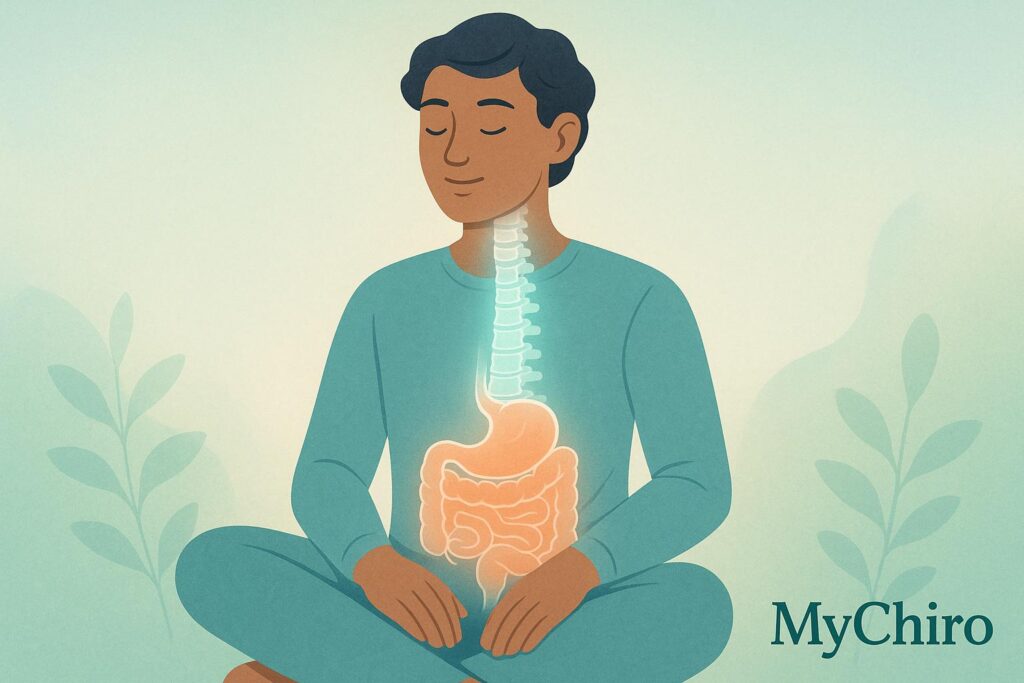
Chiropractic care isn’t just about back pain – it may also play a role in improving digestion. The spine houses nerves that connect your brain to your digestive organs, and misalignments in the spine could disrupt this communication. This might lead to issues like bloating, constipation, or irregular bowel movements. By addressing spinal alignment, chiropractic adjustments aim to restore nerve function, potentially supporting gut motility.
Here’s what you need to know:
- Nerve Function and Digestion: The spine impacts the autonomic nervous system, which controls digestion. Misalignments can interfere with signals that regulate muscle contractions, enzyme production, and blood flow to digestive organs.
- Stress and Gut Health: Stress activates the "fight or flight" response, slowing digestion. Chiropractic care may help relax the nervous system, promoting a "rest and digest" state.
- Posture Matters: Poor posture can compress abdominal organs, hindering digestion. Chiropractic adjustments and posture improvements may reduce this pressure.
- Research Insights: Some studies suggest mild to moderate improvements in digestion after chiropractic care, though results vary between individuals.
While chiropractic care shows promise as a complementary approach to digestive health, it’s not a cure-all. Combining it with healthy habits like good posture, regular movement, stress management, and hydration can further support gut motility. Always consult a qualified professional for personalised advice.
How Chiropractic Care Helps Eliminate Digestive Problems | Chiropractor in Belmar, NJ
How Your Gut, Brain, and Spine Work Together
Your gut, brain, and spine form a tightly connected communication system. This intricate network plays a role in regulating gut movement and overall digestive health.
How Your Nervous System Controls Digestion
Your autonomic nervous system is responsible for managing digestion, and it operates through two key branches.
The parasympathetic nervous system, often referred to as the "rest and digest" system, takes charge when you’re in a relaxed state. This system relies on the vagus nerve – a critical communication link between the brain and gut. It helps stimulate muscle contractions that move food through your digestive system, boosts the production of digestive enzymes, and ensures that blood flow reaches your digestive organs. When this system is functioning well, digestion tends to run smoothly and efficiently.
On the other hand, the sympathetic nervous system kicks in during stressful situations, triggering the "fight or flight" response. When this system is active, blood flow is redirected away from the digestive organs, digestive enzyme production decreases, and the muscle movements that push food through your intestines slow down or become erratic.
There’s also the enteric nervous system, sometimes called the "second brain", which consists of over 100 million nerve cells lining your gastrointestinal tract. While it works semi-independently, it stays in constant contact with your central nervous system via pathways that run through the spine. Chronic stress, which activates the sympathetic nervous system, can upset this balance, disrupting gut bacteria and digestion. This may lead to issues like bloating, constipation, or irregular bowel movements.
Now, let’s look at how your spine plays a role in keeping these nerve connections intact.
Spinal Health and Nerve Communication
As part of this intricate system, your spine serves as the main route for nerve signals travelling between your brain and digestive organs. The thoracic and lumbar regions of the spine are particularly important, as they house the nerves that directly interact with the stomach, intestines, and other digestive organs.
When the spine is misaligned, it can compress nerves and restrict blood flow. This interference might disrupt muscle contractions, reduce digestive enzyme production, and impair nutrient absorption and waste elimination. Misalignments can also cause irregular signalling between your gut and immune system, potentially leading to symptoms such as:
- Gas and bloating
- Constipation or irregular bowel movements
- Heartburn or acid reflux
- Cramping or discomfort after meals
Proper blood flow to digestive organs is also linked to spinal alignment. Misalignments can hinder circulation, limiting the delivery of oxygen and nutrients to your digestive system. Correcting alignment can help restore this blood flow, supporting organ function, enzyme production, and overall digestive efficiency.
Maintaining good spinal alignment ensures clear nerve pathways, promotes effective communication between your brain and gut, and allows your digestive organs the space they need to function properly.
This information is general and should not replace professional medical advice. Chiropractic care focuses on musculoskeletal health, and individual results can vary. Always consult a qualified healthcare provider for personalised advice.
Can Chiropractic Care Help Gut Motility?
Chiropractic care is often associated with musculoskeletal health, but there’s some evidence suggesting it might also play a role in supporting gut motility. This potential connection lies in how spinal health can influence nerve function, which is key to efficient digestion.
How Spinal Adjustments May Influence Nervous System Function
Spinal adjustments aim to address nerve interference that can disrupt communication between the brain and digestive organs. Misalignments in the spine, especially in the thoracic and lumbar areas, can compress nerves, potentially leading to digestive issues like constipation or bloating.
By realigning the spine and relieving this nerve compression, chiropractic adjustments may help restore proper signalling to the digestive system. This can also enhance vagal tone, which supports the parasympathetic nervous system’s ‘rest and digest’ response.
Another technique, spinal decompression therapy, works by reducing pressure on nerves linked to digestive functions. By creating an environment where nerve communication flows more freely, these approaches may help the body regulate gut motility more effectively.
A review of 21 studies noted mild to moderate improvements in gastrointestinal symptoms following chiropractic care, though results can vary from person to person.
These neurological benefits set the stage for addressing other factors, like posture, that also influence gut motility.
The Role of Posture in Digestive Health
Spinal health doesn’t just affect nerve function – it also plays a role in posture, which can impact digestion. Poor posture can place mechanical pressure on abdominal organs, potentially hindering their ability to function optimally.
Chiropractic care aimed at improving posture can help reduce this pressure, giving digestive organs more room to work efficiently. Better posture can also enhance blood flow and reduce tension in the muscles around the digestive system, creating a more favourable environment for gut motility.
Additionally, improved posture may help lower stress levels, which is another way chiropractic care could indirectly support digestion. By promoting relaxation, the parasympathetic nervous system can perform its role in digestion more effectively, potentially improving overall gut health.
These combined benefits – spinal adjustments and posture improvements – highlight how chiropractic care might support balanced gut motility.
For tailored advice on how chiropractic care could benefit your posture and digestive health, consult a qualified Chiropractor.
This information is general and not a substitute for professional medical advice. Chiropractic care focuses on musculoskeletal health, and individual results may vary. Always consult a qualified healthcare professional before making decisions about your health.
sbb-itb-585d67d
What the Research Shows About Chiropractic and Gut Health
Research exploring the relationship between spinal health and digestion highlights both intriguing possibilities and notable limitations regarding chiropractic care’s role in digestive health.
Current Studies on Chiropractic and Digestion
The evidence connecting chiropractic care to improved digestion is still emerging and somewhat inconsistent. A review of 21 studies noted mild to moderate improvements in gastrointestinal symptoms after chiropractic treatment, with no reported adverse effects. However, the quality of evidence remains a concern.
Out of the 21 studies, only a small number were randomised controlled trials (RCTs), leaving a significant gap in rigorous research. These studies have looked at conditions like constipation, irritable bowel syndrome (IBS), and gastroesophageal reflux disease (GERD). For instance, one RCT found that combining diversified spinal manipulation therapy with dietary changes improved GERD symptoms.
Interestingly, most benefits observed seem to result from indirect effects rather than direct changes in gut motility. Proposed mechanisms include reduced stress, improved nerve function, and better communication along the gut-brain axis, rather than chiropractic care acting directly on digestive organs.
This variability in outcomes highlights the complex nature of these interactions.
Why Results Vary Between People
Not everyone responds to chiropractic care for digestive issues in the same way. Several factors can influence these differences in outcomes.
Physiological factors play a significant role. Differences in spinal alignment, nervous system function, and overall health can affect how individuals respond to adjustments. For example, the extent of spinal misalignments and nerve interference varies from person to person.
Underlying health conditions also matter. Individuals with complicated digestive disorders or additional health challenges may respond differently compared to those with simpler cases. Age and general fitness levels can also influence recovery and responsiveness to treatment.
Lifestyle factors are another key consideration. Stress levels, diet, sleep quality, and physical activity all impact digestive health and may shape how the body reacts to chiropractic care. For instance, someone dealing with chronic stress might experience different outcomes compared to someone with effective stress management techniques.
The gut-brain connection adds another layer of complexity. Some people have more sensitive autonomic nervous systems, which might respond more readily to spinal adjustments. Others may need longer treatment periods or might only notice minimal changes.
These variations emphasise the importance of evidence-based practice in Australia. Chiropractors should remain transparent about the limitations of current research and avoid making claims unsupported by robust evidence. Given the lack of comprehensive clinical trials, any potential benefits of chiropractic care for digestive concerns should be viewed as preliminary.
As a result, chiropractic care is often considered a complementary approach to conventional medical treatments rather than a stand-alone solution. Patients should have open discussions with their healthcare providers to determine the best course of action for their individual needs.
Understanding these individual differences can also help inform daily habits that support gut health and motility.
This information is general in nature and not a substitute for professional medical advice.
Chiropractic care focuses on musculoskeletal health, and results vary between individuals.
Always consult a qualified healthcare professional before making decisions about your health.
Daily Habits That Support Gut Motility
In addition to spinal adjustments, simple daily habits can play a big role in supporting gut motility. These lifestyle tweaks work hand-in-hand with chiropractic care to help maintain a healthy nervous system and digestive function.
Posture Tips for Better Digestive Health
Believe it or not, the way you sit can impact your digestion. Poor posture can compress your abdominal organs, slowing digestion and potentially causing bloating or constipation.
- Desk Setup Essentials: Make sure your workspace supports good posture. Adjust your chair and desk so your back stays straight, feet rest flat on the floor, and your screen is at eye level. A lumbar support cushion can help maintain the natural curve of your lower back, easing strain on muscles and organs.
- Movement Breaks: Sitting for long periods can slow things down. Take a break every 30–60 minutes to stand, stretch, or move around. Simple stretches like shoulder rolls, spinal twists, or short walks can make a difference. Also, avoid sitting with crossed legs for too long, as this can compress your abdomen.
- Mindful Sitting Habits: Pay attention to your posture throughout the day. Keep your shoulders back, gently engage your core, and lift your head slightly to avoid slouching. These small adjustments can prevent unnecessary pressure on your internal organs.
Good posture is just the start. Incorporating regular movement and managing stress can further improve gut health.
Movement and Stress Management for Gut Health
Physical activity and stress management are key players in keeping your gut moving efficiently.
- Stay Active: Moderate aerobic exercises like brisk walking, cycling, or swimming for 30 minutes most days can help keep your digestive system on track. Core-strengthening exercises and gentle yoga poses, such as pelvic tilts or light twists, can also improve abdominal tone and circulation.
- Manage Stress: Chronic stress can disrupt digestion by triggering the "fight or flight" response, which redirects blood flow away from your gut. Techniques like deep breathing, mindfulness meditation, or progressive muscle relaxation can help calm your nervous system and promote healthier digestion.
- Hydration Matters: Staying hydrated is essential for a healthy gut. Aim for 2–2.5 litres of water daily (or more if you’re active or it’s hot) to soften stools and encourage regular bowel movements.
- Stick to a Routine: Consistency helps your digestive system function more efficiently. Try to eat meals at the same time each day and maintain a regular sleep schedule to support your body’s natural rhythms.
Keep in mind that this information is general and not a replacement for professional medical advice. Chiropractic care focuses on musculoskeletal health, and results can vary. Always consult a qualified healthcare provider before making health decisions.
Key Points About Chiropractic Care and Gut Motility
Exploring the connection between spinal health and digestion, here’s a closer look at how chiropractic care might play a role in supporting gut motility.
Chiropractic care may help improve gut motility by supporting nervous system function and spinal alignment, which could enhance communication between the brain and digestive organs. Misalignments in the spine can interfere with nerve signals, potentially impacting how well the digestive system operates.
While early research points to potential benefits, it’s important to maintain realistic expectations. The effectiveness of chiropractic care can vary depending on factors like the severity of digestive issues, overall health, lifestyle choices, and stress levels.
Chronic stress can disrupt digestion by affecting autonomic nervous system regulation. Chiropractic adjustments, especially when paired with relaxation techniques, may help ease body tension and stress, potentially improving gut function and relieving symptoms such as bloating or irregular bowel movements.
A holistic approach works best. Chiropractic care tends to be most effective when combined with practices like maintaining good posture, staying active, managing stress, and drinking plenty of water. Together, these factors can have a positive influence on digestive health.
Safety is key, and professional guidance is essential. Chiropractic care is generally safe when performed by an experienced practitioner registered with AHPRA. In Australia, clinics such as Dr Steve’s offer integrated services aimed at supporting musculoskeletal health.
The connection between spinal health and digestion is still being studied, and more comprehensive research is needed to better understand how these interactions might be applied in practice.
This information is for general purposes only and should not replace professional medical advice.
Chiropractic care primarily addresses musculoskeletal health, and results can differ between individuals.
Always consult with a qualified healthcare professional before making decisions about your health.
FAQs
Can chiropractic care help with digestive concerns like bloating or constipation?
Chiropractic care might contribute to better digestive function by influencing the autonomic nervous system, which helps regulate gut motility. Through spinal adjustments, chiropractors aim to address misalignments that could reduce tension in the nervous system – potentially improving how the digestive system operates.
However, it’s worth noting that chiropractic care is primarily centred on musculoskeletal health. While some individuals have reported improvements in digestion following treatment, outcomes can differ, and the scientific evidence connecting chiropractic adjustments directly to digestive health is still evolving. For personalised advice, it’s always best to consult a qualified healthcare professional.
This content is intended for general informational purposes and does not replace professional medical advice. Chiropractic care focuses on musculoskeletal health, and individual results may vary. Always seek advice from a qualified healthcare provider regarding your specific health concerns.
How can posture affect digestion, and what role might chiropractic care play?
Posture plays a role in digestion by influencing how the body aligns and supports critical systems like the spine and nearby muscles. Slouching or sitting for long periods can put extra pressure on the abdomen, which might interfere with gut motility and cause discomfort.
Chiropractic care can potentially assist in improving posture and spinal alignment, which may, in turn, have a positive effect on digestive health by encouraging a more balanced nervous system. Chiropractors use personalised adjustments and evidence-based techniques to address musculoskeletal imbalances linked to posture problems. While outcomes differ from person to person, many individuals report feeling better overall with regular chiropractic care.
What lifestyle changes could work alongside chiropractic care to support gut motility?
Chiropractic care can complement certain lifestyle adjustments to help support gut motility. Eating a diet rich in fibre, incorporating regular physical activity, and practising stress-reducing techniques like yoga or mindfulness can all contribute to better overall health. These habits may also have a positive impact on digestive function.
However, keep in mind that results can differ from person to person, and any lifestyle changes should be tailored to your unique needs. It’s always a good idea to consult a healthcare professional for advice that’s specific to your situation.
This information is intended as general guidance and should not replace professional medical advice. Chiropractic care primarily addresses musculoskeletal health, and outcomes can vary. Always seek advice from a qualified healthcare professional before making health-related decisions.