

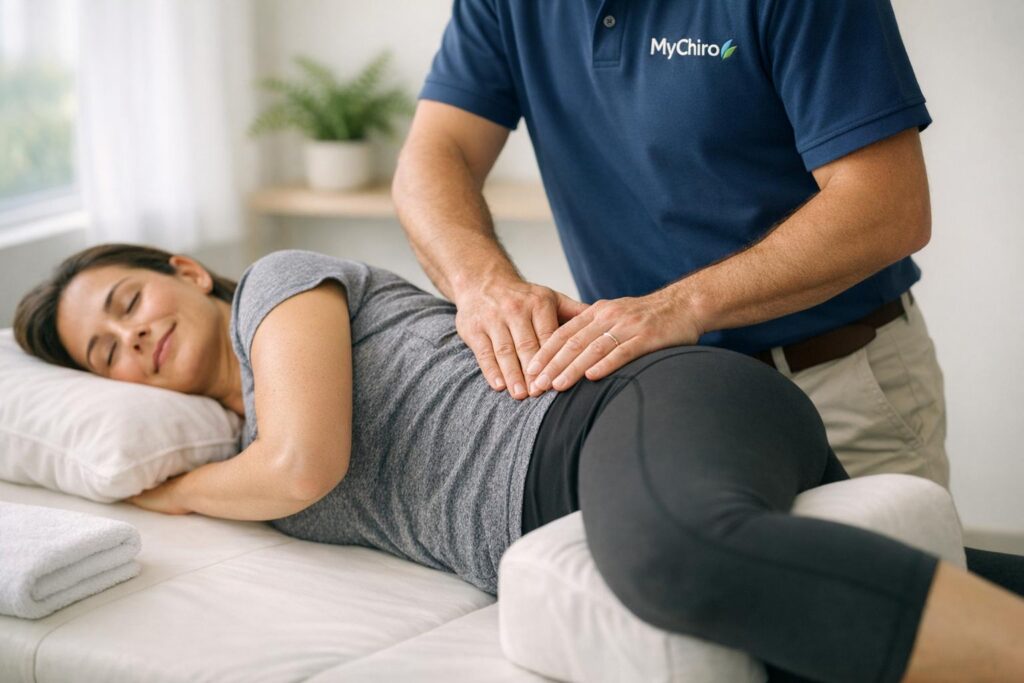
Low-force mobilisation is a gentle technique that may help ease lower back pain by improving spinal mobility, reducing muscle tension, and calming the nervous system. Unlike forceful adjustments, this method uses slow, controlled movements to promote relief without discomfort. Back pain, especially in the lumbar spine, can disrupt daily life and lead to long-term issues if untreated. Early intervention with low-force mobilisation, combined with posture adjustments and movement strategies, can support recovery and enhance comfort. Always consult a qualified practitioner to find the best approach for your needs.
How Low-Force Mobilisation May Help Back Pain
Improving Joint Movement and Flexibility
Stiffness in the spinal joints can make everyday movements like bending, twisting, or even standing upright a challenge. Low-force mobilisation techniques aim to restore flexibility through controlled and gentle motions. The goal? To improve movement without triggering discomfort or muscle guarding.
"Physical therapy remains a cornerstone in managing symptoms and enhancing mobility and strength." – Goodman Campbell
These methods not only address joint tightness but also promote better posture, which can reduce mechanical stress on the spine. As mobility improves, underlying muscle tension may also ease, helping the body move more comfortably and efficiently.
Reducing Muscle Tension and Nervous System Stress
Chronic back pain often goes beyond physical discomfort – it can overactivate the sympathetic nervous system (SNS). This heightened state can lead to constant muscle tension, a racing heart, and difficulty relaxing. Gentle mobilisation techniques aim to shift the body into a parasympathetic state, often referred to as "rest and digest", where the nervous system can focus on recovery.
"In rehabilitation, an overactive SNS may contribute to conditions like high blood pressure, anxiety, and muscle tension, requiring interventions to promote relaxation and stress management techniques." – Ladner Village Physiotherapy
By working carefully within the body’s natural range, these techniques may help calm the nervous system, encouraging muscle relaxation and restoring balance. This balance is a key factor in managing back pain effectively.
What the Research Shows
Recent studies shed light on how spinal mobilisation – sometimes called "manipulation without thrust" or "oscillatory mobilisation" – can affect the body. Both low-force and high-force techniques have been shown to activate systemic neuroimmune responses, influencing markers like heart rate variability.
While some research on healthy participants found no major differences between low-force mobilisation and high-force manipulation in terms of pressure pain thresholds at the lumbar spine, clinical observations suggest that gentler methods can be effective for many. Results, however, can vary from person to person. Combining mobilisation with specific exercises and posture adjustments often leads to better outcomes tailored to individual needs.
sbb-itb-585d67d
Early lumbar spine mobilization exercises for low back pain
Comparing Low-Force Mobilisation to Other Techniques
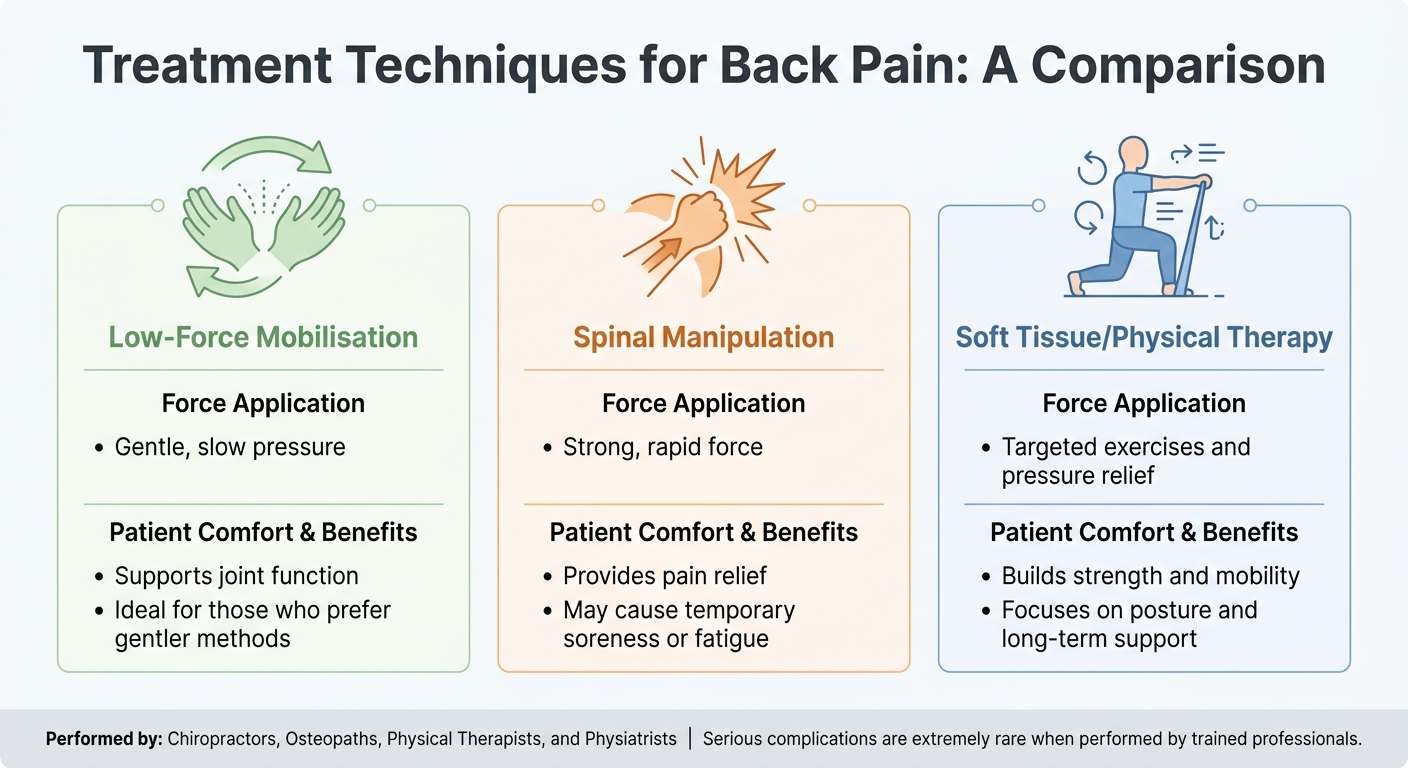
Comparison of Back Pain Treatment Techniques: Low-Force Mobilisation vs Spinal Manipulation vs Physical Therapy
Gentle Approach vs High-Force Techniques
Low-force mobilisation stands apart from high-velocity spinal manipulation primarily in how force is applied. While low-force techniques rely on slow, controlled movements to improve joint mobility, high-force manipulation involves quick thrusts that often result in that familiar "cracking" or audible release.
"The careful, controlled force used on the joint can range from gentle to strong, and from slow to rapid." – Ignite Healthwise, LLC Staff
Both approaches aim to reduce pain and enhance function, but they cater to different preferences and comfort levels. Low-force mobilisation tends to appeal to individuals who prefer a less intense, hands-on approach or want to ease into treatment. On the other hand, high-force manipulation, though generally safe when performed by a skilled provider, might lead to minor side effects such as temporary soreness or fatigue after a session.
It’s essential to discuss your comfort level and treatment goals with a qualified practitioner. They can help you decide whether a gentle or more vigorous technique will suit your needs. Pairing these treatments with targeted exercises can further support joint health and promote long-term spinal stability.
Comparison Table: Techniques and Benefits
| Technique | Force Application | Patient Comfort & Benefits |
|---|---|---|
| Low-Force Mobilisation | Gentle, slow pressure | Supports joint function; ideal for those who prefer gentler methods |
| Spinal Manipulation | Strong, rapid force | Provides pain relief; may cause temporary soreness or fatigue |
| Soft Tissue / Physical Therapy | Targeted exercises and pressure relief | Builds strength and mobility; focuses on posture and long-term support |
Chiropractic doctors, osteopathic doctors, physical therapists, and some medical professionals like physiatrists often perform these techniques. When handled by trained experts, serious complications are extremely rare, making these options widely considered safe and effective for managing back pain.
Practical Tips to Support Spinal Health
These everyday strategies can help maintain spinal health while complementing the gentle improvements achieved through low-force mobilisation.
Posture and Ergonomics
Good posture is more than just sitting up straight – it’s about creating a setup that supports your spine throughout the day. Adjusting your chair height, aligning your screen at eye level, and taking regular breaks can ease nerve pressure and reinforce the benefits of low-force mobilisation. A qualified practitioner can guide you in finding the best alignment for your body.
Even small adjustments, like slightly leaning forward during long periods of standing or ensuring your desk setup is ergonomic, can make a big difference. Pair these changes with frequent movement to reduce strain and keep your spine healthier.
Stretching and Movement Breaks
Proper ergonomics are essential, but they work best when combined with regular movement and stretching. Sitting still for long periods can lead to stiffness and tightness, which not only limits flexibility but can make everyday tasks harder.
"Stay active and do exercises that help your muscles better support your joints. Good self-care will help your back stay strong and help you feel better." – Ignite Healthwise, LLC Staff
Taking short movement breaks throughout the day and incorporating stretches that target the lower back can help prevent stiffness from setting in. These stretches, when combined with other self-care practices like applying heat or ice, can soothe occasional aches before they escalate into more persistent discomfort. Staying proactive with movement and care is key to keeping your spine in good shape.
Conclusion
Low-force mobilisation techniques may help manage back pain by improving mobility, reducing muscle tension, and calming the nervous system. Research indicates that chiropractic care, which often includes these gentle methods, can deliver results comparable to physical therapy and standard medical treatments for non-specific low back pain. It’s also noted for having a strong safety record.
"Moderate evidence suggests that chiropractic care for LBP appears to be equally effective as physical therapy." – PLOS One Systematic Review
Choosing a care option often comes down to personal preferences and values. Combining manual therapy with advice on movement and reassurance can address both physical limitations and the stress placed on the nervous system.
This holistic approach can also help manage symptoms early, potentially preventing them from worsening. Paying attention to warning signs like radiating leg pain or numbness can guide you toward timely, conservative care options. These treatments remain a key part of managing musculoskeletal issues and promoting long-term spinal health.
If you’re considering gentle manual care for back pain, look for practitioners who combine hands-on techniques with movement-based strategies. This balanced approach can support your recovery, help your body adapt, and maintain the mobility and comfort you need in daily life.
This information is general and does not replace professional medical advice. Chiropractic care focuses on musculoskeletal health, and results can vary. Always consult a qualified healthcare professional before making health-related decisions.
FAQs
What does low-force mobilisation feel like?
Low-force mobilisation involves gentle, controlled movements targeting the spine or specific affected areas. Unlike techniques that rely on forceful pressure, this method prioritises comfort, making it a relaxing experience for many.
The focus here is on subtle adjustments designed to support the nervous system and enhance mobility. It’s an excellent option for individuals who may be sensitive to more traditional approaches, offering a calmer way to address spinal health while encouraging improved movement and overall function.
How can I tell if my back pain needs urgent medical attention?
If your back pain doesn’t go away, gets worse over time, or comes with symptoms like leg weakness or changes in bladder or bowel control, seek urgent medical attention. These signs could point to serious nerve compression or another critical issue. When in doubt, always reach out to a healthcare professional for guidance.
How many sessions might I need before noticing a change?
The number of sessions required to notice a difference can vary widely from person to person. Many people experience gradual improvements over the course of several visits. To ensure the best approach for your situation, it’s a good idea to talk with your healthcare provider. Together, you can develop a care plan tailored to your needs and goals.


