Massage, warm compresses and gentle stretching before bed are the home measures most parents try first when they want to know how to relieve growing pains in children naturally, alongside consistent sleep and enough fluids through the day. Growing pains typically turn up in the calves, shins or thighs of children aged 3 to 12, almost always in the evening or overnight, and usually settle within a day. Pain on one leg only, swelling, redness or a limp is not typical of growing pains and needs a GP review rather than more home care.
- Massage, warm compresses and gentle stretching are the main home approaches used to relieve growing pains in children naturally.
- Growing pains typically affect children aged 3 to 12 in the calves, shins or thighs, mostly at night.
- An estimated 10 to 20 percent of children experience growing pains, and most outgrow them by their early teens.
- Swelling, redness, fever or a limp are not typical of growing pains and need a GP review.
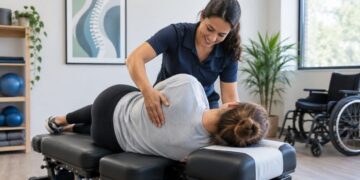
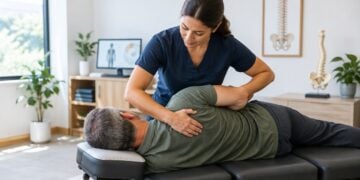
- A chiropractor can be part of a broader assessment of posture and movement, alongside your GP’s advice.
Why this matters
Growing pains are one of the more common reasons parents raise leg or knee discomfort with a GP, physio or chiropractor in 2026, mostly because the ache looks alarming at 9pm and is gone by breakfast. Despite the name, no study has confirmed that bones growing faster than muscles is what causes the pain — the label is decades old and closer to habit than diagnosis. What matters practically is telling a benign, self-limiting pattern apart from one that needs a same-week medical review.
The home routine below reflects what GPs and paediatric physiotherapists commonly suggest for straightforward growing pains in 2026. The team at MyChiro in Bondi Junction can also be part of a broader look at your child's posture and movement if pain continues or you'd like a second opinion alongside your GP.
How do you relieve growing pains in children naturally?
- Warm compress or bath before bed — a warm face washer or a warm bath 20-30 minutes before your child's usual sleep time is one of the most frequently reported comforts for evening leg ache.
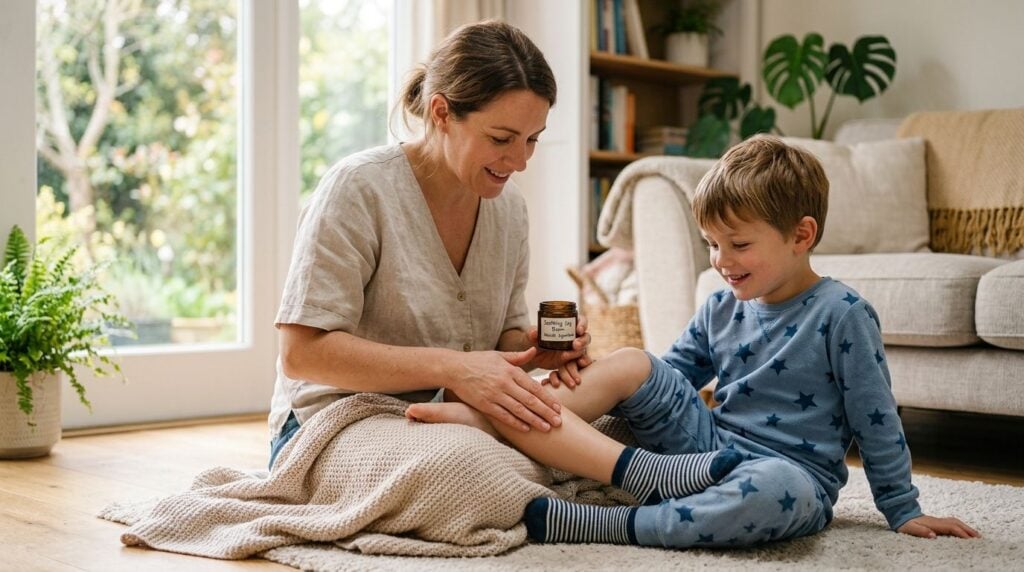
- Gentle massage of the calves and shins — a slow, firm massage along the muscle, not over a joint, for a few minutes can settle the ache enough for a child to fall asleep.
- Light stretching in the late afternoon — simple calf and hamstring stretches held for 20-30 seconds, done before dinner rather than right before bed, are commonly suggested by physiotherapists.
- Pharmacist-guided pain relief if needed — for a night that's clearly worse than usual, ask a pharmacist or GP about an age-appropriate option; don't choose a dose for a child under 12 months yourself.
- Hydration and magnesium-rich foods during the day — low fluid intake and low magnesium are commonly discussed alongside muscle cramping in kids, so water, dairy, leafy greens and wholegrains are a reasonable daily habit.
- A consistent bedtime routine and daytime footwear check — overtired children commonly report worse evening pain, and worn-out or unsupportive shoes can add extra strain across a school week.
Home care vs when to escalate
| Pattern | What it usually means | What to do |
|---|---|---|
| Both legs, evening or night only, gone by morning | Typical growing-pain pattern | Home care measures above |
| One leg only, or joint swelling and redness | Not typical of growing pains | Book a GP appointment |
| Fever, a limp lasting more than a few days, or reluctance to walk | Needs prompt medical review | See a GP the same week |
“If the pain is on one leg only, it’s not a typical growing pain — get it checked.”
Why growing pains vary from child to child
- Activity level that day — a big sports session or a long walk often means a worse night.
- Growth-spurt timing — some children go through faster stretches of height gain than others.
- Overtiredness — poor daytime routines or late bedtimes are linked with more reported pain.
- Footwear support — shoes with little arch support add strain during a school week.
- Hydration and diet — low fluid intake through a hot Sydney day is a commonly cited factor.
- Family history — parents who had growing pains as kids often report their children do too.
Is it normal for growing pains to happen every night?
Growing pains happening most nights for a stretch of weeks is common and, on its own, is not a red flag — many children go through a run of several nights in a row, especially after a busy week, then go weeks with none at all. What's unusual is pain that's there every single night for months without a break, or pain that's identical in exact location and severity each time — that pattern deserves a GP check rather than more home care.
How long do growing pains last in children?
Growing pains most often occur between age 3 and 12, with an individual episode lasting minutes to a couple of hours on a bad night rather than lasting all day. Most children stop having them by early adolescence, and a single episode rarely needs more than the home measures above to settle before morning.
When should growing pains be seen by a doctor?
Growing pains should be seen by a doctor when the pain is on one leg only, there's swelling, redness or warmth over a joint, your child is limping, running a fever, or the pain wakes them repeatedly for more than a week. A GP can rule out other causes and, following that assessment, might discuss further options — including whether chiropractic care for children with growing pains fits your child's situation — but growing pains on their own are not an emergency.
Discuss your child’s posture and comfort
A general assessment can look at movement and posture alongside your GP’s advice.
FAQ
What are growing pains in children?
Growing pains are recurring aches, most often in the calves, shins or thighs, that show up in the evening or overnight in otherwise healthy children aged 3 to 12. They aren’t linked to a specific injury and usually clear by morning.
How common are growing pains in kids?
An estimated 10 to 20 percent of children experience growing pains at some point, making them one of the more frequently reported childhood aches raised with GPs. Most cases need nothing more than home care.
What age do growing pains start and stop?
Growing pains typically start around age 3 and taper off by early adolescence, though the exact age varies between children. A single case rarely continues past the early teen years.
Can massage help growing pains?
Massage of the calf or shin muscle is one of the most commonly used home measures for growing pains, and many parents find it settles a child enough to fall back asleep. It’s a comfort measure rather than a fix for the underlying pattern.
Is heat or ice better for growing pains?
Warmth, such as a warm bath or a warm face washer, is more commonly reported to settle growing pains than ice, since the ache is muscular rather than an acute injury. Ice is usually reserved for a specific bump, sprain or swelling instead.
When should growing pains be seen by a doctor?
Growing pains should be seen by a doctor when the pain is on one leg only, there’s swelling or warmth over a joint, or your child is limping or feverish. A GP visit is also reasonable if nightly pain disrupts sleep for more than a week.
Can a chiropractor help with growing pains?
A chiropractor can look at a child’s posture, movement and any footwear or activity patterns that come up alongside growing pains, as one part of a broader picture your GP is also involved in. Chiropractic care isn’t a stand-alone treatment for growing pains themselves.
Do growing pains affect sleep?
Yes, growing pains commonly wake children in the evening or overnight, which is often the exact reason parents start searching for home remedies. A consistent bedtime routine and the measures above are the usual first response before involving a GP.
One last thing
Growing pains almost always show up in both legs around the same time, not just one — a detail worth remembering before you assume the worst on a bad night in 2026. If your child ever points to one specific spot, one side, or one joint and says that's where it hurts every time, treat that as a different pattern and book a GP visit rather than reaching for the massage oil again.
Related guides
- Chiropractic care for babies and infant colic
- Chiropractic care for scoliosis in teenagers
- How to prepare for your first chiropractor appointment