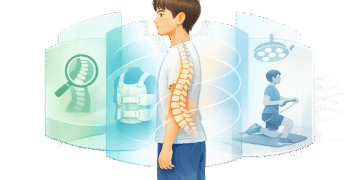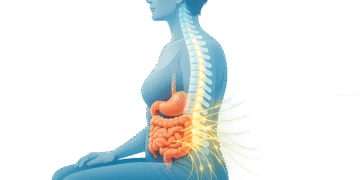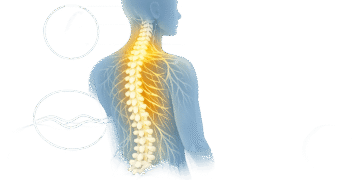


When you’re stressed, your body doesn’t just feel it – it shows it. Stress impacts your nervous system, triggering muscle tension, especially in the neck, shoulders, and back. Over time, this tension can change your posture, leading to slouching, forward head posture, or rounded shoulders. Poor posture, in turn, can worsen stress by compressing nerves and disrupting the flow of signals in your body.
Here’s what you need to know:
- Stress activates the "fight-or-flight" response, increasing muscle tension and altering spinal alignment.
- Poor posture can amplify stress levels, creating a vicious cycle.
- Upright posture can reduce cortisol (stress hormone) levels, improve mood, and enhance confidence.
- Emotional stress also weakens bones and joints over time, further impacting posture.
Breaking this cycle involves a combination of professional care (like chiropractic adjustments), regular exercise, ergonomic changes, and stress management techniques. Small, consistent steps can help restore balance and support both your physical and mental health.
Posture Reset for Nervous System Regulation | Posture & Presence Day 1
How Nervous System Stress Changes Postural Alignment
Stress doesn’t just weigh on your mind – it can also reshape your body. When the nervous system is under stress, it sets off a chain of physiological reactions that can alter posture and impact overall health. These changes are driven by neurological and hormonal pathways that adjust muscle tone and spinal alignment. Let’s dive into how the autonomic nervous system plays a central role in these postural shifts.
The Autonomic Nervous System’s Role
The connection between stress and posture is deeply rooted in the autonomic nervous system. This system governs involuntary functions like heart rate, breathing, and digestion. When stress hits, the sympathetic branch of the autonomic system kicks into gear, releasing energy, speeding up the heart, and redirecting blood flow to muscles. While this response helps the body prepare for action, it also increases muscle tension, particularly in areas like the neck, shoulders, and back. Over time, this tension can pull the body out of its natural alignment, creating a feedback loop where stress fuels poor posture, and poor posture fuels more stress.
Research highlights that reticulospinal pathways, which influence muscle tone, are closely tied to the autonomic nervous system. This means the same neural circuits that manage posture are also linked to stress responses. When stress amplifies these pathways, it can lead to chronic tension patterns, such as forward head posture, rounded shoulders, and exaggerated spinal curves – classic signs of a body on high alert.
Interestingly, these stress-induced postural changes aren’t solely dependent on the chemical stress response. Brain-to-muscle communication plays a significant role, operating through pathways that remain active even if the sympathetic nervous system is blocked. This makes stress-related posture issues particularly stubborn without focused intervention.
On the flip side, the vagus nerve – part of the parasympathetic system – helps counterbalance stress. High vagal tone supports recovery from stress by promoting relaxation and restoring muscle function. However, low vagal tone is associated with heightened stress reactivity, prolonged muscle tension, and difficulty returning to a relaxed state. These dynamics underline how stress and posture are intricately linked through neural pathways.
How Emotional Stress Affects Posture
Emotional stress doesn’t just sap your energy – it can also wreak havoc on your posture. Stress hormones like cortisol and adrenaline flood the system during emotional strain, leading to muscle tension and discomfort, particularly in the back. These hormones not only cause temporary aches but can also disrupt how muscles coordinate and function over time.
"When the body is stressed, muscles tense up. Muscle tension is almost a reflex reaction to stress – the body’s way of guarding against injury and pain."
- American Psychological Association
Chronic stress takes this a step further. It can impair calcium absorption, weakening bones and increasing the risk of fractures. Stress-induced inflammation can also affect joints, leading to stiffness, pain, and reduced mobility – especially problematic for individuals with arthritis or similar conditions.
The effects don’t stop there. Repeated surges of adrenaline can damage blood vessels, raising blood pressure and the risk of cardiovascular issues. Elevated cortisol levels can increase appetite and cause the body to store excess nutrients as fat, particularly around the midsection. This added weight shifts the body’s centre of gravity, placing extra strain on the spine and forcing the body to adjust its posture to compensate.
Stress also disrupts the body’s natural rhythms, including the cortisol awakening response, which can lead to morning fatigue, pain, and inflammation. This disruption makes it harder to maintain postural control and can heighten pain sensitivity throughout the day.
Research from the Sports Injuries Research Centre in Limerick, Ireland, has shown how chronic stress affects physical health. Their findings link stress-related postural dysfunction to an increased risk of muscle strains and injuries in areas like the back, knees, and ankles.
"Stress doesn’t just affect your mind – it also takes a toll on your body. From muscle tension to joint pain, chronic stress can significantly strain your musculoskeletal system."
- OrthoCarolina
Understanding these connections is a critical first step in breaking the cycle of stress and poor posture, paving the way for a healthier balance in both mind and body.
The Two-Way Connection Between Poor Posture and Nervous System Stress
Posture and nervous system stress share a two-way relationship. Stress can throw your body out of alignment, while poor posture can amplify stress responses, worsening both physical tension and mental strain. This dynamic interplay highlights how changes in alignment can directly influence both autonomic and mental functions.
How Poor Posture Affects Autonomic Nervous System Function
Slouching or adopting a forward head posture doesn’t just affect your appearance – it actively impacts your body’s stress response systems. Recent research has uncovered specific biomechanical and neurological changes tied to poor posture.
A 2024 study of 33 computer users revealed that forward head posture led to a reduced cranio-vertebral angle, increased tension in the levator scapulae, stiffness in the sternocleidomastoid, and decreased elasticity in the platysma. These physical changes were also linked to altered brain activity patterns associated with stress and mental fatigue.
The cardiovascular effects are equally concerning. When your trunk moves out of its neutral position, your heart works harder to maintain proper circulation. Studies show that forward flexion and lateral rotation can reduce cardiac output, while posterior extension may increase heart rate. These shifts disrupt the balance of the autonomic nervous system by ramping up sympathetic activity.
Forward head posture also increases gamma wave activity in the brain, a pattern linked to mental stress and depression. This posture affects the vagus nerve and other cranial nerves that pass through the cervical spine, interfering with autonomic regulation. Alarmingly, around 78% of people experience cervical spine changes from prolonged use of devices like smartphones and computers. The pressure on posterior vertebrae and muscles can increase by over four times, triggering a cascade of stress throughout the body.
Additionally, poor posture stimulates the sympathetic nervous system, keeping the body in a constant state of alertness – even when it’s supposed to be at rest. Spinal misalignments can compress nerves, disrupting signal flow and further fuelling the stress response.
Posture’s Impact on Mood and Mental Function
Posture doesn’t just influence your physical health – it also shapes your mood and mental clarity. How you hold your body can reflect your emotions, but it also plays a role in shaping them. Research shows that upright postures are linked to better mood and faster cognitive processing, while slumped postures are associated with negative emotions and slower mental performance. For example, a study found that participants who slouched rated a maths test as much harder than those who maintained an upright posture, even though the test itself was the same.
The brain’s salience network, which handles environmental awareness and cognitive readiness, explains this connection.
"Our postural readiness is constantly under evaluation by the brain. If we’re curled up into a ball all the time on our computer and phone, we’re signalling to the brain that we’re hiding from a tiger and we need stress hormones. Combine that with stress from the job, on that computer, and the brain responds like there’s a tiger. This increases muscle tension everywhere, specifically in the neck and shoulders, the place we all carry our stress."
Poor posture also restricts blood flow to the brain, adds tension to the spinal canal and brainstem, and disrupts cerebrospinal fluid flow – all of which affect cognitive and executive functions, memory, and processing speed. Increased gamma wave activity in key brain regions caused by forward head posture may also contribute to heightened anxiety, fatigue, and difficulty regulating emotions.
Recognising this two-way connection between posture and nervous system function is crucial for creating strategies that improve both physical alignment and mental wellbeing.
sbb-itb-585d67d
Research-Based Methods to Restore Nervous System and Postural Balance
Building on the earlier discussion of the stress–posture cycle, effective strategies to restore nervous system and postural balance focus on both structural and neurological elements. Research highlights several methods that can address these interconnected systems, with varying outcomes depending on individual needs and the severity of the issue.
Chiropractic Care for Posture and Nervous System Balance
Chiropractic care plays a key role in improving spinal alignment and supporting nervous system function. By addressing the link between postural issues and nervous system stress, chiropractors can help restore balance to both.
At the heart of chiropractic treatment are spinal adjustments, which aim to correct misalignments, improve joint mobility, and reduce nerve interference. For example, a 2020 study found that chiropractic care positively influences the autonomic nervous system by reducing stress and promoting a shift toward a parasympathetic state – the "rest and digest" mode that aids healing and recovery.
Research also shows that chiropractic adjustments can impact brain activity, particularly in the prefrontal cortex, which is involved in stress regulation. This may explain why many patients report feeling calmer and more mentally focused after treatment. Furthermore, studies have found that chiropractic care can enhance heart rate variability and lower cortisol levels, both indicators of improved autonomic balance. Notably, the Journal of Alternative and Complementary Medicine reported reduced cortisol levels in patients after a series of chiropractic sessions.
The psychological benefits are equally noteworthy. A 2011 study in the Journal of Upper Cervical Chiropractic Research revealed significant reductions in anxiety scores among patients receiving upper cervical adjustments.
"Chiropractic treatment positively affects the nervous system and as a result, positively affects the entire body." – Dr. Rich Benjamin, DC
In Bondi Junction, Dr Steve (Chiropractor) adopts an evidence-based approach that targets the nervous system’s role in postural dysfunction. This approach is especially helpful for office workers, parents, and fitness enthusiasts dealing with stress-induced postural changes from desk work, emotional strain, or physical exertion. Treatment plans are tailored not just to alleviate pain but also to promote long-term spinal health, improve posture, and balance the nervous system.
Postural assessment and correction is another vital element of chiropractic care. By thoroughly evaluating spinal alignment and movement patterns, chiropractors can identify areas where nervous system stress contributes to postural issues, helping to prevent future discomfort and dysfunction.
Next, let’s compare chiropractic care with other postural correction methods.
Comparing Different Postural Correction Methods
Each method for addressing posture and nervous system health offers unique benefits and limitations. Understanding these differences can help individuals choose the most suitable approach for their needs.
| Treatment Method | Primary Focus | Advantages | Limitations | Timeframe for Results |
|---|---|---|---|---|
| Chiropractic Care | Spinal alignment and nervous system function | Provides direct structural corrections; immediate effects on the nervous system; targets root causes through professional spinal adjustments | May require ongoing sessions; results vary by individual | Often noticeable within 1–3 sessions |
| Physiotherapy | Muscular support and movement patterns | Builds long-term muscular strength; structured rehabilitation programs; exercise-focused | Slower progress; may not address spinal misalignments directly | Gradual improvements over 6–12 weeks |
| Exercise Programs | Strength and flexibility | Affordable; can be done independently; boosts overall fitness | Doesn’t directly correct misalignments; requires consistent effort | Visible changes in 4–8 weeks |
| Ergonomic Modifications | Environmental factors | Prevents further issues; addresses workplace-related causes | Doesn’t correct existing postural problems; effectiveness limited to specific settings | Immediate prevention with gradual benefits |
Chiropractic care stands out for its ability to provide immediate relief by directly addressing misalignments and nerve interference. This makes it particularly effective for those dealing with both postural dysfunction and nervous system stress.
Physiotherapy focuses on strengthening muscles and improving movement patterns through exercises and manual techniques. While its results take longer to develop, the benefits can be long-lasting, especially when it comes to overall mobility and physical health. However, it may not directly resolve spinal misalignments that contribute to nervous system imbalances.
Self-guided approaches, like yoga, Pilates, or targeted exercises, can complement professional treatments by maintaining alignment and reducing stress. While these methods are valuable for long-term maintenance, they might not be enough to address severe postural or nervous system issues on their own.
Lifestyle changes can further enhance the effectiveness of any primary treatment. Incorporating regular movement breaks, ergonomic adjustments, stress management practices like meditation or deep breathing, and maintaining healthy sleep habits all contribute to better postural and nervous system health. Additionally, proper nutrition and staying hydrated can support overall nervous system function.
The best results often come from combining professional treatment with supportive lifestyle habits. For instance, chiropractic care can provide the immediate corrections needed to restore nervous system balance, while exercises and ergonomic adjustments help maintain these improvements over time.
Choosing the right method depends on individual circumstances, including the severity of the dysfunction, time availability, and personal preferences. For those with significant postural issues and stress-related symptoms, starting with professional care – such as chiropractic or physiotherapy – can offer immediate relief and set the foundation for long-term balance.
Key Findings and Practical Steps
Research highlights a fascinating connection between stress in the nervous system and postural alignment, showing how these two factors influence mental health and overall wellbeing.
For instance, a study in Health Psychology found that people who maintained an upright posture reported feeling more confident, experienced a better mood, and had reduced fear compared to those who slouched. Similarly, research published in the Journal of Behavior Therapy and Experimental Psychiatry demonstrated that upright posture during stressful tasks was linked to lower cortisol levels, the hormone associated with stress.
The need for effective solutions is clear. In Australia, about one in four adults experiences at least one day of back pain over a three-month period, highlighting the widespread impact of poor posture and stress on daily life.
Dr. Justin Dearing, a functional neurologist and chiropractor, explains how posture and stress are deeply connected:
"Our postural readiness is constantly under evaluation by the brain. If we’re curled up into a ball all the time on our computer and phone, we’re signaling to the brain that we’re hiding from a tiger and we need stress hormones." – Dr. Justin Dearing, Functional Neurologist and Chiropractor
Thankfully, there are simple, practical steps you can take to support better posture and reduce stress on the nervous system.
Steps to Improve Posture and Nervous System Health
- Stay Aware of Your Posture
Dr. Cris Zampieri, a physical therapist at the NIH, emphasises the importance of mindfulness:
"One way to improve your posture is to be aware of it in the first place." – Dr. Cris Zampieri, NIH Physical Therapist
Frequent movement breaks can help reduce tension and improve balance. - Incorporate Regular Physical Activity
Exercise boosts blood flow, delivering essential nutrients and oxygen to nerve cells. Activities like yoga and Pilates strengthen core muscles, offering vital support to the spine. - Make Workplace Adjustments
Ergonomic changes, such as adjusting desk and chair heights, can minimise strain from prolonged sitting and help maintain proper alignment. - Adopt Stress Management Techniques
Practices like yoga, meditation, and deep breathing not only calm the mind but also support the health of the nervous system and posture. - Prioritise Sleep and Nutrition
Aim for 7–9 hours of quality sleep each night. A diet rich in omega-3 fatty acids and vitamin B12, combined with limiting alcohol and tobacco use, enhances nervous system function.
Professional Care and Lifestyle Integration
Combining lifestyle changes with professional care can make a big difference. Evidence-based chiropractic treatment, such as services offered by Dr Steve (Chiropractor) in Bondi Junction, focuses on addressing postural dysfunction and stress-related issues through targeted care.
Understanding that posture is more than just about appearance is crucial – it impacts how we think, feel, and function. As Dr. George Salem, a researcher funded by the NIH at the University of Southern California, puts it:
"Posture is not only about how well you sit, but how well you move and go about your daily life." – Dr. George Salem, NIH-funded Researcher at the University of Southern California
Mandatory Disclaimer
This article is for general educational purposes only and is not a substitute for personalised healthcare advice. Please consult a registered health practitioner.
FAQs
How do I know if nervous system stress is affecting my posture?
Stress on the nervous system can show up in your posture in ways that are hard to miss. You might notice rounded shoulders, a forward-leaning head, or a curved upper back. These shifts in posture can kick your body’s stress response into gear, which might bring on things like muscle tension, trouble sleeping, or feeling more on edge than usual.
Slouching or other postural changes can also interfere with your autonomic nervous system – the part of your body that keeps essentials like breathing and heart rate running smoothly. If you’re dealing with ongoing discomfort or tension, it could be your body’s way of signalling that nervous system stress is playing a role. Reaching out to a healthcare professional can provide clarity and help you find ways to manage these issues effectively.
What are the best exercises or activities to improve posture affected by stress?
To counteract stress-related posture issues, try incorporating gentle stretches and strengthening exercises into your routine. Movements like wall angels, pelvic tilts, and shoulder blade squeezes are excellent for easing muscle tension and encouraging proper alignment. Additionally, activities like deep breathing, slow, deliberate movements, or light resistance band exercises can stimulate the parasympathetic nervous system, helping your body relax and find balance.
Making these exercises a regular habit not only improves posture but also supports your nervous system and overall well-being.
How can chiropractic care help with posture problems caused by stress?
Chiropractic care might play a role in addressing posture problems caused by stress by targeting the nervous system, specifically the autonomic nervous system. This part of the nervous system is responsible for managing stress responses and muscle tension. Studies indicate that chiropractic adjustments may help calm an overactive sympathetic nervous system, reduce cortisol levels, and promote a sense of relaxation. These effects can relieve muscle tension and support better postural alignment.
By focusing on restoring balance in the nervous system, chiropractic treatments may not only improve posture but also help alleviate some of the physical impacts of stress. For tailored advice, always consult a qualified health professional. The details shared here are meant for general educational purposes only.