

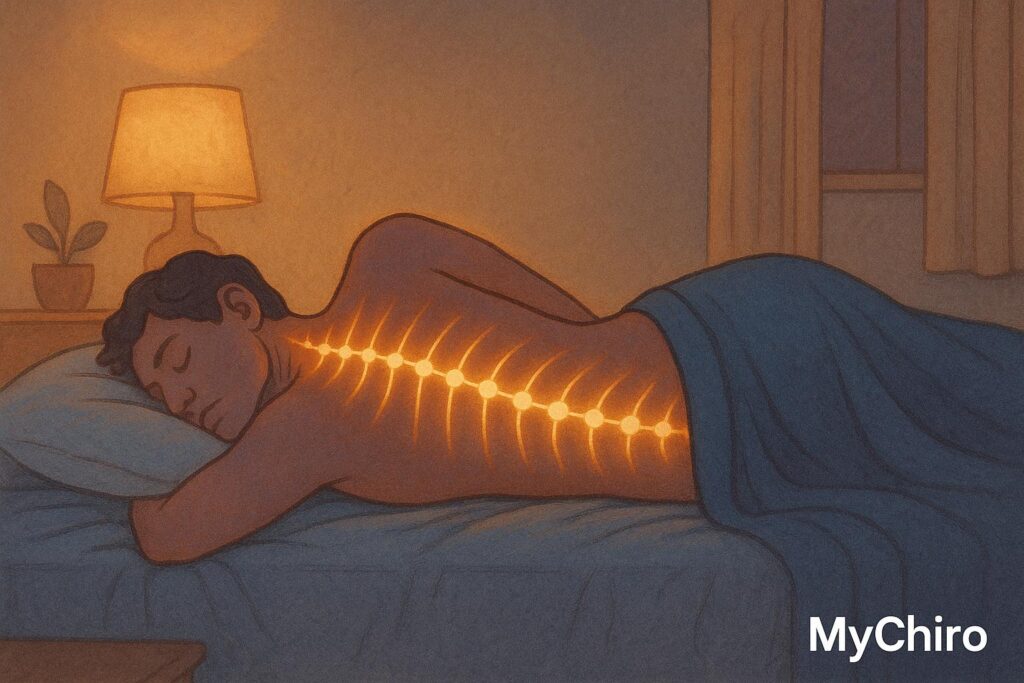
Struggling to sleep well? Stress and spinal tension might be the culprits. These issues often create a cycle where stress tightens spinal muscles, making it harder to relax and sleep. Poor sleep, in turn, worsens stress and spinal discomfort.
Key takeaways:
- Stress triggers muscle tension, especially in the back and neck, which can disrupt sleep.
- Spinal misalignment interferes with nerve signals, blood flow, and sleep hormones like melatonin.
- Poor sleep posture and old mattresses can worsen spinal tension and discomfort.
- Chronic sleep deprivation increases back pain and stress, creating a self-perpetuating cycle.
Simple fixes include improving sleep posture, using a medium-firm mattress, managing stress through relaxation techniques, and considering professional care like chiropractic adjustments. These steps can help break the cycle and improve both sleep and spinal health.
Can Neck Pain be caused by Sleep Disorders? | Impact of Sleep Disorders on Neck Health #neckpain
Research: Stress, Spinal Tension, and Sleep Problems
Recent studies highlight a connection between stress, spinal tension, and the quality of sleep. Findings suggest that spinal misalignment can interfere with restorative sleep, potentially creating a self-perpetuating cycle that’s tough to break. This sheds light on how stress-related spinal tension can disrupt sleep patterns.
Stress and Sleep: A Cycle That Feeds Itself
Research reveals that poor sleep and spinal tension often worsen each other. More than 50% of individuals with spinal pain report sleep disturbances, making it one of their most common complaints alongside physical discomfort. This suggests that improving sleep could be a valuable part of managing chronic spinal issues.
Adding to this, stress hormones like cortisol appear to play a role in spinal muscle strain during sleep. When under stress, the body releases these hormones, which can keep muscles tense. This prolonged tension strains spinal tissues, potentially causing micro-damage, inflammation, and muscle spasms. The result? Stiffness and soreness that make restful sleep even harder to achieve.
Chronic sleep deprivation also increases the risk of ongoing back pain, regardless of daytime activities. This highlights just how crucial quality sleep is for maintaining spinal health.
Spinal Health and Sleep Quality
The relationship between spinal alignment and sleep posture has been studied extensively, and the findings are clear: spinal tension and certain sleep positions are closely tied to poor sleep quality, especially for those with neck pain.
For instance, people with cervical pain are more likely to adopt sleep positions – like lying on their stomach or certain side-lying postures – that put additional strain on the neck and spine. These positions often lead to frequent repositioning during the night, which can disrupt access to the deeper stages of sleep needed for recovery.
Interestingly, small changes to the sleep environment can make a big difference. One study found that switching to a new medium-firm mattress reduced back pain by around 48% and improved sleep quality by 55%. These results emphasise how proper sleep posture and support can help manage spinal tension.
The evidence points to a clear connection: when the spine isn’t properly supported or is held in awkward positions during sleep, mechanical stress on spinal tissues can trigger inflammation. This, in turn, affects the body’s natural ability to achieve restorative sleep, creating a cycle of discomfort and sleeplessness.
How Stress and Spinal Tension Disrupt Sleep
Stress and spinal tension aren’t just nuisances during the day – they can seriously mess with your sleep. By interfering with nerve signals and adding to discomfort, they create a perfect storm for restless nights. The connection between stress, spinal health, and sleep is a complex dance involving the nervous system, muscle tension, and pain, all working against your ability to rest.
How Spinal Problems Affect Sleep
When your spine is tense or misaligned, it can throw off the nerve signals your body relies on to regulate sleep. This disruption can mess with the systems that control your sleep cycles, making it harder to get the restorative rest you need.
Prolonged tension in the spine can compress nerves, causing discomfort, inflammation, and constant repositioning throughout the night. This prevents your body from slipping into deep, restorative sleep. On top of that, spinal tension can keep your sympathetic nervous system – your "fight or flight" mode – on high alert. This heightened state leads to a racing heart, shallow breathing, and tight muscles, even when you’re trying to relax.
Misalignment can also reduce blood flow, which may worsen inflammation and increase discomfort when you’re lying down. To make matters worse, the inflammation caused by spinal tension can release chemicals that interfere with your body’s natural sleep hormones, like melatonin. Without these hormones functioning properly, falling and staying asleep becomes an uphill battle.
These physical disruptions often go hand in hand with stress-related muscle responses, creating a cycle that makes quality sleep feel out of reach.
Stress-Related Muscle Tension and Pain
Chronic stress doesn’t just weigh on your mind – it takes a toll on your body, too, particularly your spine and muscles. Stress can lead to muscle guarding, where your body tightens muscles to protect strained areas. Over time, this constant contraction drains your energy, causes fatigue, and increases nighttime pain.
Stress also lowers your pain tolerance, making even minor spinal issues feel more intense when you’re trying to sleep. This heightened sensitivity creates a vicious cycle: stress amplifies pain, and pain makes it harder to relax and sleep.
But it’s not just physical. Mental stress often shows up as physical tightness, meaning that treating the physical symptoms of spinal tension alone isn’t always enough. Addressing the root causes of stress is crucial for long-term relief.
To complicate things further, many people adopt compensatory sleep positions to ease discomfort. While these positions might feel better temporarily, they can restrict deep breathing and worsen spinal misalignment. This, in turn, disrupts sleep and can even reduce your oxygen intake during the night, leaving you feeling less refreshed come morning.
sbb-itb-585d67d
Ways to Reduce Spinal Tension and Sleep Better
Finding relief from spinal tension and improving sleep quality often requires a combination of strategies. Below are practical, evidence-backed approaches that can help you sleep more comfortably and wake up feeling refreshed.
Better Sleep Posture and Spinal Support
How you sleep – and what you sleep on – can have a big impact on your spine. For most people, sleeping on your side is the best option for maintaining the natural curves of the spine and reducing pressure on the lower back. Adding a pillow between your knees can keep your hips aligned and prevent your spine from twisting.
If you prefer sleeping on your back, placing a small pillow or rolled towel under your knees helps maintain the natural curve of your lower back. Make sure your head pillow supports your neck without pushing your head too far forward. On the other hand, sleeping on your stomach can strain your spine by flattening the lower back and forcing your neck into an awkward position. If stomach sleeping is unavoidable, use a thin pillow under your pelvis and skip the head pillow, or opt for a very thin one.
Your mattress matters too. A medium-firm mattress is often the sweet spot, offering enough support to keep your spine aligned while still contouring to your body. If your mattress is older than eight years or you’re waking up with back pain that eases as the day goes on, it might be time for a replacement.
Don’t overlook your bedroom environment either. Keeping the room temperature between 18–21°C can encourage muscle relaxation and deeper, more restorative sleep. These adjustments can create a strong foundation for improving spinal health and sleep quality.
Lifestyle Changes to Manage Stress
Stress can take a physical toll on your body, including your spine, so managing it is key to better sleep. Progressive muscle relaxation is a simple way to ease tension. Start by tensing and relaxing different muscle groups, beginning with your toes and working your way up to your head. This technique can help you pinpoint and release areas where you’re holding stress.
Breathing exercises like the 4-7-8 method are another effective tool. Inhale for four counts, hold your breath for seven, and exhale slowly for eight. This practice can activate your body’s relaxation response, helping you wind down before bed.
If you spend long hours at a desk, improving your workspace ergonomics can also reduce spinal tension. Adjust your monitor to eye level, keep your feet flat with knees bent at 90 degrees, and ensure your elbows stay close to your body while typing. Make it a habit to take breaks every 30–45 minutes to stretch or walk around.
Regular physical activity can also reduce stress hormones and improve sleep, but timing matters. Aim to exercise earlier in the day, as vigorous workouts too close to bedtime can make it harder to fall asleep. Gentle stretching before bed can help too. Focus on areas prone to tension, like your neck, shoulders, and lower back. Try cat-cow stretches, gentle spinal twists, or knee-to-chest movements to release tightness and decompress your spine.
For some, professional care may complement these lifestyle changes in addressing spinal tension.
Chiropractic Care for Spinal Health
When stress and spinal tension continue to disrupt sleep despite lifestyle changes, chiropractic care may provide additional relief. Modern chiropractic methods focus on gentle, evidence-based techniques that aim to improve spinal mobility and reduce tension caused by poor posture, stress, or daily habits.
A typical chiropractic session may include a detailed posture assessment, gentle spinal adjustments, and practical advice on maintaining alignment. These adjustments can help restore natural spinal movement and reduce nerve irritation, potentially improving sleep quality.
Dr Steve’s practice in Bondi Junction offers chiropractic care tailored to address stress-related sleep issues. Their approach combines hands-on care with lifestyle guidance, making it a convenient option for those with busy schedules.
When performed by a qualified practitioner, chiropractic care is generally considered safe and can complement other methods for managing stress and improving sleep hygiene. A personalised treatment plan that considers your posture, daily habits, and stress levels is often the most effective way to see results.
Combining these strategies – whether it’s improving your sleep posture, managing daily stress, or seeking professional care – can help you reduce spinal tension and enjoy better, more restorative sleep.
This information is general in nature and does not replace professional medical advice.
Chiropractic care focuses on musculoskeletal health, and results may vary.
Always consult a qualified healthcare professional before making health-related decisions.
Conclusion: Better Spinal Health for Better Sleep
Key Points to Remember
The link between stress, spinal tension, and sleep quality is often underestimated. It’s a cycle: poor spinal health can disrupt your sleep, while inadequate rest leaves your body less equipped to handle stress and recover from tension.
When your spine is out of alignment or under strain, it can interfere with your nervous system’s ability to enter a relaxed state – essential for good sleep. Pain or discomfort from spinal issues can also make it hard to find a comfortable sleeping position or stay asleep through the night.
Research suggests that addressing stress and spinal health together may yield better results than focusing on just one. These insights offer a clear path to making meaningful changes in your daily habits.
Taking Action for Better Sleep
Armed with this knowledge, you can take simple, practical steps to improve both your spinal health and your sleep. Start with the basics: look at your sleeping position and the support your bedding provides. Small tweaks like adjusting your pillow height, ensuring your mattress is the right firmness, and maintaining a comfortable room temperature can make a big difference.
Incorporating daily stress-relief activities is equally important. Gentle stretching, regular movement breaks, and focused breathing exercises can help keep spinal tension at bay. The secret lies in consistency, not perfection.
If you’re dealing with persistent discomfort that’s affecting your sleep, seeking professional care might be worth considering. A qualified practitioner, such as Dr Steve in Bondi Junction, can help address spinal issues while complementing your other sleep-improvement efforts. Chiropractic care, when provided by a trained professional, is generally considered safe and can be a valuable part of your overall approach.
The goal is to adopt a well-rounded strategy that tackles both physical and lifestyle factors. Whether that means improving your workspace ergonomics, refining your bedtime routine, or consulting a professional for spinal care, the aim is to create an environment where your body can rest, recover, and recharge each night.
This information is general and does not replace professional medical advice. Chiropractic care focuses on musculoskeletal health, and results can vary between individuals. Always consult a qualified healthcare professional before making decisions about your health.
FAQs
How do I know if my sleep posture is affecting my spine and sleep quality?
If you’re waking up stiff, sore, or feeling like you didn’t get a good night’s rest, your sleep posture might be to blame. The way you position yourself during sleep can have a big impact on your spine and overall sleep quality. For example, sleeping on your side with a supportive pillow can help keep your spine aligned, reducing unnecessary tension. On the flip side, positions that cause your spine to bend unnaturally – like curling up tightly or lying without proper support – can lead to muscle strain, discomfort, and even disrupted sleep.
To ease spinal tension, aim to maintain a neutral spine while you sleep. This means ensuring your back is in a natural, straight alignment. Using pillows designed to support your neck and lower back can make a big difference too. If stiffness or discomfort is a regular issue when you wake up, it might be worth consulting a healthcare professional, like a chiropractor, who can help pinpoint and address any posture-related problems that could be affecting your sleep.
Please note: This information is general and not a substitute for professional medical advice. Chiropractic care focuses on musculoskeletal health, and results can vary from person to person. Always consult a qualified healthcare professional before making any health-related decisions.
What are some simple ways to relax and ease spinal tension before bed?
Stress and spinal tension can make it harder to enjoy a peaceful night’s sleep. Adding relaxation techniques to your evening routine might help ease your mind and body, setting the stage for better rest.
Here are some methods to try:
- Deep breathing: Take slow, deep breaths into your abdomen and exhale fully. This simple practice can help lower stress levels and encourage relaxation.
- Progressive muscle relaxation: Start at your feet and work your way up, tensing and then releasing each muscle group. This can help release physical tension.
- Mindfulness meditation: Spend a few minutes focusing on your breathing or staying present in the moment. This can quiet a racing mind and prepare you for sleep.
If stress or spinal tension is interfering with your sleep, chiropractic care might be an option to explore. A qualified healthcare professional can provide guidance tailored to your needs.
Note: This information is general and not a replacement for professional medical advice. Chiropractic care addresses musculoskeletal health, and outcomes can vary. Always consult a qualified healthcare provider before making health decisions.
When should I seek professional care for ongoing spinal tension or sleep issues?
If you’ve been dealing with ongoing spinal discomfort or tension that sticks around for weeks, gets worse with movement, or interrupts your sleep, it’s a good idea to consider professional care. Pay particular attention if you’re also experiencing symptoms like weakness, numbness, or a noticeable loss of mobility in your arms or legs.
When it comes to sleep troubles, it’s worth seeking advice from a healthcare professional if problems like trouble falling asleep, waking up frequently, or feeling overly tired during the day persist for more than three months and start interfering with your daily routine. A chiropractor might assist in alleviating spinal tension that could be linked to poor sleep. Additionally, a sleep specialist can provide a deeper understanding of potential sleep disorders.
As with any health concern, it’s best to consult a qualified healthcare provider to figure out the care that’s right for you.