

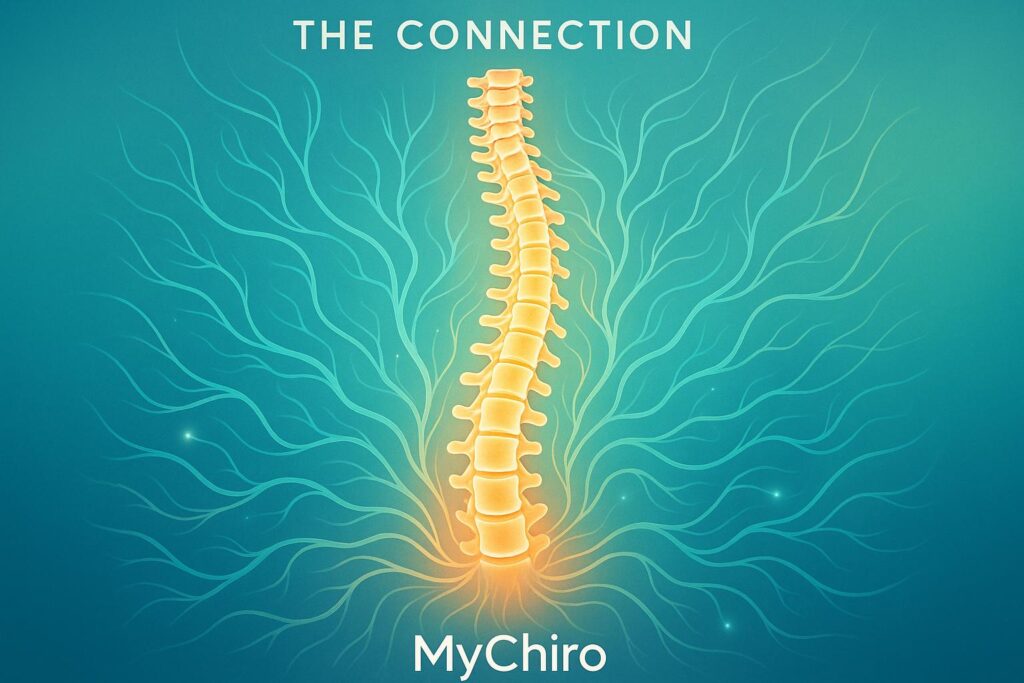
Your spine supports movement and protects the spinal cord. Nerves carry signals between the brain and body, but back or neck pain does not automatically mean that those signals are blocked. Understanding your symptoms starts with a relevant history and examination.
Key takeaways:
- The spine protects the spinal cord; nerves have important roles in movement and sensation.
- Pain, numbness or weakness can have different causes. These symptoms need assessment rather than an assumption of spinal misalignment.
- Spinal adjustments may be considered for some muscle and joint concerns, depending on the assessment and discussion of benefits, risks and alternatives.
- Chiropractic care should have a clear purpose and review plan. Ask how any proposed care relates to your symptoms and everyday goals.
Everyday considerations for spinal health:
- Discuss posture in relation to comfort and the activities you find difficult.
- Choose movement and exercise suited to your abilities, symptoms and health history.
- Mention changes in your general health, activity and daily routine at an assessment.
- Seek support if stress is persistent, overwhelming or affecting daily life.
- Ask for practical advice about tasks such as lifting if they cause discomfort.
If pain is persistent or affecting your usual activities, seek an assessment. New numbness, weakness or problems with balance need prompt medical advice. Care should be based on the findings, with referral when another health professional is more appropriate.
Spine & Nervous System Connection | Nerve Chart | Dr. Walter Salubro Chiropractor In Vaughan
Spinal Health and Nerve Symptoms
Back pain, neck pain and nerve symptoms are not interchangeable. A health professional will consider where symptoms occur, when they started and how they affect movement or daily activities.
Understanding Symptoms and Assessment
An examination may consider movement, strength, sensation and other findings relevant to your symptoms. Your medical history and any recent injury also matter.
A posture change or a description of a vertebra being out of alignment does not, by itself, establish nerve compression or organ dysfunction.
Ask what the assessment has found, what remains uncertain and whether further medical assessment is needed.
Headaches and spinal pain have different possible causes. Tell your practitioner about the pattern, severity and any changes rather than assuming that the neck is responsible for every headache.
The Role of the Autonomic Nervous System
The autonomic nervous system is involved in functions such as heart rate and digestion. A general description of this system does not establish that spinal treatment will improve those functions.
If spinal manipulation is proposed, ask which specific symptom it is intended to address. Changes measured in a laboratory do not automatically demonstrate a meaningful health benefit.
Pain around the sacroiliac joint should be assessed in its own context. Period pain or other pelvic symptoms may need advice from your GP; they should not be assumed to result from spinal alignment.
Blood-pressure concerns, fainting or other medical symptoms require appropriate medical assessment. They should not be attributed to a neck alignment problem without a relevant diagnosis.
The practical question is which assessment and care options fit your particular concern.
Chiropractic Assessment and Care Options
Chiropractic consultations can include discussion and assessment of muscle and joint concerns. Proposed care should relate to the findings and your goals, such as making a particular activity more manageable.
Ask what a proposed chiropractic technique involves and why it is being suggested. You can discuss alternatives and decide whether to proceed.
What Research Can and Cannot Tell You
When discussing treatment evidence, it helps to ask:
- Does the research concern the same condition and treatment being proposed for me?
- How large was the benefit, and how does it compare with other options?
- What are the uncertainties, possible harms and reasons to choose another approach?
Evidence for spinal manipulation differs by condition. For some low back pain, research suggests small improvements in pain and function. That does not establish benefits for anxiety, depression, fatigue or general nervous-system regulation.
Agree on goals that matter in your daily life and a point at which to review progress.
- A useful question: how will we judge whether this care is helping?
Persistent anxiety, low mood or difficulty coping with stress deserve appropriate support from your GP or a mental health professional. Spinal adjustments are not an established treatment for these concerns.
Choosing Care for Your Symptoms
You may encounter terms such as chiropractic neurology. Ask what the practitioner means, which problem they are assessing and whether referral is needed. A label does not demonstrate benefits for digestion, sleep, heart rate or cognition.
Clear explanations should help you understand the proposed care and make your own decision.
- Ask about relevant benefits, risks, alternatives and costs.
Physical discomfort and emotional concerns may occur together. Each needs appropriate attention; choosing manual therapy should not delay medical or mental health care.
Conditions such as postural orthostatic tachycardia syndrome (POTS) require medical assessment and management. An individual report of improvement cannot establish that upper-neck adjustments treat the condition.
Choose care because it fits your needs and the available evidence, rather than because a treatment is described as popular, natural or holistic.
Practical Steps for Everyday Comfort
Consider which activities are difficult and what you would like to get back to doing. This gives an assessment and any practical advice a useful focus.
Work, Movement and Daily Routines
Workplace comfort depends on your tasks and equipment. Notice which positions or activities aggravate symptoms, and discuss practical changes to your workspace or routine.
Exercise choices should suit your abilities and health history. If pain or an injury makes you unsure what to do, seek individual guidance rather than following a generic posture-correction routine.
If you enjoy swimming or another activity, discuss how it fits your symptoms and goals. Your comfort, abilities and the advice you receive can guide the activity and pace.
Stress and discomfort can occur together, including muscle tension. If stress is affecting work, sleep or relationships, your GP can discuss appropriate support.
Tell your health professional about relevant health changes, medicines and daily habits. These details can help place your symptoms in context.
Lifting and other tasks may be worth discussing if they bring on symptoms. Note the load, movement and circumstances so advice can be suited to the task.
| Area of Concern | What to Discuss |
|---|---|
| Head and neck position | Any neck pain or headaches, their pattern and effect on daily life |
| Upper-back comfort | Upper back pain or shoulder symptoms, including when they began |
| Lower-back comfort | Back or hip symptoms and the activities you find difficult |
If pain affects sleep, describe the location and pattern of symptoms. Discuss ongoing sleep difficulties with your GP rather than assuming that a new mattress is the answer.
Consider opportunities for movement breaks during a long workday. If changing position or activity causes symptoms, mention that at your assessment.
When to Seek Professional Assessment
Seek advice when symptoms persist, change or interfere with daily life. An assessment can help clarify the next step without promising a particular result.
Back or neck pain that makes work, sleep or everyday tasks difficult is worth discussing with a suitable health professional.
New numbness, tingling, weakness or balance problems need prompt medical advice. Sudden or severe symptoms may require urgent medical care; do not wait for a routine chiropractic appointment.
A concern about posture can be discussed, but appearance alone does not establish disease or a need for ongoing treatment.
If headaches, neck pain or muscle tightness affect your workday, note when they occur and what changes them. Describe stress and other health concerns as well, without assuming one explanation accounts for everything.
If sleep is disrupted, tell your practitioner whether pain wakes you, how long the problem has lasted and whether there are other symptoms. Medical advice may be needed.
Bring your questions and explain which activities matter most to you.
At MyChiro in Bondi Junction, Dr Steven Lockstone (Chiropractor) and the team discuss back pain, neck pain and headaches in the context of your history and assessment. Referral may be recommended where appropriate.
sbb-itb-585d67d
Benefits, Limits, Risks and Costs
Before choosing care, discuss the likely benefits for your particular concern, the alternatives and the risks. The strength of evidence and the suitability of treatment vary.
Spinal manipulation may offer small improvements in pain and function for some people with low back pain. Headaches need assessment to consider their type and possible causes; a fixed number of visits cannot promise relief.
Evidence about pain does not establish that adjustments regulate hormones, improve organ function or treat depression. If these are your concerns, discuss appropriate medical care.
Spinal manipulation can cause temporary soreness, stiffness or headache. Serious adverse events have also been reported, including neurological problems and stroke associated with neck manipulation; their frequency is uncertain. Tell your practitioner about relevant conditions, including herniated discs, and discuss risks and alternatives before deciding.
At MyChiro in Bondi Junction, new patients can book a free initial consultation. Optional same-day treatment is $125, if clinically appropriate, with no obligation to proceed. Ask about the cost of any proposed follow-up care before making a decision.
A care plan should be reviewed against your symptoms and goals. If it is not helping, or symptoms change, discuss reassessment and other options.
Questions to Consider Before Treatment
| Aspect | What to Discuss | Limits and Considerations |
|---|---|---|
| Pain Relief | The expected benefit for your particular symptom or activity | Results vary; some concerns require medical assessment or a different approach |
| Nervous System | Whether any nerve symptoms need medical assessment or referral | Pain research does not establish broad organ, hormone or mental health benefits |
| Safety Profile | The risks of the specific technique and alternatives | Temporary effects and serious adverse events should be discussed |
| Treatment Approach | What each proposed technique is intended to do | You can decline treatment; agree on a review point if you proceed |
| Costs | Free initial consultation for new patients; optional $125 same-day treatment if appropriate | Confirm follow-up fees and any eligibility for rebates before proceeding |
| Scope of Practice | Assessment of muscle and joint concerns within the practitioner’s scope | Medical and mental health conditions may require other professionals |
Check that your practitioner is appropriately registered and ask about their experience with your concern. Registration does not remove treatment risks or guarantee an outcome.
At MyChiro in Bondi Junction, you can discuss your symptoms, relevant history and care preferences with Dr Steven Lockstone (Chiropractor). Ask for a clear explanation before choosing any treatment.
Your Next Step
The spine and nervous system are anatomically connected, but that connection alone does not show what is causing your symptoms or whether manipulation is appropriate.
An assessment should begin with what you are experiencing and the activities you find difficult. A simple explanation about misalignment should not replace that process.
Ask how the proposed care relates to your symptoms and what evidence supports it. You can also ask about uncertainty and other reasonable options.
There is no need to commit to a course of care before you understand its purpose, fees and review plan.
Your preferences matter. Tell your practitioner what you hope to achieve, what concerns you and what is practical for your routine.
Advice about activity, work or daily habits should be tailored to your situation and reviewed if symptoms change.
If back pain, neck pain or headaches are affecting your day in Bondi Junction, MyChiro offers a free initial consultation for new patients to discuss the next step. Optional same-day treatment is $125, if clinically appropriate. There is no obligation to proceed.
Disclaimer
Important Note: This article is intended for general educational purposes and should not be considered a substitute for personalised healthcare advice. Always seek guidance from a qualified healthcare professional.
Further reading about the connection between nervous system and spinal health cannot replace an individual assessment. Consult a suitable registered health professional about pain, nerve symptoms or other health concerns.
Health information changes as research develops. Ask your practitioner about evidence relevant to the specific care being proposed.
You can check practitioner registration through Ahpra. Your GP can advise on medical assessment and referral options.
FAQs
Can chiropractic care treat stress or regulate my nervous system?
Spinal adjustments are not an established treatment for anxiety, stress-hormone imbalance or general nervous-system regulation. Persistent or overwhelming stress is a reason to discuss support with your GP.
If you also have muscle or joint discomfort, that can be assessed separately. Any proposed care should have a specific purpose, realistic expectations and a review plan.
Are there any risks or side effects associated with chiropractic care for spinal health?
Spinal manipulation can cause temporary effects such as soreness, stiffness or headache. The risks depend on the technique and your health circumstances; no treatment is risk-free.
Serious adverse events have been reported, including neurological problems and stroke associated with neck manipulation, and their frequency is uncertain. Discuss your medical history, risks and alternatives before treatment.
You can decline a technique or ask about other care options. New or worsening symptoms after treatment need appropriate advice.
When should I seek advice about pain or nerve symptoms?
Persistent pain or difficulty with everyday activities warrants assessment. New numbness, tingling, weakness or problems with balance need prompt medical advice rather than an assumption of spinal misalignment.
Seek urgent medical care for sudden or severe symptoms. A routine chiropractic appointment should not delay appropriate medical assessment.