

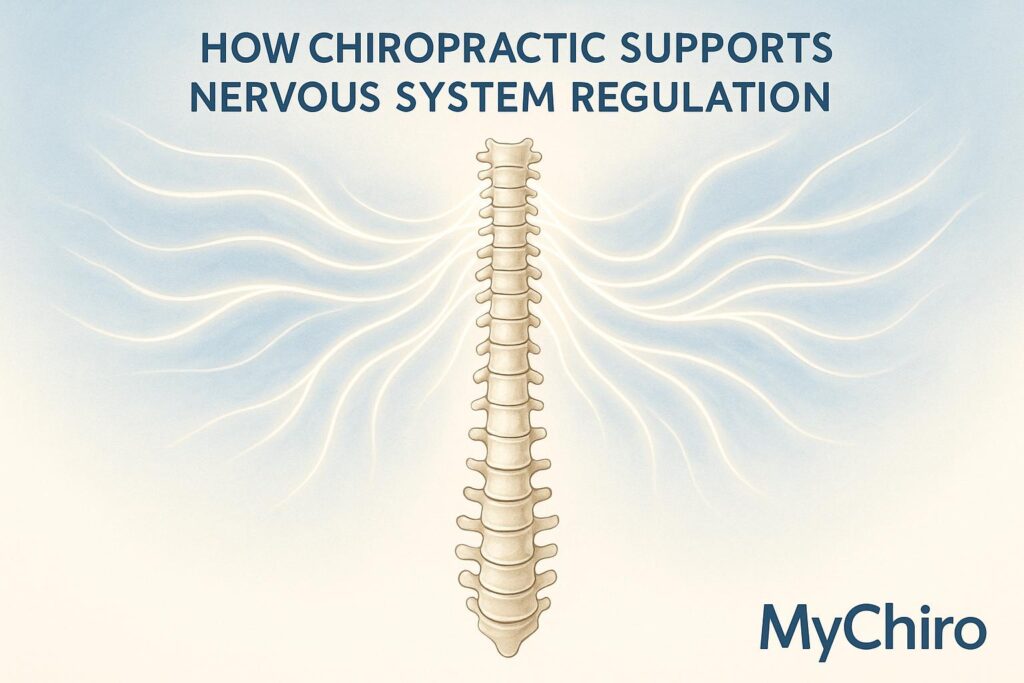
Chiropractic care may help your nervous system function better by improving spinal alignment. Misalignments in the spine can disrupt nerve communication, potentially causing pain, stress, or reduced organ function. Chiropractic adjustments aim to correct these misalignments, which may reduce nerve pressure and support better communication between your brain and body.
Key takeaways:
- The nervous system controls vital functions like stress response, digestion, and heart rate.
- Spinal misalignments can interfere with nerve signals, affecting overall health.
- Chiropractic care focuses on restoring spinal alignment to improve nerve function.
- Adjustments may influence heart rate variability (HRV), a marker of stress resilience.
- Combining chiropractic care with healthy habits like exercise, good posture, and quality sleep can enhance results.
For those in Bondi Junction, practitioners like Dr Steve offer tailored chiropractic care, focusing on spinal health and nervous system balance. Always consult a healthcare provider to ensure chiropractic care is right for you.
Can chiropractic care help with stress and anxiety?
How Chiropractic Care May Support Nervous System Function
Chiropractic care focuses on restoring proper spinal alignment, aiming to improve the pathways that allow the brain and body to communicate effectively. This approach could play a role in regulating the nervous system. By addressing spinal misalignments and influencing autonomic functions, chiropractic care may contribute to better nervous system health.
Spinal Misalignments and Nerve Communication
When vertebrae shift out of their normal positions or lose their natural movement patterns, spinal misalignments – also called vertebral subluxations – can occur. These misalignments may put pressure on nearby nerves, potentially disrupting the flow of nerve signals.
Chiropractors use targeted manual adjustments to address these misalignments. By restoring the spine’s proper alignment and movement, they aim to reduce nerve irritation and improve communication within the nervous system. These adjustments might also influence the autonomic nervous system, which controls many essential bodily functions.
Effects on the Autonomic Nervous System
The autonomic nervous system oversees critical processes like heart rate, breathing, digestion, and stress responses. Chiropractic adjustments may help regulate this system by promoting balance between its two main branches: the sympathetic nervous system, which activates the "fight-or-flight" response, and the parasympathetic nervous system, which supports "rest-and-digest" activities.
Research suggests that spinal adjustments can affect these systems differently based on the region of the spine being treated. For instance, adjustments to the cervical spine may enhance parasympathetic activity, while thoracic and lumbar adjustments could help modulate sympathetic responses. This balancing act may lead to improved regulation of the autonomic nervous system, which is closely tied to heart rate variability.
Heart Rate Variability and Stress Response
Heart rate variability (HRV) measures how effectively the heart adapts to changes in the body and environment. A higher HRV often indicates a stronger parasympathetic response and better resilience to stress.
Studies have shown that chiropractic adjustments may positively impact HRV. For example, a 2011 study published in the Journal of Manipulative and Physiological Therapeutics found that spinal adjustments increased HRV in participants, suggesting that chiropractic care might support a healthier stress response [1].
This information is general in nature and not a replacement for professional medical advice.
Chiropractic care primarily addresses musculoskeletal health, and outcomes can vary from person to person.
Always consult a qualified healthcare professional before making decisions about your health.
What to Expect During Nervous System-Focused Chiropractic Care
When you visit a chiropractor for care aimed at supporting your nervous system, the primary goal is to assess and improve nerve communication through spinal alignment. Here’s a closer look at what typically happens.
The Assessment Process
Your first visit usually starts with a detailed discussion about your health history, lifestyle, and symptoms. This step helps the chiropractor understand factors like your stress levels, sleep habits, daily routines, and areas of chronic tension that might be affecting your nervous system.
Next comes a physical examination, which includes a thorough posture analysis to pinpoint any misalignments that could be disrupting nerve function. The chiropractor also evaluates spinal alignment and range of motion. This comprehensive process provides the foundation for targeted treatment.
Treatment Methods for Nervous System Support
Once the assessment is complete, the focus shifts to addressing misalignments. Chiropractors use precise adjustments to correct these issues and potentially reduce nerve interference. Different parts of your spine may be targeted to influence how your nervous system responds. For instance, adjustments to the cervical spine might encourage relaxation by activating the parasympathetic system, while adjustments to the thoracic and lumbar regions can affect the sympathetic system.
Soft tissue therapies, like massage, trigger point therapy, or myofascial release, may also be included. These techniques aim to improve the flow of nerve signals between the central nervous system and surrounding tissues, which could enhance overall nerve function.
In addition, chiropractors often provide personalised advice on movement and posture. Recommendations might include tips for better ergonomics or ways to adjust your daily movements to support spinal health and maintain proper nerve function over time.
Personalised Care Plans
Every patient receives a care plan tailored to their unique needs. These plans are based on the findings from your assessment and are designed to address specific issues. Early on, you may need more frequent adjustments, but as your nervous system begins to stabilise, the number of visits typically decreases.
Lifestyle guidance is often part of the plan, covering areas such as stress management and sleep practices. Regular check-ins help track your progress, with reassessments of spinal alignment and discussions about changes in symptoms or daily function. You’re encouraged to share any shifts in energy, mental clarity, or overall wellbeing so your care plan can be adjusted as needed.
This is general information and should not replace professional medical advice.
Chiropractic care focuses on musculoskeletal health, and results can vary.
Always consult a qualified healthcare provider before making health decisions.
sbb-itb-585d67d
Benefits and Limitations of Chiropractic Care for Nervous System Support
Exploring the benefits and limitations of chiropractic care can help you decide whether it fits into your broader approach to nervous system health and overall wellness.
Potential Benefits
Chiropractic care has been linked to potential benefits for nervous system regulation, though results can differ from person to person. For instance, spinal adjustments might improve heart rate variability (HRV), which is often associated with better stress resilience. This happens by promoting a more balanced autonomic nervous system.
Another possible advantage is reduced musculoskeletal tension. By addressing spinal misalignments, chiropractic treatments may alleviate physical stress that can interfere with nerve communication. This, in turn, might help the nervous system operate more efficiently.
Some research also points to improved sleep quality as a secondary benefit. Chiropractic adjustments may boost parasympathetic activity – the part of the nervous system responsible for relaxation – helping the body prepare for restorative sleep.
Additionally, there’s evidence suggesting that chiropractic care could lower cortisol levels, the hormone your body produces during stress. Since chronically high cortisol can disrupt nervous system function, reducing it might support better overall regulation.
While these benefits sound promising, it’s important to weigh them against the limitations and nuances of current research.
Limitations and Considerations
The effectiveness of chiropractic care varies widely between individuals and should be seen as a complementary approach rather than a standalone solution. Larger, more detailed studies are still needed to fully understand its impact on nervous system regulation, as clinical guidelines specific to this area remain in development.
Several factors, including your overall health, the severity of spinal issues, lifestyle habits, and stress levels, all play a role in how your body responds to treatment. What works for one person may not yield the same results for another.
It’s also worth noting that chiropractic care isn’t suitable for everyone. People with certain medical conditions, spinal injuries, or other health concerns should consult their healthcare provider before starting treatment. A qualified chiropractor will carefully review your medical history to determine if this approach is appropriate for you.
Some individuals experience mild, short-term side effects after adjustments, such as soreness, stiffness, or fatigue. These reactions are usually temporary, but you should inform your chiropractor if anything feels unusual or concerning.
Finally, the timeframe for noticeable results can differ. While some may see improvements quickly, others might need several weeks or even months of consistent treatment before significant changes in nervous system function become apparent.
This information is intended as a general guide and does not replace professional medical advice.
Chiropractic care primarily focuses on musculoskeletal health, and individual results can vary.
Always consult a qualified healthcare provider before making any health-related decisions.
Combining Chiropractic Care with Lifestyle Strategies for Nervous System Health
While spinal adjustments may help improve nerve communication, combining chiropractic care with healthy lifestyle practices can provide even greater support for your nervous system. This holistic approach not only addresses physical issues that may disrupt nerve function but also considers everyday habits that influence how your body handles stress.
Lifestyle Tips for Nervous System Health
Regular Physical Activity
Incorporating low-impact exercises like walking, swimming, yoga, or Pilates can activate the parasympathetic nervous system while supporting spinal alignment. These activities complement chiropractic adjustments by helping maintain the posture improvements achieved during treatment. The trick is to choose exercises that are gentle on the spine, especially as your body adapts to care.
Ergonomic Adjustments
For those spending long hours at a desk, proper ergonomics are crucial. Poor posture from workstation setups can lead to spinal misalignments that may disrupt nerve function. Ensure your monitor is at eye level, use a chair that allows your feet to rest flat on the floor, and position your keyboard and mouse at elbow height. Taking regular breaks to stretch can also help reduce strain and prevent tension from building.
Stress Management Techniques
Practices like deep breathing, meditation, and progressive muscle relaxation can enhance the parasympathetic response supported by chiropractic care. By addressing physical barriers to nerve function, chiropractic adjustments may make it easier for your body to tap into its natural relaxation mechanisms, amplifying the benefits of these stress management techniques.
Quality Sleep
Getting good sleep is essential for nervous system recovery. Proper spinal alignment achieved through chiropractic care can help reduce tension, promoting more restorative sleep. Combine this with healthy sleep habits like maintaining a consistent schedule, creating a cool and dark sleep environment, and limiting screen time before bed to maximise the benefits.
Chiropractic Care as a Complementary Approach
Chiropractic adjustments can lay the groundwork for effective lifestyle changes by minimising nerve interference. By improving nerve communication, activities like exercise and stress management may have a more noticeable impact, potentially leading to better heart rate variability and overall nervous system health.
When combined, chiropractic care and lifestyle changes can address nervous system health from multiple angles. Adjustments target structural issues, while lifestyle modifications help regulate functional aspects. Research suggests this integrated approach may improve stress markers – such as lowering cortisol levels – and boost sleep quality. Together, these strategies may offer benefits that neither could achieve on its own.
A Local Option for Chiropractic Care
For those in Bondi Junction, Dr Steve at MyChiro offers chiropractic care focused on nervous system health. His approach includes thorough assessments and personalised treatment plans that incorporate lifestyle advice, helping adults manage spinal and postural discomfort naturally.
With online booking and flexible scheduling, MyChiro caters to busy individuals seeking comprehensive care. Beyond symptom relief, the practice emphasises long-term spinal health, improved posture, and nervous system balance. Whether you’re dealing with tech-neck from office work, the physical demands of family life, or simply aiming to maintain good health, Dr Steve’s gentle techniques are designed to complement your wellness routine.
This information is general and not a substitute for professional medical advice.
Chiropractic care focuses on musculoskeletal health, and results may vary.
Always consult a qualified healthcare professional before making decisions about your health.
Conclusion: Supporting Your Nervous System Naturally
Your nervous system is central to how your body handles stress, processes pain, and supports overall health. Chiropractic care might assist in improving nerve communication by addressing spinal misalignments, which could play a role in regulating stress and promoting healing. This ties back to earlier discussions on how targeted adjustments may influence your body’s ability to manage stress effectively.
Research indicates that spinal adjustments can positively impact heart rate variability (HRV) – a key marker of stress resilience – by helping the body transition between ‘fight-or-flight’ and ‘rest-and-digest’ states more effectively.
Incorporating spinal adjustments alongside regular exercise, stress management techniques, and quality sleep may provide even greater support for your nervous system. By removing physical barriers to optimal nerve function, chiropractic care can complement these strategies, working together to promote overall well-being.
While individual results can differ, addressing spinal alignment is often an important part of a broader approach to nervous system health. This aligns with the detailed assessments and treatments discussed earlier. For those in Bondi Junction, Australia, practices like Dr Steve’s offer chiropractic services focused on nervous system health – ideal for adults seeking a natural, health-conscious approach to wellness.
This information is general in nature and not a substitute for professional medical advice.
Chiropractic care addresses musculoskeletal health, and outcomes may vary.
Always consult a qualified healthcare professional before making health-related decisions.
FAQs
How can chiropractic adjustments support the regulation of the nervous system?
Chiropractic adjustments aim to support the nervous system by targeting spinal misalignments that may affect the autonomic nervous system. By carefully aligning the spine, this approach can help ease physical tension and improve the flow of communication between the brain and the rest of the body.
Many people who seek chiropractic care often notice better posture, increased mobility, and enhanced overall comfort. These changes can sometimes lead to a gradual reduction in stress levels. While individual experiences vary, chiropractic care is widely regarded as safe when performed by a qualified professional and can play an important role in maintaining musculoskeletal health.
Can chiropractic care help manage stress, and how does it work?
Chiropractic care might play a role in managing stress by helping to balance the nervous system. Through spinal adjustments, chiropractors aim to address misalignments that can lead to tension and disrupt the communication between your brain and body. This improved connection may help ease some of the discomfort tied to stress.
Many people say they feel more relaxed after a chiropractic session. This could be because it targets common physical stress triggers like back pain, neck tension, and poor posture. While individual experiences differ, this natural method can be a supportive addition to your overall wellness routine.
This information is intended as a general guide and should not replace professional medical advice. Chiropractic care focuses on musculoskeletal health, and results can vary from person to person. Always consult a qualified healthcare professional before making any decisions about your health.
What lifestyle habits can help improve nervous system regulation alongside chiropractic care?
Incorporating healthy lifestyle habits can amplify the positive effects of chiropractic care on your nervous system. Simple practices like using relaxation techniques to manage stress, staying active with regular exercise, eating a balanced diet, and maintaining proper posture throughout the day can make a noticeable difference.
Even small adjustments, such as creating an ergonomic workspace or focusing on getting quality sleep, can go a long way in supporting your spinal health and overall wellbeing. By sticking to these habits, you can complement your chiropractic care and work towards a more balanced nervous system for the long term.


