


MyChiro’s 2026 comparison places a rigid cock-up splint first for daytime wrist-position control, a night splint first for sleep, and a thumb spica splint first for thumb-focused support. The right choice depends on where your symptoms occur, so use this guide alongside an assessment and the broader guide to carpal tunnel syndrome and chiropractic care.
- The best wrist splint for carpal tunnel depends on when symptoms occur and which movements aggravate them.
- A rigid cock-up splint limits daytime wrist bending, while a padded night splint is designed for sleep.
- A thumb spica supports the thumb and wrist, making it more relevant to thumb-focused RSI than classic carpal tunnel symptoms.
- Persistent numbness, weakness or worsening pain needs assessment by a qualified health professional in 2026.
Why this matters
Carpal tunnel syndrome involves pressure on the median nerve as it passes through the wrist. Common symptoms include tingling, altered sensation or numbness affecting the thumb, index finger, middle finger and part of the ring finger. RSI is a broader description covering problems associated with repeated movement or sustained positions, so not every case of wrist or hand discomfort is carpal tunnel syndrome.
That distinction changes the splint you need. A standard wrist splint controls wrist movement but leaves the thumb free, while a thumb spica limits movement at both the wrist and thumb. Choosing between them based only on where it hurts can be misleading because nerve, tendon and joint symptoms can overlap.
This MyChiro wrist splint guide compares designs rather than retail brands. Product ranges and materials change, but the mechanical differences between rigid, flexible, night and thumb-support designs remain useful when comparing options in 2026.
Seek prompt medical assessment if symptoms follow an injury, include marked weakness, affect both hands suddenly, spread up the arm, or occur with chest pain, breathing difficulty, facial weakness or speech changes. A splint is not an appropriate substitute for urgent assessment.
What makes a suitable wrist splint
Use these six criteria to compare splints before looking at brand names:
- Wrist-position control: A rigid stay limits bending more than a flexible wrap.
- Symptom location: Finger tingling, general wrist discomfort and thumb-side pain require different clinical assessment and may call for different supports.
- Wear period: Daytime work, sleep and short post-activity use place different demands on a splint.
- Thumb movement: Standard wrist splints leave the thumb free; thumb spicas restrict it.
- Fit and adjustment: Straps should hold the support in place without creating extra numbness, colour change or throbbing.
- Task compatibility: Typing, gripping, lifting and personal care become harder as a splint becomes more restrictive.
Wrist splint types at a glance
| Rank | Splint type | Best for | Standout feature | Key limitation |
|---|---|---|---|---|
| 1 | Rigid cock-up splint | Daytime wrist-position control | Palm-side stay limits flexion and extension | Can make typing and gripping awkward |
| 2 | Padded night splint | Symptoms associated with sleep position | Designed for extended wear while resting | Not practical for most daytime tasks |
| 3 | Thumb spica splint | Thumb-focused RSI support | Restricts both the thumb and wrist | Limits grip more than a standard wrist splint |
| 4 | Adjustable double-strap splint | Fit that changes through the day | Two independently adjusted straps | Bulkier than a simple wrap |
| 5 | Flexible neoprene wrap | Light support during daily activity | Thin and easy to remove | Provides limited wrist-position control |
| 6 | Gel-insert wrist support | Short post-activity use | Combines support with a removable cooling insert | Not designed as the main all-day splint |
1. Rigid cock-up splint: best wrist splint for daytime control
A rigid cock-up splint contains a shaped stay along the palm side of the wrist. The stay limits flexion and extension while allowing the fingers and thumb to move, although the exact level of restriction varies between designs.
This is the most practical starting category when the goal is controlling wrist position during computer work or other repetitive hand tasks. It does not identify why symptoms are occurring, and it should not be tightened until the hand tingles or changes colour.
Rigid cock-up splint pros:
- Provides more wrist-position control than a soft wrap
- Leaves the fingers available for light tasks
- Usually includes adjustable straps
- Can be removed for washing and skin checks
Rigid cock-up splint cons:
- Can interfere with keyboard, mouse and grip technique
- A rigid edge may create pressure if the size or shape is wrong
- Does not support the thumb joint or thumb tendons
Best for: Daytime tasks where repeated wrist bending is the main concern.
Verdict: Buy only after checking the fit and confirming that a wrist-only design matches your symptom pattern.
2. Padded night splint: best wrist splint for sleep
A night splint uses a rigid or semi-rigid stay with added padding around the wrist and forearm. Its purpose is to limit wrist bending during sleep, when you cannot consciously correct your hand position.
A night design is different from simply wearing any rigid daytime splint to bed. Seams, strap placement and padding affect comfort during extended wear, so check the manufacturer’s directions before using a splint overnight.
Padded night splint pros:
- Designed around overnight wear rather than active hand use
- Limits unconscious wrist bending
- Leaves the fingers visible for skin and circulation checks
Padded night splint cons:
- Can feel warm or restrictive
- Does not address daytime task setup
- Poor sizing can create new pressure points
Best for: Symptoms that occur during sleep or are present on waking, after assessment excludes other causes.
Verdict: Buy when overnight wrist position is the identified issue and the splint is intended for sleep.
3. Thumb spica splint: best wrist support for thumb-focused RSI
A thumb spica holds the wrist and the base of the thumb while leaving the fingertips exposed. This makes it mechanically different from a standard carpal tunnel splint, which generally leaves the thumb mobile.
Thumb-side wrist pain can have several causes. The guide to de Quervain’s tenosynovitis without surgery explains why an assessment should come before assuming that thumb pain is carpal tunnel syndrome.
Thumb spica splint pros:
- Controls thumb and wrist movement together
- Covers an area left unsupported by standard wrist splints
- Available in flexible and rigid designs
Thumb spica splint cons:
- Makes typing, gripping and food preparation harder
- Is not the default design for finger tingling linked to the median nerve
- Can rub around the thumb web space if fitted poorly
Best for: Thumb-focused symptoms where a qualified health professional has advised limiting thumb and wrist movement.
Verdict: Buy for a confirmed thumb-support need; skip it when unrestricted thumb movement is necessary.
4. Adjustable double-strap splint: best for variable fit
A double-strap splint separates adjustment around the wrist from adjustment farther up the forearm. This can make the fit easier to customise than a single broad strap, especially when the forearm and wrist need different tension.
The extra adjustment does not mean the straps should be pulled as tightly as possible. The hand should remain warm and its normal colour, without extra tingling, throbbing or swelling below the splint.
Double-strap splint pros:
- Two adjustment points provide more control over fit
- Can accommodate small changes in comfort through the day
- Often combines adjustable straps with a rigid stay
Double-strap splint cons:
- Takes longer to put on correctly
- More material can retain heat
- Loose strap ends can catch during work tasks
Best for: People who cannot obtain an even fit from a single-strap design.
Verdict: Hold until you know whether fit adjustment, rather than stronger restriction, is the actual requirement.
5. Flexible neoprene wrap: best for light support
A neoprene wrap provides compression and warmth but allows substantially more movement than a splint with a rigid stay. It suits situations where light support is preferred and strict wrist-position control has not been advised.
Flexibility is both its advantage and its limitation. A wrap is easier to wear during daily activity, but it cannot perform the same mechanical role as a rigid splint.
Flexible wrap pros:
- Lower profile than most rigid designs
- Easy to remove for handwashing and skin checks
- Allows more hand movement during daily tasks
Flexible wrap cons:
- Limited control of wrist flexion and extension
- Can retain heat and perspiration
- Compression may aggravate symptoms if applied too tightly
Best for: Light, temporary support when free hand movement remains important.
Verdict: Hold if carpal tunnel symptoms are the concern; a flexible wrap should not be treated as equivalent to a rigid splint.
6. Gel-insert wrist support: best for short post-activity use
A gel-insert support combines a soft wrist wrap with a removable insert that can be cooled according to the product instructions. It is intended for short use around an activity flare-up rather than continuous wrist-position control.
Check the cover and your skin regularly. A cold insert should not be placed directly against numb skin because reduced sensation can make temperature-related injury harder to detect.
Gel-insert support pros:
- Removable insert allows the wrap to be used separately
- Suitable for short, planned use
- Easy to take off for skin inspection
Gel-insert support cons:
- Does not replace a properly fitted rigid splint
- Cooling is inappropriate for some circulation or sensation problems
- Requires preparation before use
Best for: Short post-activity support when cooling has been confirmed as appropriate.
Verdict: Wait until a clinician confirms that cooling and compression suit your situation.
Three fit checks before wearing a splint
First, place the wrist in the position described by the product instructions rather than forcing it sharply up or down. Second, fasten each strap firmly enough to prevent slipping but not tightly enough to create tingling, colour change or throbbing. Third, move the exposed fingers and check the skin after initial wear.
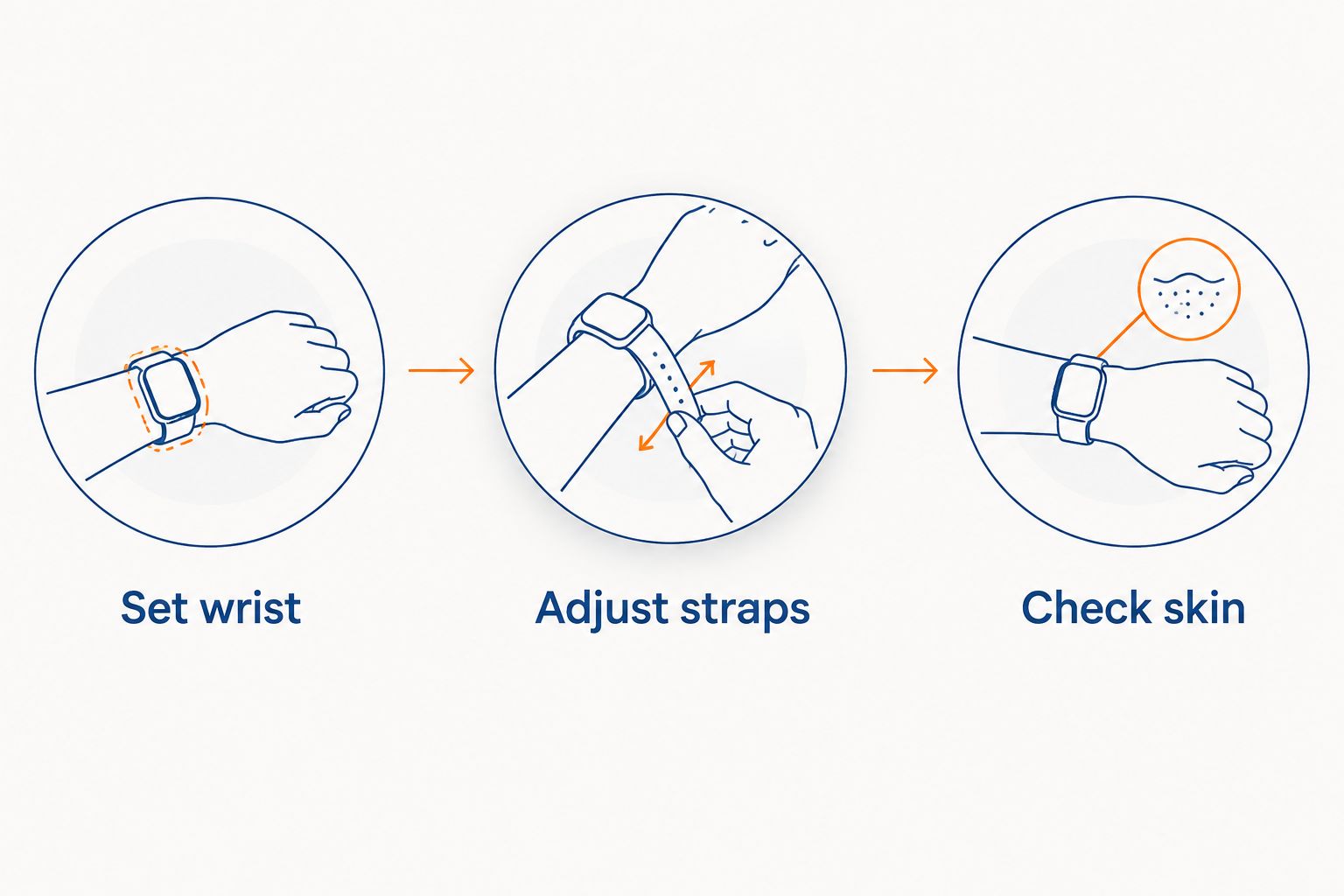
Stop using the splint and seek advice if it increases pain, numbness, swelling or skin irritation. In 2026, online sizing charts remain useful for narrowing options, but they do not replace checking the fit on your own hand.
How the 2026 ranking was set
The six categories were ranked by wrist-position control, intended wear period, thumb freedom, adjustability, task compatibility and limitations. Retail brand, price and promotional claims were excluded because the inputs contain no verified product catalogue or current pricing.
MyChiro’s 2026 ranking is therefore a decision guide, not a claim that one retail product is appropriate for every person. A qualified health professional can assess whether splinting is suitable and whether symptoms require medical investigation or referral.
Discuss your wrist symptoms
Ask whether assessment or referral is appropriate before relying on a splint.
Which wrist splint should you choose?
Choose by function, not packaging. A rigid cock-up splint is the default category to discuss for daytime wrist-position control, while a padded night splint is designed around sleep. A thumb spica belongs in a separate decision path because it restricts thumb movement as well as the wrist.
Your workstation still matters when symptoms occur during computer use. Compare your keyboard and pointing-device position with this guide to ergonomic keyboards and mice for wrist and shoulder pain rather than expecting a splint to compensate for every repeated movement.
The practical 2026 default is a rigid wrist splint for daytime position control, but persistent numbness, weakness or night symptoms should be assessed before you rely on that choice.
FAQ
What is the best wrist splint for carpal tunnel?
The best wrist splint for carpal tunnel depends on when symptoms occur and whether rigid position control is appropriate. A cock-up splint is designed for daytime wrist control, while a padded night splint is designed for sleep.
Can I wear a wrist splint while typing?
You can type in some wrist splints, but rigid designs can change hand position and make keyboard or mouse use awkward. Stop and reassess the fit if typing produces extra pain, tingling or pressure.
Should I wear a carpal tunnel splint overnight?
An overnight splint may be appropriate when symptoms are associated with sleep position, but use a design intended for night wear. Check the manufacturer’s instructions and seek professional advice if symptoms persist or worsen.
Is a thumb spica better than a standard wrist splint?
A thumb spica is more restrictive, not universally better. It supports the thumb and wrist together, while a standard wrist splint leaves the thumb mobile.
How tight should a wrist splint be?
A wrist splint should stay in place without causing new tingling, throbbing, swelling or colour change. Loosen or remove it if any of those signs appear.
How much does a wrist splint cost in 2026?
Wrist splint pricing varies by design, materials and retailer in 2026. Check current pricing after you identify the appropriate splint category and size.
When should wrist numbness be assessed?
Persistent, worsening or sleep-disrupting numbness should be assessed by a qualified health professional. Seek prompt medical care for marked weakness, sudden symptoms, significant injury or symptoms accompanied by other urgent warning signs.
Can a chiropractor recommend a wrist splint?
A chiropractor can discuss musculoskeletal assessment and whether referral or another form of care is appropriate. The recommendation should follow an individual assessment rather than a general online checklist.
One last thing
Do not assume that more restriction means a more suitable splint. The most restrictive option can interfere with typing, gripping and daily care, while the least restrictive option may not control wrist position at all. In 2026, the useful question is not which splint looks strongest; it is which movement needs to be limited after the cause of your symptoms has been assessed.
Related guides


