

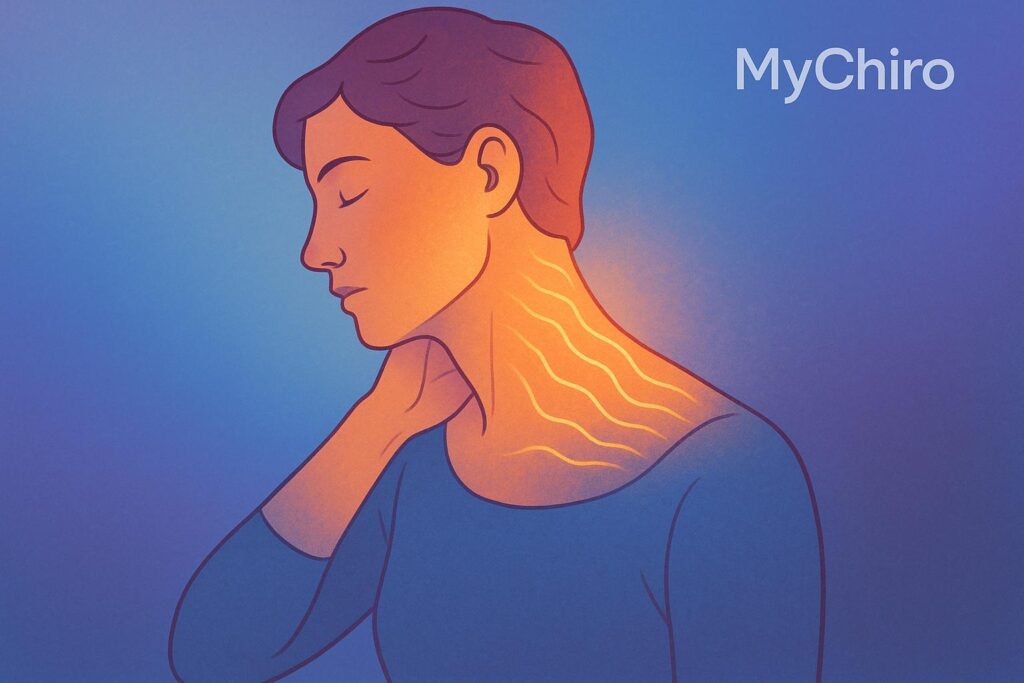
Stress can lead to neck pain by triggering muscle tension in your neck and shoulders. This happens when your body’s fight-or-flight response releases hormones like cortisol and adrenaline, preparing your muscles for action. While this response is helpful in emergencies, ongoing stress keeps these muscles tight, leading to discomfort and stiffness.
Key points to know:
- Stress-related neck pain affects up to 71% of adults globally.
- Signs include a dull ache, stiffness, tension headaches, and reduced range of motion.
- Chronic stress can disrupt your nervous system, keeping your body in a constant state of alertness.
To manage neck tension:
- At home: Improve posture, try gentle stretches, use heat or cold therapy, and practise deep breathing.
- Professionally: Seek chiropractic care, physiotherapy, or stress management therapy if symptoms persist.
Address both physical and mental stressors for long-term relief. If symptoms like weakness, severe pain, or other worrying signs appear, consult a health professional promptly.
Release Neck & Shoulder Tension in 30 seconds: NO STRETCHING| Feldenkrais Style
How Stress Affects Your Nervous System and Muscles
Stress doesn’t just sit in your mind – it takes a toll on your body, too, especially your nervous system and muscles. When you face a stressful situation, whether it’s an unexpected bill or an urgent deadline, your brain kicks into high gear. It sends signals through your nervous system, triggering a chain reaction that can leave your muscles, particularly in your neck and shoulders, tense and tight. The body doesn’t differentiate between life-threatening danger and everyday pressures, which means even minor stressors can set off a physiological response designed for survival.
Fight-or-Flight Response and Muscle Tightness
The fight-or-flight response is your body’s immediate reaction to perceived danger. Once your brain senses a threat, the amygdala signals the hypothalamus to activate the sympathetic nervous system. This, in turn, prompts your adrenal glands to flood your bloodstream with adrenaline.
This reaction evolved to help our ancestors escape physical threats, like predators. But today, it’s triggered by things like traffic jams or running late. The same physiological changes occur regardless of whether the danger is real or imagined.
"The carefully orchestrated yet near-instantaneous sequence of hormonal changes and physiological responses helps someone to fight the threat off or flee to safety. Unfortunately, the body can also overreact to stressors that are not life-threatening, such as traffic jams, work pressure, and family difficulties." – Harvard Health
Adrenaline ramps up your heart rate, blood pressure, and breathing, while tightening your muscles – preparing them for action. This is why your neck and shoulders often feel stiff during stressful moments. When the stressor is mental rather than physical, those muscles may stay contracted long after the moment has passed, leading to ongoing discomfort.
What Stress Hormones Do to Your Body
Adrenaline is just the start. After the initial surge, your hypothalamus activates the HPA axis (hypothalamus-pituitary-adrenal axis), which keeps your sympathetic nervous system engaged by releasing cortisol, often referred to as the stress hormone.
Cortisol mobilises your body’s energy reserves, but when levels remain elevated for too long, it can lead to chronic muscle tension and even musculoskeletal problems. While cortisol’s main job is to replenish energy, it also impacts nearly every organ system, including your muscles. This often leaves areas like your neck and shoulders locked in a state of readiness, similar to a soldier standing at attention for hours.
The numbers tell a worrying story: up to 30% of adults will experience an anxiety disorder at some point in their lives. Prolonged stress keeps cortisol and adrenaline circulating in your body, which can heighten your sensitivity to pain. This creates a vicious cycle – muscle tension leads to discomfort, which causes more stress, resulting in even greater tension.
When Stress Disrupts Your Nervous System
Over time, chronic stress can throw your nervous system out of balance. Long-term activation of the SAM and HPA axes keeps your muscles in a constant state of tension and puts extra pressure on the nerves in your neck and shoulders. This heightened state of alertness makes it harder for your nervous system to switch back to a relaxed state.
Dr Jesse Cooper, a chiropractor at Baylor Scott & White Clinic, explains how this impacts your body:
"Imagine holding a bowling ball with both hands out in front of your body. Gradually, you will experience muscle fatigue, pain and poor form as a result of the weight of the ball being so far in front of your body versus holding it closer. It’s the same concept with poor posture due to stress, except your head is the bowling ball and the rest of the muscles in your body are fighting to hold you upright. This can be a difficult cycle to break." – Dr Jesse Cooper, Baylor Scott & White Clinic
This cycle of stress and tension feeds on itself. Persistent pain and discomfort act as additional stressors, triggering more hormone release and worsening the problem.
Mental health issues such as anxiety and depression can make these physical symptoms worse, contributing to chronic neck and shoulder pain. Research shows that women may be more prone to stress-related shoulder pain due to lower muscle strength and how they perceive stress. Additionally, studies suggest that higher levels of depression are linked to more intense shoulder pain, highlighting the strong connection between emotional and physical health.
When your nervous system remains in overdrive, even small stressors can provoke outsized physical reactions. Stress hormones like cortisol and adrenaline keep your body on high alert, leading to ongoing muscle tightness and increased sensitivity to pain. Breaking this cycle means addressing both the physical symptoms and the nervous system imbalances that sustain them.
Signs of Stress-Related Neck Tension
When stress takes a toll on the body, it often shows up as muscle tension – and the neck is a common target. Stress-related neck tension isn’t the same as pain from an injury. Instead, it reflects the emotional and physical strain you might be carrying daily. The symptoms can creep in quietly, eventually creating a cycle of discomfort that goes beyond just your neck.
Physical Symptoms
Stress-related neck tension usually manifests physically, but the exact symptoms can differ between individuals. One of the most common signs is a dull ache at the base of the neck, often noticeable after a stressful day or during times of high anxiety. Unlike the sharp pain from an injury, this discomfort feels more like a persistent heaviness in the muscles.
Another telltale sign is stiffness when turning your head. You might catch yourself moving your whole torso to look over your shoulder because your neck’s range of motion has gradually decreased.
For some, the tension extends outward, causing pain that radiates to the upper back and shoulders. Since the muscles in these areas are interconnected, stress in one spot can easily spread, creating a broader zone of discomfort.
Tension headaches are another frequent companion of stress-related neck tension. These headaches often begin at the neck and feel like a tight band wrapping around the head, becoming more intense as stress builds throughout the day.
"Pain drains energy, reducing your capacity for everyday tasks."
- Katie Schaner, Hinge Health
Additional signs include jaw clenching, hunching shoulders, shallow breathing, and sensitivity to touch. These stress responses can overload the neck muscles, worsening the tension. Notably, these symptoms often ebb and flow with your stress levels, making the connection between stress and physical discomfort even clearer.
How It Affects Your Daily Life
The impact of stress-related neck tension isn’t limited to physical discomfort – it can ripple through many aspects of your daily routine. For instance, sleep can suffer, as neck pain makes it hard to find a comfortable position, leaving you feeling unrested and irritable the next day.
At work, chronic neck tension can affect productivity. The constant discomfort may force you to change positions frequently or make it hard to stay focused on tasks.
Even everyday activities can become a challenge. Physical movement may feel restricted, and avoiding exercise or other routine activities due to pain can negatively affect your overall health and mood, creating a frustrating cycle of stress and inactivity.
The emotional toll is just as significant. Chronic neck pain often correlates with mental health struggles, including heightened anxiety, depression, and stress. Research shows that neck pain affects 10% to 20% of adults, with stress being a common trigger. Additionally, poor sleep posture, reported by 70% of people with neck pain, can worsen the issue.
Social interactions can also take a hit. Constant discomfort can leave you feeling low on energy and patience, potentially straining relationships or causing you to withdraw. On top of that, the financial burden of medical expenses and reduced productivity can add another layer of stress.
Recognising these signs early on is essential. By addressing both the physical symptoms and the stress driving them, you can break the cycle of tension and work towards a healthier, more balanced lifestyle.
sbb-itb-585d67d
Proven Methods for Managing Neck Tension
Dealing with neck tension caused by stress can feel overwhelming, but there are effective ways to tackle it. From simple at-home remedies to professional treatments, there’s a range of options to help ease the discomfort. With nearly one in three people experiencing neck pain, you’re far from alone in seeking solutions.
Self-Care Methods
Taking care of your neck at home starts with posture correction. Slouching or craning your neck can overwork your muscles, leading to pain and fatigue. To avoid this, keep your devices at eye level and your head aligned with your spine. When working at a desk, use a supportive chair with features like adjustable armrests and a swivel base. Position your documents and screens so you’re not constantly looking down, which can strain your neck.
Gentle stretching is another simple yet effective way to relieve tension. Exercises like neck tilts, rotations, and retractions can help loosen tight muscles. Yoga poses such as Child’s Pose and Cat-Cow also work wonders for easing stiffness and improving overall posture.
For quick relief, heat and cold therapy can be a game-changer. Applying ice packs helps reduce inflammation, while heat packs relax tight muscles and improve blood circulation. Alternating between the two for about 20 minutes at a time can provide noticeable relief.
Stress plays a big role in neck tension, which is why breathing exercises and mindfulness techniques are so helpful. Deep breathing, meditation, or even a few moments of quiet reflection can calm your mind and reduce the physical effects of stress on your body.
Incorporating regular physical activity into your routine can also make a big difference. Activities like yoga or Tai Chi combine movement and stress relief, while simple habits like taking breaks to stretch during long workdays can prevent tension from building up. Adjusting your workspace ergonomics – such as the height of your chair or monitor – can further reduce strain during extended hours at your desk.
If these self-care methods don’t provide enough relief, professional treatments might be the next step.
Professional Treatment Options
When home remedies aren’t enough, professional care can address more stubborn or complex issues.
Chiropractic care is a highly regarded option for managing stress-related neck tension. Research has shown that spinal adjustments can effectively relieve chronic neck pain. Chiropractors focus on correcting misalignments, reducing nerve pressure, and restoring proper movement. For example, Dr Steve in Bondi Junction offers a nervous-system-focused chiropractic approach tailored to busy adults seeking long-term relief from stress-induced neck issues.
Another effective option is physiotherapy, where trained professionals teach exercises and strategies to not only relieve pain but also correct movement patterns that could be causing the tension.
For those whose neck tension is closely tied to stress, stress management therapy can be invaluable. This type of therapy helps address the emotional triggers behind physical symptoms, offering tools to better cope with life’s pressures. Since the nervous system is deeply involved in stress-related neck pain, combining physical and emotional care often leads to the best outcomes.
Self-Care vs Professional Treatment Comparison
| Feature | Self-Care Methods | Professional Treatment Options |
|---|---|---|
| Examples | Stretching, posture correction, mindfulness, ice/heat therapy | Chiropractic adjustments, physiotherapy, stress management therapy |
| Benefits | Affordable, can be done at home, promotes independence | Expert guidance, tailored solutions, addresses root causes |
| Limitations | May not resolve severe pain, requires consistency, limited for underlying issues | Can be costly, requires appointments, involves more time commitment |
Self-care is an excellent first step for mild to moderate neck tension, especially when it’s related to lifestyle habits. But if the pain persists or becomes severe, professional treatment is often necessary. Research suggests that combining self-care with expert intervention yields the best results. Learning techniques from a professional and maintaining them with regular self-care can significantly improve outcomes.
The most important thing is knowing when it’s time to seek professional help. A thorough evaluation by a qualified practitioner can not only relieve your symptoms but also prevent minor issues from becoming chronic problems. Balancing stress management with care for your muscles is essential for long-term neck health.
Long-Term Strategies for Neck and Nervous System Health
Building sustainable habits is a smart way to prevent neck tension over time. With neck pain affecting 27 out of every 1,000 people and contributing to hefty healthcare costs globally[1], a proactive approach benefits both your health and your wallet. While quick fixes can ease immediate discomfort, long-term strategies are essential for maintaining balance in your nervous system and ensuring ongoing neck health. These methods expand on earlier self-care practices to create lasting improvements.
Daily Lifestyle Changes
Incorporating small adjustments into your daily routine can help keep neck tension at bay.
Posture and workspace setup are key. If you work from home, invest in ergonomic furniture. Your monitor should be at eye level, your feet flat on the floor, and your knees bent at a 90° angle.
Regular movement breaks are just as important. To prevent stiffness and ease tension, take a moment to stretch or stand every 30–45 minutes. Gentle neck exercises, like tilts and rotations, can be done right at your desk. Activities like walking, cycling, or swimming not only support spinal health but also help reduce stress.
Quality sleep is another cornerstone of recovery and nervous system regulation. Aim for 7 to 9 hours of sleep each night, ensuring your spine stays aligned while you rest.
Hydration and nutrition play their part too. Staying hydrated and eating a balanced diet supports both muscle and nerve function. Including stress-relieving foods like leafy greens, fatty fish, and nuts in your meals can make a difference.
Stress management techniques should become part of your daily routine – not just something you turn to in moments of tension. Practices like deep breathing, meditation, or spending time outdoors are excellent for calming the nervous system. According to the American Psychological Association, stress can affect every system in the body, including the musculoskeletal and nervous systems, making these habits essential for long-term health.
Why You Need to Address Both Physical and Mental Factors
Beyond practical adjustments, it’s crucial to tackle the psychological factors behind neck tension. Physical discomfort often has emotional roots, and ignoring this connection can hinder recovery. Stress, anxiety, and even lack of social support can exacerbate neck pain. When you’re stressed, your body naturally tenses, creating a cycle where emotional strain leads to physical discomfort, which in turn fuels further stress.
"Stress is not just an emotion – it’s something that physically impacts your body."
– Jesse Cooper, DC, Chiropractor, Baylor Scott & White Clinic
Take, for instance, an 8-week multidisciplinary program involving physical therapy, biofeedback, and psychotherapy. A 44-year-old office worker with chronic neck pain saw a 50% drop in neck-related disability and a 21% decrease in anxiety after completing the program. Two years later, she reported no neck-related issues at all. This case highlights the importance of addressing both physical and emotional factors for effective, lasting results.
The nervous system responds to physical and emotional stress in similar ways. By combining mindfulness practices with physical care – like maintaining good posture and exercising regularly – you give your body the best chance to recover and thrive.
Having a support network also matters. Family, friends, or professionals can help you manage stress, reducing its physical toll. In some cases, consulting a mental health professional can provide additional tools to address the emotional aspects of chronic pain.
When to See a Health Professional
Sometimes, professional help is necessary to prevent minor issues from escalating into chronic problems. While self-care is valuable, certain symptoms should never be ignored.
Red flag symptoms that require immediate medical attention include muscle weakness in your arms or legs, sudden clumsiness or falls, unexplained weight loss, pain radiating to your limbs, fever, severe headaches, neck stiffness, or chest pain. Dr Seth A. Waldman from HSS warns:
"If you bend your chin down and feel a shock in your extremities, that could be a sign of a compression of the spinal cord and should be immediately evaluated by a physician."
Persistent symptoms that don’t improve after a week of home care are another reason to consult a professional. Dr Cole Fitzgerald, a pain medicine specialist, stresses the importance of early action:
"Neck pain can develop into chronic pain…You want to be somewhat aggressive in treating it when it’s still in the acute phase. If you’re not getting better within a few weeks, you probably should seek treatment. We can assist with conservative management, including physical therapy, and hopefully help break it before it progresses to chronic pain. Once pain becomes chronic, it’s harder to treat."
Treatment options vary based on individual needs. Depending on the situation, professionals like pain specialists, neurologists, sports medicine doctors, or physical therapists may be involved. Chiropractors focusing on stress-related spinal issues, such as Dr Steve in Bondi Junction, can also provide evidence-based care tailored to these concerns.
Most people respond well to conservative treatments. As Dr Waldman explains:
"With a good physical therapist and participation in a corrective exercise program, most people will get better."
Starting with non-invasive methods like physical therapy and targeted exercises is often the best course of action. More advanced interventions are only explored if necessary.
Seeking professional help doesn’t mean you’ve failed at self-care. It’s a proactive step to address the root causes of your symptoms before they worsen. A dual approach – tackling both physical discomfort and emotional stress – sets the stage for long-term neck and nervous system health.
Key Points for Managing Stress-Related Neck Tension
Understanding that stress within the nervous system can trigger neck tension is a crucial step towards relief. When stress activates the fight-or-flight response, your body releases hormones that tighten muscles, especially in the neck and shoulders. While this reaction is normal, prolonged stress can cause ongoing discomfort.
Identifying stress-related neck tension requires looking beyond the physical pain. A study by King Abdulaziz University revealed that 50.7% of students experienced neck pain tied to stress. Women, in particular, reported higher rates of neck pain, along with anxiety and depression.
Stress doesn’t just stiffen your neck – it can also disrupt sleep, affect your mood, and make it harder to focus. These symptoms highlight the importance of taking care of yourself and seeking professional help when necessary.
Self-care is your first defence against stress-induced neck tension. Simple habits like sitting with good posture, moving regularly, and managing stress can make a big difference. Techniques such as heat therapy, gentle neck stretches, and relaxation exercises can provide quick relief, while staying hydrated and eating well supports muscle and nerve health. As Dr Katie Schaner, PT, DPT from Hinge Health puts it:
"Our bodies were designed to move, and any movement that feels good can help release muscle tension."
If self-care doesn’t ease the pain, professional treatment may be needed. Neck pain is a common issue, affecting 10% to 20% of adults each year, yet only about one in five people seek medical care for it. Upper cervical chiropractic care, which focuses on aligning the atlas (C1) and axis (C2) vertebrae, can help ease muscle tension and restore balance to the nervous system. Practitioners like Dr Steve (Chiropractor) in Bondi Junction provide evidence-based care for stress-related spinal problems.
Preventing long-term issues means addressing both physical and mental factors. Stress often leads to poor posture, creating a cycle of muscle fatigue and pain. Setting up ergonomic workspaces, staying active, prioritising good sleep, and practising stress management techniques like meditation or deep breathing can help maintain neck health. By sticking to these habits, you can relieve physical discomfort while calming your nervous system – a recurring theme in managing neck tension. Emotional stress often causes unconscious muscle tightness, making stress management a key part of prevention.
Know when to seek professional help. Warning signs like weakness in your legs, balance issues, or changes in bowel or bladder function require urgent medical attention. If your symptoms persist after a week of self-care, consult a registered health practitioner for further evaluation.
This article is meant for general education and is not a substitute for personalised healthcare advice. Always speak with a registered health practitioner for tailored recommendations.
FAQs
How can I tell if my neck tension is caused by stress or an injury?
Stress-related neck tension often manifests as a general sense of tightness or stiffness in the muscles. This type of discomfort usually develops gradually and isn’t tied to a specific event or injury. Techniques like deep breathing, stretching, or gentle exercise can sometimes help ease the tension.
In contrast, pain resulting from an injury tends to be more sudden and focused. It may come with additional symptoms like swelling, bruising, or a clear history of trauma, such as a fall or accident. If your pain is severe, persistent, or restricts your movement, it’s essential to seek advice from a healthcare professional for a proper evaluation.
This is general information and not a replacement for personalised advice. Always consult a qualified health practitioner for guidance tailored to your situation.
What mindfulness techniques can help ease stress-related neck tension?
Mindfulness practices like deep breathing, gentle neck and shoulder stretches, and progressive muscle relaxation are great tools for relieving stress-related neck tension. These techniques work by soothing the nervous system, easing tight muscles, and encouraging a sense of relaxation.
Adding guided imagery or short meditation sessions to your routine can also lower stress levels, which might help reduce tension in your neck and shoulders. Just a few minutes of mindfulness each day can have a noticeable impact on how your body feels.
When is it time to see a professional for neck tension instead of managing it on your own?
If your neck tension persists for more than a few weeks, worsens over time, or comes with symptoms like pain spreading to your arms, weakness, numbness, or tingling, it’s wise to seek professional advice. You should also consult a healthcare provider if the tension stems from an injury or is interfering with your daily life.
Sometimes, ongoing or severe symptoms can signal deeper issues that need specific attention. If home remedies aren’t helping, don’t delay in reaching out to a specialist for guidance.