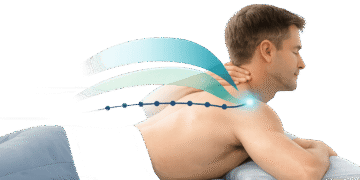

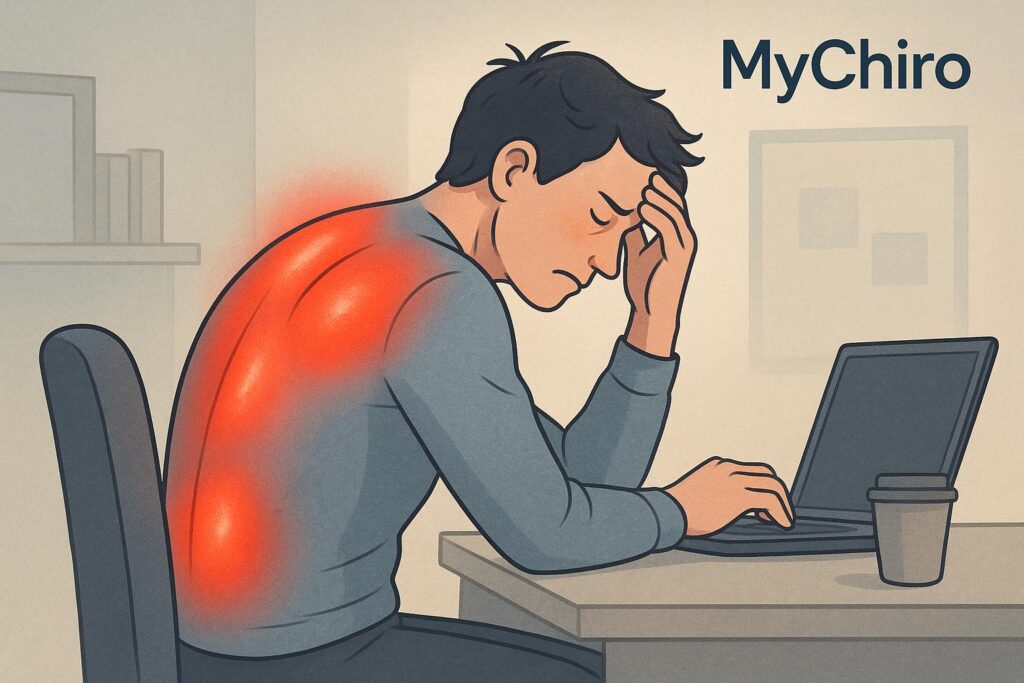
Stress doesn’t just affect your mind – it changes your body too. It can lead to muscle tension, poor posture, and even long-term discomfort. For example, chronic stress often results in tight shoulders, forward head posture, or slouched alignment. These physical effects can disrupt movement, cause pain, and impact your breathing patterns.
Key takeaways:
- Stress keeps muscles tense, leading to posture issues like forward head posture or rounded shoulders.
- Poor posture and shallow breathing worsen muscle strain, creating a cycle of tension.
- Long-term stress can contribute to inflammation, joint pain, and even systemic health issues.
- Awareness, breathing exercises, and daily habits like stretching or ergonomic adjustments can help manage stress-related tension.
- Chiropractic care offers targeted solutions for persistent posture issues by improving spinal alignment and reducing muscle strain.
Understanding how stress affects your body is the first step to breaking the cycle and improving your posture, comfort, and overall well-being.
Why Your Neck Tenses Up Under Stress (and How to Release It)
The Science: How Stress Affects Posture and Muscle Tension
Scientific research provides a deeper understanding of how stress impacts muscle function and posture, shedding light on the mechanisms behind these changes.
Chronic Stress and Muscle Tension
Chronic stress can lead to muscle imbalances, where certain muscles tighten or shorten while their opposing muscles weaken. This imbalance disrupts proper joint alignment and overall movement.
The upper trapezius muscles, which extend from the neck to the shoulders, are particularly sensitive to stress. Research shows that psychosocial stress activates these muscles, regardless of body position or level of concentration.
The global burden of stress-related musculoskeletal disorders is striking. Data reveals that 21.9% of the world’s population suffers from these conditions, contributing to 17% of all years lived with disability. Stress, combined with prolonged sitting, significantly raises the risk of neck pain. Among office workers, neck pain affects 65% annually, compared to 30–50% in the general population.
Postural Changes Linked to Stress
Stress-induced postural changes are well-documented in scientific studies. One common adjustment is forward head posture, where the head leans forward, disrupting its natural alignment over the shoulders.
Research has shown that mental concentration and psychosocial stress increase forward head posture. Stress also heightens activity in the upper trapezius muscles on both sides, while the cervical extensor and flexor muscles remain unchanged.
Further studies among university students highlight the prevalence of stress-related postural issues. Findings include:
- Scapula-pelvic asymmetry in 97% of students
- Cervical hyperlordosis in 85.7%
- Forward torso positioning in 74.2%
- Lumbar hyperlordosis in 65.7%
- Scoliosis tendencies in 100%
Cognitive and emotional factors, such as fear-avoidance and catastrophising, can worsen these postural changes. Survey data from the United States also highlight the widespread nature of stress, with 84% of respondents reporting stress in the prior two weeks. Key sources of stress include health concerns (65%), work pressures (64%), financial issues (63%), and family responsibilities (55%).
These postural shifts often lead to changes in breathing patterns, further complicating the effects of stress on the body.
Breathing Patterns and Posture Under Stress
The connection between breathing, posture, and stress is intricate. The muscles responsible for breathing – like the diaphragm and intercostal muscles – also play a critical role in maintaining posture.
Stress often causes shallow breathing, which can destabilise posture. In turn, poor posture limits the diaphragm’s effectiveness, forcing the body to rely on accessory muscles for breathing. This cycle increases muscle tension and weakens postural stability.
One study of university students revealed that high anxiety and shallow breathing were linked to reduced stability. Only 34% of breathing attempts involved proper deep abdominal breathing, and among female participants, this figure dropped to 25%. Such patterns can create a self-reinforcing loop, lowering quality of life, hindering learning, and contributing to musculoskeletal problems through muscle co-contraction.
These findings highlight the need to address both breathing and posture when tackling stress-related musculoskeletal issues.
How Your Body Responds to Stress
Understanding stress helps explain how postural issues and muscle tension arise.
The Fight-or-Flight Response and Muscle Tension
When you’re under stress, your body activates the fight-or-flight response. This involves the sympathetic nervous system releasing stress hormones, which can alter how your muscles function. A common result? Forward head posture and rounded shoulders.
During this response, some muscles become overly active, while others weaken. Your shoulders might lift and roll forward, neck muscles tighten, and your jaw could clench. These changes often lead to the posture issues we associate with stress, like slouched shoulders and a forward-leaning head.
Key neural systems, including the brainstem’s reticular formation and the limbic system, play a role in managing emotional responses and muscle activity. When stress lingers, these systems keep your muscles in a state of heightened tension.
Additionally, the hypothalamic-pituitary-adrenal (HPA) axis, which regulates stress, can become disrupted with prolonged stress. This can result in consistently high levels of stress hormones, further increasing muscle tension and postural imbalances.
These immediate muscular reactions can set the stage for longer-term issues, including inflammation.
Stress, Inflammation, and Joint Pain
Chronic stress doesn’t just affect your muscles – it can also trigger inflammation, worsening joint pain and weakening connective tissues. Poor sleep, often linked to stress, amplifies pain and slows down the body’s ability to recover.
Studies show that stress-related conditions can increase the likelihood of autoimmune diseases, pointing to a connection between chronic stress and systemic inflammation. This inflammation can aggravate existing joint problems and even damage healthy tissues and bones over time, making them more prone to injury and slower to heal.
The gut-brain connection may also play a role here. Chronic stress can disrupt the gut, increasing intestinal permeability and contributing to widespread inflammation, which may worsen joint pain and muscle tension.
In short, the combined effects of muscle tension from the fight-or-flight response and inflammation caused by chronic stress create a ripple effect throughout your body. These responses can significantly impact your posture, comfort, and overall quality of life.
sbb-itb-585d67d
Practical Ways to Manage Stress and Improve Posture
Here are some proven strategies to help you tackle stress and maintain better posture.
Self-Monitoring Tools for Posture and Muscle Tension
The first step to breaking the cycle of stress and poor posture is awareness. Thankfully, modern tools make it easier than ever to track your posture and muscle tension throughout the day.
- Wearable stress trackers: Devices like Fitbit or Apple Watch can measure stress through heart rate variability. They’ll notify you when your stress levels rise, encouraging you to take deep breaths or stand up for a quick stretch to ease muscle tension.
- Biofeedback devices: Tools like the Muse headband provide insights into your brain activity and heart rate, teaching you to recognise and manage early signs of stress.
- Body scan techniques: Spend 5 minutes daily scanning your body from head to toe, paying close attention to tension in areas like your shoulders, neck, and jaw. This simple practice helps you catch stress-related tightness early.
- Progressive muscle relaxation (PMR): This involves tensing and then relaxing different muscle groups one by one. It’s a great way to become more aware of tension and help your body respond calmly to stress.
By tuning into your body’s signals, you can take actionable steps to relax and reduce tension.
Breathing and Relaxation Techniques
Your breath is a powerful tool for managing stress and improving posture. Stress often causes shallow, quick breaths, which can lead to muscle tension. Slowing your breathing can help counteract this.
- Diaphragmatic and box breathing: Diaphragmatic breathing strengthens the muscle under your ribs and reduces strain. Box breathing is another effective method: inhale for four counts, hold for four, exhale for four, and hold again for four. Aim for 5–10 minutes, a few times a day.
"Learning to focus attention and relax is a skill. As with any skill, your ability to focus and relax will improve with practice."
- Other techniques: Try the 4-7-8 method (inhale through your nose for four counts, hold for seven, exhale through your mouth for eight) or alternate nostril breathing to calm your nervous system.
These techniques can be practised anywhere – whether you’re at your desk, commuting, or winding down before bed.
Daily Habits for Stress Reduction
Incorporating small, intentional habits into your daily routine can make a big difference in managing stress and supporting good posture.
- Ergonomic workstation setup: Adjust your workspace so your spine stays supported, feet rest flat, your monitor is at eye level, and your keyboard and mouse are at elbow height. Follow the 20-20-20 rule: every 20 minutes, look at something about 6 metres away for 20 seconds.
- Self-massage techniques: Massage can relieve muscle tension quickly. According to massage therapist Elliot Ledley:
"Self-massage is using your hands, tools, or objects to work on sore muscles and adhesions instead of seeing a licensed massage therapist or bodywork professional."
Use a tennis ball, foam roller, or massage gun to target tight spots. - Trigger point therapy: Focus on tender areas in your neck, shoulders, or back. Apply steady pressure with a tennis ball or massage tool for 20–30 seconds daily. Pair this with deep breathing for added relaxation.
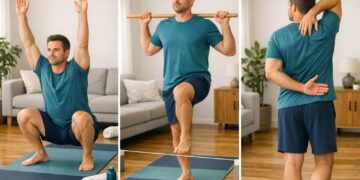
- Daily stretching: Include stretches like chest openers to counteract rounded shoulders, cat-cow movements for spinal flexibility, and hamstring stretches to support proper pelvic alignment.
"As a massage therapist, I suggest self-massage and stretching in between appointments. Being able to stretch and massage your own body safely can help prevent pain and discomfort."
- Yoga practice: Spend 10–15 minutes on poses like Child’s Pose, Mountain Pose, and Downward Dog to relieve stress and improve flexibility.
- Creating a calming environment: Use smart aromatherapy diffusers like the Asakuki Smart Wi‑Fi Essential Oil Diffuser to set the mood with soothing scents like lavender or eucalyptus. You can control the intensity and timing right from your phone.
These habits, combined with monitoring and breathing techniques, can help reduce tension and promote better posture. Start small – choose one or two methods that resonate with you and gradually add more as they become part of your routine. Managing stress and improving posture is a journey that thrives on consistency and patience.
How Chiropractic Care Helps with Stress-Related Postural Issues
When daily stress management isn’t cutting it, chiropractic care steps in to address the deeper issues tied to spinal and nervous system health. While self-awareness of posture and tension is a good starting point, professional care focuses on the root causes of dysfunction brought on by chronic stress. Chiropractic treatment, grounded in evidence, works to correct these imbalances for better overall wellbeing.
Postural Assessments and Personalised Care Plans
Chiropractic care begins with a detailed postural assessment to pinpoint areas of tension and misalignment. This evaluation often considers your work habits, daily routines, and stress levels, helping to paint a full picture of how your lifestyle impacts your posture.
Take Dr Steve in Bondi Junction, for example. His practice uses a nervous system–centred approach to tackle stress-induced discomfort. By combining a thorough postural evaluation with an understanding of modern stressors like desk jobs and emotional strain, he tailors care to fit each individual’s needs.
Personalised care plans are designed not just for immediate relief but also for long-term correction. These plans often include spinal adjustments, targeted exercises, and lifestyle advice tailored to your specific stress patterns and postural challenges. Given that the American Psychological Association reports 77% of people regularly experience physical symptoms from stress, it’s clear why personalised treatment is so important.
Spinal Adjustments and Nervous System Balance
Spinal adjustments play a key role in chiropractic care, offering relief by realigning the spine, easing nerve pressure, reducing muscle tension, and improving circulation. Importantly, these adjustments also activate the parasympathetic nervous system – the "rest and digest" mode – which helps counteract the stress-driven "fight or flight" response.
Research supports these benefits. A study in the Journal of Manipulative and Physiological Therapeutics found that spinal adjustments improved heart rate variability, indicating a more balanced nervous system. Additional research in the Journal of Neural Plasticity shows that chiropractic adjustments can influence brain activity in areas like the prefrontal cortex, which plays a role in stress regulation. Another study from the Journal of Alternative and Complementary Medicine reported reduced cortisol levels – a key stress hormone – after a series of adjustments. These findings suggest that proper spinal alignment does more than alleviate immediate discomfort; it helps your body function at its best.
Collaborating with Patients for Lasting Results
Achieving long-term results goes beyond the adjustments themselves. Chiropractors often work closely with patients to create a plan that includes regular maintenance visits, education, and lifestyle changes. These ongoing efforts can prevent stress-related tension from returning. Considering that about half of individuals report poor posture and a significant percentage of chronic pain sufferers also experience depression, the link between physical and emotional health is undeniable.
Think of the spine as the nervous system’s main switchboard – when stress compromises it, everything from your immune system to your mood can be affected. Chiropractors frequently offer ergonomic advice for workstations, recommend exercises to support spinal alignment, and share strategies for managing stress throughout the day.
Many practitioners also incorporate lifestyle coaching, posture training, and breathing techniques to complement spinal adjustments. For busy professionals or parents juggling multiple responsibilities, this comprehensive care model offers not just immediate relief but also practical tools to manage stress before it leads to chronic pain or severe postural issues.
Conclusion: Key Points on Stress, Posture, and Tension
Stress doesn’t just weigh on your mind – it impacts your body too, particularly your posture and muscle tension. As OrthoCarolina highlights:
"Stress doesn’t just affect your mind – it also takes a toll on your body. From muscle tension and joint pain, chronic stress can significantly strain your musculoskeletal system. Over time, what begins as subtle tightness or discomfort can contribute to more serious issues like chronic back or neck pain."
Recognising this connection is a critical first step in breaking the cycle that affects countless adults dealing with chronic stress. Modern work environments, especially desk jobs, have led to a surge in musculoskeletal problems, with neck and upper body pain becoming all too common among office workers.
Recognising and Addressing Stress-Related Habits
Understanding how stress shows up in your body is key to finding relief. Jesse Cooper, DC, a chiropractor at Baylor Scott & White Clinic, explains it well:
"Imagine holding a heavy object far from your body – over time, your muscles fatigue and your posture suffers. It’s the same concept with poor posture due to stress, except your head is the bowling ball and the rest of the muscles in your body are fighting to hold you upright."
This awareness lays the groundwork for making meaningful changes. Small adjustments, like taking regular breaks from your desk, incorporating yoga or Pilates into your routine, and optimising your workspace ergonomically, can make a big difference. Techniques such as progressive muscle relaxation and deep breathing exercises are also excellent ways to tap into your body’s natural ability to relax.
Other lifestyle factors, like getting 7–9 hours of quality sleep and eating a balanced diet, play a huge role in helping your body recover from daily stress. Regular exercise not only eases muscle tension but also releases endorphins, which naturally help combat stress. However, when self-care doesn’t fully address the problem, professional support can step in to bridge the gap.
Seeking Professional Support When Needed
There’s no shame in needing extra help. As UNICEF puts it:
"Asking for help is a sign of strength – it shows self-awareness and courage to seek support during tough times."
Knowing when to seek professional care is crucial. Persistent spinal discomfort, numbness or tingling in your limbs, or pain that interferes with daily activities are all signs it’s time to consult a professional. For instance, if neck pain lingers for more than a few days or is paired with symptoms like numbness or weakness in your hands, don’t delay seeking medical attention.
Professional care, such as evidence-based chiropractic treatment, can address the root causes of stress-related posture issues. Practitioners like Dr Steve in Bondi Junction focus on nervous system regulation and spinal alignment to tackle these problems effectively. Other options, such as physical therapy, stress management programmes, or counselling, can provide a more comprehensive approach to relief.
Combining professional care with self-care strategies and ergonomic adjustments creates a well-rounded plan for managing stress-related posture and tension. Your spine, as the central hub of your nervous system, plays a vital role in everything from your immune response to your overall mood. Keeping it healthy is essential for both your physical and mental well-being.
This article is for general educational purposes only and is not a substitute for personalised healthcare advice. Please consult a registered health practitioner.
FAQs
How can I tell if stress is affecting my posture?
Stress has a way of creeping into our bodies, often affecting posture in noticeable ways. You might experience tightness in your neck and shoulders, a sense of stiffness, or even find yourself slouching more during stressful times. This happens because stress often triggers involuntary muscle tension, which can lead to discomfort and throw off your natural posture.
If stress seems to be taking a toll on how you carry yourself, consider trying relaxation techniques or gentle stretches to ease the tension. For more persistent issues, seeking professional guidance can help tackle both the stress and its physical impact.
What are some simple breathing techniques to ease stress and muscle tension?
Deep breathing is a simple yet effective way to ease stress and loosen up tense muscles. Techniques such as diaphragmatic breathing – where you breathe deeply into your belly – or the 4-7-8 method, which involves inhaling for 4 seconds, holding your breath for 7 seconds, and exhaling for 8 seconds, can work wonders. Even just taking slow, steady breaths can help soothe your nervous system and release muscle tightness.
The best part? These techniques are easy to do anywhere, whether you’re at your desk, stuck in traffic, or winding down at home. With regular practice, not only can they help you manage stress in the moment, but they might also improve your posture and reduce overall tension in the long run.
When should I see a professional for posture issues caused by stress?
If stress-related posture issues are causing persistent discomfort, disrupting your daily routine, or not improving despite efforts like stretching or posture exercises, it might be a good idea to consult a professional. A chiropractor or another qualified expert can evaluate your posture, pinpoint any underlying problems, and suggest personalised strategies to ease tension and improve your alignment.
Addressing these issues early can help you avoid additional strain or potential long-term problems, so don’t hesitate to seek help if you’re struggling with ongoing symptoms.