

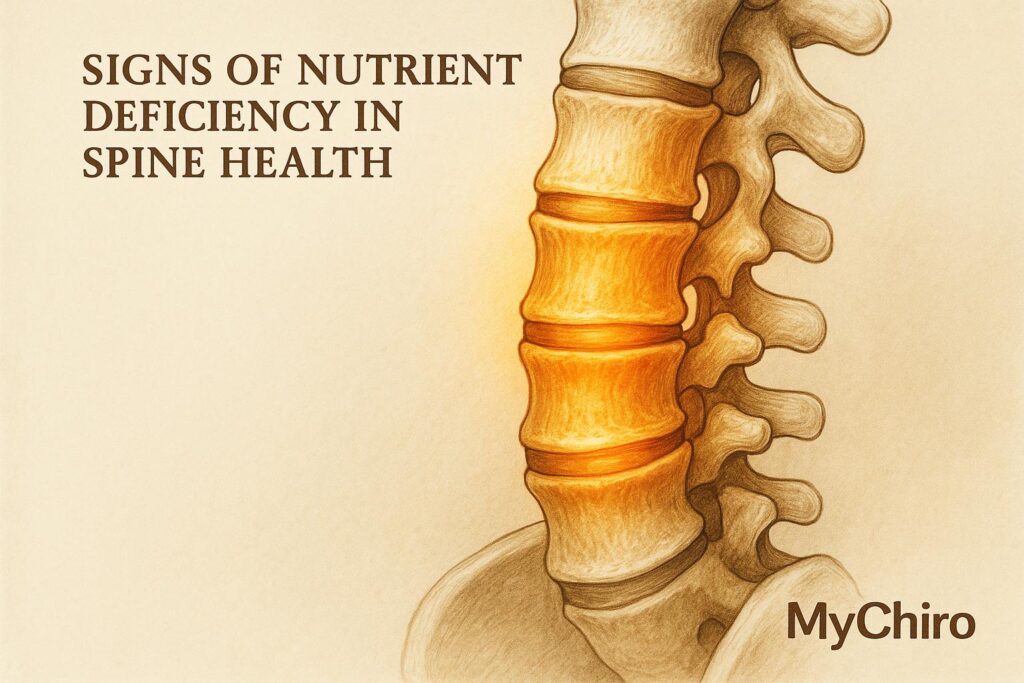
Your spine relies on proper nutrition to stay strong and functional. Deficiencies in key nutrients like calcium, vitamin D, magnesium, and vitamin B12 can lead to bone pain, muscle cramps, fatigue, and nerve issues. Addressing these gaps early can prevent serious spinal problems like fractures and chronic pain.
Here’s what you need to know:
- Calcium & Vitamin D: Essential for strong bones. Deficiency increases fracture risk.
- Magnesium & Potassium: Support muscles and nerves, preventing cramps and weakness.
- Vitamin B12: Protects nerves and prevents numbness or tingling.
- Hydration: Keeps spinal discs elastic and reduces wear.
Simple blood tests can detect deficiencies, and dietary changes or supplements can help. Foods like leafy greens, dairy, oily fish, nuts, and whole grains are great sources of these nutrients. Staying hydrated and getting safe sun exposure are also critical for spine health. If symptoms persist, consult your GP or a dietitian for tailored advice.
Key Vitamin Deficiencies Causing Your Back Pain
Warning Signs of Nutrient Deficiency in Your Spine
Your body has its own way of signalling when something’s off, and nutrient deficiencies affecting spinal health are no exception. These signs often creep in gradually and can easily be mistaken for everyday discomfort. Spotting these early clues could help you address potential issues before they escalate. Here’s a closer look at some common indicators that your spine might not be getting the nutrients it needs.
Bone Pain and Higher Fracture Risk
Ongoing back pain may be a red flag that your spine isn’t getting enough nutritional support. When your body is low on calcium or vitamin D, it may pull calcium from your bones to keep other critical systems running. This can weaken your bones, leaving your vertebrae more prone to fractures.
Research has shown that correcting a vitamin D deficiency can sometimes improve chronic neck and back pain. For instance, athletes with low vitamin D levels are more likely to experience stress fractures, and studies suggest that vitamin D supplementation may aid in pain management and recovery. If you’re dealing with unexplained bone pain – especially if it’s paired with generalised aches – it’s worth discussing your nutrition with a healthcare professional.
Muscle Weakness, Cramps, and Fatigue
Low levels of magnesium and potassium can show up as muscle-related issues, which directly affect your spine’s support system. These deficiencies can lead to cramps, weakness, and fatigue, making it harder for your muscles to maintain proper posture and spinal stability.
Magnesium, essential for energy production at the cellular level, can leave you feeling persistently drained when levels are too low. Meanwhile, insufficient potassium often leads to muscle spasms, particularly in the back and neck. These combined effects can make everyday tasks like sitting for long periods or lifting objects more challenging, as your spine lacks the muscular support it needs.
Nerve Problems: Numbness and Tingling
Vitamin B12 plays a critical role in protecting your nerves by maintaining the myelin sheath, a layer that insulates nerve fibres. A deficiency in this vitamin can damage the myelin, leading to symptoms like numbness, tingling, or sharp, shooting pain that may mimic sciatica.
These nerve-related symptoms often start subtly, such as a slight tingling in your fingers or toes. Left unchecked, a B12 deficiency can cause lasting nerve damage that impacts spinal cord function. Over time, you might also notice balance problems or difficulty coordinating movements due to disrupted nerve communication. Since these symptoms can resemble conditions like pinched nerves or disc issues, it’s important to consider whether your diet might be a contributing factor.
Nutrient Deficiencies and Their Impact on the Spine
Here’s a quick overview of how certain nutrient deficiencies can manifest and their potential effects on spinal health:
| Nutrient Deficiency | Warning Signs | Impact on Spine |
|---|---|---|
| Calcium & Vitamin D | Bone pain, frequent fractures, muscle spasms | Weakens vertebrae and raises fracture risk |
| Magnesium & Potassium | Muscle cramps, weakness, fatigue | Limits spinal muscle support |
| Vitamin B12 | Numbness, tingling, balance issues | Nerve damage and impaired coordination |
If these symptoms sound familiar, it’s a good idea to consult a healthcare professional. They can help assess your nutritional needs and guide you towards better spinal health.
Key Nutrients Your Spine Needs
Paying attention to early signs of nutrient deficiency – like bone pain or muscle cramps – can help you make better dietary choices. Your spine, in particular, depends on specific nutrients to stay strong, flexible, and well-supported.
Vitamin D and Calcium
Vitamin D and calcium work hand in hand to keep your bones strong. While calcium provides the structural strength for bones, vitamin D ensures your body absorbs and uses that calcium effectively. Without enough vitamin D, even a calcium-rich diet won’t offer its full benefits.
In Australia, vitamin D deficiency is surprisingly common due to indoor lifestyles and sunscreen use, even in sunny areas. This is especially true during winter months when sun exposure is limited.
The recommended daily intake for Australian adults is 5–10 micrograms of vitamin D, though older individuals or those with minimal sun exposure may need more. For calcium, adults should aim for 1,000–1,300 milligrams daily. Studies suggest that combining calcium and vitamin D supplementation can reduce fracture risks by up to 30%.
Great Australian sources of vitamin D include oily fish like salmon and sardines, free-range eggs, and fortified dairy products. For calcium, dairy options like milk, cheese, and yoghurt are excellent. If you’re avoiding dairy, try alternatives like tofu, leafy greens (such as kale and bok choy), or fish with edible bones like tinned salmon.
Getting outside for 10–15 minutes of sun exposure in the early morning or late afternoon can naturally boost your vitamin D. Just be cautious of Australia’s strong UV rays and avoid the harsh midday sun.
Minerals like magnesium and potassium are equally important for muscle and nerve health.
Magnesium and Potassium
Magnesium and potassium play key roles in muscle relaxation and nerve function. Magnesium acts as a natural muscle relaxant, helping to prevent cramps and spasms that could strain your spine. Potassium supports proper nerve signalling and muscle contractions, which are essential for maintaining good posture and spinal support.
Many Australians don’t meet their daily requirements for these minerals. Men need about 410–420 mg of magnesium daily, while women need 320–360 mg. Potassium requirements are higher, ranging from 2,800 to 3,800 milligrams per day.
Low magnesium can lead to ongoing muscle aches, sudden cramps, or chronic tension in areas like the neck and shoulders. A potassium deficiency might show up as muscle weakness or fatigue, leaving your body feeling less supported overall.
Australian foods rich in magnesium include almonds, pumpkin seeds, dark chocolate (opt for higher cocoa content), and whole grains like quinoa or brown rice. For potassium, bananas, potatoes (including sweet potatoes), spinach, avocados, and beans are excellent options – all widely available in Australian supermarkets.
For added support, vitamin B12 and protein are essential for maintaining healthy nerves and spinal muscles.
Vitamin B12 and Protein
Vitamin B12 is vital for protecting your nerves and keeping them healthy. It maintains the myelin sheath, the insulating layer around nerve fibres. When B12 levels drop, this protective layer can weaken, potentially leading to nerve irritation or symptoms like numbness and tingling.
Adults need about 2.4 micrograms of vitamin B12 daily, but deficiencies are common among vegetarians, vegans, older adults, and those with absorption issues.
Protein, on the other hand, is the building block for muscle repair. Strong spinal muscles rely on sufficient protein intake to stay supportive. The general guideline is 0.8–1.2 grams of protein per kilogram of body weight, so a 70-kilogram adult would need roughly 56–84 grams daily.
In Australia, excellent sources of vitamin B12 include lean meats like beef and lamb, fish such as barramundi and snapper, eggs, and dairy products. For plant-based eaters, fortified cereals and nutritional yeast can be good alternatives, though supplementation may be necessary – consult a healthcare provider.
For protein, Australians have plenty of options, including grass-fed beef, free-range chicken, fresh seafood, eggs, and dairy. Plant-based sources like chickpeas, lentils, nuts, and seeds are also nutrient-packed, with many grown locally.
Together, vitamin B12 and protein contribute to healthy nerves and strong spinal muscles, which is especially important for those who spend long hours sitting or engage in activities that strain the back.
sbb-itb-585d67d
How to Fix and Prevent Nutrient Deficiencies
Tackling nutrient deficiencies involves identifying gaps and addressing them through a mix of diet, hydration, and supplements when necessary. A thoughtful approach to what you eat and drink can make a significant difference.
Eating Well with Australian Foods
A diet rich in local, nutrient-packed Australian foods can do wonders for your spine and overall health. With so many fresh options available year-round, creating meals that support your body is easier than you might think.
Start your day with a breakfast that packs a nutritional punch. A spinach and feta omelette is a great choice, offering calcium from the cheese, magnesium from the spinach, and plenty of protein from the eggs. If you’re in the mood for something sweeter, try Greek yoghurt topped with almonds and a drizzle of honey for a mix of calcium, magnesium, and protein.
At lunchtime, a chicken and avocado salad with mixed greens is both delicious and nourishing. The chicken provides lean protein to support muscle repair, while the avocado is rich in potassium, which helps with nerve function. Toss in some pumpkin seeds for an extra boost of magnesium and zinc.
For dinner, a plate of grilled barramundi with roasted sweet potato and steamed broccoli delivers a variety of key nutrients. The fish is a great source of protein and vitamin B12, while sweet potatoes bring potassium and vitamin C to the table. Broccoli rounds it out with calcium and magnesium.
Snacks can be just as beneficial. A handful of cashews supplies magnesium, while cheese paired with wholegrain crackers adds calcium and B vitamins. Even dark chocolate – if it’s at least 70% cocoa – offers a nice dose of magnesium.
Eating seasonally is another smart strategy. In winter, a bowl of hearty lentil soup can provide protein, iron, and magnesium, while fresh summer berries are loaded with vitamin C, which supports collagen production for healthy spinal tissues. A varied diet with different proteins, colourful veggies, and whole grains ensures you’re covering all your nutritional bases.
If food alone isn’t enough to fill the gaps, supplements can help.
When You Might Need Supplements
While food is the best source of nutrients, there are times when supplements become necessary. For example, limited sun exposure or a vegetarian/vegan diet might call for vitamin D or B12 supplements.
Older adults often need extra calcium and vitamin D, as the body’s ability to absorb these nutrients declines with age. Similarly, digestive issues can sometimes interfere with nutrient absorption, making targeted supplementation a good option.
Before starting any supplements, consult with your GP or a dietitian. They can run blood tests to identify specific deficiencies and recommend the right dosages. It’s especially important to be cautious with fat-soluble vitamins like vitamin D, as taking too much can be harmful. Look for independently certified supplements, and check with your pharmacist about potential interactions with medications.
Supplements should complement, not replace, a balanced diet, regular exercise, and staying hydrated.
Why Water Matters for Your Spinal Discs
Water plays a key role in keeping your spinal discs healthy. These discs are mostly made of water, which helps them stay flexible, maintain their height, and absorb shocks. When you’re dehydrated, your discs lose fluid, reducing their cushioning ability and potentially leading to discomfort or stiffness.
Given Australia’s hot summers and outdoor lifestyle, staying hydrated is especially important. While the general guideline is to drink 2–2.5 litres of water daily, you may need more if you’re active, work outdoors, or live in a tropical area.
Sip water throughout the day rather than gulping it all at once. Keeping a water bottle handy – whether at your desk, in your car, or by your bed – can serve as a helpful reminder. You can also monitor your hydration by checking the colour of your urine: pale yellow usually indicates you’re well-hydrated, while dark yellow suggests you need more fluids.
The quality of your water matters, too. Australian tap water is generally safe and regulated, but some people prefer filtered or bottled water. Limiting drinks that dehydrate, like those high in caffeine or alcohol, can also help your spinal tissues stay hydrated.
When to Get Professional Help
Addressing nutritional factors that affect spinal health is important, but sometimes dietary changes alone aren’t enough. If symptoms persist, seeking professional assistance can help prevent minor issues from escalating into more serious, long-term conditions.
Working with Your Healthcare Team
If you’re dealing with ongoing bone pain, frequent muscle cramps, unexplained fatigue, or persistent numbness and tingling despite making dietary adjustments, it’s time to consult your GP. These symptoms could indicate underlying nutrient deficiencies or other health concerns.
Recurring fractures or injuries that take longer than usual to heal might signal problems with bone density. Your GP can arrange blood tests to check for nutrient levels and, if necessary, recommend a bone density scan (DEXA). This is especially important for individuals over 50 or those with risk factors like limited sun exposure or restrictive diets. Chronic back pain that worsens over time, particularly if accompanied by muscle weakness, also warrants a thorough professional evaluation.
In a case series published in the PMC (2019), four patients with chronic neck and back pain and muscle spasms showed significant improvement after treating vitamin D deficiency, highlighting the importance of professional diagnosis and intervention.
Once any deficiencies are identified, working with an accredited dietitian can make a real difference. A dietitian can create a personalised nutrition plan tailored to your specific needs, considering your lifestyle, dietary preferences, and any medical conditions. You can either contact a dietitian directly or ask your GP for a referral. In some cases, costs may be partially covered by Medicare or private health insurance.
To make the most of your GP visit, prepare a brief record of your symptoms, diet, supplements, and sun exposure. This information will help your doctor assess your situation more effectively.
Taking action early can prevent minor deficiencies from progressing into more serious conditions like osteoporosis, chronic pain, or nerve damage, which can be harder to manage. Once your nutritional status is evaluated, a coordinated care plan can provide the comprehensive support your spine needs.
How Chiropractic Care Can Help Your Spine
Physical care can be a valuable complement to nutritional support, particularly when deficiencies are affecting your spine. Muscle weakness, joint stiffness, and poor posture caused by nutrient imbalances can make spinal issues worse, but targeted care can help.
Postural problems are a common concern, especially for people with desk jobs or those experiencing muscle weakness due to deficiencies. Poor posture can place extra strain on an already vulnerable spine, compounding the effects of nutrient shortfalls. Chiropractic care may assist by improving spinal alignment and mobility, helping your body recover as your nutrient levels stabilise.
Dr Steve in Bondi Junction offers evidence-based chiropractic care that focuses on the nervous system and posture. His approach includes gentle spinal adjustments designed to improve joint mobility, ease muscle tension, and support better posture – all of which can help when you’re dealing with spinal discomfort linked to nutritional imbalances.
Collaborative care often leads to the best outcomes. A chiropractor can work alongside your GP and dietitian to provide a well-rounded approach. While your medical team addresses nutrient deficiencies through testing and tailored nutritional plans, chiropractic care can help alleviate musculoskeletal symptoms and support your spine’s recovery.
This integrated approach is particularly helpful for busy professionals dealing with tech-neck strain, parents managing back pain from lifting, or anyone whose spinal discomfort is interfering with daily life. Combining improved nutrition with targeted care for posture and mobility issues can lead to more effective relief.
With the convenience of online booking, chiropractic care can easily be integrated into your healthcare routine without adding extra stress. The aim is to support your spine naturally while your body adapts to better nutrition and hydration.
This information is general in nature and not a substitute for professional medical advice.
Chiropractic care focuses on musculoskeletal health, and results may vary between individuals.
Please consult a qualified healthcare professional before making decisions about your health.
Conclusion: Supporting Your Spine Through Better Nutrition
Taking care of your spine goes beyond posture and exercise – what you eat plays a crucial role too. The right nutrients can help keep your spine strong, flexible, and functioning well. Deficiencies in key nutrients like calcium, vitamin D, magnesium, vitamin B12, and protein can lead to weakened bones, muscle cramps, and nerve problems. Together, these nutrients contribute to spinal health: calcium and vitamin D support bone strength, magnesium aids muscle function, vitamin B12 supports nerve health, and protein helps repair tissues and maintain muscle strength around your spine.
Pay attention to early warning signs like bone pain, muscle weakness, or numbness. Addressing nutritional gaps early on can prevent small issues from becoming bigger problems.
Staying hydrated is equally important since your spinal discs rely on water to maintain their structure and function. Aim for at least 2 litres of water a day to help keep those discs healthy, which may reduce the risk of degeneration and discomfort.
Your diet should also include a variety of nutrient-rich foods, ideally sourced locally. Safe sun exposure, within skin cancer prevention guidelines, is another key way to get vitamin D. If your diet alone doesn’t meet your needs, supplements – taken under professional guidance – can help fill the gaps.
Spinal health isn’t just about nutrition. Regular exercise supports blood flow and nutrient delivery to spinal tissues, while good posture helps minimise strain on your spine. If symptoms persist despite dietary and lifestyle changes, consult a healthcare professional such as a GP, dietitian, or chiropractor for tailored advice.
While some spinal conditions, like degenerative disc disease, may not be fully reversible, proper nutrition and healthy habits can slow their progression and ease symptoms. By taking proactive steps and maintaining consistent practices, you’re building a strong foundation for your spine – and your overall health.
This information is general in nature and not a substitute for professional medical advice.
Chiropractic care focuses on musculoskeletal health, and results vary between individuals.
Always consult a qualified healthcare professional before making decisions about your health.
FAQs
Could my back pain be linked to a nutrient deficiency, and how can I tell?
While back pain often stems from issues like poor posture, muscle strain, or spinal conditions, a lack of certain nutrients might also play a role in spinal health. For instance, low levels of calcium, vitamin D, or magnesium can weaken bones and impair muscle function, which may indirectly contribute to back discomfort.
If you think you might have a nutrient deficiency, it’s a good idea to consult a qualified healthcare professional. They can evaluate your diet, lifestyle, and overall health to pinpoint any gaps. Adjusting your nutrition – whether through dietary changes or supplements – combined with practices like maintaining proper posture and staying active, could support better spinal health. For personalised guidance, consider consulting a chiropractor or dietitian.
This information is general and not a replacement for professional medical advice. Chiropractic care focuses on musculoskeletal health, and results can vary. Always seek advice from a qualified healthcare professional before making health-related decisions.
What are some simple dietary tips to support spine health and avoid nutrient deficiencies?
Maintaining a healthy spine begins with a well-rounded diet packed with nutrients that support your body. Focus on foods rich in calcium, magnesium, and vitamin D. Think leafy greens, nuts, seeds, dairy products, and fortified plant-based alternatives. Adding omega-3 fatty acids from sources like fish or flaxseeds can also promote musculoskeletal health.
If you’re uncertain about your nutritional requirements, it’s a good idea to seek advice from a qualified healthcare professional. Making thoughtful dietary choices is a straightforward way to care for your spine and boost your overall wellbeing.
This information is general and not a substitute for professional medical advice. Chiropractic care prioritises musculoskeletal health, and outcomes can differ for each individual. Always consult a qualified healthcare professional before making health-related decisions.
What are the signs of nutrient deficiencies that could impact spinal health, and when should I seek professional advice?
Nutrient deficiencies can play a role in spinal health issues. Common signs to be mindful of include ongoing back pain, muscle weakness, decreased bone density, or slower recovery from injuries. These could point to a shortage of vital nutrients like calcium, vitamin D, magnesium, or other important vitamins and minerals.
If you’re experiencing these symptoms or have concerns about your spine, reaching out to a healthcare professional is a smart move. Chiropractors, for instance, can evaluate musculoskeletal problems and offer advice on improving spinal health through better posture, movement habits, and lifestyle changes. Always consult a healthcare provider to identify possible causes and find solutions that suit your specific situation.