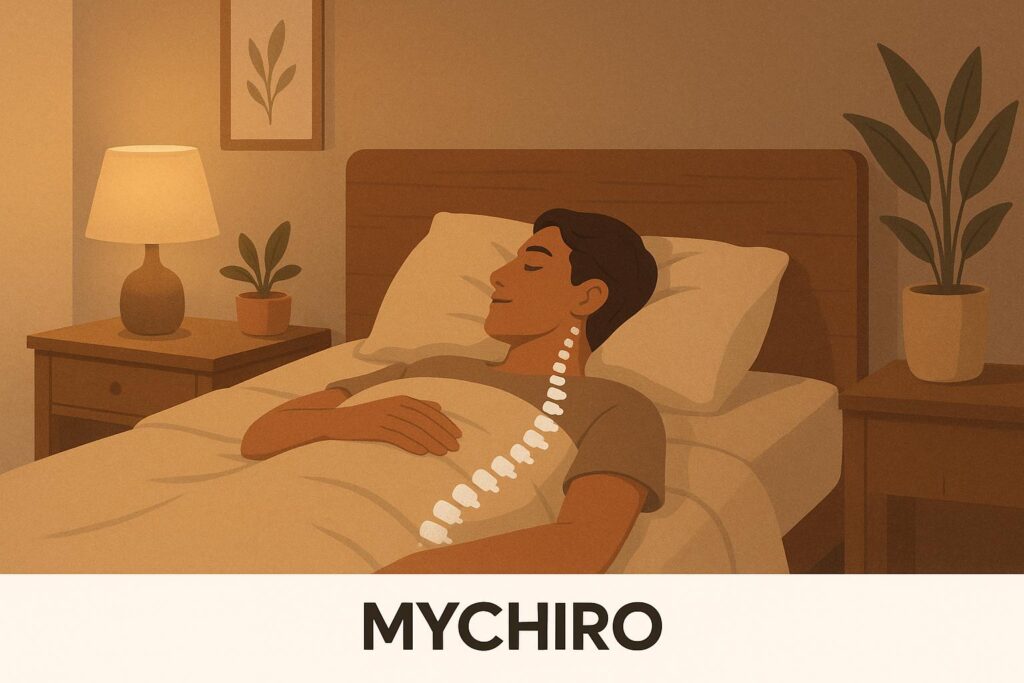
What can chiropractic care offer when pain affects rest? Assessment may help identify options for a back or neck complaint. Chiropractic adjustments may be considered for selected musculoskeletal problems, but they are not an established treatment for insomnia. Muscle tension and poor sleep can occur together without spinal alignment being the cause.
Key Takeaways:
- Pain and Rest: Back or neck pain that interrupts rest can be assessed. The appropriate options depend on the cause and your circumstances.
- Nervous System Claims: Laboratory measurements do not establish that adjustments reset sleep regulation or treat insomnia.
- Comfort: Pillow support, position changes or advice about activity may be worth discussing for physical discomfort.
- Research Limits: Small studies and individual reports cannot provide a reliable success rate or establish lasting sleep benefits.
Good sleep habits do not require chiropractic care. Speak with your GP about persistent sleep difficulty, breathing pauses during sleep or excessive daytime sleepiness.
Video Discussion: Sleep After Chiropractic Care
Research Findings on Chiropractic Care and Sleep
Studies of chiropractic care and sleep need careful interpretation. A report of better sleep after spinal adjustments cannot by itself show that the treatment caused the change or that it treats a sleep disorder.
Study Results and Observations
A 2005 exploratory study included interviews with 154 patients, some of whom reported changes in sleep after an adjustment. These reports were not a controlled test of effectiveness and do not establish a reliable treatment benefit for insomnia.
The same study prospectively followed 20 people with insomnia. When sleep changes were monitored, improvements were inconsistent, with no clear pattern over time. It should not be used to promise improvement within six days.
Findings in people with fibromyalgia require condition-specific interpretation. A percentage from an uncontrolled or small study cannot provide a general success rate for chiropractic manipulation as a sleep treatment.
Some research on care for low back pain also measures sleep disturbance. These studies concern people being treated for a pain condition; they do not establish adjustments as a treatment for primary insomnia or prove a nervous-system-reset mechanism.
Research Gaps and Limitations
Study design matters. Small samples, self-reported outcomes and inadequate comparison groups introduce limitations. Changes may reflect several factors, including the course of symptoms and other care received.
The evidence needed for a treatment claim must match the patients, intervention and outcome involved. Research about musculoskeletal pain cannot automatically be applied to insomnia or sleep apnoea.
Lasting benefit needs follow-up. A brief observation period cannot tell us whether a change persists or whether repeated treatment is useful.
A lack of consistent methods for measuring sleep quality further complicates the research. Different studies use varying tools and criteria, making it challenging to compare results or conduct comprehensive meta-analyses.
A proposed mechanism is not the same as a demonstrated benefit. Claims about nerve interference, alignment or autonomic balance need clinical evidence rather than an anatomical explanation alone.
Reliable clinical trials use suitable comparisons, meaningful sleep outcomes and assessment of harms. Until a benefit is established, sleep disorders should be assessed and treated using appropriate sleep care.
This information is general and not a substitute for professional medical advice. Chiropractic care focuses on musculoskeletal health, and results can vary. Always consult a healthcare professional before making decisions about your health.
Care for Pain That Affects Rest
When back or neck discomfort makes resting difficult, discuss the pain and its effect on daily life with a clinician. Advice about movement or posture should address comfort and function, without promising that alignment changes will treat a sleep disorder.
Pain Management and Sleep Quality
A musculoskeletal assessment can consider symptoms, movement and relevant neurological signs. Options may include advice, exercise, manual therapy or referral. For discomfort associated with work, posture and activity advice may be useful. Better sleep is not a guaranteed outcome of pain treatment.
Limits of Nervous-System Explanations
The nervous system is involved in sleep regulation, but that fact does not establish a benefit from spinal manipulation. Adjustments have not been established as a way to restore normal sleep by removing nerve interference or activating the parasympathetic system.
Finding a Comfortable Position
Try a sleeping position and pillow support that feel comfortable for your body. Advice about posture should suit your needs, rather than assume a fixed curve must be corrected. Persistent discomfort deserves assessment.
Comfort measures can be considered alongside appropriate investigation of sleep symptoms. Each recommendation should have a clear purpose.
This information is general and not a substitute for professional medical advice. Chiropractic care is focused on musculoskeletal health, and results can vary. Always consult a qualified healthcare professional before making health-related decisions.
sbb-itb-585d67d
Sleep Improvement Strategies and Lifestyle Changes
Practical routines may support sleep, with or without treatment for a separate pain problem. Choose manageable changes and seek advice if the problem persists.
Basic Sleep Habits
Sticking to a regular sleep schedule is one of the simplest ways to improve how well you sleep. Going to bed and waking up at the same time every day – even on weekends – helps synchronise your body’s circadian rhythm, the internal clock that manages your sleep-wake cycles.
Aim for a bedroom that feels comfortable, quiet and dark enough for you. Adjust bedding or pillow support if useful for comfort. There is no single temperature or product that guarantees good sleep.
Limiting screen time before bed is another habit worth adopting. Blue light from devices like phones, tablets, and TVs can interfere with melatonin production – the hormone that tells your body it’s time to sleep. Setting a "digital curfew" at least an hour before bedtime gives your brain a chance to unwind. Instead of scrolling through your phone, try reading, doing some gentle stretches, or practising light meditation to help you relax.
Sleep habits can be helpful, but advice about habits alone is different from cognitive behavioural therapy for insomnia. CBT-I is a recommended first-line treatment for chronic insomnia and can be discussed with an appropriate clinician.
Activity and a comfortable work setup may also be useful, especially when pain affects your day.
Exercise and Workplace Setup
Choose regular physical activity that fits your health and circumstances. If exercise near bedtime makes it hard to settle, consider an earlier time. Ask for advice when symptoms or a medical condition limit activity.
If desk work brings on discomfort, consider a comfortable setup and regular changes of position. This may help daytime comfort without establishing posture as the cause of a sleep disorder.
Making ergonomic adjustments at your desk can ease this strain. For instance, ensure your chair is at the right height so your feet rest flat on the floor, position your monitor at eye level to avoid neck strain, and use a chair that provides proper lumbar support. Taking short movement breaks every hour can also help reduce tension.
If you need help adapting a work setup, discuss advice suited to your tasks and symptoms with an appropriate clinician. A product purchase or repeated treatment is not automatically necessary.
Review how these changes affect comfort and daily function. Persistent sleep difficulty may require a separate plan.
This information is general in nature and is not a substitute for professional medical advice.
Chiropractic care focuses on musculoskeletal health and results vary between individuals.
Please consult a qualified healthcare professional before making decisions about your health.
Assessment and Care in Bondi Junction
MyChiro can assess a musculoskeletal concern such as back pain, neck pain or headaches. Tell the chiropractor if symptoms interrupt rest, while also discussing persistent sleep problems with your GP.
Personalised Treatment Plans
An assessment should explore the history of your symptoms, relevant health conditions and what you want to do more comfortably. Treatment depends on the findings; a standard course of adjustments for poor sleep is not appropriate.
Options may include advice, exercise, manual therapy or referral. Ask which symptom the proposed care is intended to address, what benefit is realistic and when the plan will be reviewed.
Professional Standards and Safety
When discussing chiropractic techniques, share your medical history and medicines. Registration and training do not make every intervention appropriate for every person. A clinician should explain the proposed benefit, risks and alternatives before you decide.
Temporary soreness can occur after spinal manipulation. Serious complications are rare but have been reported. Neck manipulation has been associated with cervical artery dissection and stroke; the precise risk and causal relationship are uncertain. Discuss your individual circumstances and alternatives, including no manipulation.
Referral or coordinated care may be appropriate when symptoms fall outside musculoskeletal care. A GP or sleep clinician can assess persistent insomnia, snoring with breathing pauses or excessive daytime sleepiness.
For Bondi Junction patients managing work or family commitments, a consultation can clarify options for pain or neck discomfort. At MyChiro, the initial consultation is free for new patients. Same-day treatment is optional, costs $125 and is offered only if clinically appropriate, with no obligation to proceed.
This information is general in nature and not a substitute for professional medical advice.
Chiropractic care focuses on musculoskeletal health, and results vary between individuals.
Please consult a qualified healthcare professional before making decisions about your health.
What This Means for Your Care
Assess pain and sleep concerns on their own merits. A musculoskeletal problem may benefit from appropriate care, while a sleep disorder needs assessment and treatment directed at that condition.
Individual reports and small studies do not establish a predictable sleep benefit from adjustments. A care plan should reflect the current evidence, your preferences and the risks and alternatives.
Practical sleep habits can be useful, but persistent insomnia may need CBT-I or other medical care. Chiropractic treatment should not delay investigation or replace prescribed sleep-apnoea treatment.
This information is general and not a replacement for professional medical advice.
Chiropractic care focuses on musculoskeletal health, and individual results may vary.
Always consult a qualified healthcare professional before making health-related decisions.
FAQs
Do adjustments improve sleep by regulating the nervous system?
A reliable clinical benefit of that kind has not been established. Changes in autonomic measurements or a report of relaxation do not prove treatment of insomnia.
If back or neck discomfort is also present, it can be assessed separately. Tell each clinician about other care you receive so the plans can fit together.
This information is general and should not replace professional medical advice. Chiropractic care is focused on musculoskeletal health, and individual results may vary. Always consult a qualified healthcare professional before making any decisions regarding your health.
What does current research mean for patients?
Sleep has been measured in some small studies and in research on musculoskeletal pain. The findings do not establish a dependable treatment for a sleep disorder or a success rate that can be promised to a patient.
Useful research needs suitable comparison groups, meaningful outcomes, adequate follow-up and reporting of harms. More research does not by itself justify treatment before a clinical benefit has been established.
Can I receive care for pain alongside treatment for a sleep problem?
Yes, when there is an appropriate reason to address a separate musculoskeletal complaint. Each treatment should have a clear purpose, and the clinicians involved should know about other care you receive.
Continue prescribed sleep care and review persistent or worsening symptoms. A free initial consultation about pain at MyChiro does not require you to proceed with treatment.