
Stress impacts your body in ways you might not realise. It tightens muscles, disrupts posture, and creates a loop of pain and discomfort. Prolonged stress can lead to muscle tension, poor posture, and chronic pain, especially in areas like your neck, shoulders, and back. This cycle worsens over time, as pain increases stress, and stress further deteriorates posture.
Key takeaways:
- Stress triggers muscle tension, leading to poor posture like hunching or forward head position.
- Poor posture adds strain to muscles and joints, causing pain and stiffness.
- Pain and stress feed off each other, creating a cycle that’s hard to break.
Simple fixes include mindfulness techniques like deep breathing, regular movement, and ergonomic workspace setups. For persistent issues, professional help, such as chiropractic care, may be necessary to address deeper problems.
Pain due to BAD posture? Here’s a great way to relieve that postural Stress.
How Stress Affects Your Body
When stress becomes a constant in life, it doesn’t just affect your mind – it impacts your entire body. This connection helps explain why so many Australians experience stress-related pain and posture issues in today’s fast-paced world.
Chronic Stress and Your Muscles
Living with prolonged stress keeps your body’s response system in overdrive. Stress hormones stay elevated, and your muscles react by remaining in a constant state of tension.
"When stress levels are high, our brain sends a signal to the nerves to go into ‘protection mode,’ and our nerves activate our muscles to tighten and increase their tone." – David Munson, rehabilitation therapist
This continuous state of readiness makes it difficult for muscles to fully relax. Over time, chronic stress disrupts blood flow to the muscles, depriving them of oxygen and nutrients they need to function. This can lead to stiffness, reduced mobility, and even dysfunction. The result? A vicious cycle where tense muscles contribute to pain, which in turn fuels more stress.
When Stress Leads to Muscle Tension and Pain
Prolonged muscle tightness doesn’t just feel uncomfortable – it reduces circulation, causing metabolic waste to build up in the tissues. This can lead to persistent pain, even in the absence of an injury. It’s a classic example of the pain-stress loop: stress causes pain, and pain increases stress.
As many as 1 in 4 people deal with chronic muscle pain and stiffness, with stress often playing a major role. Research highlights a strong connection between stress – especially work-related stress – and musculoskeletal pain in areas like the lower back and upper extremities.
Stress-related inflammation adds another layer of discomfort. Inflammatory substances can worsen existing joint issues or create new ones, affecting not just muscles but also tendons, joints, and other soft tissues. This widespread pain often targets areas like the neck, shoulders, jaw, and lower back – regions that instinctively tense up during moments of stress. Think about it: when you’re overwhelmed, how often do you notice your shoulders creeping up or your jaw clenching?
How Stress Changes Your Posture
Stress doesn’t just leave you feeling tense – it can physically reshape how you hold yourself. Chronic stress often results in what’s known as “stress posture,” a pattern of muscle tension and body positioning that impacts your entire frame.
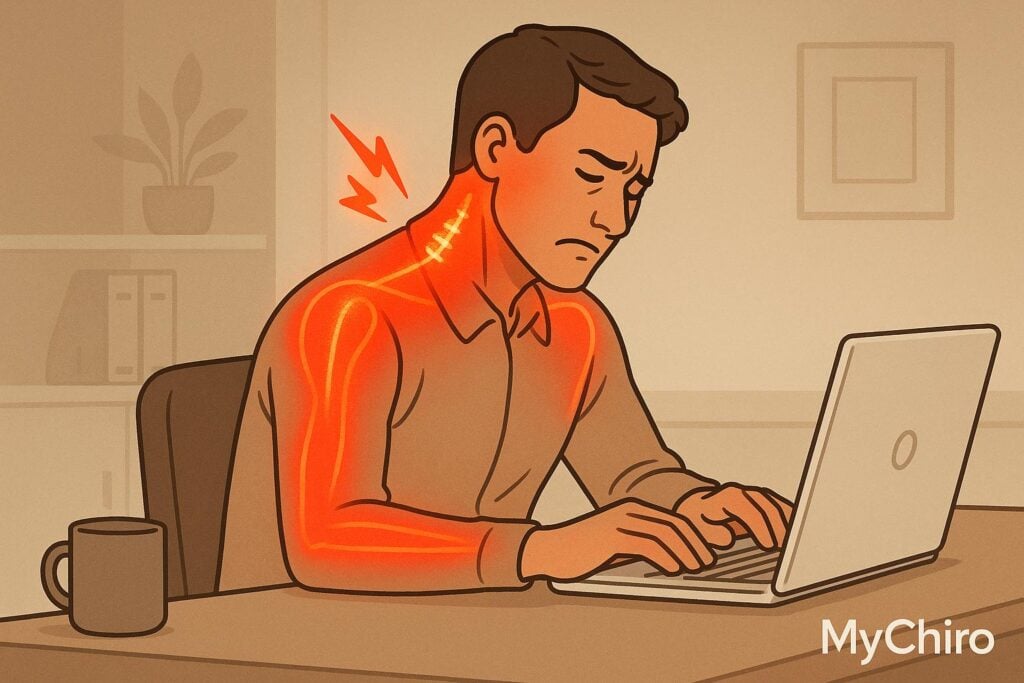
The most noticeable changes occur in the upper body. Stress causes people to hunch their shoulders and push their head forward. This forward head posture places extra strain on the cervical spine and upper back muscles, which have to work harder to support the head in this misaligned position.
Research has shown that sitting upright can boost self-esteem, focus, and mood compared to slouching. This demonstrates the close link between posture and emotions – poor posture doesn’t just stem from stress; it can actually amplify it.
Stress also has a way of reducing physical activity, which is essential for maintaining muscle strength and flexibility. When overwhelmed, people often become more sedentary, spending hours in positions that weaken postural muscles. Over time, this inactivity leads to further deterioration in posture.
What happens to your body during stress? Shoulders rise and hunch forward, creating a rounded appearance. The chest muscles tighten, while the upper back muscles become overstretched and weak. Deep core muscles, which help stabilise the spine, also lose their effectiveness, leaving the back unsupported.
"Chronic stress causes the muscles in the body to be in a more or less constant state of guardedness. When muscles are taut and tense for long periods of time, this may trigger other reactions of the body and even promote stress-related disorders."
Temporary tension can solidify into long-term postural changes, meaning the effects of stress can linger even after the stress itself subsides. These shifts in posture not only contribute to ongoing discomfort but also highlight the importance of addressing stress effectively.
How Stress, Pain, and Poor Posture Feed Each Other
The connection between stress, pain, and posture is a tricky one. Each issue fuels the others, creating a vicious cycle that can leave people stuck in constant discomfort. Understanding how these elements interact is key to addressing specific pain problems and the physical changes they bring about.
Common Pain Problems from Stress and Poor Posture
Stress and poor posture often team up to create predictable pain patterns in the body. Back pain is a frequent complaint for many adults, while neck pain can sometimes become so severe that it interferes with daily life.
Tension headaches are a classic example of stress-related pain. When you’re stressed, your shoulders tend to hunch, and your neck muscles tighten. This tension ripples through your body, often triggering headaches that can linger for hours or even days. Neck and shoulder pain are also common, especially when the head shifts forward from its natural alignment. In a neutral posture, the head places about 4.5–5.5 kg of weight on the torso. But poor posture can increase that load dramatically, adding anywhere from 12 to 27 kg of strain on the neck and shoulder muscles. This extra burden worsens the wear and tear on muscles and joints, leading to persistent discomfort.
What Poor Posture Does to Your Body
Poor posture isn’t just about appearance – it can seriously affect how your body functions. When the spine moves away from its natural curves, a chain reaction of problems can develop:
- Muscle imbalances: Some muscles become overworked while others weaken, disrupting your body’s balance.
- Joint compression: Uneven pressure on spinal joints, hips, and other weight-bearing areas speeds up wear and tear, causing stiffness and pain.
- Reduced mobility: Joints that don’t move through their full range of motion regularly can become stiff and restrictive over time.
- Breathing difficulties: A forward head position and rounded shoulders can compress the chest cavity, making it harder for your lungs to expand properly.
"It’s a common and important health problem among Americans, and it can lead to neck pain, back problems, and other aggravating conditions", says Meghan Markowski, a physical therapist at Harvard-affiliated Brigham and Women’s Hospital.
The Cycle: How Stress and Pain Make Each Other Worse
Stress and pain don’t just coexist – they feed off each other in a relentless loop. Stress kicks things off by triggering the body’s fight-or-flight response. Stress hormones flood the system, causing muscles to tense up, especially in areas like the neck, shoulders, and jaw. Without a way to release this tension, it builds up, leading to physical discomfort.
Poor posture adds fuel to the fire. The physical strain it creates can feel like a threat to the body, keeping you in a constant state of stress even when there’s no real danger. Pain then amplifies the problem. Studies show that severe stress increases the risk of chronic low back pain by 2.8 times. Pain also discourages activity, weakening the muscles needed to maintain good posture and making it even harder to break free from these harmful patterns.
To make matters worse, pain often disrupts sleep. Poor sleep heightens stress sensitivity and reduces the body’s ability to recover from muscle tension, locking you further into this cycle of stress, pain, and poor posture.
Ways to Break the Stress-Pain-Posture Cycle
Breaking the stress-pain-posture cycle means addressing both your mental and physical well-being. Research shows that a mix of mindful practices and physical adjustments can help restore balance. Let’s dive into some practical strategies to help you find relief and regain alignment.
Mindfulness and Relaxation Methods
Mindfulness is a powerful tool for managing stress before it turns into physical discomfort. A simple yet effective technique is deep breathing. When you’re stressed, your breathing often becomes shallow and quick, keeping your nervous system in a heightened state. By practising slow, deep breaths and consciously relaxing your face, neck, and shoulders, you can calm your body’s fight-or-flight response. Just five minutes of daily deep breathing can help retrain your body to manage stress and ease tension that leads to pain and posture issues.
Movement and Workspace Setup
Staying active is crucial for breaking the physical side of the stress-pain-posture cycle. Long periods of sitting or holding static postures can create muscle imbalances and stiffness. Incorporating quick stretches, like neck rolls or shoulder shrugs, can help loosen tight muscles and reduce discomfort.
Your workspace setup also plays a big role in maintaining good posture. Small changes, like positioning your computer screen at eye level and using a chair that supports your lower back’s natural curve, can make a big difference. These adjustments not only ease muscle strain but also interrupt the cycle of stress and tension we’ve been discussing.
While physical changes offer immediate relief, mindfulness techniques provide lasting benefits when practised consistently.
Comparing Different Mindfulness Approaches
Mindfulness methods vary, so it’s important to pick one that aligns with your needs and lifestyle. Below is a breakdown of three evidence-based approaches:
| Approach | Key Focus & Benefits |
|---|---|
| Alexander Technique | Helps you observe and release unnecessary tension, improving posture and poise – especially helpful for those working from home. |
| WorkingPosture Method | Uses mindful movement lessons to retrain your body and undo tension caused by repetitive tasks. |
| Posture Therapy | Focuses on targeted exercises and stretches to correct postural imbalances at their root. |
The Alexander Technique encourages self-awareness to identify and release tension in everyday activities. It’s particularly useful for improving posture while working at a desk or from home.
The WorkingPosture Method uses mindful movement lessons to reshape how your nervous system controls your body. This approach is great for undoing patterns of tension caused by repetitive work habits.
Posture Therapy takes a more structured approach, using specific exercises and stretches to address the underlying causes of poor posture. It’s ideal for anyone looking for a physical, hands-on way to improve alignment.
Combining mindfulness practices like deep breathing with techniques such as the Alexander Technique, WorkingPosture, or Posture Therapy can amplify the benefits. The key is finding methods that fit into your routine and sticking with them – because consistency matters more than perfection when it comes to breaking the stress-pain-posture cycle.
sbb-itb-585d67d
How Chiropractic Care Helps with Stress-Related Pain and Posture
Breaking the cycle of stress, pain, and poor posture requires more than just symptom relief – it demands a focus on restoring balance to the nervous system. When mindfulness and movement don’t fully resolve the issue, chiropractic care can provide targeted relief by addressing the root causes of nerve dysfunction and muscle tension.
Nervous System-Focused Chiropractic Treatment
Chiropractic care isn’t just about spinal adjustments; it’s about improving how your nervous system functions. Stress often leads to muscle tension and postural changes, which can disrupt nerve activity and trigger a chain reaction of physical problems.
Through spinal adjustments, chiropractors use precise techniques to realign joints and vertebrae, alleviating nerve compression and reducing pain. In addition, soft tissue therapy, such as myofascial release and trigger point techniques, helps ease muscle tension, boosts blood flow, and minimises the physical effects of stress.
Research suggests that these methods can calm an overactive nervous system, effectively breaking the cycle of tension, pain, and poor posture.
Personalised Chiropractic Care Benefits
Since everyone’s experience with stress, pain, and posture is different, personalised treatment plans are key. A skilled chiropractor will consider your work environment, stress triggers, and physical habits to create a tailored approach. This might include postural correction exercises, ergonomic advice for your workspace, and neuromuscular re-education to improve movement patterns.
By enhancing spinal health and nervous system function, chiropractic care helps your body naturally manage stress more effectively. For health-conscious individuals, the drug-free nature of this approach is especially appealing, as it tackles the root causes of discomfort rather than merely masking symptoms.
Collaborating with Other Health Professionals
For long-term relief, chiropractic care often works best as part of a broader healthcare plan. Chiropractors may collaborate with your GP, physiotherapist, or other interest ins to ensure a comprehensive approach to managing stress-related conditions. This teamwork is particularly valuable when workplace ergonomics, mental health, or underlying medical issues play a role in your discomfort.
Understanding how stress affects your spine and nervous system gives you the tools to make informed choices about your health and take an active role in overcoming the stress–pain–posture cycle.
Self-Care Tips and When to Get Professional Help
Understanding the connection between stress, pain, and posture is key to breaking the cycle. While self-care can be incredibly effective, there are times when professional help is necessary.
Daily Tips for Managing Stress and Posture
Good posture starts with workspace ergonomics, especially for those who spend hours at a desk. Position your monitor at eye level and ensure your shoulders and arms form a 90-degree angle to avoid straining your neck and shoulders.
Movement breaks are another simple yet effective way to protect your spine. Try standing up and taking a short walk every hour – just two minutes can make a big difference. Even a quick lap around your workspace can help ease muscle tension and reset your posture. Meghan Markowski, a physical therapist at Brigham and Women’s Hospital, highlights the importance of movement:
"We don’t want people in fixed postures for hours at a time. Be vigilant, and good posture will contribute to many aspects of health."
Incorporating strengthening exercises into your routine can also improve your posture. Exercises like the Superman pose target your back extensors, while core work supports your spine. Simple moves such as neck extensions and shoulder blade squeezes can counteract the forward head and rounded shoulder posture common in desk jobs. Just 10–15 minutes a day can make a noticeable difference.
Pair these physical strategies with stress management techniques for even better results. Deep breathing, progressive muscle relaxation, and mindfulness can help calm your nervous system and ease the tension that stress often creates. Even five minutes of focused breathing can disrupt the cycle of stress and physical discomfort.
While these daily adjustments can work wonders, some symptoms shouldn’t be ignored and may require professional attention.
Warning Signs That Need Professional Attention
Sometimes, self-care isn’t enough, and ongoing symptoms may signal a deeper issue. Chiropractor Andrew Bang cautions about the risks of ignoring posture problems:
"Long-term poor posture can cause real damage."
Here are some signs that you should seek professional help:
- Persistent pain: If your neck, back, or shoulder pain doesn’t improve with rest, movement, or basic self-care, it’s time to get it checked. Pain that disrupts your daily life or sleep shouldn’t be ignored.
- Neurological symptoms: Tingling, numbness, or muscle weakness could point to nerve compression or other serious conditions. Frequent headaches, dizziness, or brain fog might also indicate that poor posture is affecting your nervous system.
- Digestive or systemic issues: Poor posture can impact internal organs, leading to problems like stress incontinence, chronic constipation, heartburn, or sluggish digestion.
- Joint stiffness and reduced mobility: If your joints feel increasingly stiff or your range of motion is shrinking, it could be a sign of spinal wear and tear, potentially leading to arthritis.
If these symptoms are affecting your work, sleep, or overall quality of life, consult a healthcare professional. A chiropractor, physiotherapist, or GP can assess your condition and recommend appropriate treatment.
Disclaimer: The Need for Individual Healthcare
This article offers general insights into the links between stress, pain, and posture. However, it’s important to remember that self-care tips and warning signs discussed here are not a substitute for professional medical advice.
Everyone’s experience with stress-related pain and posture issues is different, influenced by factors like their work environment, medical history, fitness level, and lifestyle. What works for one person may not work for another.
This article is for educational purposes only. Always consult a registered health practitioner for personalised advice tailored to your specific needs.
Conclusion: Moving Forward with Better Health
Stress, pain, and poor posture often create a relentless cycle, one that many Australians face daily. With chronic neck pain affecting up to 78% of office workers and nearly 80% of adults experiencing stress at some stage, recognising the connection between these factors is key to improving long-term wellbeing.
Breaking this cycle begins with understanding how these elements interact. Addressing stress, pain, and posture together can lead to meaningful, lasting changes. Aligning the spine properly not only eases physical tension but also supports the overall balance of the nervous system. The combination of self-care strategies and professional advice mentioned earlier can help lay the groundwork for healthier living.
Taking action now to manage posture and stress can pay off in the long run. Whether you’re juggling the demands of office work, parenting, or the fast pace of modern life, small proactive steps today – like improving your desk setup, taking regular movement breaks, or seeking professional support for ongoing issues – can help prevent bigger problems down the track.
Every journey to better health is personal, but the important thing is to begin.
FAQs
How do I know if my pain is caused by stress or something else?
Stress can often manifest physically, showing up as muscle tension, headaches, or stomach discomfort. This is due to stress-induced hormonal changes, like elevated cortisol levels, which can cause inflammation and muscle spasms. In contrast, pain from injuries or medical conditions typically has a clear, identifiable cause – such as trauma or structural issues – and is less likely to fluctuate based on emotional stress.
If you’re dealing with persistent or unexplained pain that’s interfering with your daily life, seeking advice from a healthcare professional is essential. They can help determine the root cause and guide you towards the right treatment options.
How can mindfulness help with stress-related posture problems?
Mindfulness offers an effective way to address posture problems linked to stress by encouraging relaxation and easing muscle tension. Practices such as mindful breathing, body scans, and guided imagery focus on staying present, which can interrupt the cycle of stress and physical discomfort.
By practising mindfulness regularly, you can also enhance emotional control and build resilience, both of which contribute to better posture and a greater sense of overall well-being. Making these techniques part of your daily life can help you achieve a more balanced state – both physically and mentally.
When should I see a professional for stress-related pain or posture issues?
If your pain doesn’t improve, gets worse, or is accompanied by symptoms like numbness, tingling, or weakness in your legs, it’s crucial to get professional advice. These could be signs of a more serious condition that needs proper evaluation.
On top of that, if poor posture is contributing to persistent discomfort or musculoskeletal issues, reaching out to a healthcare provider – like a chiropractor or physiotherapist – can make a big difference. They can pinpoint the underlying causes and create a tailored treatment plan to aid your recovery and promote long-term health.