

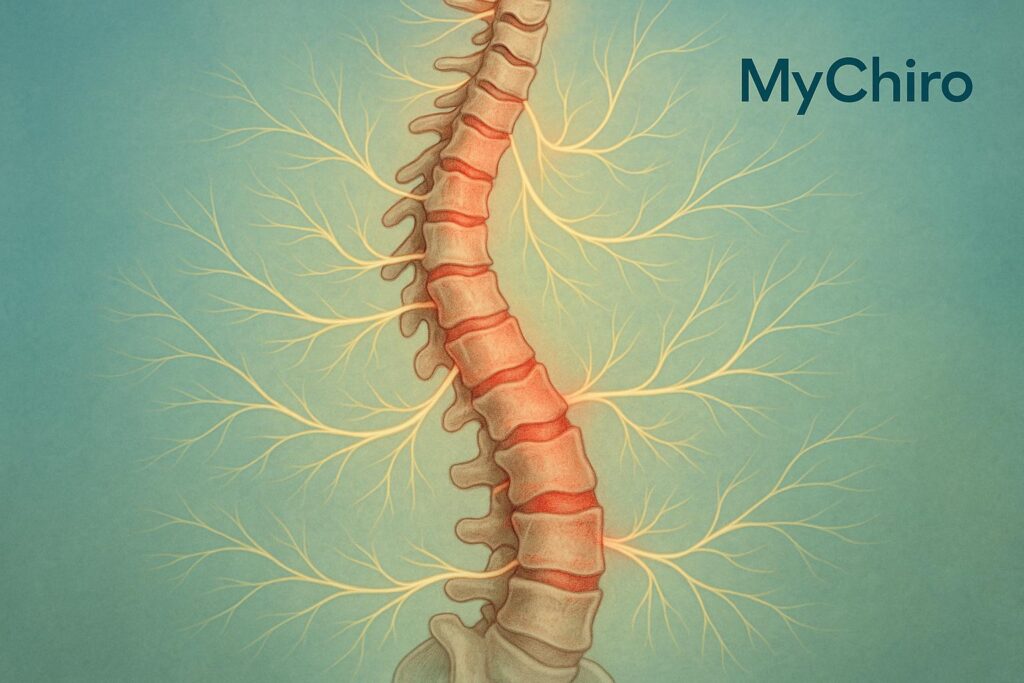
When stress becomes constant, it disrupts your nervous system and spine, leading to physical pain and long-term health problems. Stress activates your body’s "fight-or-flight" response, causing muscle tension, poor posture, and even nerve-related symptoms like tingling or numbness. Over time, this strain can lead to conditions like back pain, herniated discs, or headaches.
Here’s what you need to know:
- Stress affects your spine: Chronic stress keeps your muscles tight, pulling your spine out of alignment and increasing the risk of injuries.
- Nervous system overload: Prolonged stress can disrupt neural communication, impair memory, and worsen pain sensitivity.
- Warning signs: Persistent neck or back pain, tension headaches, or nerve symptoms like radiating pain or numbness.
- Prevention tips: Maintain good posture, stay active, stretch daily, and practice stress management techniques like mindfulness or deep breathing.
- When to seek help: If pain lasts more than two weeks or interferes with daily life, consult a professional like a chiropractor or physiotherapist.
Addressing stress early can prevent long-term spinal issues and improve overall well-being. Simple habits, combined with professional care, can make a big difference in reducing discomfort and protecting your spine.
Why Your Neck Tenses Up Under Stress (and How to Release It)
How Stress Changes Your Nervous System
Building on the link between stress and spinal issues, it’s important to dive deeper into how chronic stress reshapes the nervous system. While your body is designed to handle stress efficiently, prolonged exposure can overwhelm this delicate system, leading to long-term challenges. Understanding these changes is key to managing chronic pain and its underlying causes.
Your Body’s Stress Response
When stress hits, your brain’s amygdala acts as an alarm system. It detects the threat – whether it’s a looming work deadline or ongoing financial worries – and sends a distress signal to the hypothalamus. This, in turn, activates the sympathetic nervous system, which is responsible for the "fight-or-flight" response.
Think of this response as your body’s accelerator. It prompts the adrenal glands to release adrenaline and cortisol into your bloodstream. These hormones trigger immediate physical changes: your heart races, breathing quickens, blood vessels widen in your arms and legs, and glucose surges into your system, giving you a burst of energy. To focus on the threat, your body temporarily slows digestion and other non-essential functions. Once the stressor is gone, your parasympathetic nervous system steps in to calm things down – slowing your heart rate, relaxing tense muscles, and normalising your breathing.
While this process is essential for short-term survival, it can become harmful when stress lingers.
Long-Term Stress and Nervous System Problems
Chronic stress keeps your nervous system stuck in overdrive, which can take a toll on your body. Unlike the short bursts of stress that can sharpen your focus or energy, ongoing stress wears down your system. Dr Jeffrey Birk from Columbia University’s Centre for Behavioural Cardiovascular Health explains it well:
"On short timescales, the stress response restores the body’s balance. Over longer periods of time, stress leads to imbalance."
When stress persists, the sympathetic nervous system remains highly active, triggering inflammation and disrupting neuron function. This can impair the brain’s ability to adapt and reorganise – a process known as neuroplasticity. It also alters neurotransmitter levels, which can affect your mood, memory, and cognitive abilities. Elevated cortisol levels, for instance, can shrink the hippocampus, a region critical for learning and memory. Meanwhile, the amygdala becomes more reactive, intensifying emotional responses.
Studies indicate that recovering from chronic stress takes an average of three months, but burnout may require anywhere from three months to a year. The physical effects of chronic stress include sleep issues, digestive problems, headaches, and a weakened immune system. It can also worsen neuropathic symptoms like pain, tingling, and numbness in the hands and feet.
Prolonged stress doesn’t just affect individual neurons – it disrupts the connections between them, throwing off communication across neural circuits. This cascade of dysfunction can lead to a variety of physical symptoms, including spinal discomfort, as the nervous system struggles to maintain balance.
How Stress Damages Your Spine
Stress doesn’t just cloud your mind – it also takes a direct toll on your spine. Beyond disrupting neural function, stress can physically alter your spine’s alignment and overall health.
Muscle Tension and Spine Alignment
When stress becomes a constant in your life, it often keeps your muscles in a state of tension – especially those in your neck, shoulders, and back that play a key role in supporting your spine. Dr Brian Burrough, M.D., sheds light on this connection:
"When we’re stressed, we tend to hunch our shoulders up, which leads to strain and tension in the upper and middle back. Stress-induced vessel constriction further reduces blood flow, increasing discomfort."
This ongoing muscle tension can pull your vertebrae out of their natural alignment. Over time, this imbalance weakens your spine, making it more prone to injuries and other complications. These alignment issues often pave the way for specific spinal conditions.
Common Spine Problems from Stress
Living with chronic stress can increase your risk of various spinal problems. Research involving 8,473 participants revealed that severe stress could raise the likelihood of chronic low back pain by 2.8 times. Early signs often include muscle stiffness or spasms, which can occur suddenly and even limit your movement temporarily.
Tight muscles can also press on spinal nerves, potentially causing radiating pain, numbness, or tingling in your arms or legs – symptoms often linked to conditions like sciatica. Stress-related tension in the neck and shoulders frequently contributes to tension headaches or migraines, while ongoing discomfort can disrupt your sleep, creating a vicious cycle of stress and pain.
Prolonged strain can also heighten the risk of herniated discs, where the cushioning between vertebrae bulges or ruptures, leading to further complications.
Poor Posture from Stress
Stress doesn’t just affect muscle tension – it impacts your posture too, adding to the strain on your spine. Under stress, you may unconsciously slouch, clench your jaw, or lean to one side, putting uneven pressure on your back.
The consequences for your spine are serious. For example, when your head moves just 2.5 cm (about one inch) forward due to poor posture, your spine has to support an extra 4.5 kg of weight. This added strain accelerates wear and tear on your cervical spine. Slouching can also increase pressure on spinal discs by as much as 60%, which over time can lead to structural changes like kyphosis (a rounded upper back) or forward head posture.
When your spine can no longer distribute weight evenly, some muscles are overworked while others weaken, leaving you more vulnerable to injuries during everyday activities. Unfortunately, the damage caused by stress-induced poor posture often goes unnoticed until it becomes severe, making early awareness and corrective measures crucial.
Warning Signs of Stress-Related Spine Problems
Stress can wreak havoc on both your nervous system and spine, so catching its effects early is crucial for avoiding long-term issues. Paying attention to the warning signs can make all the difference.
Symptoms to Look Out For
Stress-related spine problems often start with subtle signs that worsen over time. For instance, tension headaches are a common early indicator, especially when accompanied by neck stiffness or tight shoulders.
Another telltale sign is persistent neck and back pain that worsens with stress. This kind of pain might show up as a dull ache, sharp jabs, or even a burning sensation that doesn’t ease with rest. Dr Kavita Trivedi, D.O., puts it this way:
"Stress affects the body in a variety of ways, from mood swings and headaches to weight fluctuations. However, an often-overlooked side effect of stress is neck and back pain. Over time, repetitive bouts of stress can cause musculoskeletal issues in these regions of the body."
You might also notice muscle stiffness or spasms, particularly in the morning or after sitting for long periods. Shoulders can feel locked up, and turning your head might become uncomfortable.
Sleep troubles are another red flag. Stress-related spine issues can make it hard to get comfortable in bed, disrupt your sleep, or leave you waking up stiff and sore.
More concerning symptoms include radiating pain, tingling, numbness, or shooting sensations down your arms or legs. These could mean that muscle tension from stress is starting to impact spinal nerves. Ignoring these signs might allow the problem to progress beyond simple muscle tension.
In fact, 29% of participants in an online survey identified stress as the leading cause of their neck and back pain. Spotting these symptoms early is vital to prevent further complications.
Why Early Action Matters
When signs like tension headaches, unrelenting pain, or nerve-related symptoms appear, it’s important to act quickly.
One major reason is the prevention of chronic conditions. Addressing issues early can stop them from escalating into more serious problems like herniated discs, sciatica, or spinal stenosis. As the Spinal Recovery Centre warns:
"When it comes to spinal health, waiting too long can be the difference between a simple fix and long-term damage."
Tackling symptoms early also helps in maintaining your quality of life. You’ll have a better chance of preserving mobility, enjoying restful sleep, and staying productive without the constant distraction of pain. Plus, you’ll avoid the added stress and anxiety that come with ongoing discomfort.
Another benefit? Lower treatment intensity and costs. Early intervention, such as chiropractic care or physiotherapy, can often prevent the need for more invasive procedures later.
Think of symptoms like neck tightness, mild back discomfort, or occasional tingling as your body’s early warning system. These signs are a chance to step in and prevent serious issues before they take hold.
sbb-itb-585d67d
Managing Stress and Protecting Your Spine
Spotting the early signs of stress-related spinal issues is key to taking action. Once you notice these warning signals, it’s time to step up and protect both your spine and nervous system. The good news? Many effective strategies can be easily woven into your daily life.
Daily Habits for Stress Relief
Simple yet impactful daily habits can reduce stress while keeping your spine in good shape. Let’s start with posture. Sitting or standing with a straight back, relaxed shoulders, and feet flat on the ground can make a world of difference. Even a slight forward tilt of your head can put extra strain on your spine – a common issue in today’s "tech neck" era caused by constantly looking down at phones.
Adding exercise to your routine is another game-changer. Regular movement strengthens the muscles supporting your spine and naturally lowers stress hormones. Low-impact activities like walking, swimming, or core exercises are especially helpful. Eric L’Italien, a Physical Therapist from Harvard-affiliated Spaulding Rehabilitation Centre, notes:
"Effective spine stability requires coordinated function of trunk muscles. If one thing is off, it can affect the entire structure."
When lifting, using a proper technique is essential to avoid injuries, especially when stress causes muscle tightness. Always bend your knees, keep your back straight, and hold objects close to your body.
Your sleeping position also matters. Sleeping on your side with a pillow between your knees or on your back with a pillow under your knees can help maintain proper spinal alignment, giving your spine the chance to recover overnight.
Hydration plays a surprisingly important role in spinal health. Drinking at least 8 cups of water daily helps maintain the elasticity of spinal discs, which is crucial since disc degeneration can start as early as your mid-20s.
Adding stretching to your day can relieve tension caused by stress. Simple moves like cat-cow stretches, hamstring stretches, or neck rolls can be done anywhere to ease tightness.
Stress affects more than just the body, which is why stress management techniques like mindfulness, meditation, yoga, or deep breathing are invaluable. According to the American Psychological Association, 77% of people experience physical symptoms from stress, underscoring the need for these practices.
Lastly, for those spending long hours at a desk, workspace ergonomics are vital. Ensure your screen is at eye level, use a supportive chair, and keep your feet flat on the floor. Taking regular breaks to move and stretch can also make a big difference.
If these steps don’t fully address your symptoms, professional care might be the next step.
How Nervous System-Focused Chiropractic Care Helps
Nervous system-focused chiropractic care offers a tailored approach to managing stress-related spinal issues. This type of care, like that provided by Dr Steve (Chiropractor) in Bondi Junction, focuses on correcting subluxations to improve nerve function and restore balance.
Chiropractic adjustments can help shift the nervous system from a "fight or flight" mode to a calmer state. A 2020 study found that chiropractic care positively influences the autonomic nervous system, helping to reduce stress and improve overall balance.
By reducing nerve interference, chiropractic care supports proper nervous system function, which can enhance stress management. Treatment plans are often designed not just for immediate relief but for long-term benefits like better posture and spinal health. For example, a 2011 study in the Journal of Upper Cervical Chiropractic Research reported significant reductions in anxiety scores among patients receiving upper cervical adjustments.
Modern chiropractors often go beyond adjustments, incorporating advice on lifestyle, posture, movement, and even breathing techniques into their care. This holistic approach provides a well-rounded strategy for tackling stress-related spine problems.
Comparing Treatment Options for Stress-Related Spine Pain
When self-care isn’t enough, professional treatments can offer additional relief. Here’s a comparison of common options:
| Treatment Option | Primary Focus | Key Benefits | Limitations |
|---|---|---|---|
| Chiropractic Care | Spinal adjustments and nerve function | Quick relief, reduces nerve interference, improves stress response | May require ongoing sessions |
| Physiotherapy | Rehabilitation and movement therapy | Builds strength, prevents future injuries | Results may take longer to appear |
| Self-Care Methods | Daily habits and lifestyle changes | Cost-effective, addresses root causes | Requires consistency and effort |
| Combined Approach | Mix of methods | Comprehensive care, faster recovery | Higher initial time investment |
Chiropractic care often provides quick relief by focusing on spinal alignment and nervous system health, helping the body handle stress more effectively. Physiotherapy takes a broader approach, using exercises and stretches to improve mobility and prevent future issues. Meanwhile, self-care habits lay the groundwork for long-term resilience.
Research suggests that combining chiropractic care with physiotherapy can speed up recovery. Adding consistent self-care habits into the mix creates a strong foundation for long-term spinal health. Ultimately, the best approach depends on your symptoms, lifestyle, and personal preferences, but a mix of professional care and daily habits often delivers the best results.
When to Get Professional Help
Sometimes, daily self-care just isn’t enough, and that’s when it’s time to consider seeking professional advice. While healthy habits and stress management can do wonders, there are moments when persistent symptoms related to your spine or nervous system signal the need for expert evaluation. Catching these issues early can stop minor problems from turning into something more serious.
Warning Signs That Need Professional Assessment
Certain symptoms suggest that stress is taking a toll on your spine or nervous system, and ignoring them could lead to bigger issues. For instance, if you’ve been dealing with pain for more than two weeks and it’s interfering with your daily life, it’s time to seek help.
Muscle tightness that doesn’t ease with stretching or relaxation could point to deeper nervous system imbalances. Frequent headaches or migraines, especially after stressful days or poor sleep, may also be a red flag. If you’re experiencing sleep disturbances combined with pain, it’s worth getting checked out.
Other signs include jaw clenching or teeth grinding, which often signal significant stress, as well as chronic fatigue, reduced flexibility, or stiffness in your spine or neck. Postural changes like a tilted head or uneven shoulders, along with clicking joints or persistent discomfort, are also indicators. Stress-related anxiety is a widespread issue in Australia, and data from the American Psychological Association reveals that 77% of people regularly experience physical symptoms caused by stress. These statistics highlight the importance of seeking professional help when these warning signs appear.
If you’re noticing any of these symptoms, it might mean that self-care alone isn’t cutting it, and professional evaluation could make all the difference.
Benefits of Getting Help Early
Acting early on these symptoms can make a world of difference, not just in preventing them from worsening but also in making treatment more effective. Addressing stress-related spine and nervous system issues early can stop them from developing into chronic conditions. For example, correcting spinal misalignments or nervous system imbalances early on can help prevent ongoing pain and discomfort.
Seeking help sooner rather than later can also save money, potentially cutting treatment costs by up to 60%. On top of that, early care improves nervous system function, which can lead to better sleep, improved mood, and a noticeable boost in overall well-being.
Another major advantage of early intervention is breaking bad habits before they become ingrained. This is especially important for people who spend long hours sitting at desks or in other fixed positions. By addressing these issues early, you can improve posture and movement patterns before they lead to long-term problems.
There’s also the benefit of reducing reliance on medication. Tackling the root causes of stress-related spine issues early can help many people avoid turning to painkillers or invasive treatments down the line. Plus, early care can help shift your nervous system out of a constant "fight or flight" mode, promoting a healthier balance that supports both your physical and emotional health.
If you’re dealing with symptoms like anxiety, fatigue, sleep troubles, or ongoing tension, consulting a healthcare professional who understands the connection between the mind and body – such as Dr Steve (Chiropractor) in Bondi Junction – can provide targeted, comprehensive care. This kind of evaluation can bridge the gap between everyday stress relief and long-term spinal health, highlighting the crucial link between managing stress and maintaining nervous system balance.
Conclusion: Taking Care of Your Nervous System and Spine
Stress, your nervous system, and spinal health are deeply connected. Chronic stress doesn’t just impact your mood – it can lead to neuroinflammation and spinal misalignments, setting the stage for long-term complications. Recognising this connection early opens the door to taking proactive steps toward better health.
Addressing spinal discomfort as soon as it arises isn’t just about easing immediate pain. It’s a way to stop small problems from developing into chronic issues that are harder to manage down the track.
Incorporating simple habits into your daily life – like maintaining good posture, staying active, practising mindfulness, and setting up an ergonomic workspace – can significantly reduce the strain on your spine. Research highlights how stress is a common factor in musculoskeletal pain, contributing to issues like tension headaches, neck pain, and lower back pain.
Beyond these self-care strategies, combining them with professional care can make a real difference. Chiropractic care, for instance, focuses on tackling the underlying causes of discomfort rather than just addressing symptoms. As Waterloo Chiropractic puts it:
"Regular chiropractic adjustments, even when you’re not experiencing pain, can help improve your emotional well-being and reduce stress levels."
Aligning your nervous system doesn’t just ease physical discomfort – it can lead to better sleep, a brighter mood, and greater resilience. This approach acknowledges that your spine isn’t just a structural support; it’s integral to your overall health.
Taking care of your spine and nervous system is a long-term investment in your well-being. Whether it’s through managing daily stress, improving your workspace setup, or seeking professional help when warning signs appear, acting now can help you avoid bigger problems later. With anxiety disorders affecting around 17% of adults, prioritising stress management is not just helpful – it’s essential for maintaining your health.
This article is for general educational purposes only and is not a substitute for personalised healthcare advice. Please consult a registered health practitioner.
FAQs
How can I tell if my back pain is caused by stress rather than a physical condition?
Stress-related back pain often manifests as muscle tightness, stiffness, or even spasms, typically in the upper or lower back. It’s not uncommon for this discomfort to pair with poor posture or shallow breathing, particularly during periods of intense stress or anxiety. Emotional triggers like worry or feeling overwhelmed can heighten the pain and make it stick around longer.
Unlike back pain caused by structural problems, such as a herniated disc, stress-induced pain isn’t tied to a specific injury. It often responds well to relaxation techniques or strategies that help manage stress. That said, if the pain doesn’t ease up or gets worse, it’s a good idea to see a healthcare professional. They can rule out other possible medical issues and guide you toward the right treatment.
What are some simple daily exercises or stretches to ease stress-related spine discomfort?
Incorporating light stretches and simple strengthening exercises into your daily routine can ease spine discomfort linked to stress. Movements like the knee-to-chest stretch, child’s pose, and seated spinal twist can help release tension and enhance flexibility. To build spinal stability, exercises such as the bird-dog or side plank are excellent choices. These activities not only promote better posture but can also minimise stress-related strain on your spine.
For tailored advice, always consult a registered health practitioner. This content is intended for general educational use only.
When should I see a chiropractor for stress-related spinal issues, and what can I expect from treatment?
If you’ve been dealing with persistent back pain, neck tension, headaches, or stiffness that seems tied to stress, it might be time to visit a chiropractor. These issues are often linked to stress-induced tension in the spine and nervous system. Tackling them early can help you avoid further discomfort down the line.
Chiropractic care focuses on gentle spinal adjustments to improve alignment, ease physical tension, and support the balance of your nervous system. This can potentially relieve stress-related aches and contribute to your overall well-being. For personalised advice, always consult a registered health professional. Note: This information is intended for general educational purposes only.