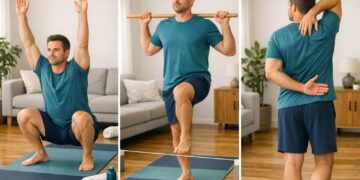


Struggling with poor posture? Chiropractic care might be the solution you need.
Good posture is more than just standing tall; it reduces strain on your spine, prevents aches, and supports better movement. Many factors, like long hours at a desk, muscle imbalances, or stress, can lead to poor posture. Chiropractic care focuses on spinal alignment and musculoskeletal health, offering hands-on treatments, tailored exercises, and ergonomic advice to address these issues.
Here’s what you should know:
- Chiropractic care uses spinal adjustments, soft tissue therapy, and posture education to improve alignment.
- Causes of poor posture include desk work, repetitive movements, injuries, and even stress.
- Self-care tips like posture exercises, ergonomic setups, and daily movement breaks can complement professional treatments.
- Other options like physiotherapy, massage, and ergonomic interventions can work alongside chiropractic care for better results.
Improving posture takes time and consistency. Combining professional care with small daily changes can lead to lasting improvements in your spinal health and overall wellbeing.
Chiropractic Adjustment & Exercises for BAD Computer Posture
What Causes Poor Posture
To tackle poor posture effectively, it’s important to understand what causes it in the first place. Modern lifestyles often work against proper spinal alignment, with several contributing factors that can lead to gradual postural issues.
Desk Work and Sitting Too Long
The shift towards desk-based jobs has introduced new challenges for maintaining spinal health. Spending long hours sitting – especially without an ergonomic setup – can push the body into positions that strain its natural alignment.
One common issue is forward head posture, where the head moves forward from its ideal position above the shoulders. This subtle shift adds significant strain to the neck and upper back muscles, as the head’s weight increases the load on the cervical spine.
Another problem is rounded shoulders, often caused by leaning towards a screen or keyboard. This posture shortens the chest muscles while weakening the muscles between the shoulder blades. Over time, these imbalances can become your body’s default position, even when you’re not at your desk.
Prolonged sitting also contributes to hip flexor tightness, as these muscles remain shortened for extended periods. This can pull on the lower back and affect the natural curve of the lumbar spine.
Setting up an ergonomic workstation – with your monitor, keyboard, and chair aligned to support your body’s natural curves – can help reduce these strains. Beyond desk work, everyday activities and repetitive motions also shape muscle balance and posture.
Physical Strain and Muscle Imbalances
Repetitive movements, weak muscles, and a lack of core strength can all lead to imbalances that throw off spinal alignment.
Previous injuries often play a role too. When the body protects an injured area, it can develop compensatory movement patterns that linger long after the injury heals. For example, an old ankle injury might subtly alter your gait, eventually affecting your hips and spine.
These physical challenges are often compounded by the effects of emotional stress.
Stress and Its Impact on Posture
Emotional stress can have a surprising impact on how you carry yourself. When you’re stressed, your body often reacts with increased muscle tension, particularly in the neck, shoulders, and jaw.
Chronic muscle tension caused by ongoing stress can lead to lasting postural changes. For instance, stress-related shoulder tension can create patterns that persist even after the stress has passed.
Stress also affects breathing patterns, often leading to shallow, upper-chest breathing. This can further tighten the neck and shoulder muscles, disrupting overall alignment.
Sleep quality is another factor. Stress can interfere with restorative sleep, leaving your body less able to recover from the daily strains on your posture. Over time, this lack of recovery allows tension to accumulate.
Lastly, stress can even influence your posture through emotional posturing. Low confidence or anxiety might cause a slouched or collapsed stance, while chronic stress can lead to a stiff, tense posture that disrupts the natural coordination of your muscles.
By understanding these factors, it becomes clear that improving posture isn’t just about physical adjustments – it also involves addressing lifestyle habits and managing stress for long-term results.
This information is general in nature and is not a substitute for professional medical advice.
Chiropractic care focuses on musculoskeletal health and results vary between individuals.
Please consult a qualified healthcare professional before making decisions about your health.
Chiropractic Methods for Posture Correction
Chiropractic care uses various techniques designed to address the root causes of postural issues, aiming to improve spinal function and support your body’s natural alignment. Instead of just managing symptoms, these methods focus on long-term solutions. Here are some of the key approaches chiropractors use to help maintain proper spinal alignment.
Spinal Adjustments and Alignment
Spinal adjustments are a central part of chiropractic care for posture correction. Chiropractors use precise movements to adjust vertebrae that may be restricted or misaligned.
The goal is to address misaligned areas, where vertebrae are not in their ideal position. By improving joint mobility, these adjustments can help reduce muscle strain and encourage better spinal alignment. For example, someone struggling with forward head posture due to desk work might benefit from adjustments in the cervical spine, which can enhance movement in the neck and upper back.
Restoring normal joint movement not only relieves stiffness but also creates a foundation for maintaining long-term postural health.
Soft Tissue Therapy and Muscle Release
Chiropractors often incorporate treatments that target the muscles and ligaments supporting the spine. These soft tissue therapies are especially effective in relieving tension caused by poor posture habits.
- Massage techniques focus on specific areas of muscle tightness. For instance, if rounded shoulders are an issue from prolonged computer use, targeted work on the chest and upper back muscles can help rebalance posture.
- Trigger point therapy involves applying pressure to tight spots in muscles that can cause pain or restrict movement. Releasing these points often leads to greater muscle relaxation and flexibility.
- Stretching techniques can lengthen tight muscles and improve flexibility, addressing imbalances caused by repetitive movements or prolonged sitting.
When muscles are less restricted, they’re better equipped to support good posture throughout the day.
Posture Education and Workplace Setup Advice
Beyond hands-on treatments, chiropractors place a strong emphasis on education to help you maintain postural improvements in your daily life. This part of care is often just as important as the physical treatments.
Chiropractors may ask detailed questions about your lifestyle, work habits, and medical history to identify factors contributing to postural issues. Observing your posture during activities can help create a personalised treatment plan.
Workplace ergonomics often come up during these discussions. Chiropractors can provide practical advice on optimising your desk and chair setup or using accessories to support the natural curves of your spine.
They might also recommend movement breaks and exercises to incorporate into your routine. These could include neck-strengthening exercises to counteract forward head posture or stretches to loosen tight hip flexors from sitting for extended periods.
Additionally, chiropractors often offer tips on everyday habits that promote better posture. This might include proper lifting techniques, sleep positions, or ways to stay mindful of your posture during daily tasks.
This educational approach empowers you to take an active role in your care. By understanding how your habits impact your spine and learning strategies to reduce strain, you can extend the benefits of chiropractic treatments and support your spinal health for the long term.
This information is general and not a substitute for professional medical advice.
Chiropractic care focuses on musculoskeletal health, and results vary between individuals.
Always consult a qualified healthcare professional for personalised advice about your health.
sbb-itb-585d67d
Self-Care Tips for Better Posture
In addition to chiropractic care, incorporating simple daily habits into your routine can help maintain and enhance posture over time. These practices complement professional treatment, offering a holistic way to support your spinal health.
Simple Posture Correction Exercises
Consistent exercises can help balance muscle groups and encourage proper alignment. Here are a few easy ones to try:
- Spinal stretches: Relieve tension with moves like the Child’s Pose. Kneel with your big toes touching, knees apart, and sit back on your heels. Stretch your arms forward and lower your chest to the floor. Hold this position for up to 5 minutes to ease muscle tightness.
- Cat-Cow Pose: Improve spinal flexibility by alternating between arching your back (cow) and rounding it (cat) while on all fours. Repeat for at least 1 minute.
- Forward Fold: Release tension in your spine and hamstrings. Stand with feet hip-width apart, hinge at the hips, and let your upper body hang naturally. Hold for up to 1 minute.
- Hip-opening stretches: Pigeon Pose can loosen tight hip flexors. From a tabletop position, bring one knee forward and extend the opposite leg behind you. Lower your hips gently toward the ground and hold for 1 minute on each side.
- Downward-Facing Dog: Strengthen and align your back muscles with this classic yoga pose. From hands and knees, tuck your toes under and lift your hips into an inverted V-shape. Hold for up to 1 minute.
These exercises are a great start, but posture isn’t just about movement – your environment plays a big role too.
Setting Up Your Workspace for Better Posture
Your workspace setup can significantly impact your posture. Small changes can make a big difference:
- Position your monitor at eye level, about 50-70 centimetres away.
- Adjust your chair so your feet rest flat on the floor, with knees bent at a 90-degree angle, and provide proper lower back support.
- Keep your keyboard and mouse at elbow height, with wrists in a neutral position.
- Use document holders to keep work at eye level, reducing the temptation to lean forward.
- Ensure proper lighting to minimise strain and help you maintain a natural posture.
Daily Habits for Good Posture
Incorporating mindful habits into your day can reinforce better alignment:
- Take movement breaks: Set a timer to remind yourself to stand and move for 2-3 minutes every 30-45 minutes. Use this time to check your posture – are your shoulders relaxed? Is your head aligned with your spine?
- Sleep smart: Your sleeping position matters. Side sleepers might benefit from placing a pillow between their knees, while back sleepers can try a small pillow under their knees to ease lower back strain.
- Mindful walking: Walk with your head up, shoulders back, and core lightly engaged to encourage proper alignment.
- Core strengthening: Exercises like wall sits or modified planks can make it easier to maintain good posture without overexertion.
- Stay hydrated: Drinking enough water can support muscle function and may help reduce stiffness.
Improving posture is a gradual process. Start small – maybe with one or two changes – and build from there. When combined with chiropractic care, these habits can contribute to long-lasting improvements in your postural health.
This information is general in nature and not a substitute for professional medical advice.
Chiropractic care focuses on musculoskeletal health, and results vary between individuals.
Always consult a qualified healthcare professional before making decisions about your health.
Chiropractic Care vs Other Posture Correction Options
Improving posture can be approached in several ways, each with its own strengths and drawbacks. As mentioned earlier, achieving proper alignment often involves a combination of strategies tailored to individual needs.
Chiropractic care is often paired with other methods to create a well-rounded plan. Many chiropractors incorporate exercises, stretches, and ergonomic guidance into their treatments, understanding that true and lasting postural improvements usually demand a multi-layered approach.
The best path depends on your lifestyle and specific posture concerns. Some people prefer starting with one method and adding others over time, while others might opt to combine approaches right away. Below is a comparison of common posture correction methods to help you make an informed choice.
Pros and Cons Comparison
| Approach | Pros | Cons | Best For |
|---|---|---|---|
| Chiropractic Care | • Can address spinal alignment issues • Offers professional posture assessments • Hands-on treatment • Complements other techniques • Generally safe with qualified practitioners |
• Requires regular appointments • Costs vary by treatment plan • May not resolve all underlying issues |
Individuals with spinal stiffness, joint restrictions, or those seeking professional guidance alongside self-care |
| Physiotherapy | • Evidence-based exercise programs • Focuses on strengthening and mobility • Targets muscle imbalances • Often covered by private health insurance |
• Requires commitment to exercises • Results may take time • Requires scheduled sessions |
People with muscle weakness, movement dysfunction, or recovering from injury |
| Exercise-Only Approach | • Affordable option • Can be done at home or gym • Builds long-term strength • Flexible scheduling |
• Requires strong self-motivation • Limited professional guidance • Risk of poor technique • Slower progress initially |
Self-driven individuals with good body awareness and time to commit |
| Ergonomic Interventions | • Targets workplace-related issues • One-time setup costs • Prevents further strain • Immediate impact on environment |
• Doesn’t correct existing postural issues • May need workplace approval • Limited to specific settings • Doesn’t strengthen muscles |
Office workers or those with posture problems linked to their work environment |
| Massage Therapy | • Relieves muscle tension • Reduces stress • Improves circulation • Works well with other treatments |
• Offers temporary relief • Doesn’t address structural alignment • Requires regular sessions • Passive treatment approach |
People with muscle tension or stress-related posture problems |
Chiropractic care works well alongside ergonomic adjustments and strengthening exercises, offering both immediate relief and support for long-term postural health. For example, if you spend hours at a desk, starting with ergonomic improvements might make sense. On the other hand, if you’re dealing with stiffness or restricted movement, professional care like chiropractic treatment or physiotherapy could be more suitable.
For many, combining multiple methods – such as professional care with self-managed exercises – provides the best results. The key is finding a strategy you can stick with over time, whether that’s regular treatments, daily stretches, or maintaining an ergonomic workspace.
This information is general and not a substitute for professional medical advice.
Chiropractic care focuses on musculoskeletal health, and results vary by individual.
Always consult a qualified healthcare professional before making decisions about your health.
Key Points to Remember
Poor posture – whether caused by long hours at a desk, muscle imbalances, or stress – needs a thoughtful and informed approach to address effectively.
Chiropractic care can help correct posture by using techniques like spinal adjustments, soft tissue therapy, and advice on setting up an ergonomic workspace. These methods aim to resolve joint restrictions and alignment problems that contribute to poor posture.
For lasting results, a combination of professional care and daily self-management is key. Incorporating simple habits, such as taking regular breaks from sitting, doing specific stretches, and ensuring your workspace is set up correctly, can make a big difference. Strengthening your core, back, and neck muscles is also essential for maintaining proper alignment over time. These efforts work best when paired with expert advice tailored to your needs.
When exploring posture correction options, it’s important to factor in your individual requirements, lifestyle, and budget. A professional evaluation can help create a personalised plan. Chiropractic care can complement other approaches like physiotherapy, exercise routines, and ergonomic adjustments, offering a well-rounded strategy for improvement.
Keep in mind that improving posture is a gradual process that thrives on consistency and patience. Small, manageable changes to your daily routine often lead to better long-term outcomes than drastic, short-lived efforts. Focus on building habits that are realistic and sustainable rather than chasing quick fixes.
If you’re dealing with persistent pain or stiffness, it’s wise to seek professional advice early to prevent any complications down the line.
This content is for general informational purposes and should not replace professional medical advice.
Chiropractic care focuses on musculoskeletal health, and results can vary from person to person.
Always consult a qualified healthcare professional before making decisions about your health.
FAQs
How long does it usually take to notice improvements in posture with chiropractic care?
Many people begin to see changes in their posture after just 2 to 3 weeks of regular chiropractic care, especially when combining adjustments with suggested exercises. That said, making more noticeable or lasting improvements often takes several months. The timeline depends on factors like how severe the issue is, your general health, and how closely you stick to your treatment plan.
Staying consistent with your appointments and practising good posture habits in your daily life can make a big difference. To get the best results, it’s a good idea to talk with your chiropractor about your goals and track your progress, as outcomes can differ from person to person.
Can chiropractic care be combined with other methods to improve posture, and which ones work well together?
Yes, chiropractic care can be paired with other strategies to help improve posture. Options like physical therapy, specific exercises (such as yoga or Pilates), and ergonomic changes often work well together. For instance, spinal adjustments can aid in correcting alignment, while strengthening exercises for your core can help maintain stability over time.
When performed under the guidance of qualified professionals, these approaches are generally safe and can complement each other to support better posture and overall musculoskeletal health. It’s always a good idea to consult an expert to find the best combination for your individual needs.
What are some easy daily habits to improve and maintain good posture with chiropractic care?
Maintaining good posture is an essential complement to chiropractic care. One simple way to support your spine is by taking regular breaks from sitting. Every 30 minutes, stand up, stretch, or take a short walk to ease tension on your back. Adding activities like yoga or Pilates into your routine can also be beneficial. These exercises help build strength in the muscles that support proper alignment, making it easier to maintain good posture throughout your day.
Be mindful of your posture during everyday tasks. When sitting, avoid crossing your legs, keep your feet flat on the floor, and ensure your back is well-supported. An ergonomic chair, a properly adjusted desk setup, and positioning your screen at eye level can all contribute to better spinal health and overall comfort. These small, consistent adjustments can lead to noticeable improvements over time.